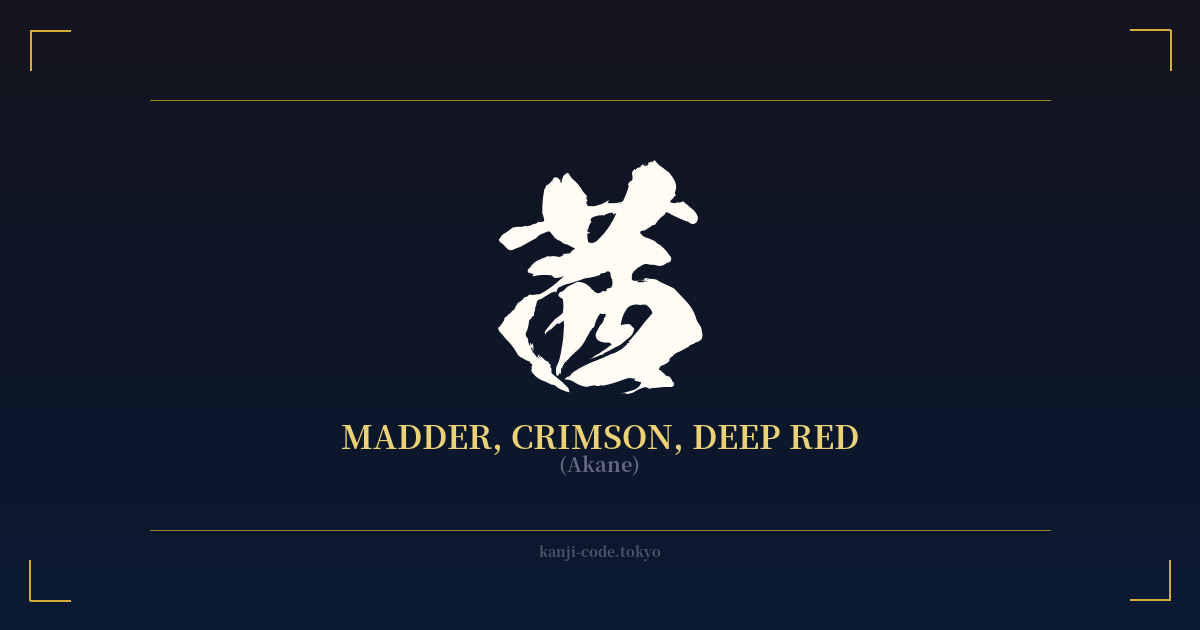
✍️ 茜 (Akane) — Cultural Context
The kanji 茜 (Akane) is a character rich with natural beauty and poetic nuance. Its primary origin lies with the madder plant, a climbing herb whose roots have been used for centuries to produce a vibrant, deep red dye. This historical connection infuses the character with a sense of tradition and ancient craft.
In Japan, this specific color, known as akane-iro (茜色), is not just any red. It is the particular shade of crimson that paints the sky during a breathtaking sunset or a brilliant sunrise. This association elevates the kanji beyond a simple plant or color, linking it to moments of transient, profound beauty and the cyclical nature of time. The image it evokes is one of warmth, nostalgia, and quiet contemplation.
This poetic imagery is deeply embedded in Japanese literature. The word akane appears in the Man'yōshū, Japan's oldest anthology of poetry, dating back to the 8th century. In one famous poem, it is used to describe the radiant glow of a loved one's face, comparing it to the madder-dyed cloth. This literary heritage gives the kanji a romantic and deeply human quality.
Furthermore, 茜 is a widely beloved female given name in Japan. As a name, Akane evokes qualities of warmth, cheerfulness, and natural beauty. It’s a name that feels both traditional and timeless, connected to the earth and the sky. This usage as a personal name makes the kanji feel intimate and familiar to native speakers.
In modern pop culture, characters named Akane often embody these traits. They might be passionate, warm-hearted, or have a fiery spirit, reflecting the vibrant energy of the color red. Whether seen in an ancient poem, a modern anime, or the sky at dusk, 茜 consistently represents a beautiful, warm, and deeply resonant aspect of the world.
🖌️ Font Styles for 茜
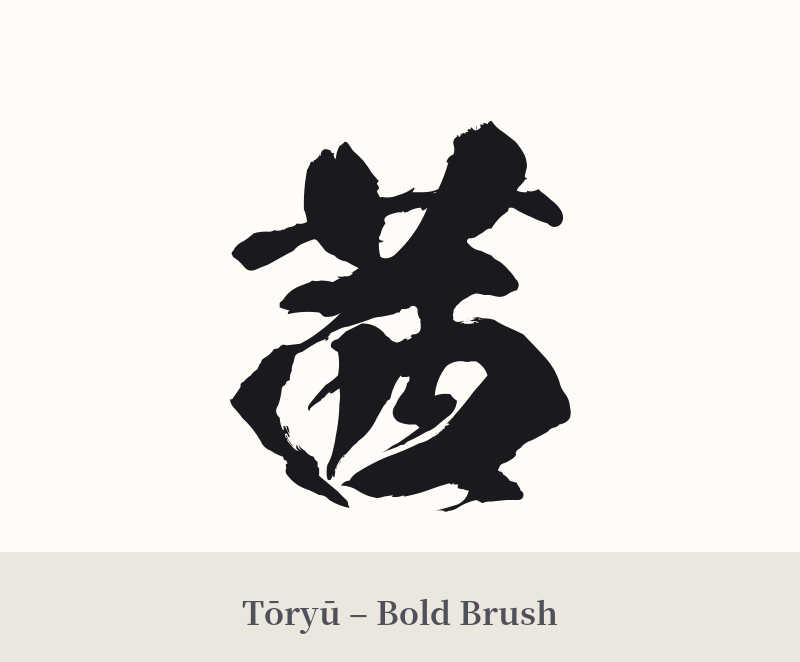
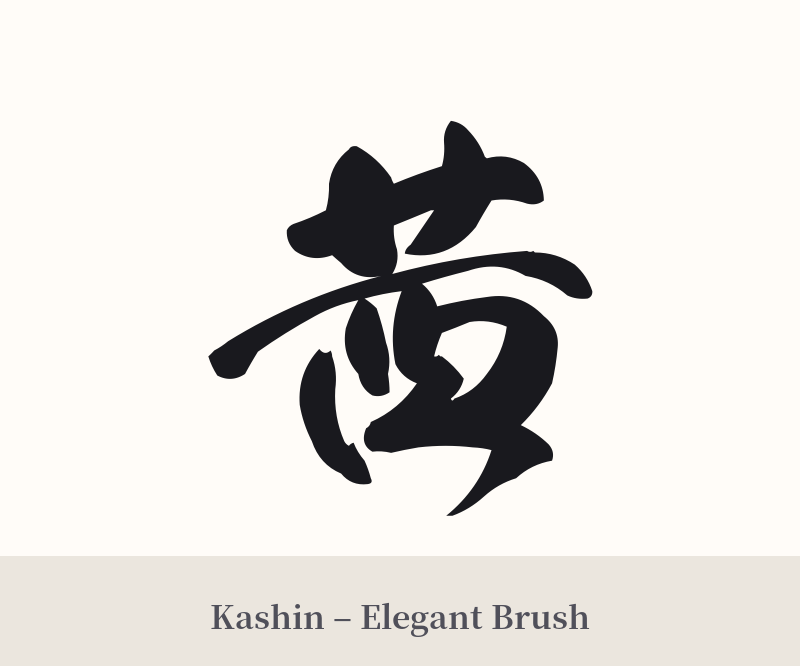
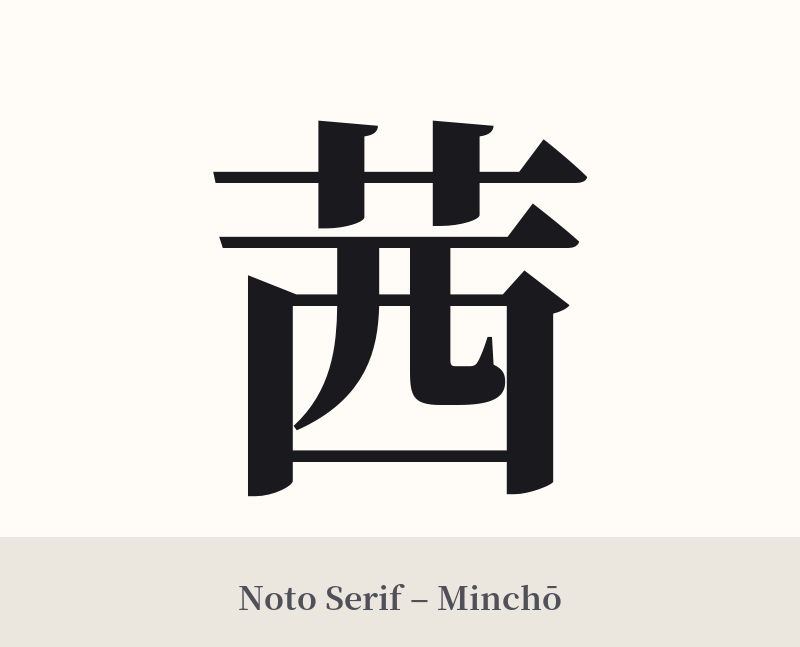
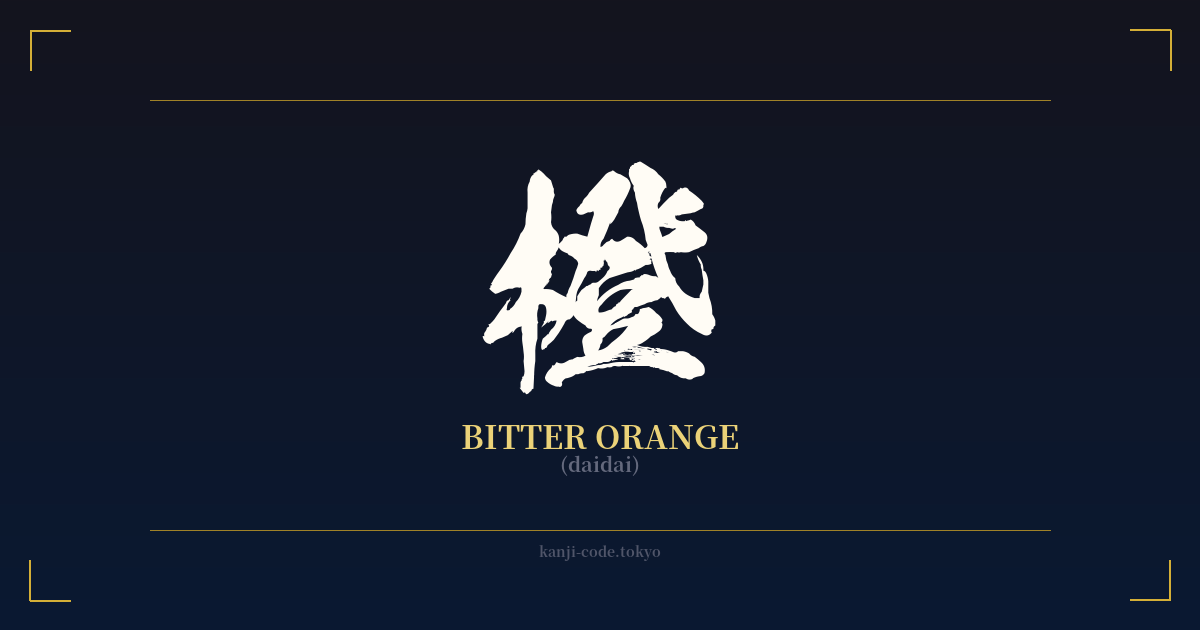
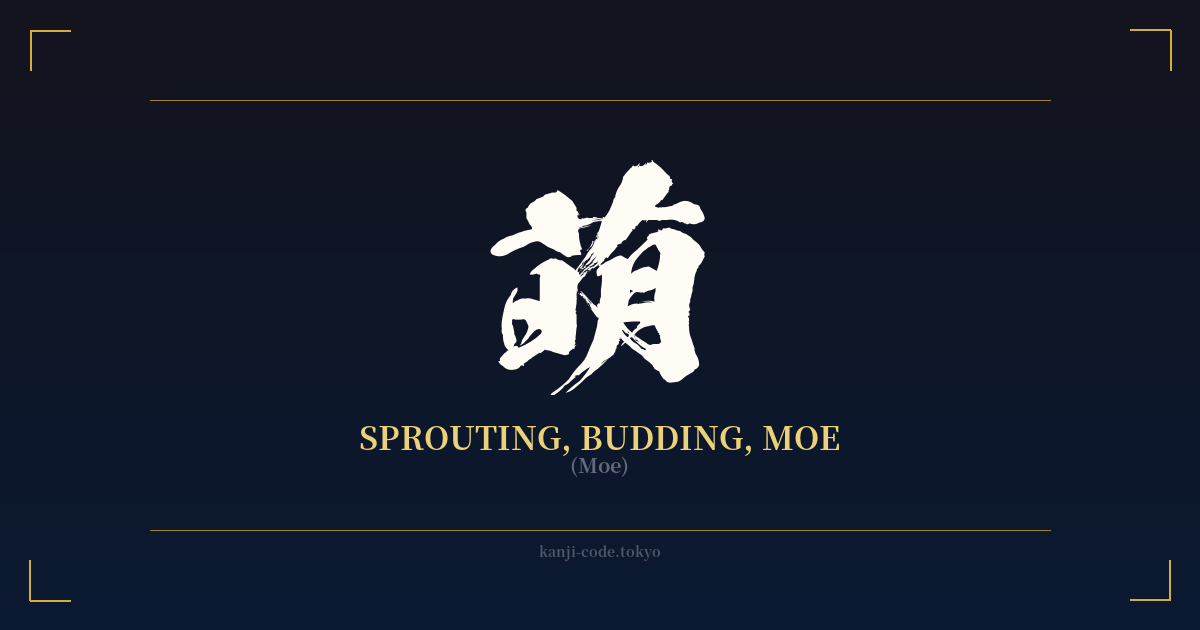
The same kanji can look dramatically different depending on the calligraphy style. Choose a font that matches the mood you want for your tattoo or design.
🎨 Tattoo Suitability
📐 Tattoo Design Guide
The kanji 茜 offers wonderful flexibility for a tattoo design, blending natural elegance with personal meaning.
– Placement: For a small, subtle tattoo, the wrist, ankle, or behind the ear are excellent choices. For a more prominent piece, the forearm, shoulder blade, or calf allows for more detail and integration with other elements.
– Style: A flowing, semi-cursive calligraphy style (gyōsho) would beautifully capture the organic and poetic feel of the character. For a bolder, cleaner look, a standard block script (kaisho) is a classic choice that emphasizes its balanced structure. A highly artistic cursive script (sōsho) can turn the character into an abstract work of art.
– Visuals: Consider incorporating a background of a watercolor wash in crimson and orange tones to represent the sunset sky (akane-zora). You could also have the vines of the madder plant subtly wrapping around the character, or pair it with other natural elements like autumn leaves or a silhouette of a bird against a setting sun.
Comments