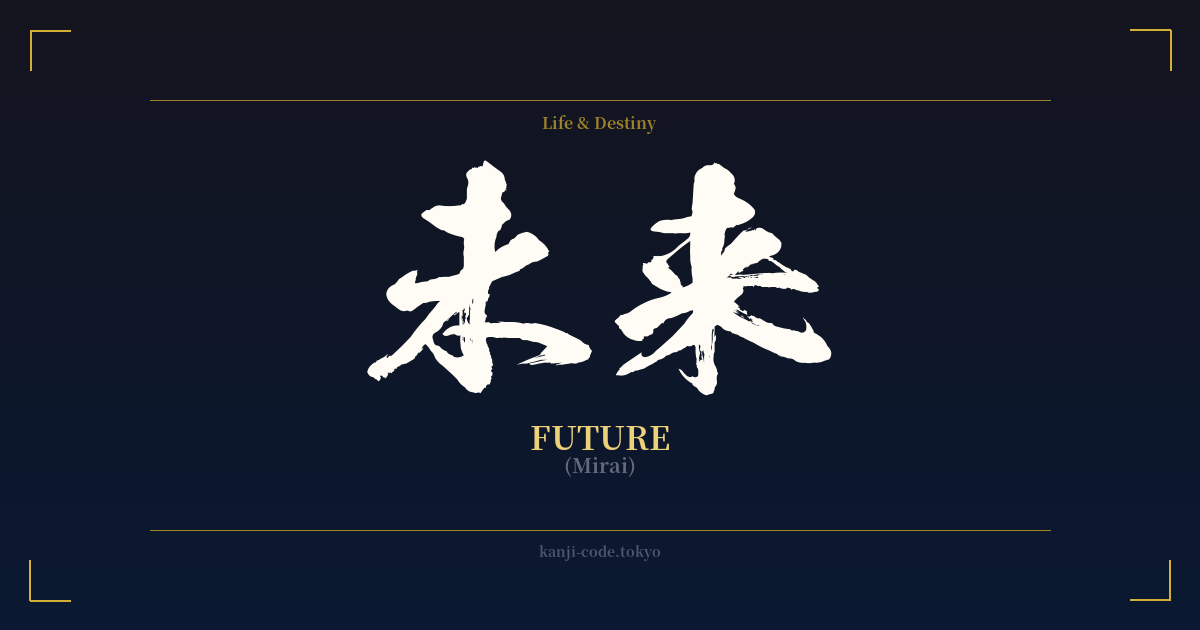
✍️ 未来 (Mirai) — Cultural Context
未来 (Mirai) is the Japanese word for 'future,' but its construction reveals a deeper, more poetic meaning. It is a compound of two kanji: 未 (mi), meaning 'not yet,' and 来 (rai), meaning 'to come' or 'to arrive.' Together, they literally translate to 'the not-yet-come.' This simple yet profound structure encapsulates the essence of the future as something that is still on its way, full of unrealized potential and unknown possibilities.
In Japanese culture, the concept of the future is multifaceted. On one hand, it is a straightforward term used in everyday conversation, from weather forecasts (未来の天気) to discussing one's future plans (未来の計画). It represents a linear progression of time, a concept shared globally. However, influenced by Buddhist thought, the future is also seen as intrinsically linked to the past (過去, kako) and the present (現在, genzai) through the law of cause and effect (因果, inga). Actions taken today directly shape the 'not-yet-come.'
This duality makes 未来 a powerful symbol. It's not just a passive waiting for what's next; it implies an active relationship with time. It is the canvas upon which hopes, dreams, and aspirations are painted. This is why the word features so prominently in Japanese pop culture, from the iconic anime series 'Mirai Nikki' (Future Diary) to countless J-pop songs that sing of hope and striving for a better tomorrow. The name 'Mirai' is also a popular choice for girls in Japan, imbuing a child's life with a sense of promise and potential from birth.
Unlike the similar word 将来 (shōrai), which often refers to a more concrete, near-term future (like one's career path), 未来 has a broader, more philosophical scope. It can refer to the future of an individual, a nation, or even humanity itself. It is the grand, open-ended horizon, carrying with it both the excitement of the unknown and the quiet determination to meet it head-on. This makes it a deeply personal and universally resonant concept.
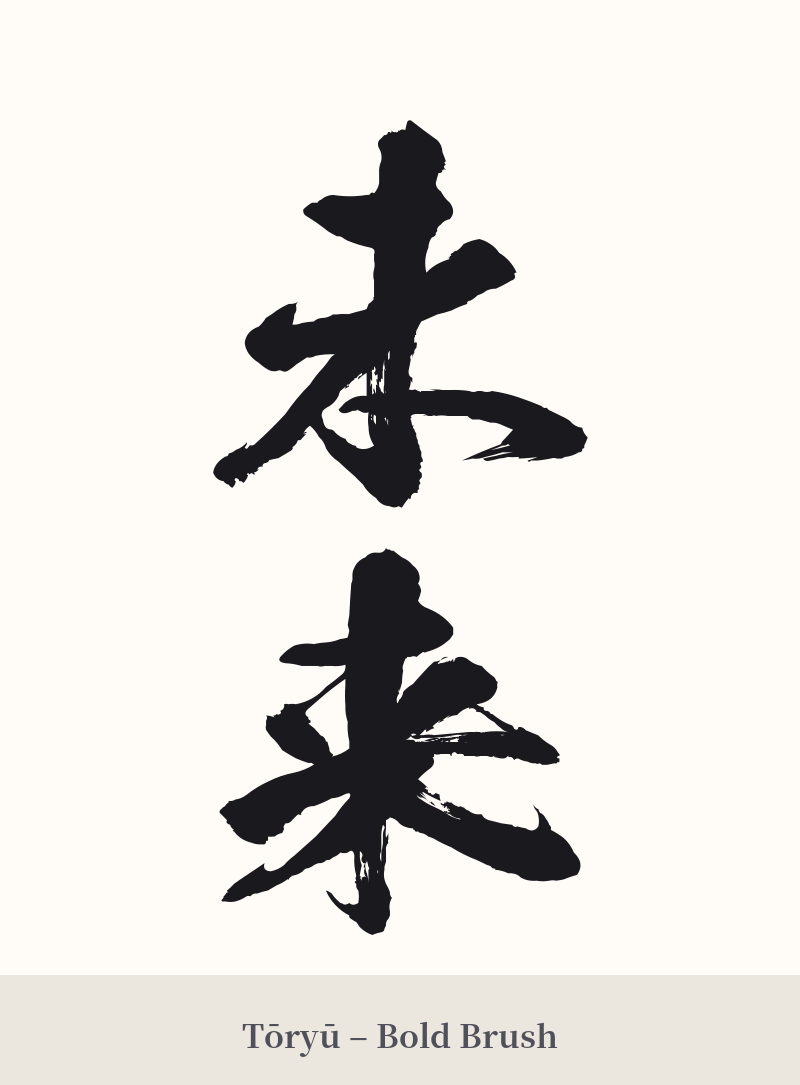
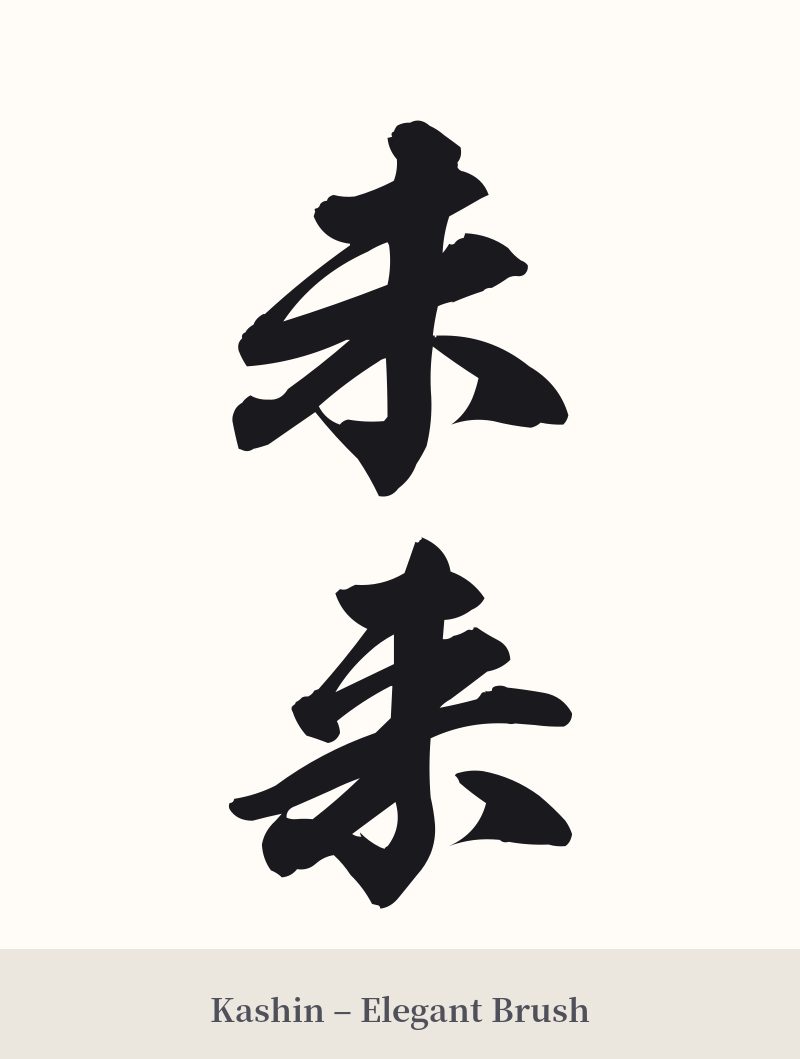
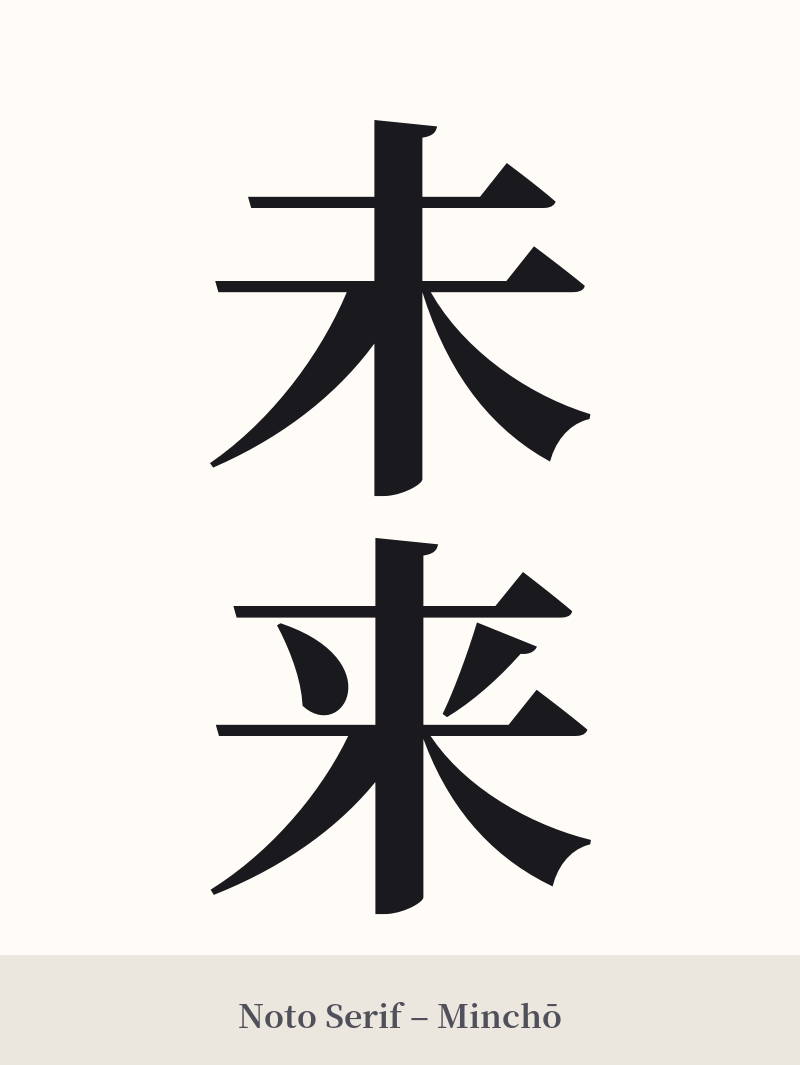
🖌️ Font Styles for 未来
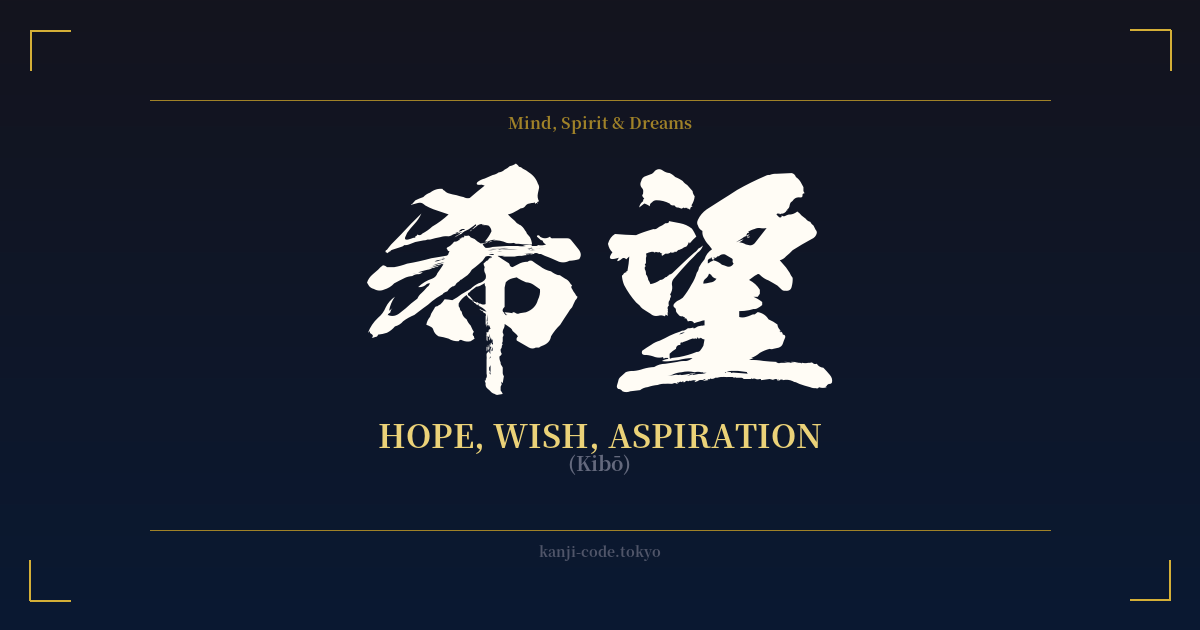
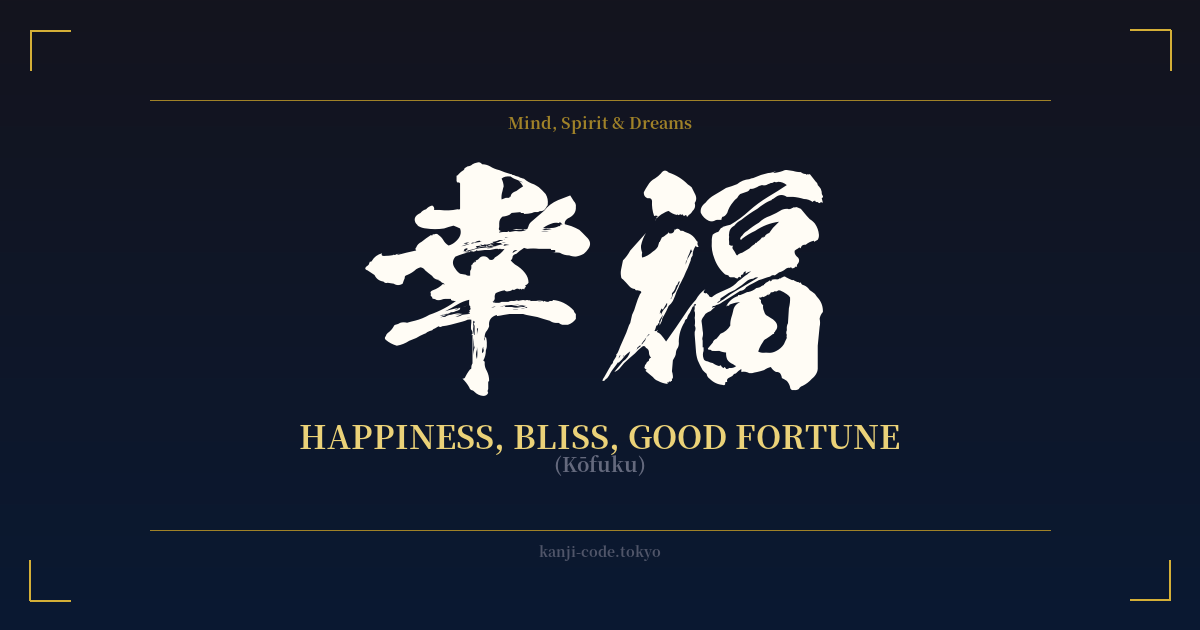
The same kanji can look dramatically different depending on the calligraphy style. Choose a font that matches the mood you want for your tattoo or design.
🎨 Tattoo Suitability
📐 Tattoo Design Guide
The kanji 未来 offers great versatility in tattoo design due to its balanced and clean characters.
– Placement: For a vertical orientation (未来), the forearm, spine, or along the side of the calf are excellent choices that accentuate the flow of the characters. For a horizontal placement, the inner wrist, collarbone, or across the upper back are popular and effective.
– Style: A traditional shodō (calligraphy) brushstroke style can give the tattoo a dynamic, artistic feel, emphasizing the flow of time. For a more modern and crisp look, a clean Mincho (serif) or Gothic (sans-serif) font works very well. The simplicity of the characters allows them to remain legible even at smaller sizes.
– Visuals: Consider integrating 未来 with other symbolic elements. It could be woven into the design of a compass (symbolizing direction), an enso circle (representing the cycle of time and enlightenment), or a blooming cherry blossom (signifying the beautiful but transient nature of moments).
Comments