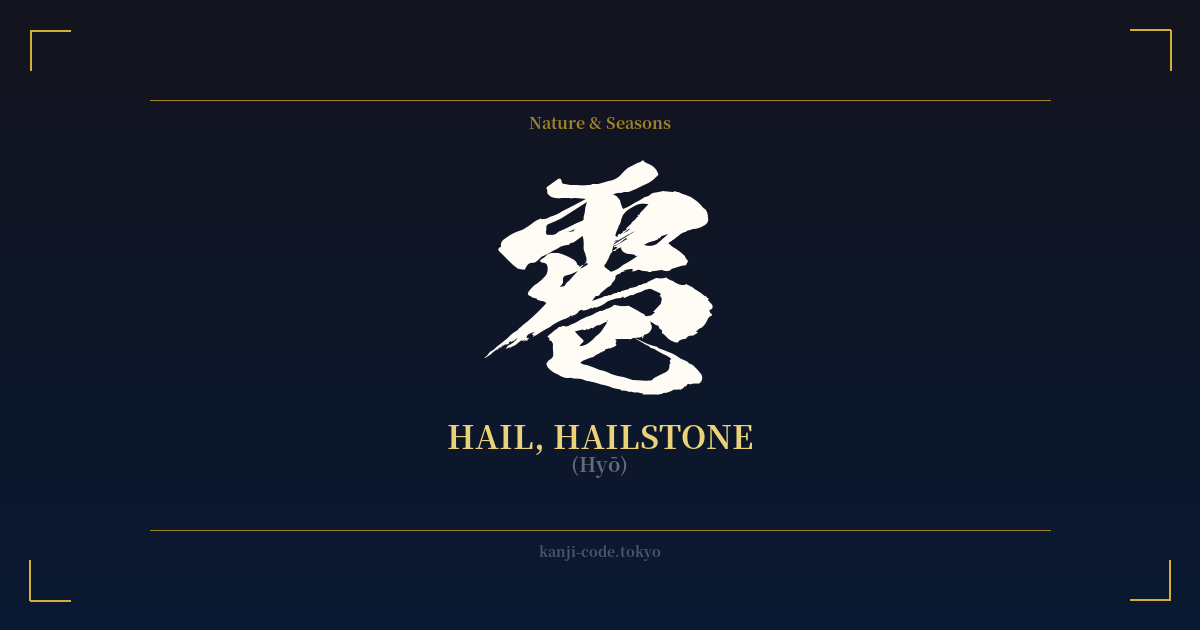
✍️ 雹 (Hyō) — Cultural Context
The kanji 雹 (Hyō) represents 'hail' or 'hailstones' in Japanese. It is a vivid and powerful character that captures a specific and often dramatic weather phenomenon. The character itself is a phono-semantic compound, a common structure in kanji. The top radical, 雨 (ame), means 'rain,' clearly placing the character within the domain of weather. The bottom component, 包 (hō), means 'to wrap' or 'to envelop,' and here it primarily serves to provide the phonetic reading 'hyō.' One can poetically interpret this as 'rain that has been wrapped' into solid balls of ice.
In Japanese culture, hail is viewed much like it is elsewhere: a sudden, intense, and potentially destructive force of nature. Unlike the gentle, melancholic beauty often associated with 雨 (ame, rain) or the serene, transformative quality of 雪 (yuki, snow), hail is almost exclusively seen as violent and disruptive. Its appearance is abrupt and its effects can be damaging, particularly to agriculture. This is reflected in the word 雹害 (hyōgai), which specifically means 'hail damage.'
Because of its dramatic nature, hail features in Japanese literature and poetry, particularly in haiku, as a symbol of suddenness and intensity. A haiku about hail would evoke a sense of sharp, percussive sound and a feeling of being under assault by the elements. It represents a moment of natural chaos, a brief but powerful interruption of the normal state of things. This makes it a stark contrast to the more harmonious aspects of nature celebrated in Japanese art.
From a symbolic perspective, 雹 can represent an unexpected challenge, a sudden burst of anger, or an unbridled force. It is the untamed, unpredictable side of the natural world. While not possessing the deep philosophical roots of concepts like Zen or Bushido, 雹 connects to the Shinto reverence for nature in all its forms—both creative and destructive. A hailstorm, in this context, can be seen as a manifestation of a kami's power, a raw display of energy that commands respect and awe.
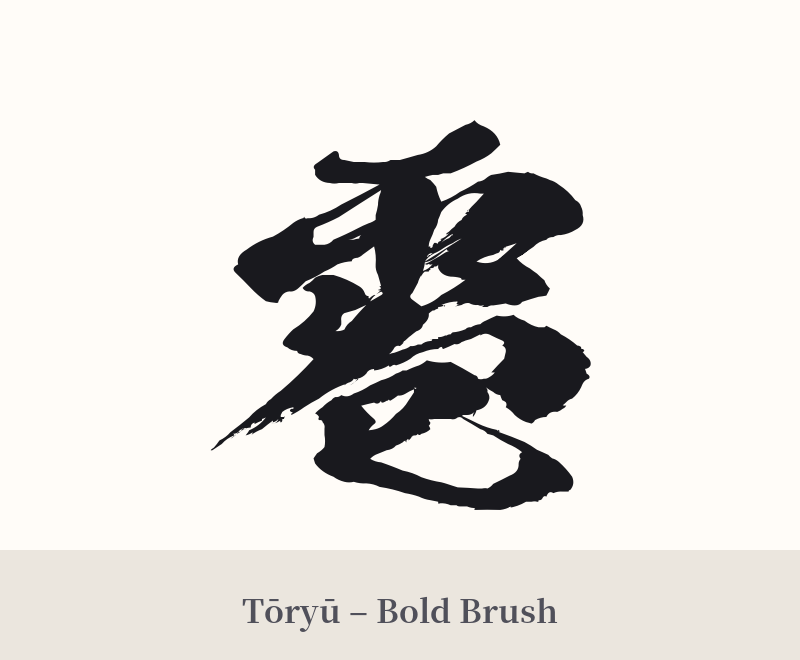
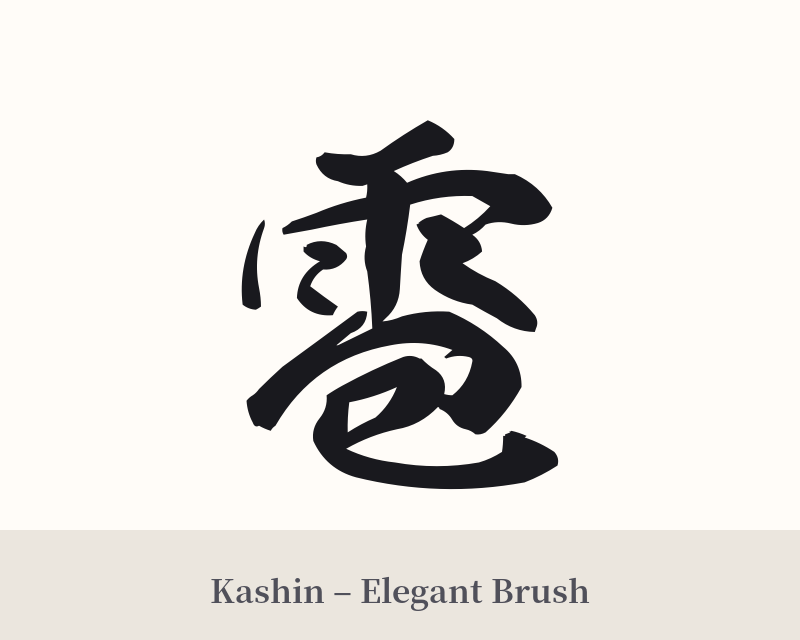
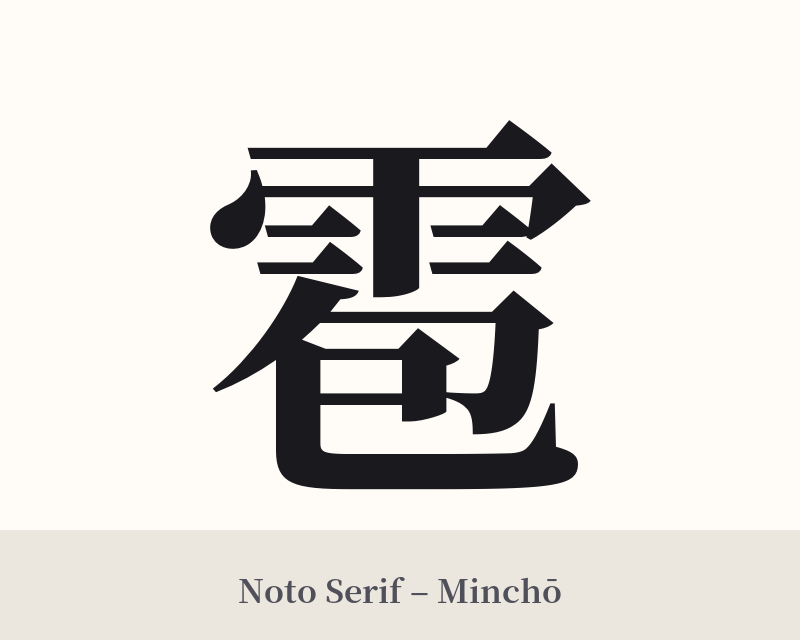
🖌️ Font Styles for 雹
The same kanji can look dramatically different depending on the calligraphy style. Choose a font that matches the mood you want for your tattoo or design.
🎨 Tattoo Suitability
📐 Tattoo Design Guide
The kanji 雹 (Hyō) is visually striking and well-suited for a tattoo that aims to convey raw, natural power. Its balanced structure, with the 雨 (rain) radical on top, makes it aesthetically pleasing.
– Placement: This character works well in vertical alignments. Consider the forearm, the calf, along the spine, or on the ribs. Its self-contained nature also makes it suitable for a standalone piece on the bicep or shoulder blade.
– Style: For a powerful and traditional look, a bold brushstroke style like Kaisho (block script) or Gyosho (semi-cursive script) is highly recommended. The sharp, angular strokes can mimic the hardness and impact of hailstones.
– Visual Elements: To enhance the theme, you could incorporate 雹 into a larger design. Imagine it tattooed in a stark white or light blue ink, set against a background of dark, swirling storm clouds (sumi-e style). You could also depict stylized hailstones falling around the character to make the meaning even more explicit.
Comments