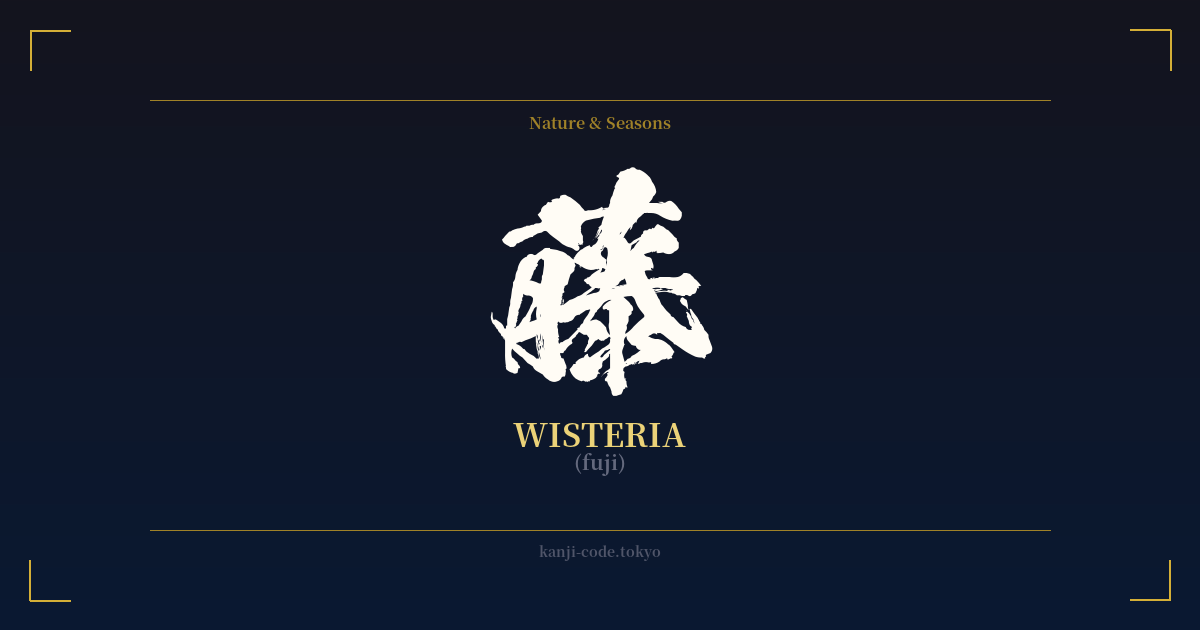
✍️ 藤 (fuji) — Cultural Context
The kanji 藤 (fuji) represents the wisteria, a flower deeply woven into the fabric of Japanese culture, symbolizing longevity, nobility, and delicate beauty. Its image is one of graceful, cascading purple blossoms that herald the arrival of late spring, creating breathtaking tunnels of color in parks and temple grounds across Japan.
The symbolism of longevity and even immortality comes from the wisteria vine itself. These hardy plants are known to live for a very long time, twisting and growing over centuries, their enduring nature a powerful metaphor for a long and prosperous life.
Historically, the most significant association of 藤 is with the Fujiwara clan (藤原氏), one of the most powerful aristocratic families in Japanese history. The name itself translates to "Wisteria Field." From the Heian period (794-1185) onwards, the Fujiwara wielded immense influence, often ruling as regents for the Emperor. For them, the wisteria was not just a name but a symbol of their power, lineage, and divine favor. Their family crest, or 'kamon' (家紋), often featured stylized wisteria blossoms, cementing the flower's status as an emblem of high nobility and refined taste.
This aristocratic connection permeated Japanese arts and literature. Wisteria is a classic seasonal keyword ('kigo') in haiku and waka poetry, evoking feelings of nostalgia, love, and the transient beauty of spring. In the classic novel The Tale of Genji, characters are associated with the flower, and its elegant drooping form is a recurring motif in 'ukiyo-e' woodblock prints, kimono patterns, and lacquerware. Its presence in art signifies not just natural beauty, but a connection to a classical, courtly past.
Today, the love for wisteria continues. Famous locations like the Ashikaga Flower Park, with its 150-year-old great wisteria tree, draw massive crowds. The flower’s gentle yet tenacious character makes the kanji 藤 a choice that is both aesthetically beautiful and rich with centuries of cultural and historical meaning.
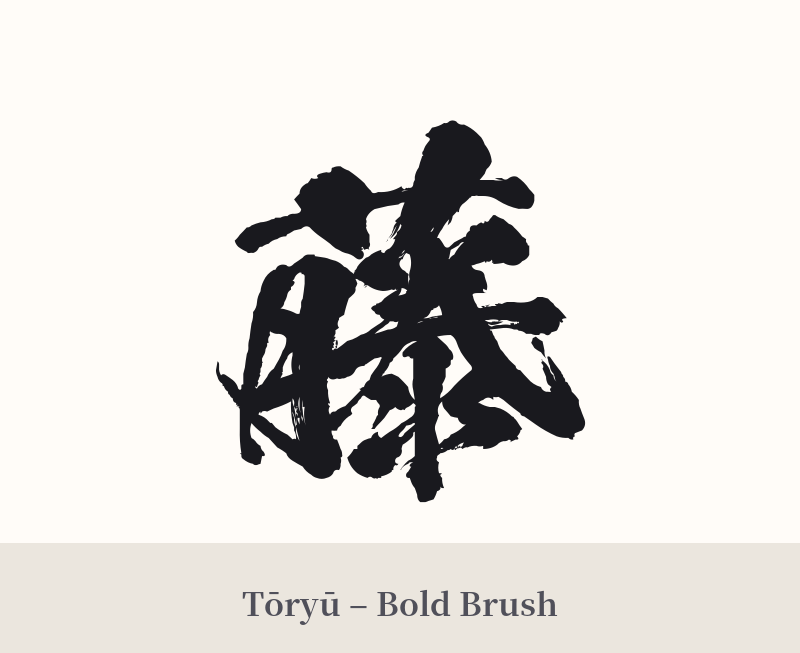
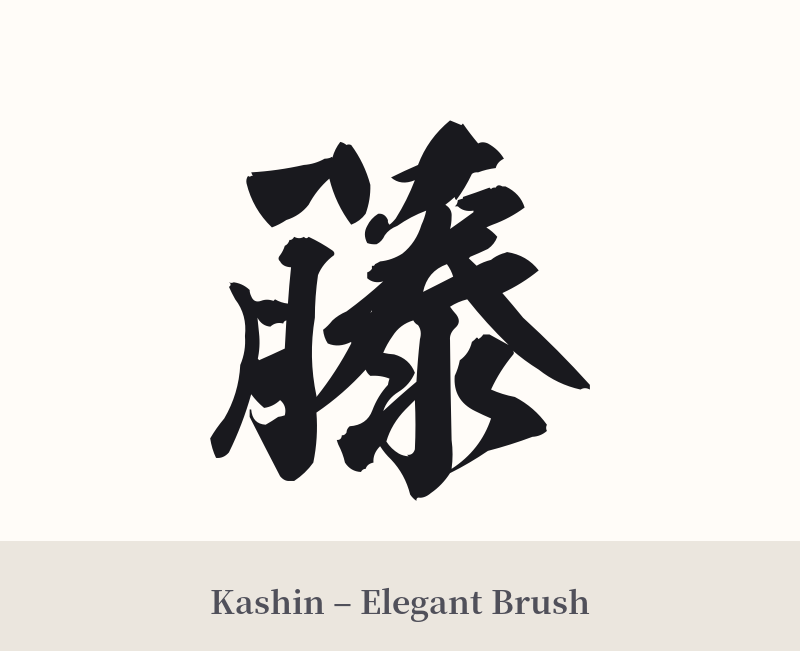
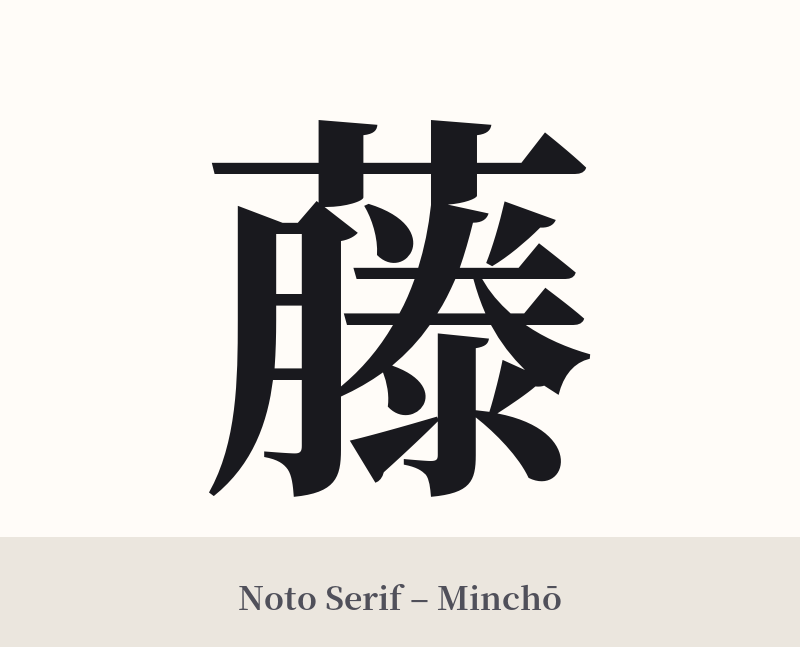
🖌️ Font Styles for 藤
The same kanji can look dramatically different depending on the calligraphy style. Choose a font that matches the mood you want for your tattoo or design.
🎨 Tattoo Suitability
📐 Tattoo Design Guide
The kanji 藤 (fuji) offers wonderful creative possibilities for a tattoo, blending its elegant form with its natural inspiration.
– Placement Suggestions: Because wisteria flowers hang downwards, this kanji works beautifully in vertical placements that echo this movement. The spine, forearm, or calf are excellent choices. It can also serve as a strong centerpiece on the back or chest.
– Recommended Styles: A traditional Japanese style (Irezumi) is a natural fit, allowing the kanji to be integrated with imagery of the actual wisteria vines and flowers. For a more focused design, a bold calligraphy or 'shodō' style captures its artistic and noble heritage. A fine-line, minimalist style can also work, highlighting the character's intricate strokes.
– Visual Tips: Consider having delicate wisteria blossoms and vines cascading down from or wrapping around the kanji character. This not only clarifies the meaning but creates a dynamic and beautiful composition. Using shades of purple, violet, and lavender for the flowers can make the design truly stand out against the black ink of the kanji.
Comments