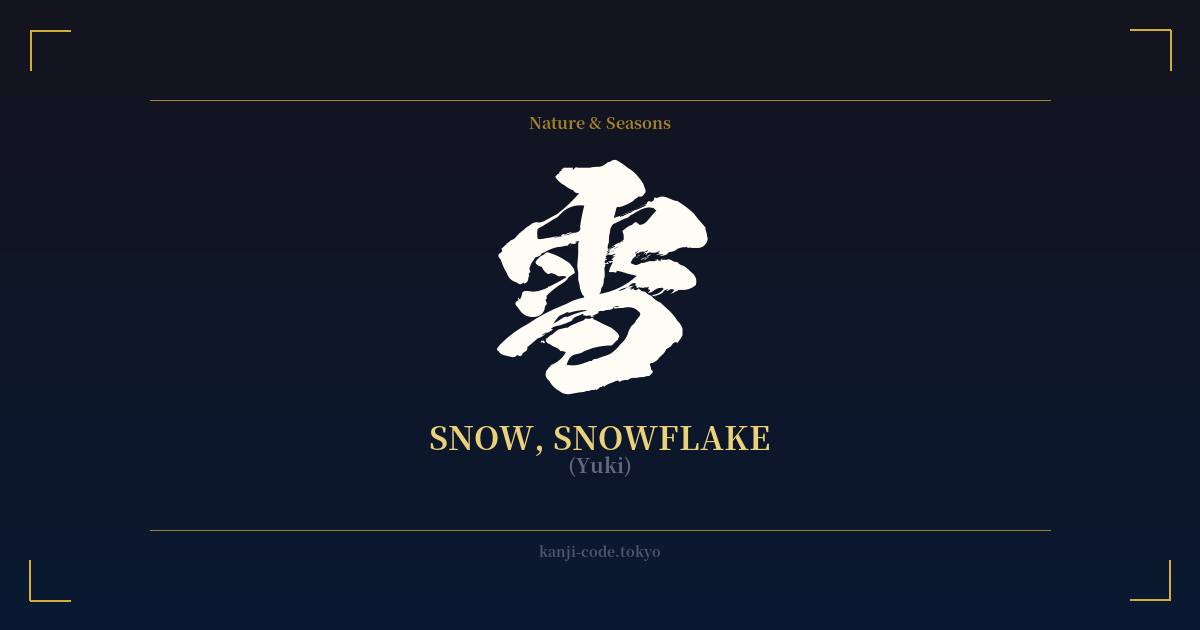
✍️ 雪 (Yuki) — Cultural Context
The kanji 雪 (yuki) is more than just a character for frozen precipitation; it is a cornerstone of Japanese aesthetics, literature, and philosophy. Its very structure tells a story: the top radical 雨 (ame) means 'rain,' while the bottom component is said to represent a hand sweeping, visually evoking the image of delicate flakes falling from the sky.
In Japanese culture, snow carries a profound dual symbolism. On one hand, it represents purity, stillness, and serene beauty. A landscape covered in fresh snow, known as a yukigeshiki (雪景色), is a classic motif in art and poetry, celebrated for its ability to quiet the world and reveal a pristine, unblemished reality. The tradition of yukimi (雪見), or 'snow-viewing,' is a contemplative practice, akin to cherry blossom viewing, where one appreciates the transient beauty of the moment.
This appreciation for snow's beauty is deeply woven into the nation's artistic heritage. Countless haiku poems capture the feeling of a snowy day, and ukiyo-e woodblock prints by masters like Hiroshige and Hokusai often depict scenes of life continuing amidst a heavy snowfall, highlighting both its beauty and its impact on daily existence.
On the other hand, snow also symbolizes hardship, solitude, and the impermanence of life—a concept known as 'mono no aware' (物の哀れ). For centuries, heavy snow in regions like northern Japan, the 'yukiguni' (雪国) or 'snow country,' meant isolation and a struggle for survival. This darker side is personified in folklore by the Yuki-onna (雪女), the 'Snow Woman.' She is a yōkai (spirit) of breathtaking beauty who appears during snowstorms, often luring travelers to their doom, embodying the lethal and alluring nature of a blizzard.
This duality makes 雪 a powerful symbol. It is not just a weather phenomenon but a representation of life itself: beautiful yet fleeting, peaceful yet capable of bringing great challenge. It reminds us of nature's power to both create and destroy, and to find beauty in every season of life, even the coldest ones.
🖌️ Font Styles for 雪
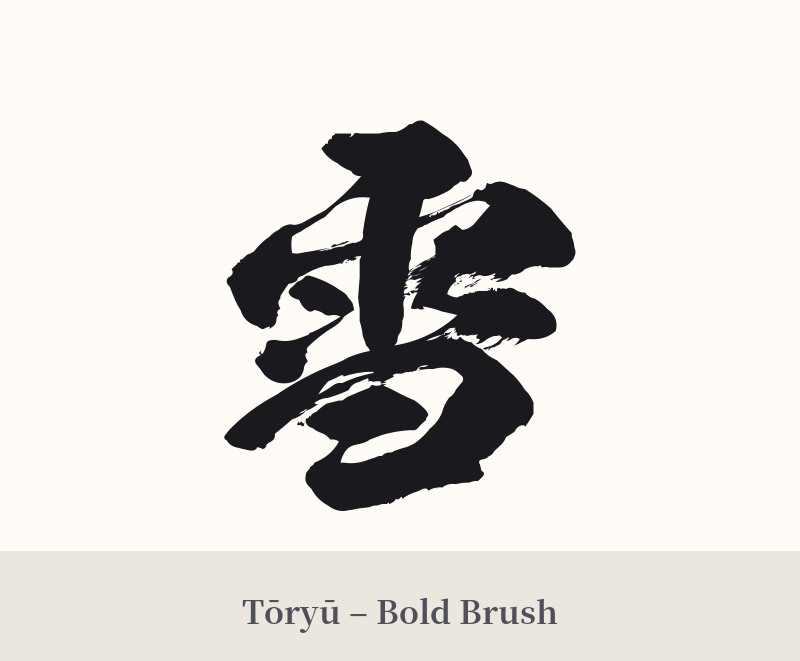
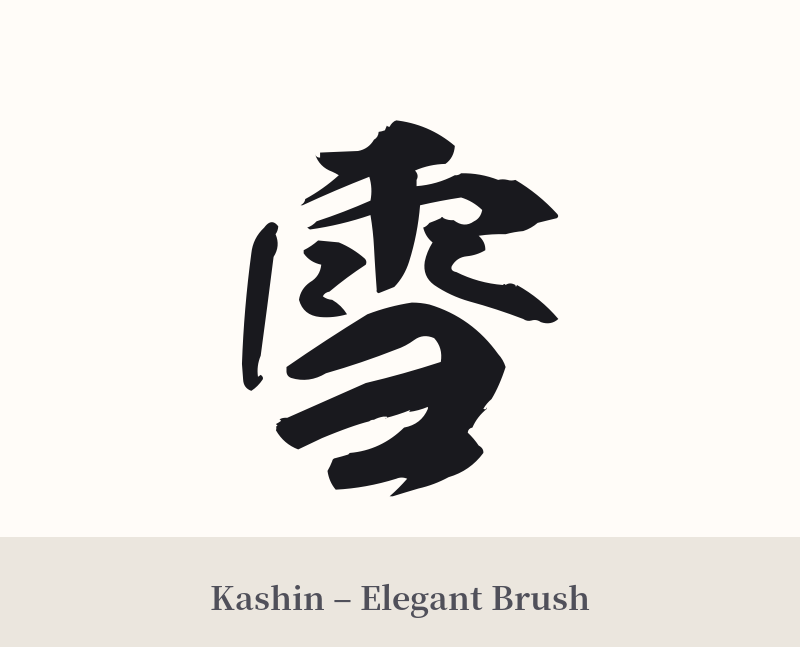
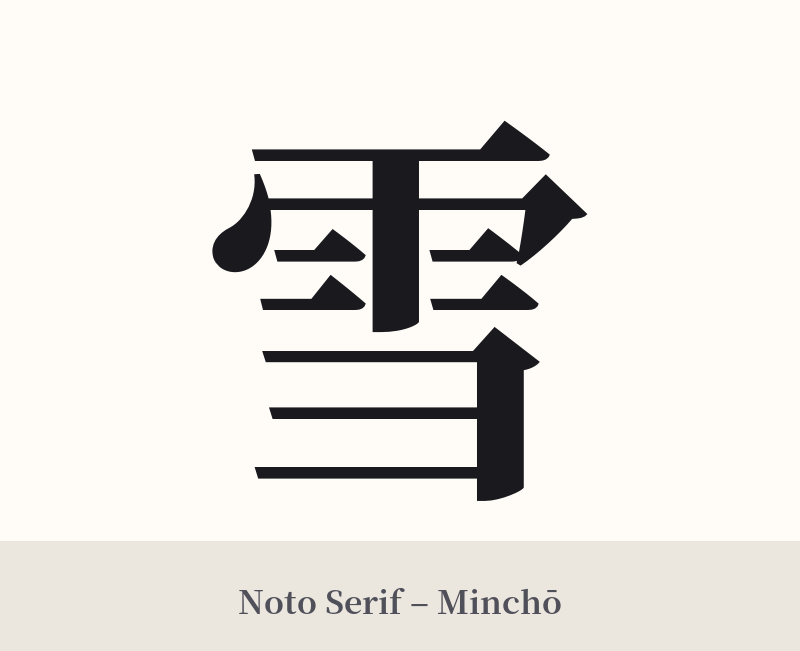
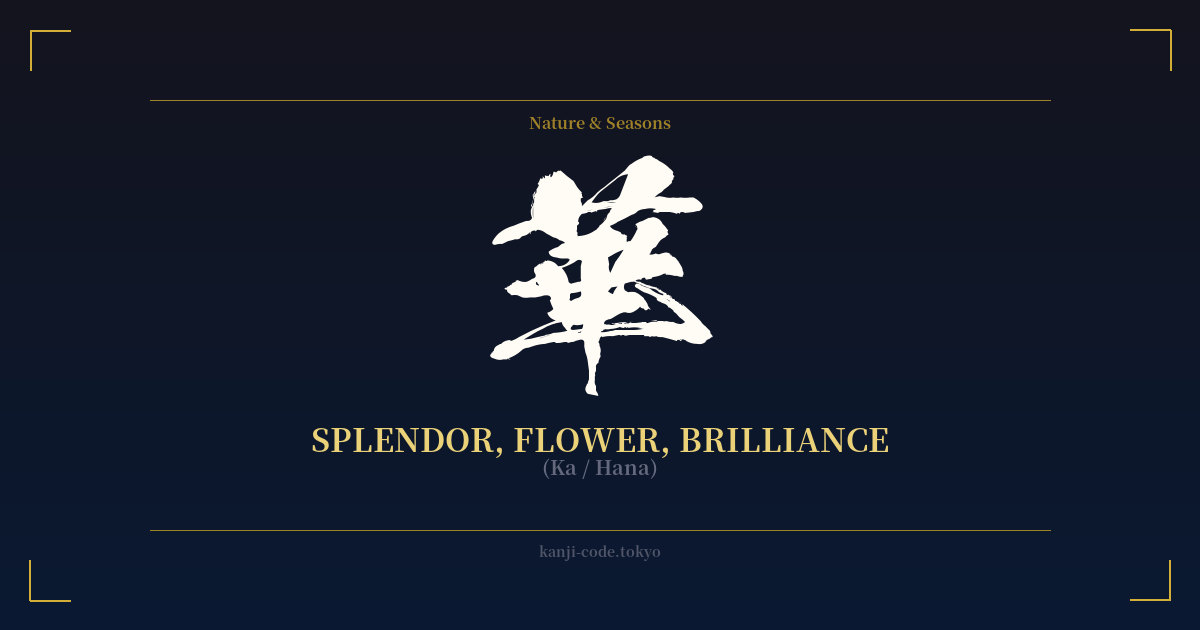
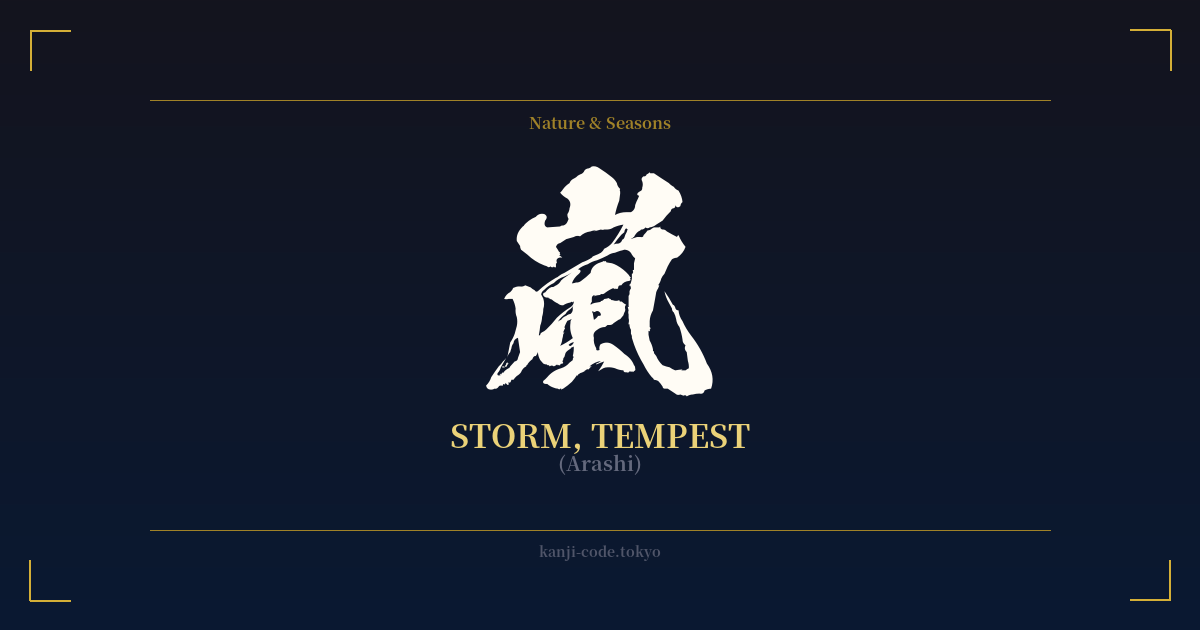
The same kanji can look dramatically different depending on the calligraphy style. Choose a font that matches the mood you want for your tattoo or design.
🎨 Tattoo Suitability
📐 Tattoo Design Guide
The kanji 雪 (yuki) offers wonderful versatility for a tattoo design, suiting both minimalist and elaborate concepts.
– Placement Suggestions: For a single, elegant character, consider placements like the back of the neck, the inner wrist, or the ankle. For a larger piece, it works beautifully on the forearm, calf, or along the shoulder blade, where its form can be appreciated.
– Recommended Styles: – Gyōsho (semi-cursive): This style lends a fluid, natural movement to the character, echoing the gentle fall of a snowflake. – Mincho (serif): A clean, crisp Mincho font gives the kanji a timeless and classic feel, emphasizing its structural beauty. – Brushstroke/Sumi-e style: A design that mimics a real ink brushstroke can add a dynamic and artistic flair, connecting the tattoo to traditional calligraphy.
– Visual Tips: Consider integrating the kanji with other elements. It can be the centerpiece of a winter scene with bare branches, paired with a crane to symbolize longevity through hardship, or have subtle watercolor splashes of blue or grey in the background to evoke a cold, wintry sky. A popular and poignant design is to have the kanji itself appear to be dissolving into tiny snowflakes at one edge.
Comments