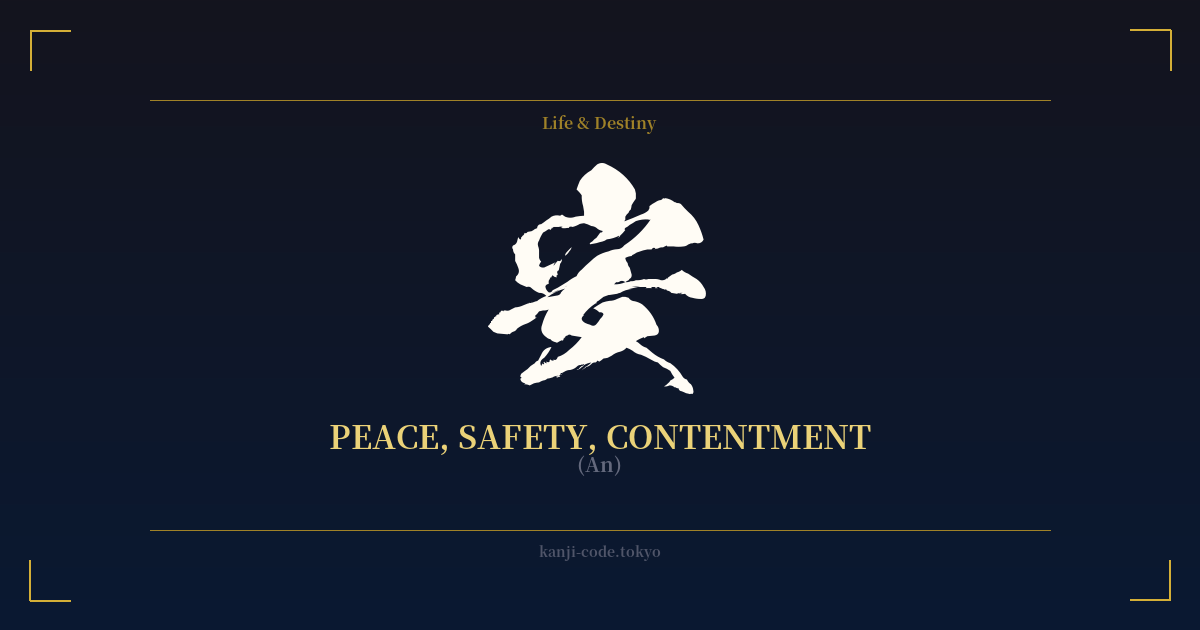
✍️ 安 (An) — Cultural Context
The kanji 安 (An) is one of the most fundamental and cherished characters in the Japanese language, embodying a deep-seated human desire for peace, safety, and contentment. Its elegant simplicity belies a wealth of cultural and historical significance that resonates through Japan's art, philosophy, and daily life.
The character's origin provides a beautiful and intuitive glimpse into its meaning. It is a pictograph composed of two radicals: a roof (宀) over a woman (女). This imagery evokes a powerful sense of security and domestic tranquility—a woman safe and at ease within her home. This ancient symbol for well-being forms the bedrock of its modern interpretations.
In Japanese philosophy, particularly within Zen Buddhism and Shintoism, 安 is a cornerstone of spiritual wellness. The term 安心 (anshin), which translates to 'peace of mind' or 'relief,' is a state of being that is actively sought. It represents a heart at ease, free from worry and anxiety. This is not a passive state but an active cultivation of inner calm and stability, regardless of external circumstances. Achieving 'anshin' is to find a sanctuary within oneself.
Historically, the character is famously part of the name for the Heian period (平安時代, Heian Jidai), which lasted from 794 to 1185. The name translates to the 'Age of Peace and Tranquility.' This era, centered in the imperial court of Heian-kyō (modern-day Kyoto), is considered a golden age of Japanese culture, known for its refined arts, literature, and courtly life. The use of 安 in its name underscores the ideal of a stable, peaceful society as the highest aspiration.
In contemporary Japan, 安 is ubiquitous. You'll find it in words like 安全 (anzen), meaning 'safety,' a concept paramount in Japanese society, from public transportation to product design. Conversely, its absence is marked by the word 不安 (fu'an), meaning 'anxiety' or 'unease' (literally 'not-peace'), highlighting how central the concept of 'An' is to emotional well-being. It is a simple yet profound character that captures a universal longing for a calm and secure existence.
🖌️ Font Styles for 安
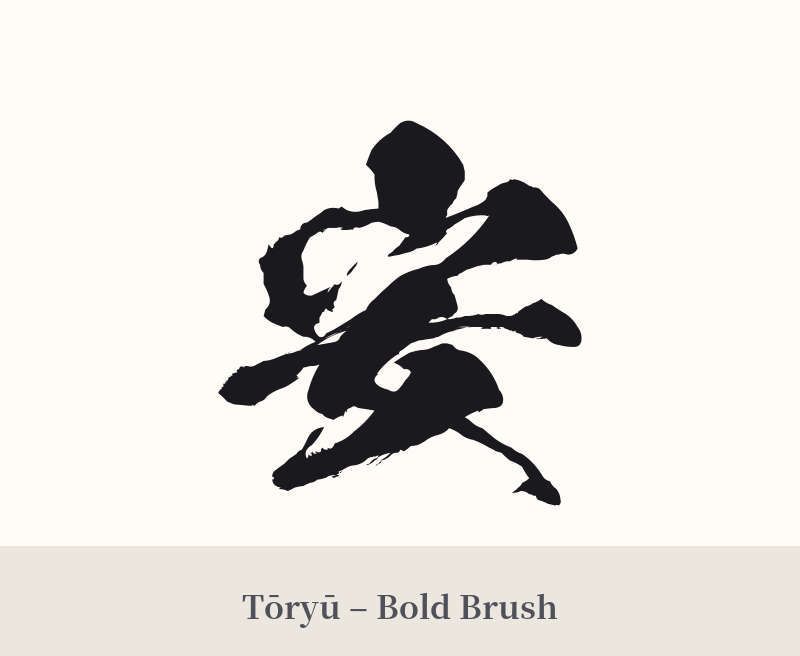
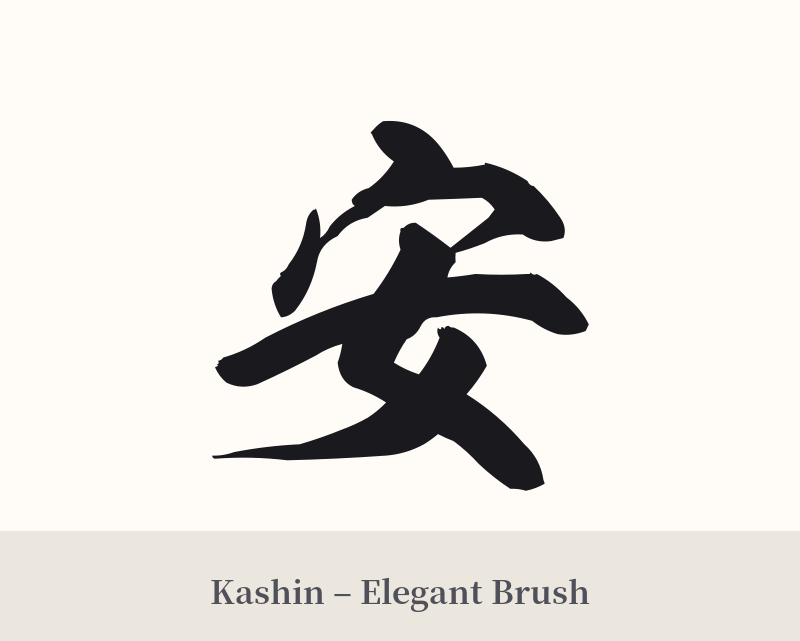
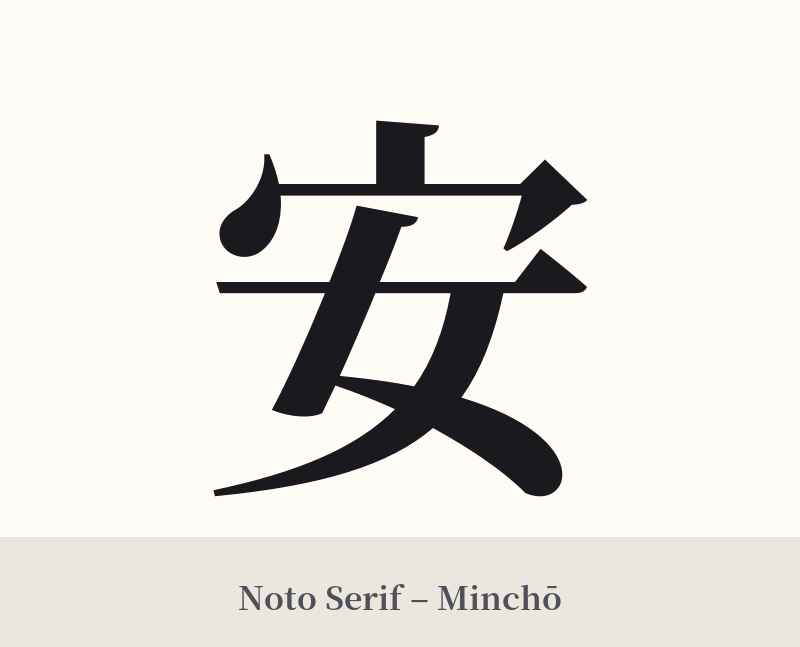
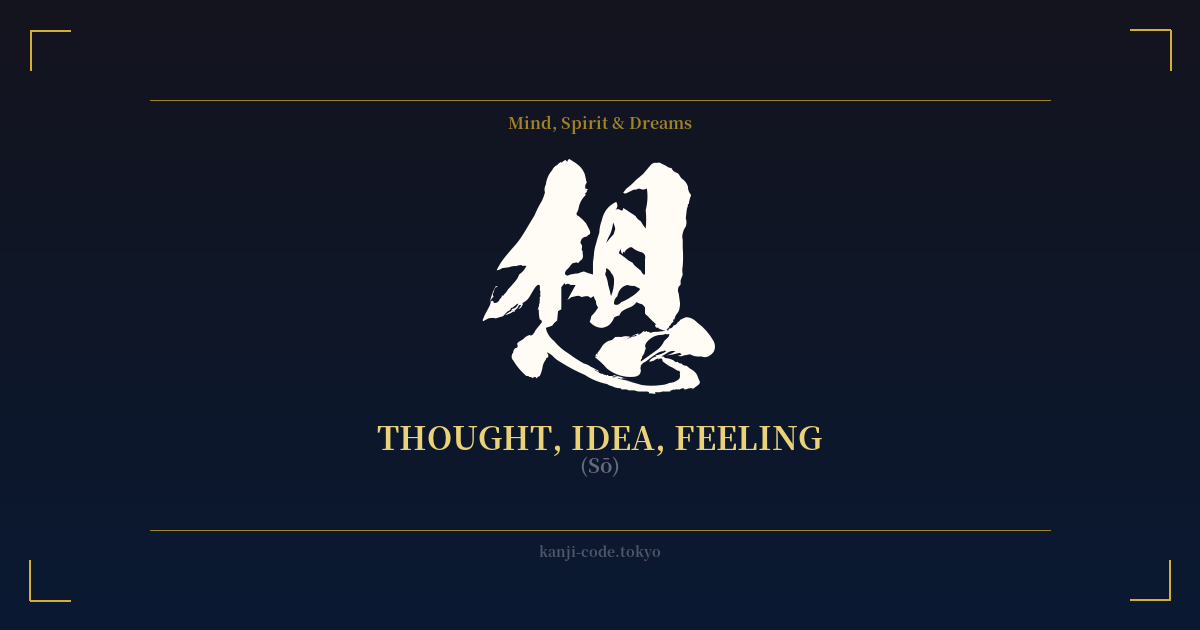
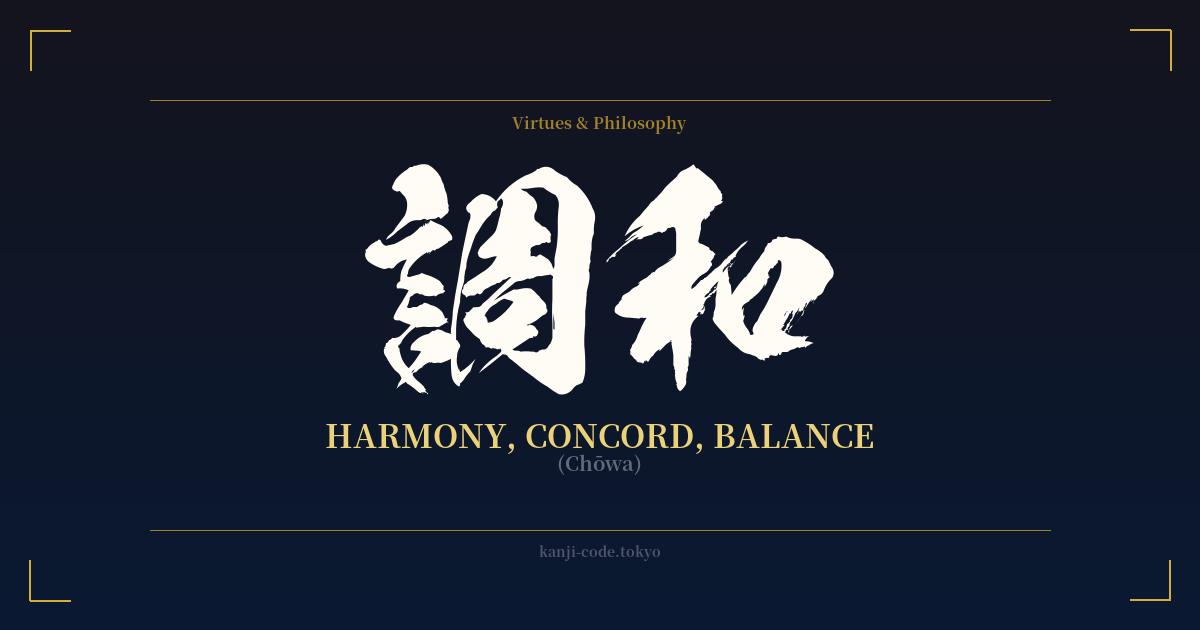
The same kanji can look dramatically different depending on the calligraphy style. Choose a font that matches the mood you want for your tattoo or design.
🎨 Tattoo Suitability
📐 Tattoo Design Guide
The kanji 安 offers wonderful versatility for a tattoo due to its simple and balanced form. Its clean lines work well in a variety of styles and placements.
– Placement: For a personal reminder of inner peace, consider subtle spots like the wrist, behind the ear, or on the ankle. For a more prominent declaration, the forearm, back of the neck, or across the chest near the heart are excellent choices that align with the character's meaning of core stability.
– Font Style: The choice of script can dramatically alter the feel of the tattoo. A bold, crisp Kaisho (block script) emphasizes the kanji's stability and sense of security. For a softer, more fluid feel, a Gyosho (semi-cursive) or Sosho (cursive) script can evoke a sense of gentle, flowing tranquility.
– Visual Tips: While 安 is powerful on its own, it can be beautifully integrated with other imagery. Pairing it with a lotus flower can symbolize peace rising from hardship. Placing it inside an Enso circle (a Zen symbol of enlightenment and the universe) reinforces its connection to inner completeness. Gentle elements like water, wind bars, or a single cherry blossom can also complement its serene nature.
Comments