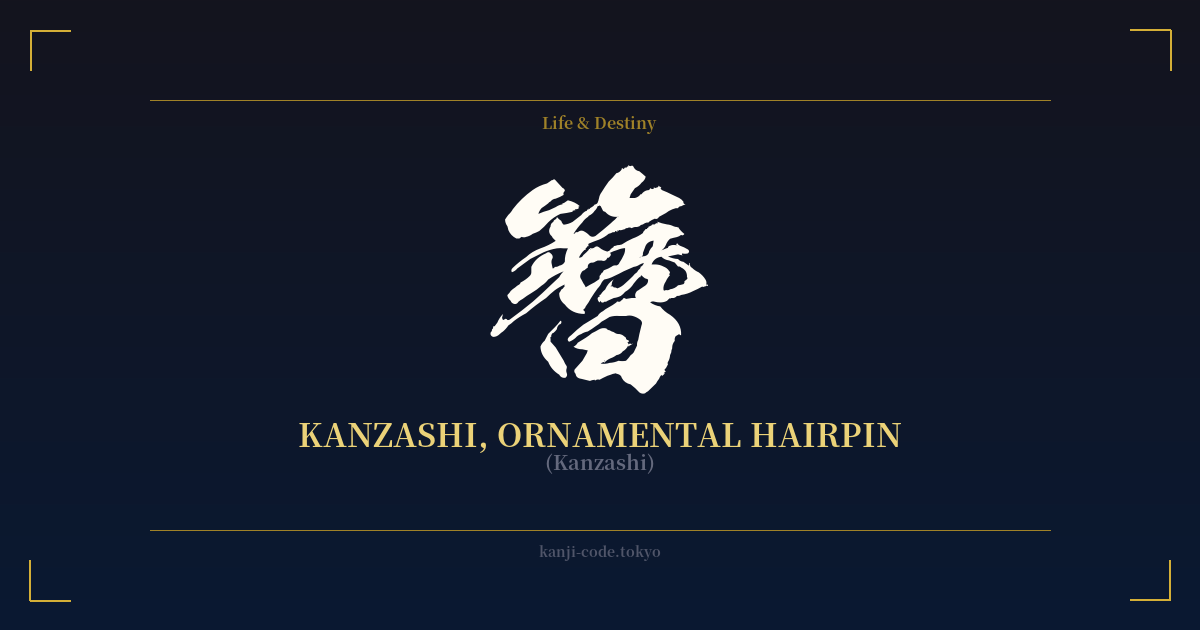
✍️ 簪 (Kanzashi) — Cultural Context
The single character 簪 (kanzashi) represents more than just a simple hairpin; it is a symbol of Japanese history, artistry, and femininity. These ornamental hairpins have been a part of Japanese fashion for thousands of years, with their earliest forms dating back to the prehistoric Jōmon period. In those times, single thin rods were believed to possess mystical powers to ward off evil spirits and were worn in the hair for protection.
During the Heian period (794-1185), as Japanese women abandoned the Chinese style of wearing their hair up and instead favored long, straight hair, the use of kanzashi declined. However, they saw a dramatic resurgence in the Edo period (1603-1868) when hairstyles became elaborate and complex again. Kanzashi evolved from simple sticks into intricate works of art, reflecting a woman's wealth, social status, and even her marital status.
A sophisticated language developed around kanzashi. The materials used—such as lacquered wood, silver, tortoiseshell, and silk—and the style of the ornament could communicate a great deal about the wearer. Geisha and their apprentices, maiko, are particularly famous for their use of elaborate seasonal kanzashi. The specific flowers and motifs of a maiko's hair ornaments change month by month, signaling the time of year and her level of training.
Beyond their decorative function, some kanzashi were designed with sharpened tips and could be used as a discreet weapon for self-defense, adding a layer of hidden strength to their delicate appearance. This duality makes the kanji particularly compelling, embodying both grace and resilience.
Today, kanzashi are most commonly seen worn with kimono during special occasions like weddings, tea ceremonies, and traditional festivals. They remain a cherished art form, with artisans continuing to create both traditional and modern designs. The kanji 簪 itself captures this entire world of beauty, tradition, and nuanced social expression in a single, complex character.
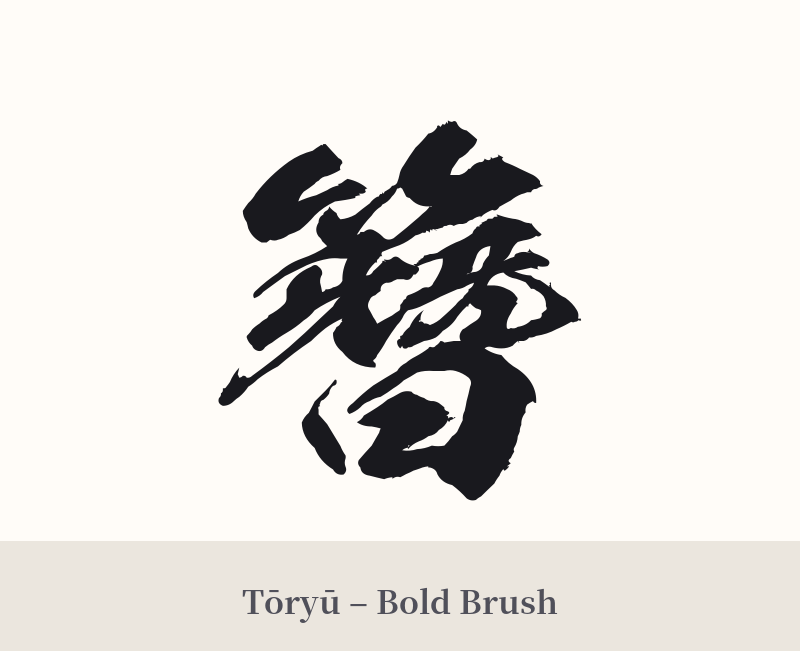
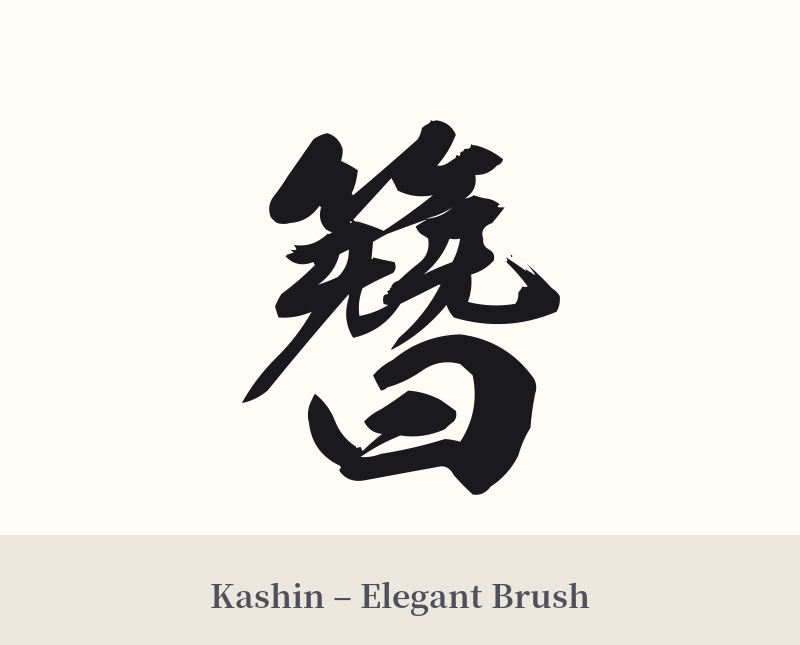
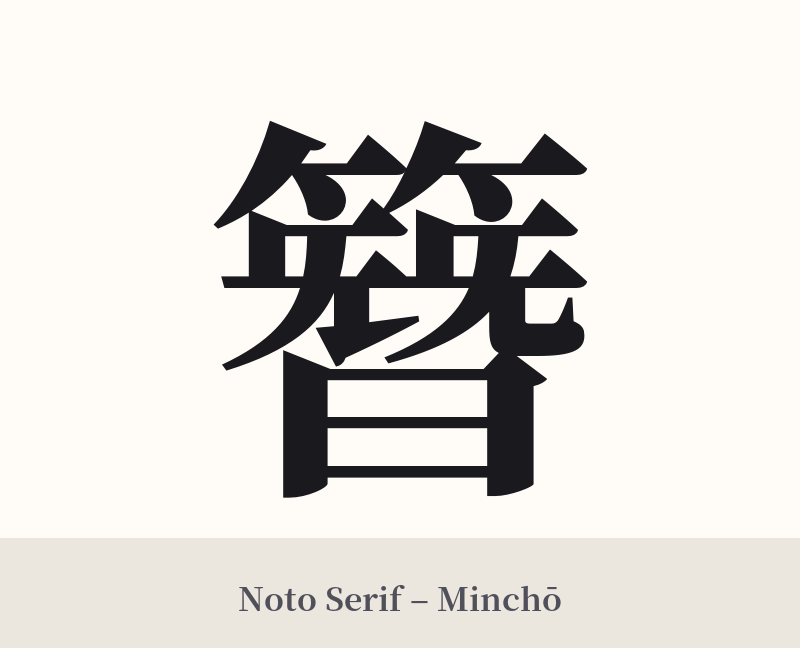
🖌️ Font Styles for 簪
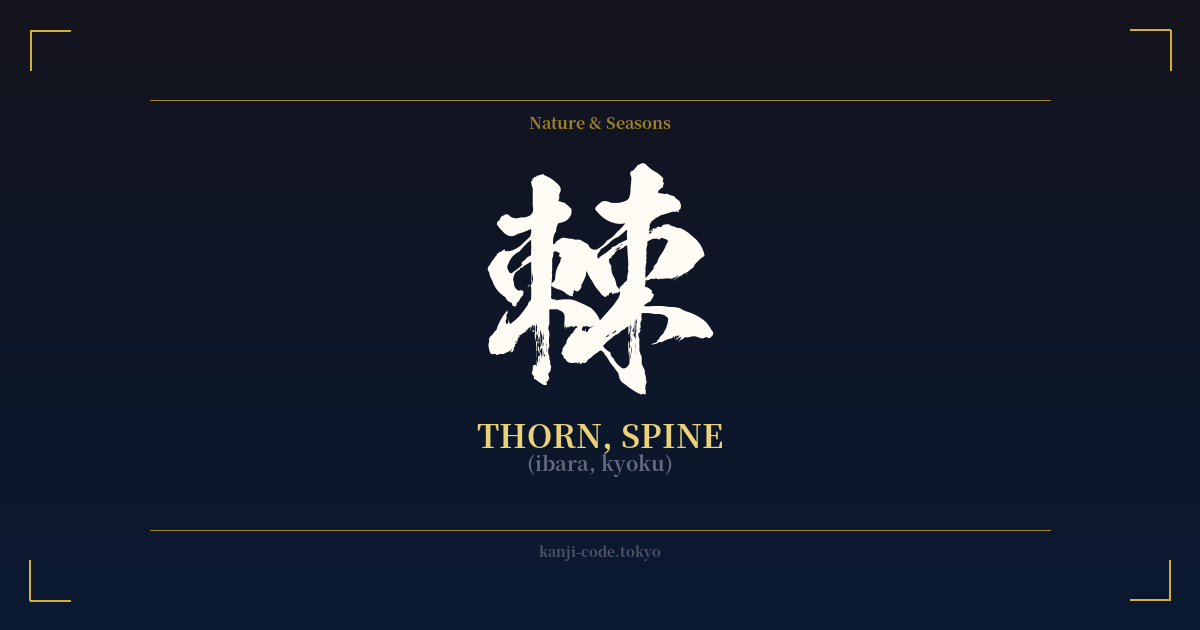
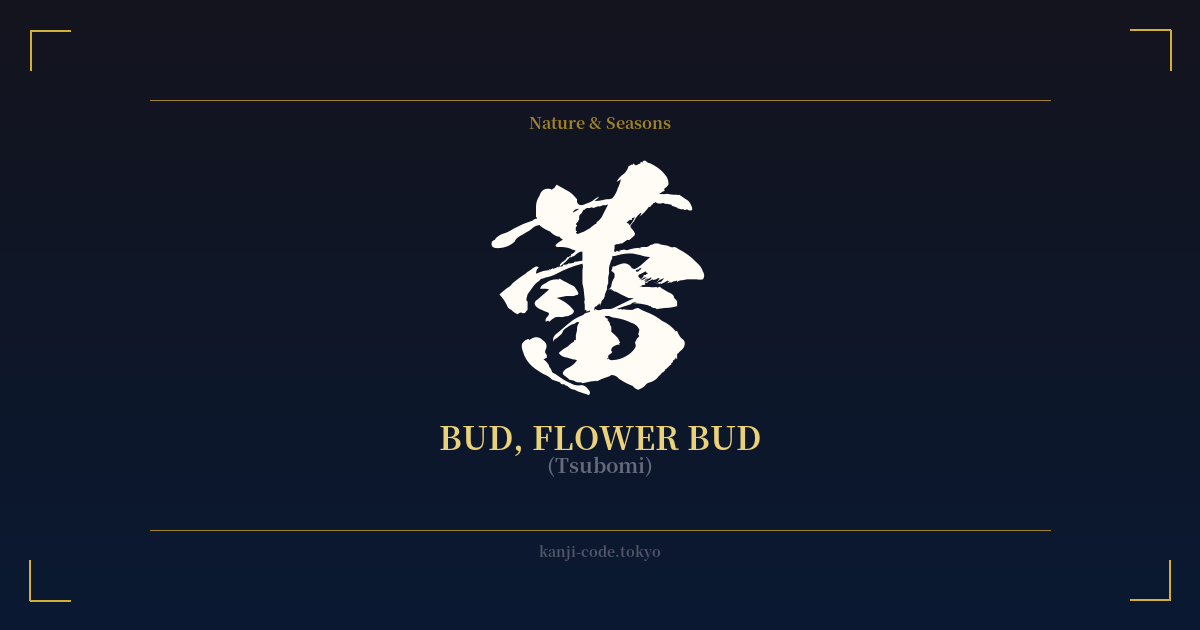
The same kanji can look dramatically different depending on the calligraphy style. Choose a font that matches the mood you want for your tattoo or design.
🎨 Tattoo Suitability
📐 Tattoo Design Guide
Due to the extreme complexity of 簪, any tattoo design must prioritize clarity and size above all else.
– Placement: Choose a large, flat area of the body that can accommodate a vertically oriented design. The forearm, the calf, or along the spine are good options. Avoid smaller, more curved areas like the wrist or ankle, as the design will warp and become illegible.
– Font Style: A crisp, clean block script (Kaisho) is non-negotiable. Do not use cursive (Sosho) or overly stylized fonts, as they will render the 20 strokes into an unreadable smudge. The goal is precision.
– Visual Tips: To provide context and enhance the meaning, consider tattooing an illustration of a beautiful kanzashi hairpin next to the character. You could also frame the kanji with subtle elements like cherry blossom petals or a gently flowing stream to soften its density and evoke a sense of Japanese aesthetics (Wabi-sabi).
Comments