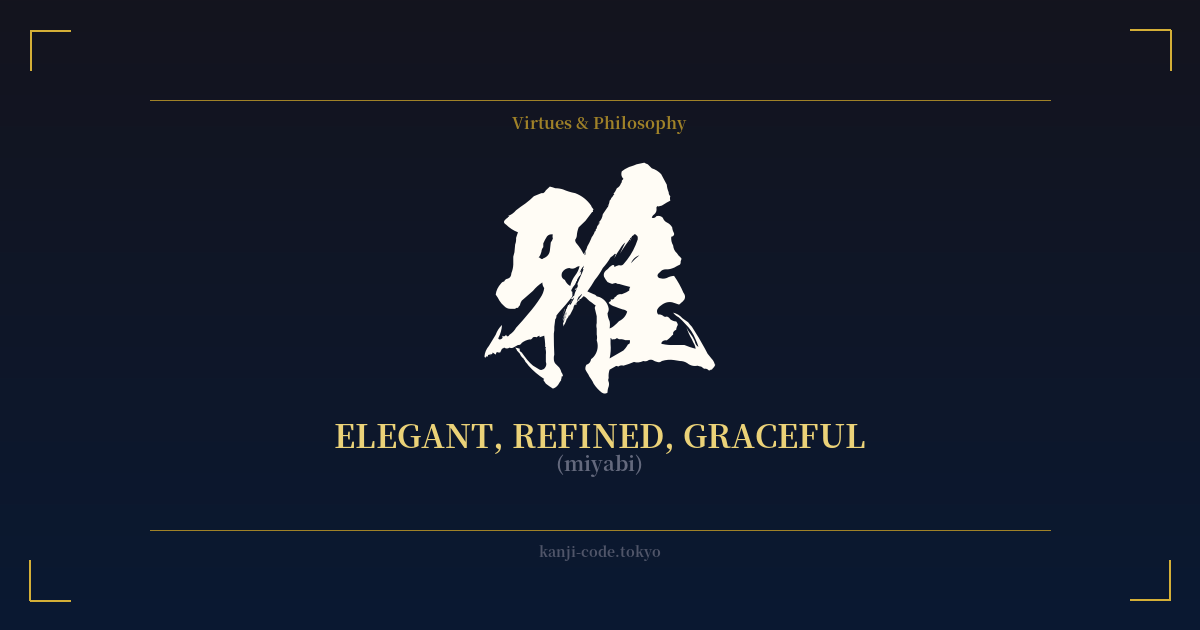
✍️ 雅 (miyabi) — Cultural Context
The kanji 雅, read as 'miyabi,' is far more than a simple translation of 'elegance' or 'grace.' It is a cornerstone of Japanese aesthetics, a complete worldview born from the rarefied air of the Heian period court (794–1185). To understand miyabi is to step into the world of Murasaki Shikibu's 'The Tale of Genji,' a world of silk robes, subtle poetry, and intricate social codes.
Miyabi represents a specific type of beauty: courtly, refined, and polished. Its core principle is the elimination of anything vulgar, crude, or overtly rustic. It is the opposite of the raw and untamed. This aesthetic ideal governed every aspect of an aristocrat's life, from their handwriting and the blending of their personal incense to the way they composed a 5-7-5-7-7 syllable 'waka' poem.
This concept stands in contrast to other famous Japanese aesthetics. Where 'wabi-sabi' (侘寂) finds profound beauty in imperfection and impermanence, 'miyabi' seeks a state of polished perfection. It is the beauty of a meticulously arranged garden, not a wild forest. It is the grace of a court dancer, not the raw power of a samurai warrior. The Heian courtiers who championed miyabi sought to create a world insulated from the harsh realities of life, a haven of sophistication and artistic sensitivity.
The character 雅 itself has roots that suggest this refinement. It is composed of 牙 (fang, tusk) and 隹 (a type of small bird). One interpretation suggests the 'tusk' part originally depicted a crow, so the character showed a correctly cawing bird, symbolizing 'correctness' or 'properness,' which evolved into elegance.
Over the centuries, as political power shifted from the court nobles to the warrior class, the dominance of miyabi waned, making way for aesthetics like 'yūgen' (subtle profundity) and 'shibui' (austere simplicity). However, miyabi never disappeared. It became a foundational layer of Japanese culture, its influence still visible today. When someone in Japan describes a person's demeanor, a work of art, or even a beautifully prepared dish as 'miyabi,' they are evoking this deep history of aristocratic grace and timeless refinement.
🖌️ Font Styles for 雅
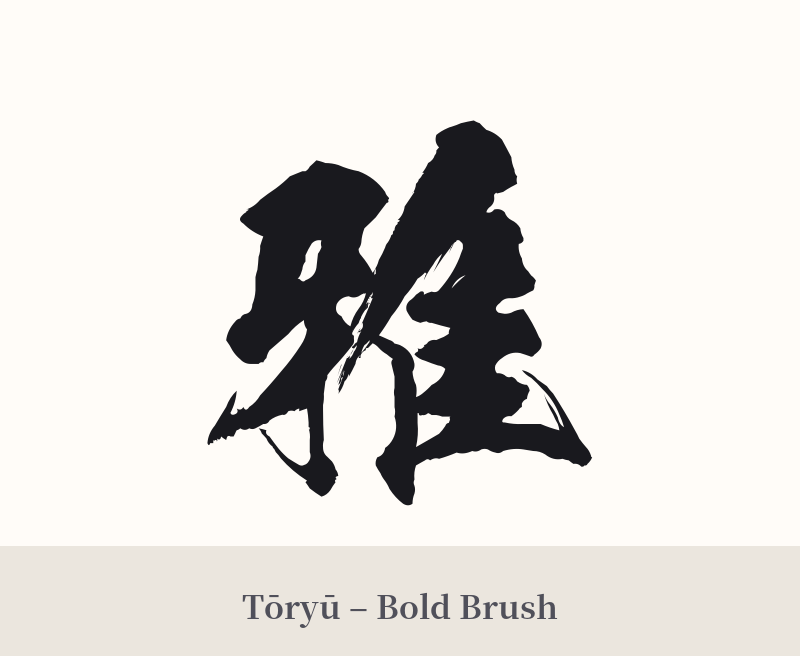
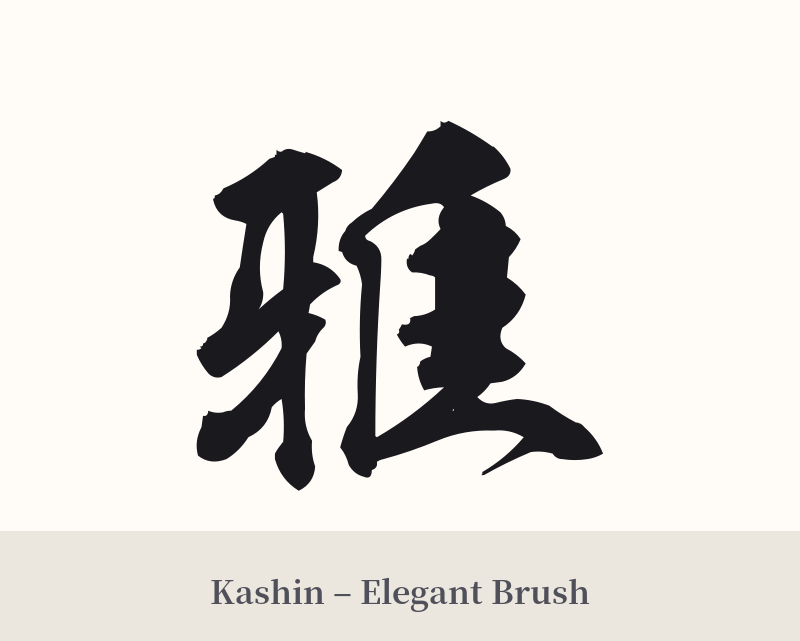
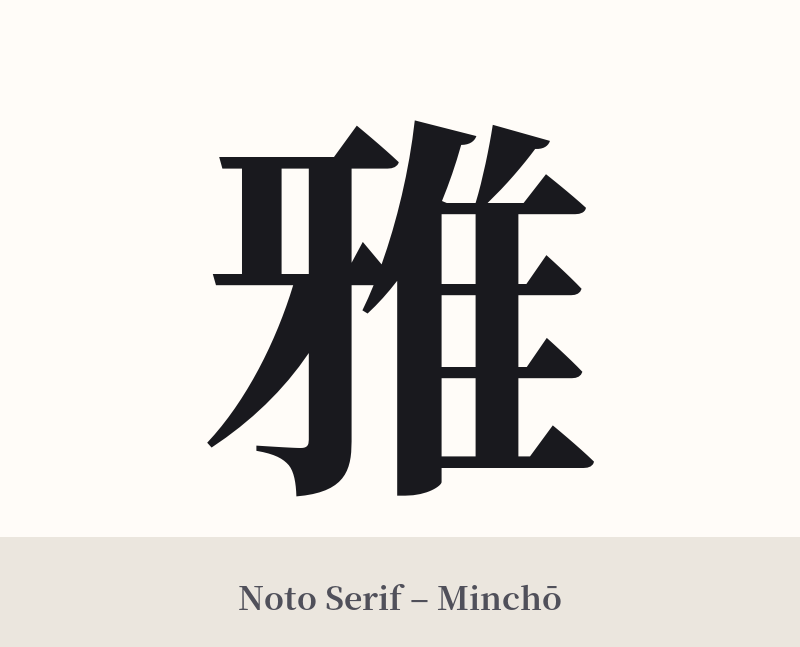
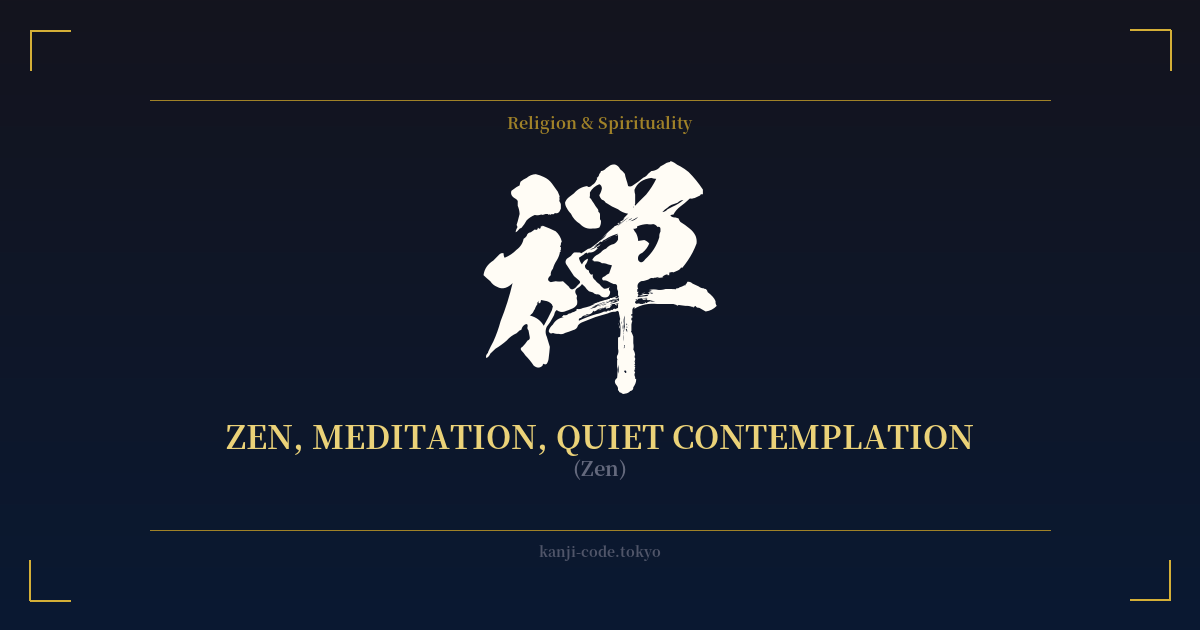
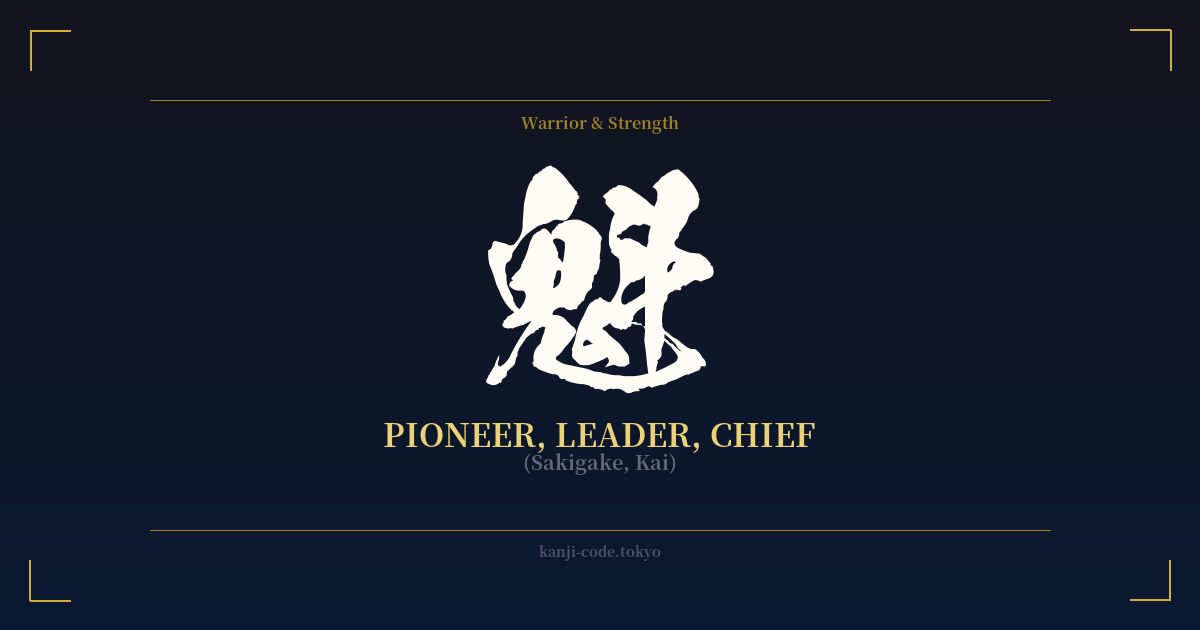
The same kanji can look dramatically different depending on the calligraphy style. Choose a font that matches the mood you want for your tattoo or design.
🎨 Tattoo Suitability
📐 Tattoo Design Guide
A tattoo of 雅 (miyabi) should embody the very elegance it represents. The design choices should feel deliberate, refined, and graceful.
– Placement: Consider areas that are themselves elegant or can be subtly revealed. The inner forearm, the back of the neck just below the hairline, along the collarbone, or vertically down the spine are all excellent choices. These placements allow the kanji to flow with the body's natural lines.
– Font Style: The calligraphy style is crucial. A 'Gyosho' (semi-cursive) script is often the perfect match, as its flowing, connected strokes capture the essence of grace and movement. A clean and perfectly balanced 'Kaisho' (block) script can also work, emphasizing a more formal, stately elegance. Avoid overly aggressive or heavy-handed styles that would contradict the kanji's meaning.
– Visual Tips: 'Miyabi' is a concept of refined beauty, so 'less is more' is the key. Instead of pairing it with large, bold imagery, consider subtle accents. A single, falling cherry blossom petal, a faint wisp of ink wash like a cloud, or delicate, thin lines that evoke flowing silk can enhance the design without overwhelming the character. The goal is to create a piece that feels poetic and sophisticated.
Comments