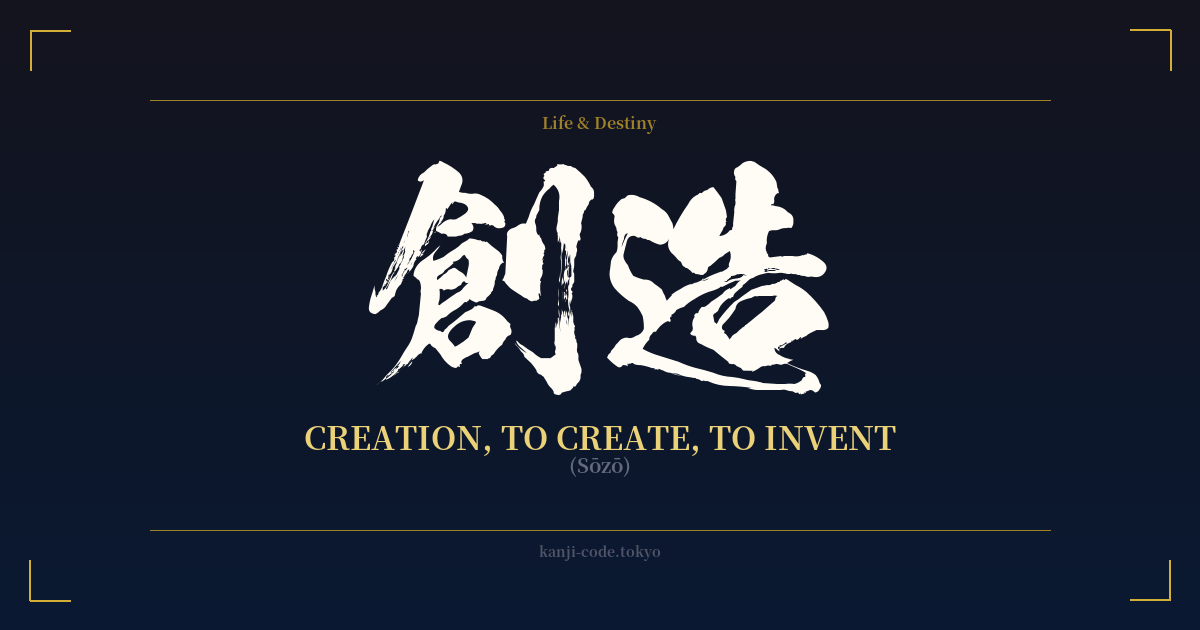
✍️ 創造 (Sōzō) — Cultural Context
創造 (Sōzō) is a Japanese word that transcends a simple translation of 'creation.' While it does mean to create or invent, its essence is far more profound, evoking the act of bringing something entirely new and original into existence. It's the kind of creation associated with divine power, artistic genius, and groundbreaking innovation.
Unlike the more common verb 作る (tsukuru), which can mean 'to make' a meal or 'build' a chair, Sōzō carries a weight of significance. It implies imagination, vision, and a departure from the pre-existing. This distinction is vital in Japanese culture, which values both meticulous craftsmanship and inspired originality. Sōzō is reserved for the latter.
Historically and mythologically, the term is linked to grand narratives. The Japanese story of the formation of the world is called 天地創造 (Tenchi Sōzō), the 'Creation of Heaven and Earth.' This anchors the word in a cosmic, foundational context, associating it with the ultimate act of bringing order from chaos. This connection to Shinto and Buddhist cosmology gives the word a spiritual resonance that is still felt today.
In modern Japan, Sōzō is the driving force behind its celebrated arts, technology, and design. It's the word used to describe an artist conceiving a masterpiece, an engineer developing a revolutionary technology, or an entrepreneur building a new industry. It embodies the spirit of 'monozukuri' (the art of making things) when it is elevated by a spark of true originality (独創, dokusō).
For an individual, embracing the concept of Sōzō can be a personal philosophy. It represents the power to shape one's own reality, to create a new path, or to express a unique inner world. It’s not just about making objects; it’s about creating opportunities, relationships, and a meaningful life. It is a word of empowerment, potential, and the boundless capacity of the human spirit.
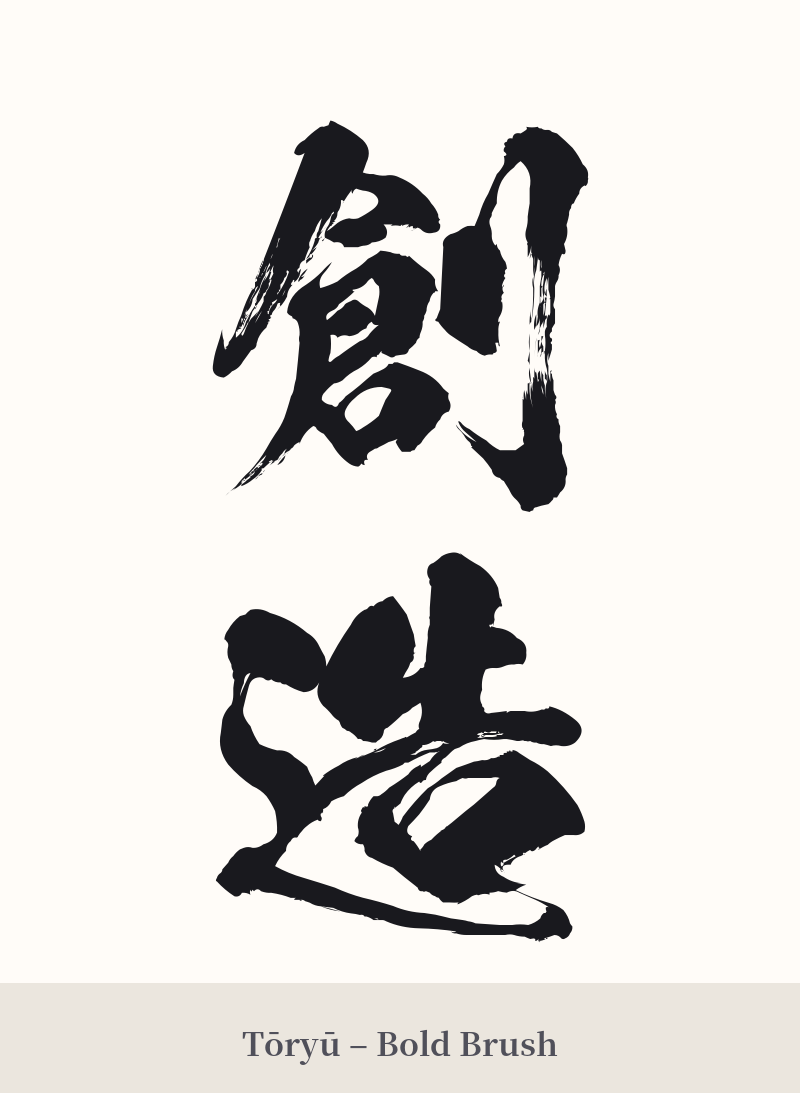
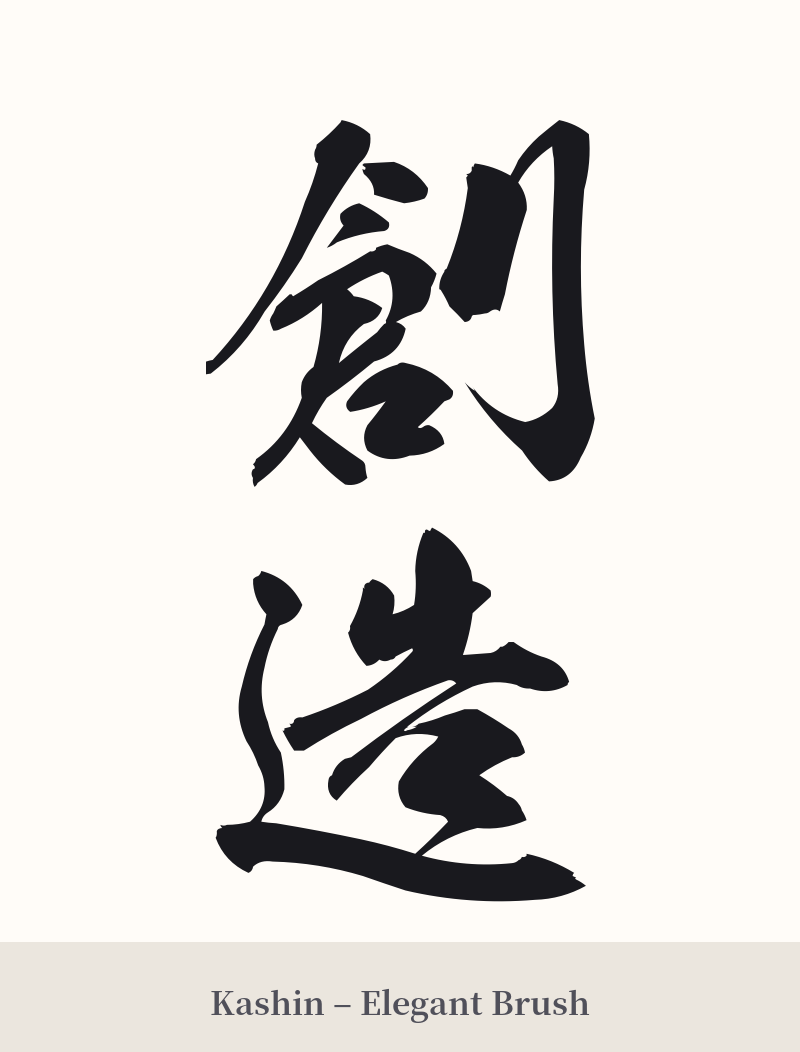
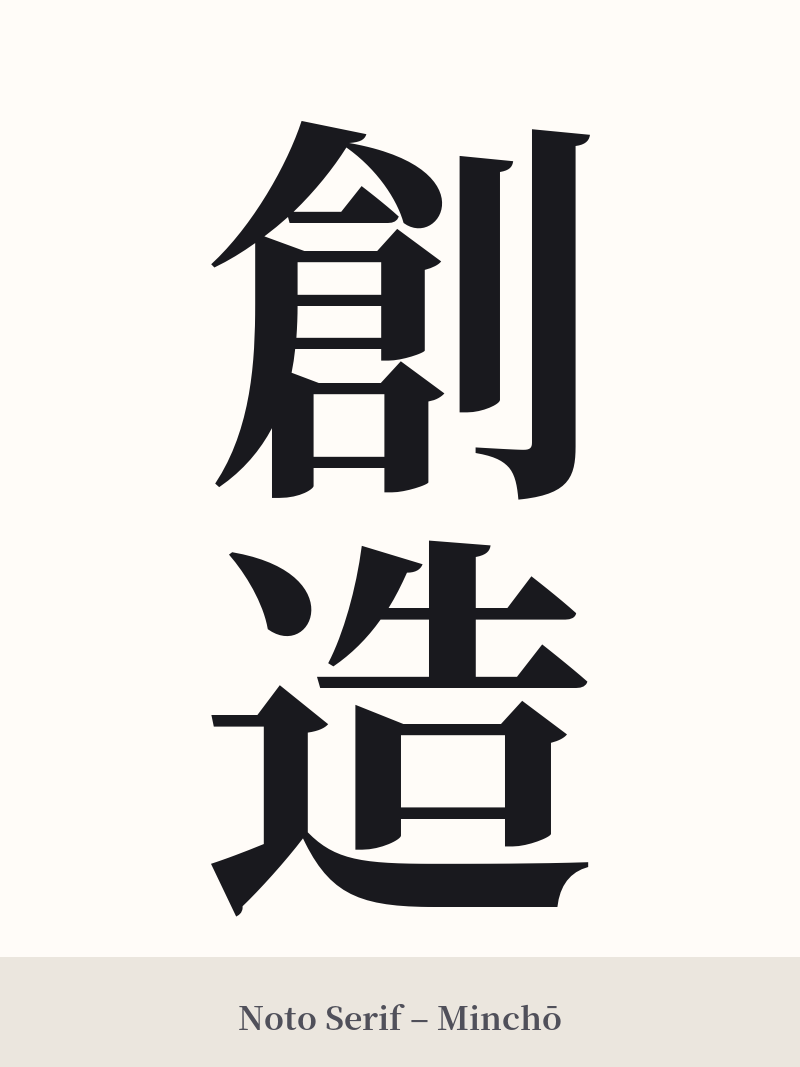
🖌️ Font Styles for 創造
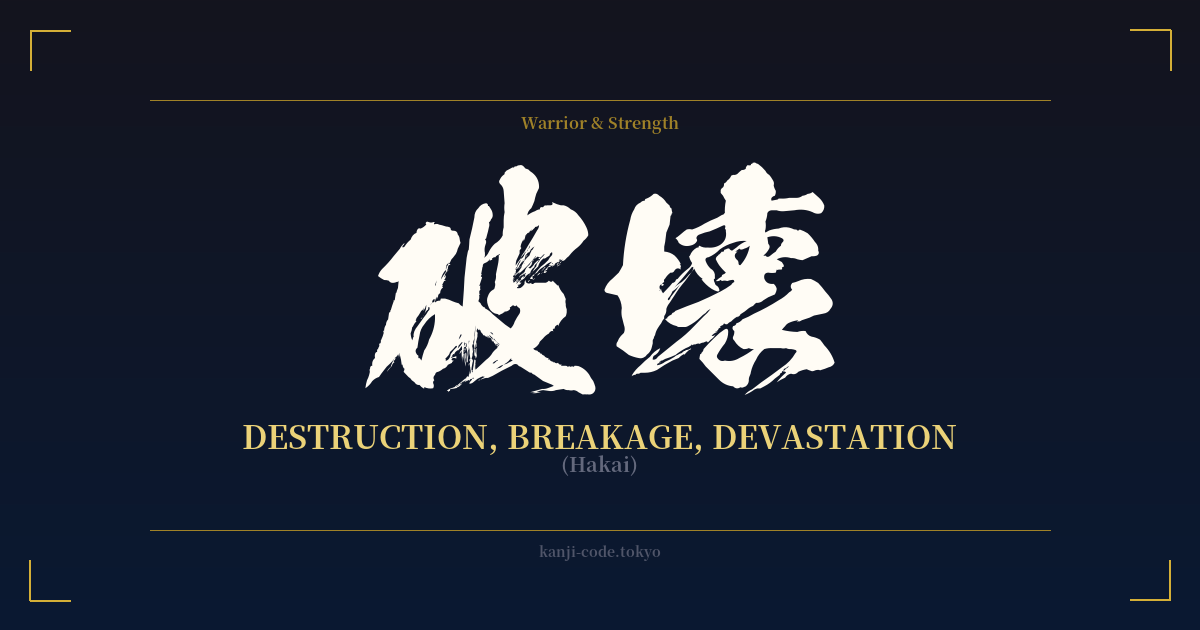
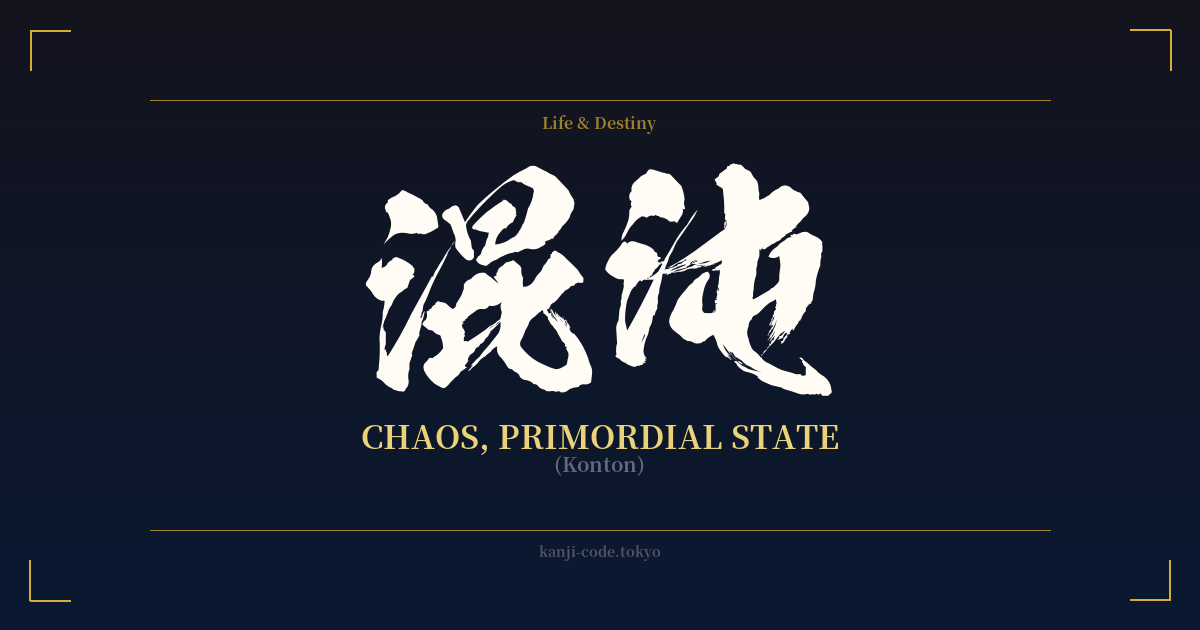
The same kanji can look dramatically different depending on the calligraphy style. Choose a font that matches the mood you want for your tattoo or design.
🎨 Tattoo Suitability
📐 Tattoo Design Guide
For a 創造 (Sōzō) tattoo, the design can be as meaningful as the word itself.
– Placement: A vertical orientation is classic and visually striking. Consider the forearm, the calf, or along the spine to emphasize the natural flow of the characters. For a horizontal design, the chest or upper back provides a strong canvas.
– Font Style: The choice of script can dramatically alter the feel. A bold, dynamic calligraphy style like gyōsho (semi-cursive) or sōsho (cursive) can capture the fluid, energetic nature of creation. Conversely, a clean and precise kaisho (block script) can emphasize the deliberate, structured aspect of invention and building.
– Visual Elements: Consider complementing the kanji with symbolic imagery. An enso circle can represent the void from which creation emerges. A splash of ink or a paintbrush stroke can highlight its artistic meaning. Integrating elements like a lotus flower (symbolizing creation from mud) or cosmic patterns can connect it to its deeper spiritual and universal themes.
Comments