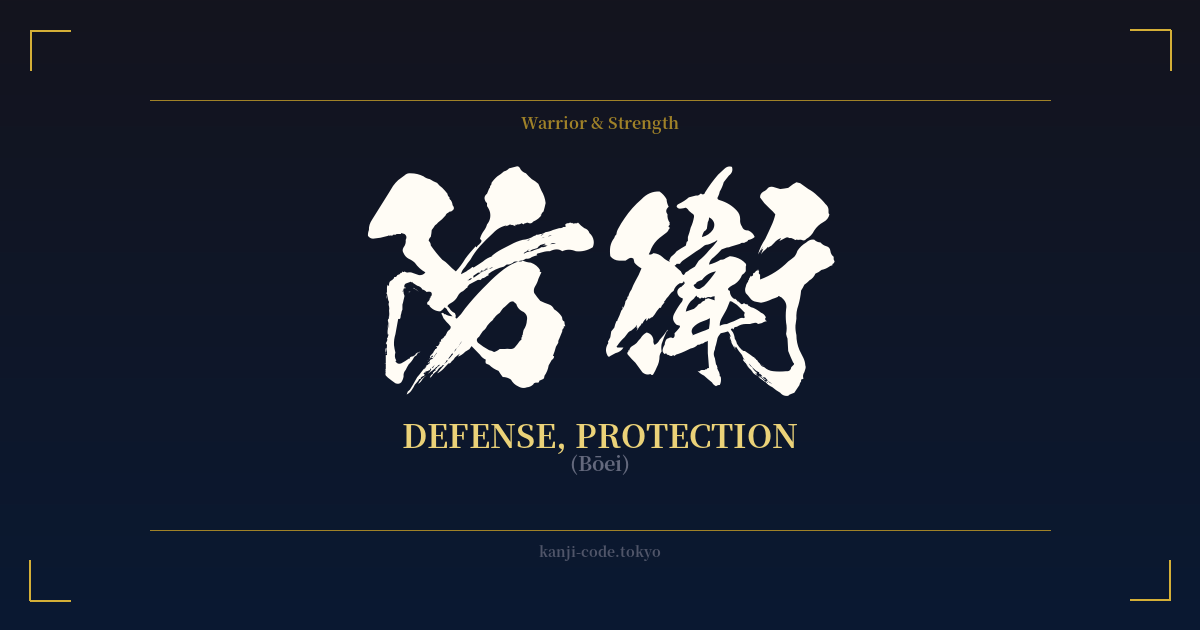
✍️ 防衛 (Bōei) — Cultural Context
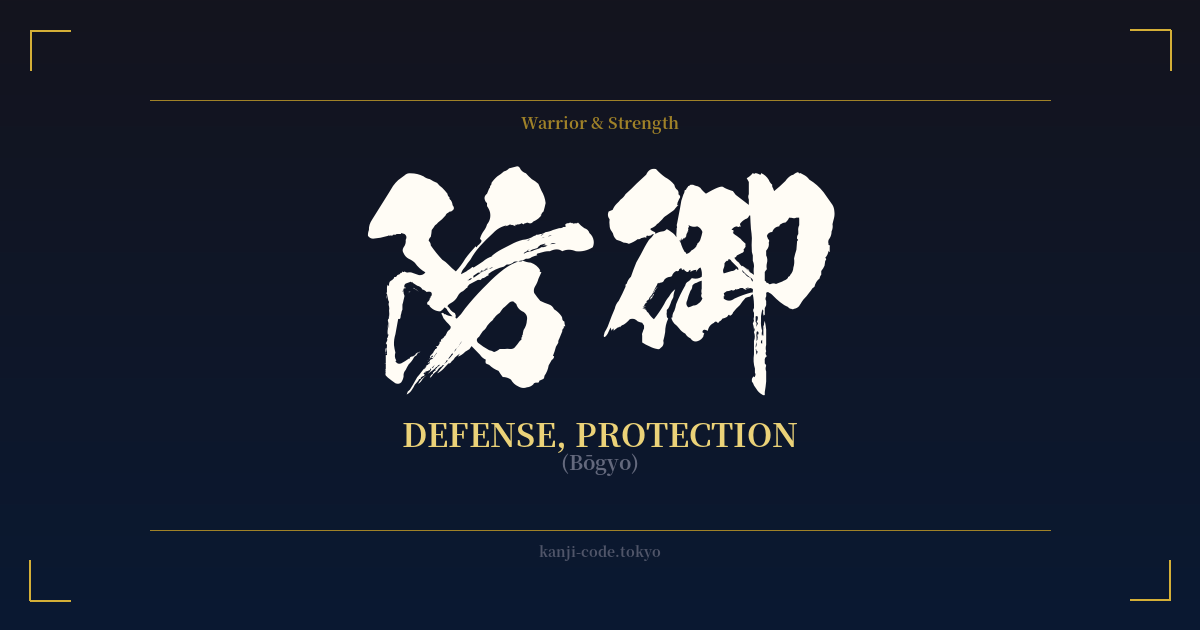
防衛 (Bōei) is the Japanese word for defense and protection, but it carries a specific, formal weight that sets it apart from more personal terms. It refers to a structured, systematic act of guarding against external threats, most often on a large scale. Think of national security, military defense systems, or the fortifications of a castle, rather than the simple act of protecting a friend.
In modern Japan, 防衛 is an official and institutional term. The country's military is constitutionally known as the Japan Self-Defense Forces (自衛隊, Jieitai), and the government body overseeing it is the Ministry of Defense (防衛省, Bōeishō). This association is immediate and powerful for any native Japanese speaker. The word evokes images of national security, policy, and organized resistance, not just a personal feeling of being safe.
Historically, the concept of bōei was fundamental to the samurai class. Their existence was predicated on the defense of their lord's domain. The construction of elaborate castles (城, shiro) with moats, high walls, and complex gate systems was a physical manifestation of bōei. These structures were not just homes but massive defensive apparatuses designed to ward off sieges for months or even years. The strategies employed in these defenses—from the placement of archer towers to the design of confusing inner baileys—are all part of this concept.
Breaking down the kanji reveals this comprehensive meaning. The first character, 防 (bō), means to 'ward off' or 'resist.' It implies an active countermeasure against an incoming force. The second character, 衛 (ei), means 'to guard' or 'protect.' It suggests a state of vigilance and readiness, like a sentinel standing watch. Together, they create a complete picture: not just passively guarding, but actively fending off threats to maintain that protection.
While its primary meaning is large-scale, one can apply 防衛 metaphorically to the idea of defending one's principles, integrity, or personal space with a determined, systematic approach. It suggests building 'defenses' around one's mental and emotional well-being, creating a resilient fortress against negativity or harm. It is a word of resolute strength, preparedness, and unwavering security.
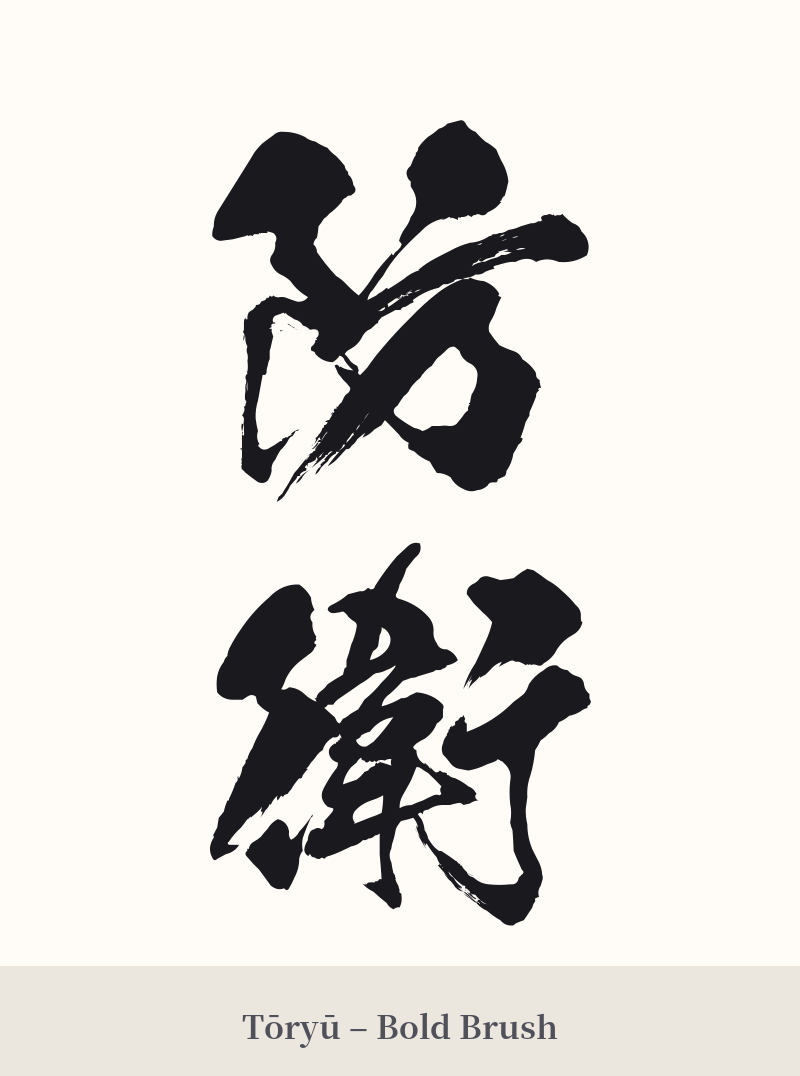
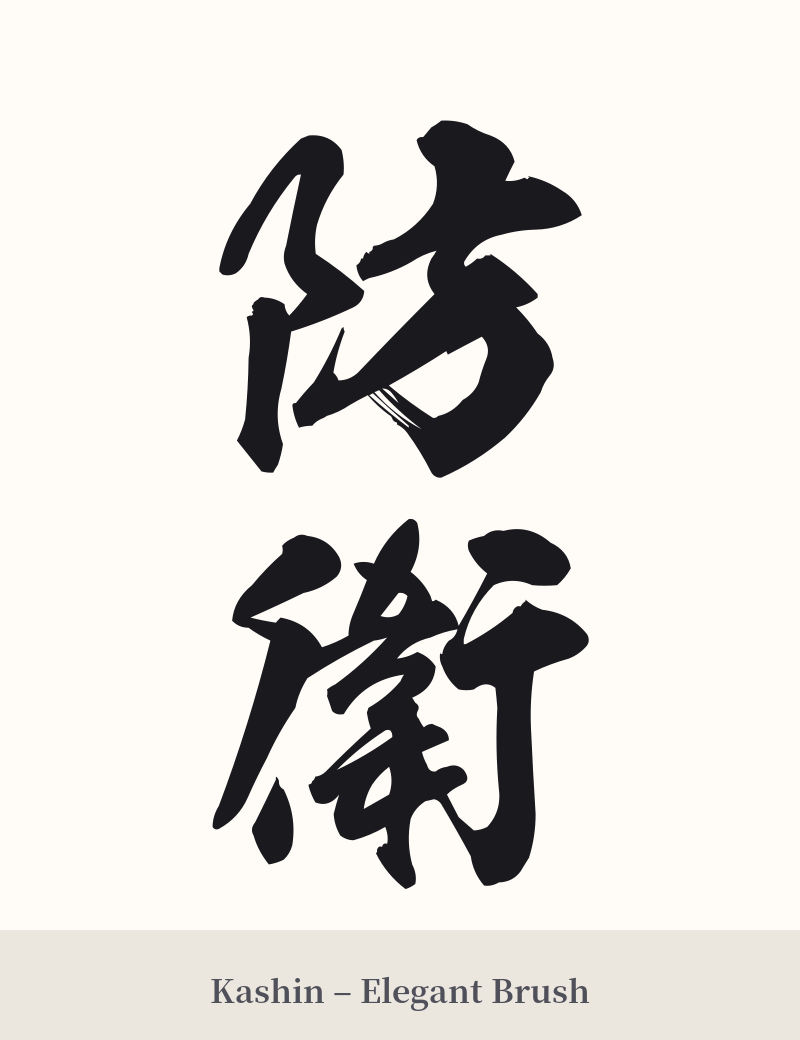
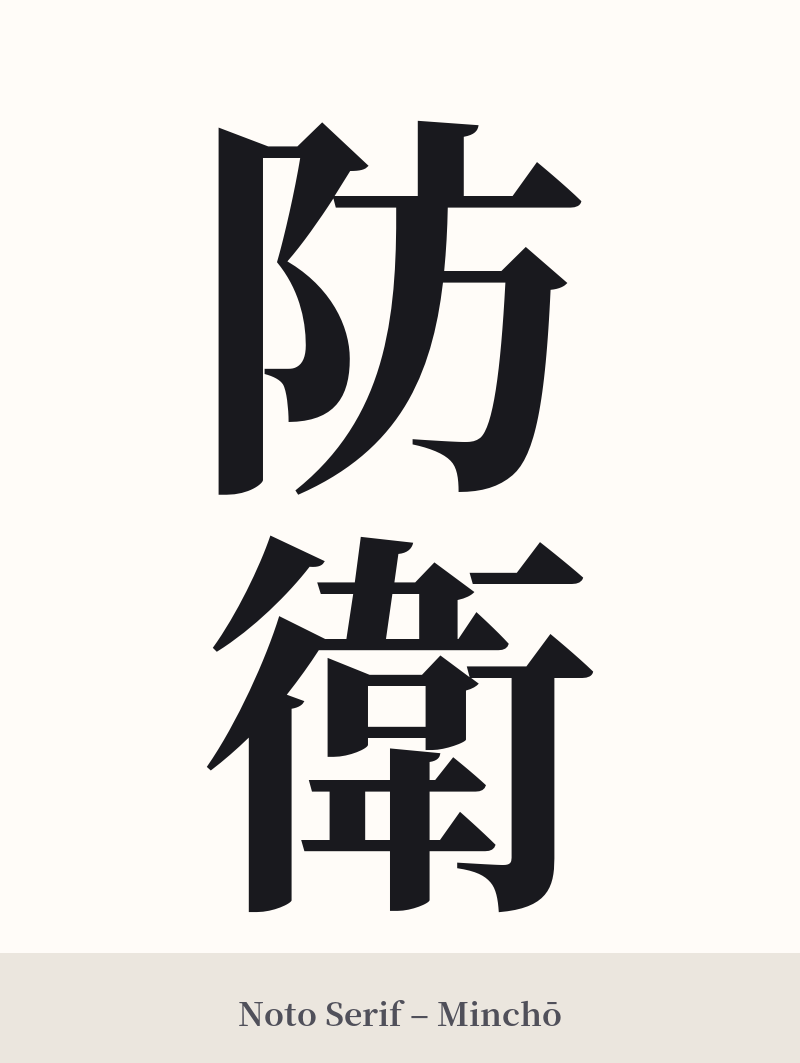
🖌️ Font Styles for 防衛
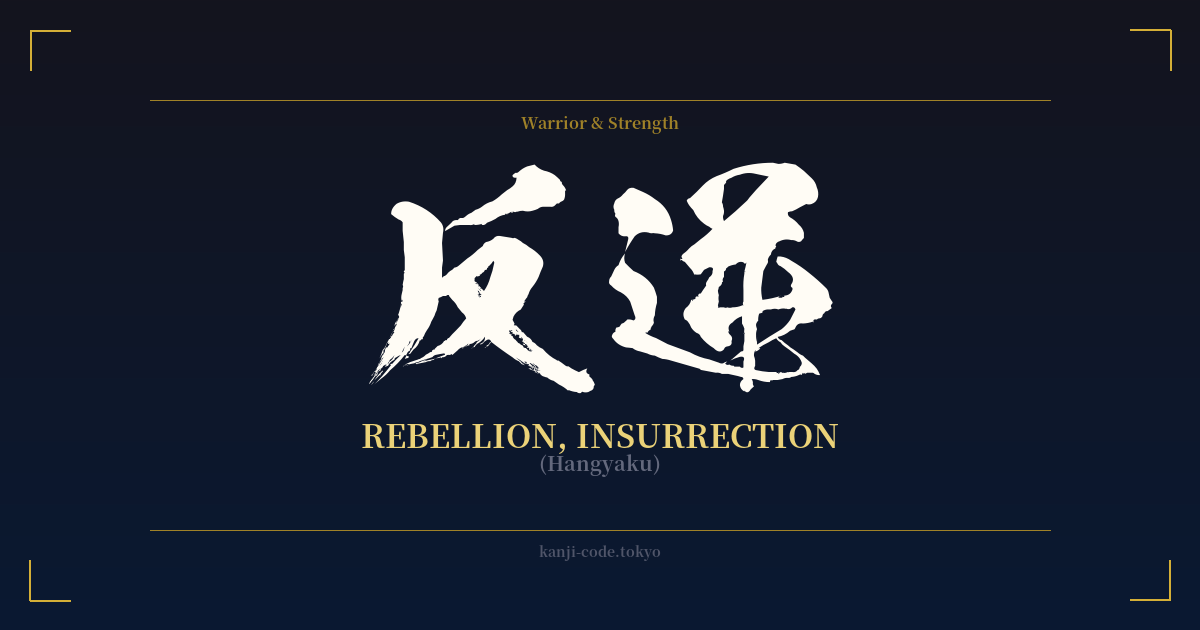
The same kanji can look dramatically different depending on the calligraphy style. Choose a font that matches the mood you want for your tattoo or design.
🎨 Tattoo Suitability
📐 Tattoo Design Guide
For a tattoo, 防衛 works well in a vertical orientation, which emphasizes its formal and imposing nature. Recommended placements include the forearm, the calf, or along the spine, areas that suggest strength and structure.
– Font Style: A bold, clear Kaisho (block script) font reinforces the feeling of an impenetrable defense. For a more dynamic and active look, a semi-cursive Gyosho script can add a sense of movement and readiness. Avoid overly ornate or thin fonts that would undermine the word's inherent strength.
– Visual Elements: Consider pairing the kanji with imagery that enhances the theme of protection. A background of Japanese castle stonewalls (ishigaki), a stylized shield, or a guardian figure like a Shishi (lion-dog) or dragon could frame the characters beautifully. Placing it within a circle (ensō) can soften the meaning towards a more holistic or spiritual self-defense.
Comments