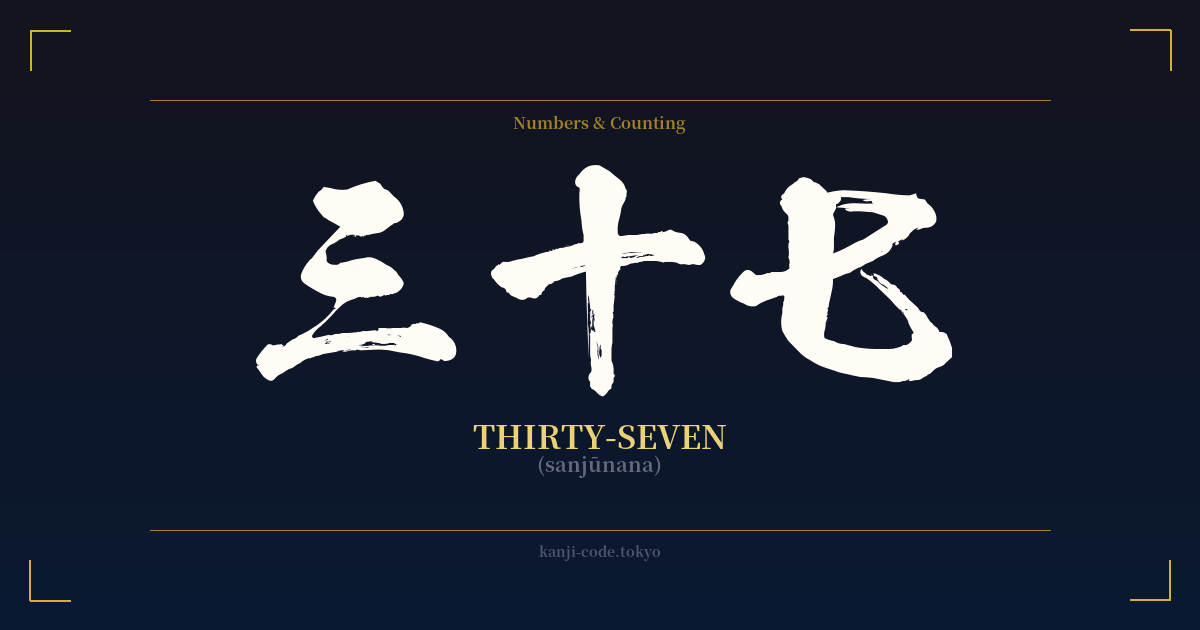
✍️ 三十七 (sanjūnana) — Cultural Context
The Japanese word for thirty-seven, 三十七 (sanjūnana), is a perfect example of the logical and straightforward nature of the Japanese numbering system. Unlike the unique words for numbers in English (e.g., eleven, twelve, twenty, thirty), Japanese builds its numbers with a clear, additive, and multiplicative logic that is easy to grasp.
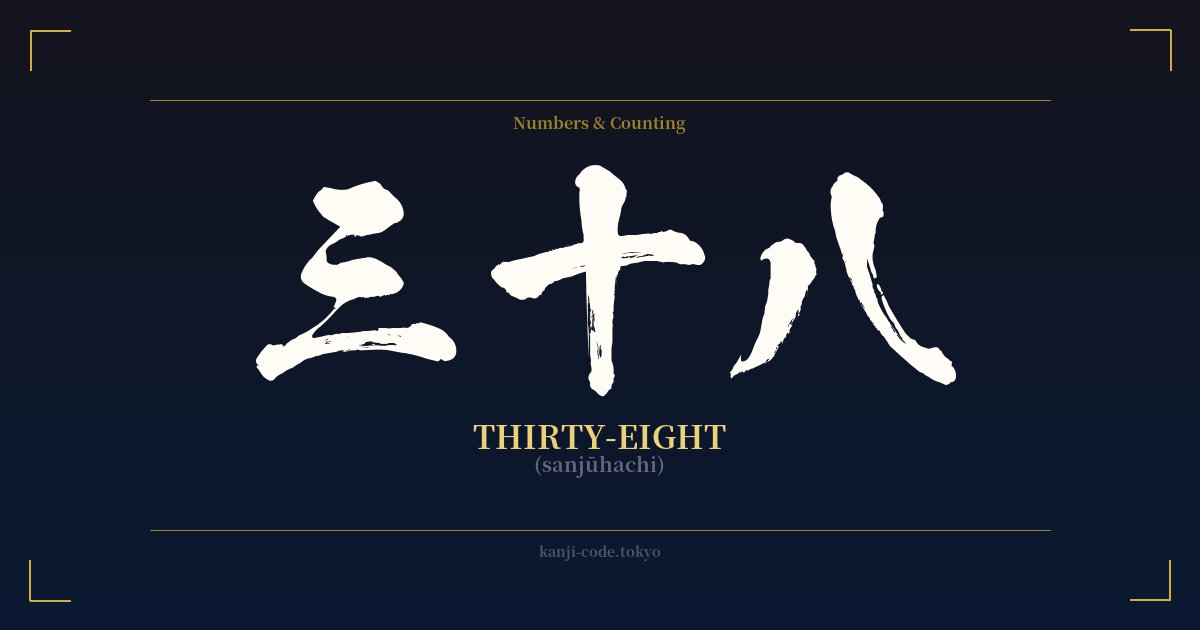
The word is constructed from three distinct kanji: 三 (san – three), 十 (jū – ten), and 七 (nana – seven). Read together, it literally means "three tens and seven," or (3 x 10) + 7. This base-ten system, inherited from Chinese, is consistent across all numbers, making counting and arithmetic remarkably transparent in its written form. For instance, thirty-eight is simply 三十八 (sanjūhachi).
While the number thirty-seven itself does not hold any widespread cultural or spiritual significance in Japan—unlike numbers such as seven (often seen as lucky) or four (often avoided as its sound, 'shi', is homophonous with 'death')—the kanji characters themselves are fundamental building blocks of the language. They are among the first characters taught to Japanese children and are derived from ancient pictographs. 三 consists of three horizontal lines, a direct representation of the quantity. 十 is a simple cross, and 七 is a simple hook-like stroke.
In Japanese culture, numbers are everywhere, but their significance can be nuanced. The choice between different readings for a number often matters. For the number seven (七), the native Japanese reading 'nana' is frequently preferred over the Sino-Japanese reading 'shichi' precisely because 'shichi' contains the 'shi' sound. In the case of 三十七, 'sanjūnana' is the most common and neutral way to say it, avoiding any negative connotations.
Although 37 isn't a famous 'lucky number,' the Japanese concept of goroawase (語呂合わせ), a form of number wordplay, means any number can potentially be given a personal meaning. For example, 3 could be 'san' or 'mi', and 7 could be 'na'. A person might create a personal mnemonic like 'mina' (皆 – everyone) from the digits 3 and 7. However, this is highly individualized and not a commonly understood association for the number thirty-seven.
🖌️ Font Styles for 三十七
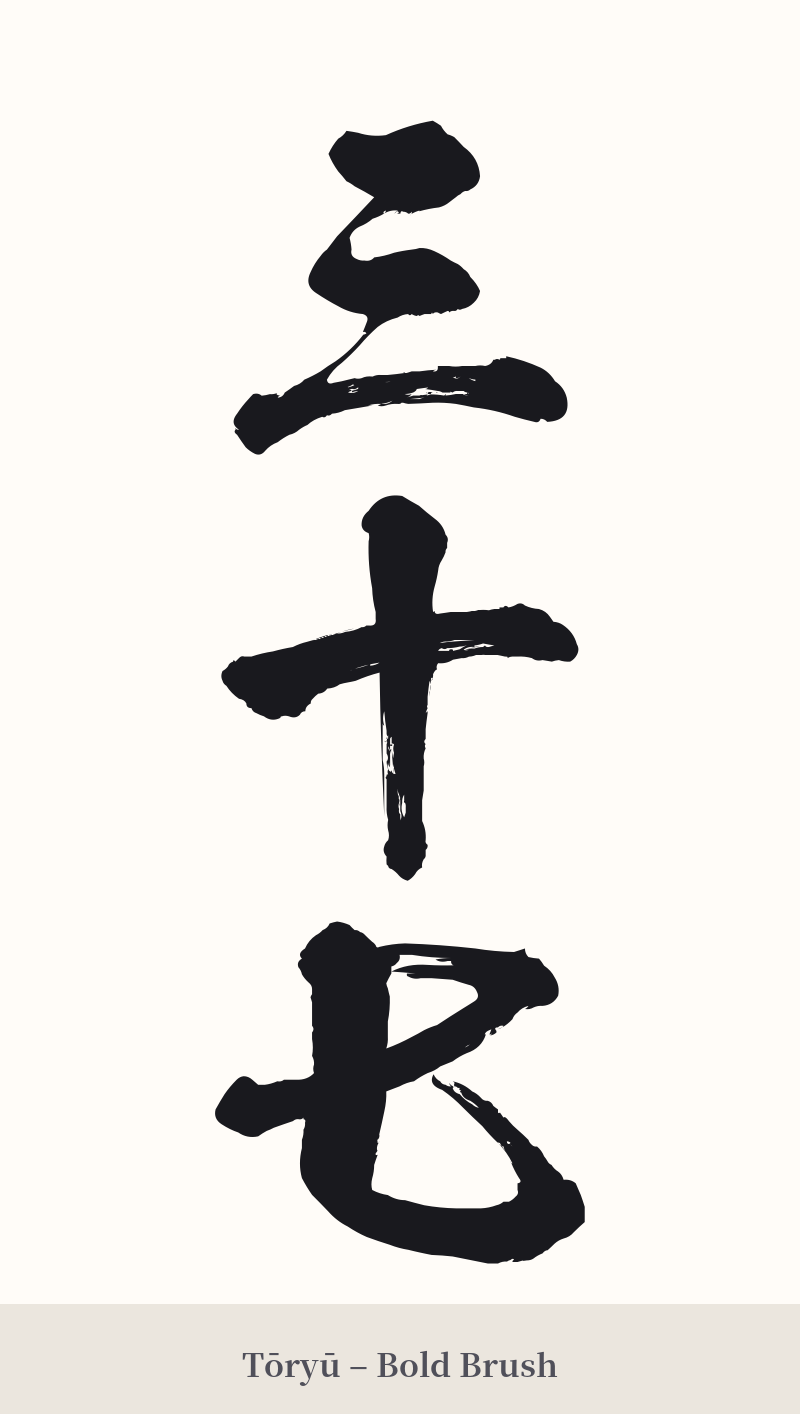
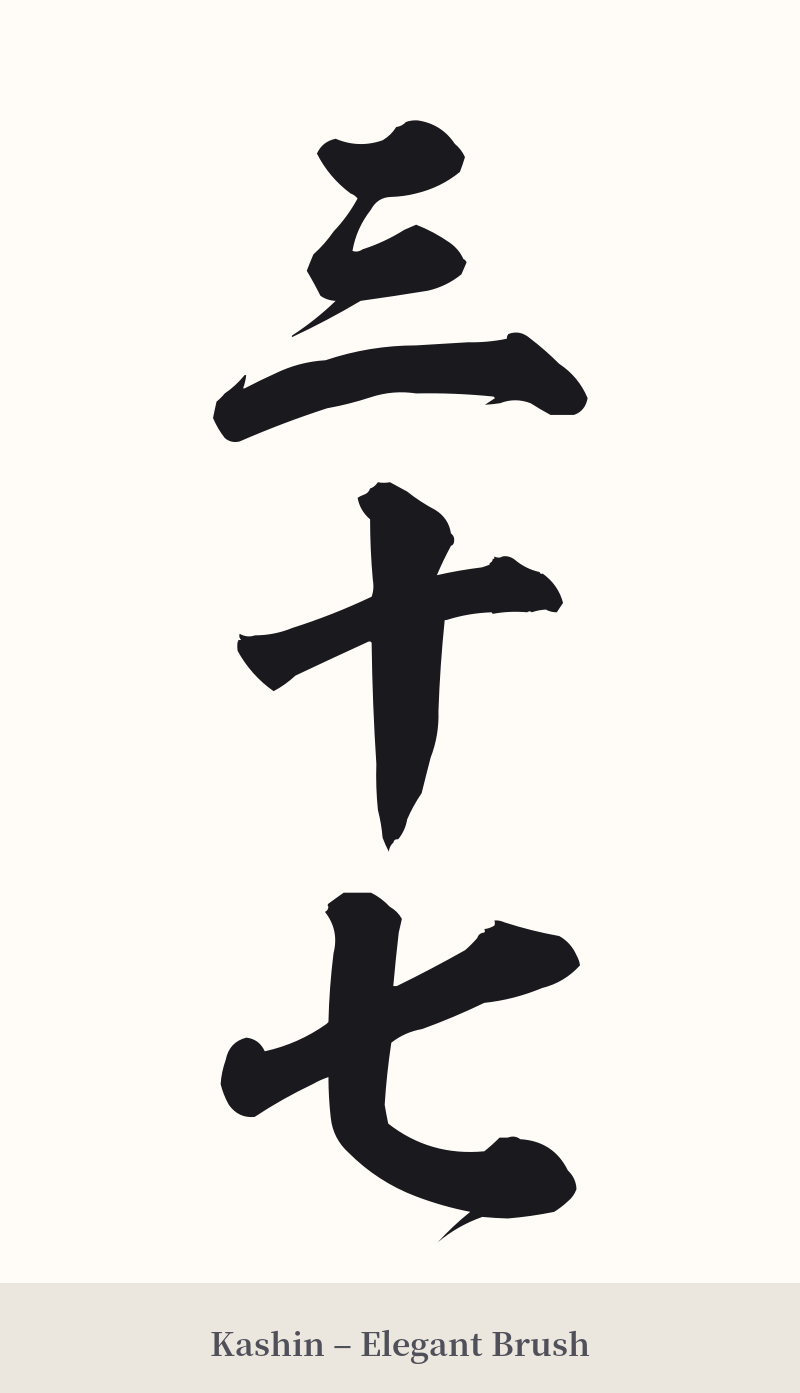
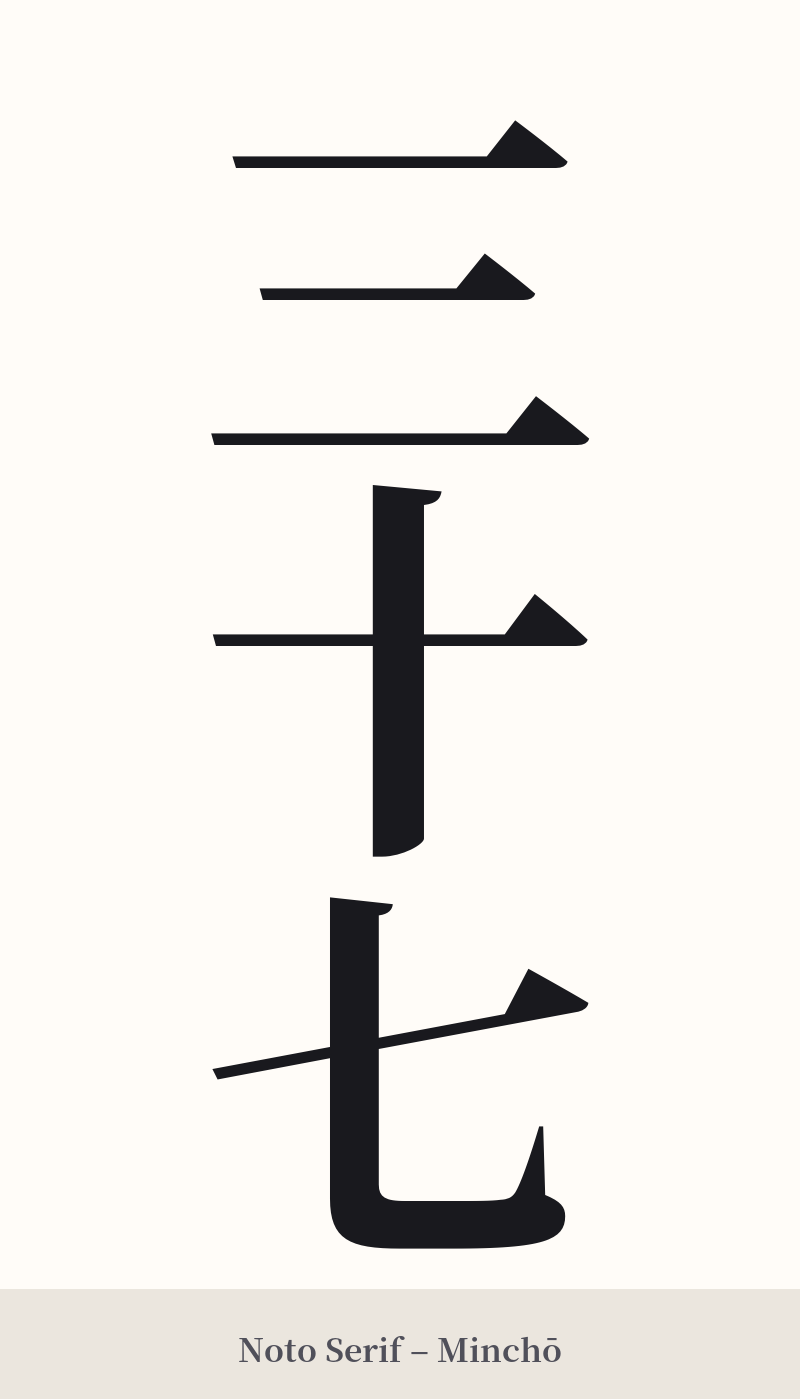
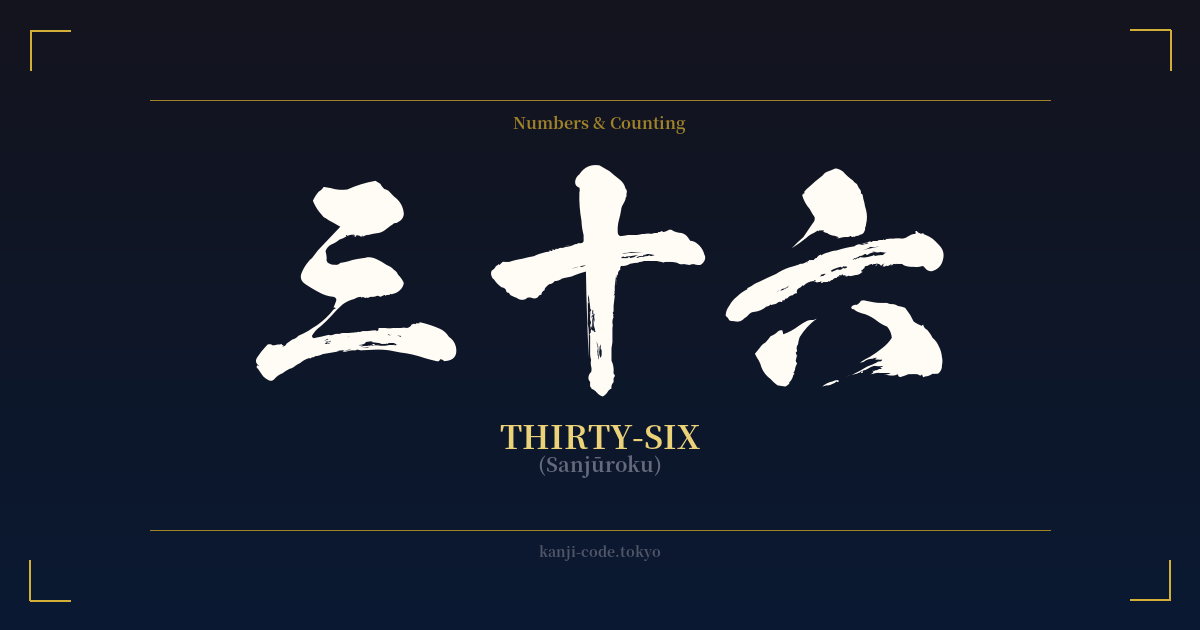
The same kanji can look dramatically different depending on the calligraphy style. Choose a font that matches the mood you want for your tattoo or design.
🎨 Tattoo Suitability
📐 Tattoo Design Guide
For a tattoo of 三十七, the design choices should focus on giving these simple characters a sense of purpose and style. Due to its literal nature, it's best suited for someone to whom the number 37 has a deep personal meaning, such as an anniversary, an age, or a lucky number.
– Placement: A vertical alignment (三 on top, followed by 十, then 七) is the most traditional and aesthetically pleasing arrangement for Japanese script. It works well on the forearm, bicep, calf, or along the spine. A horizontal layout is also possible and would fit well on the wrist or clavicle.
– Font Style: Because the characters themselves are so simple, a bold, confident font is recommended. A standard block script like Kaisho (楷書) will give it a clean, timeless look. For a more artistic flair, a semi-cursive style like Gyosho (行書) could link the characters together, but be cautious that it doesn't obscure their simple forms.
– Visual Tips: Consider integrating 三十七 into a larger piece. The number could be subtly placed within a larger image that represents its meaning to you. For example, if it represents a date, it could be part of a design featuring a specific flower or animal associated with that memory. As a standalone piece, it should be kept relatively small and crisp to avoid looking sparse.
Comments