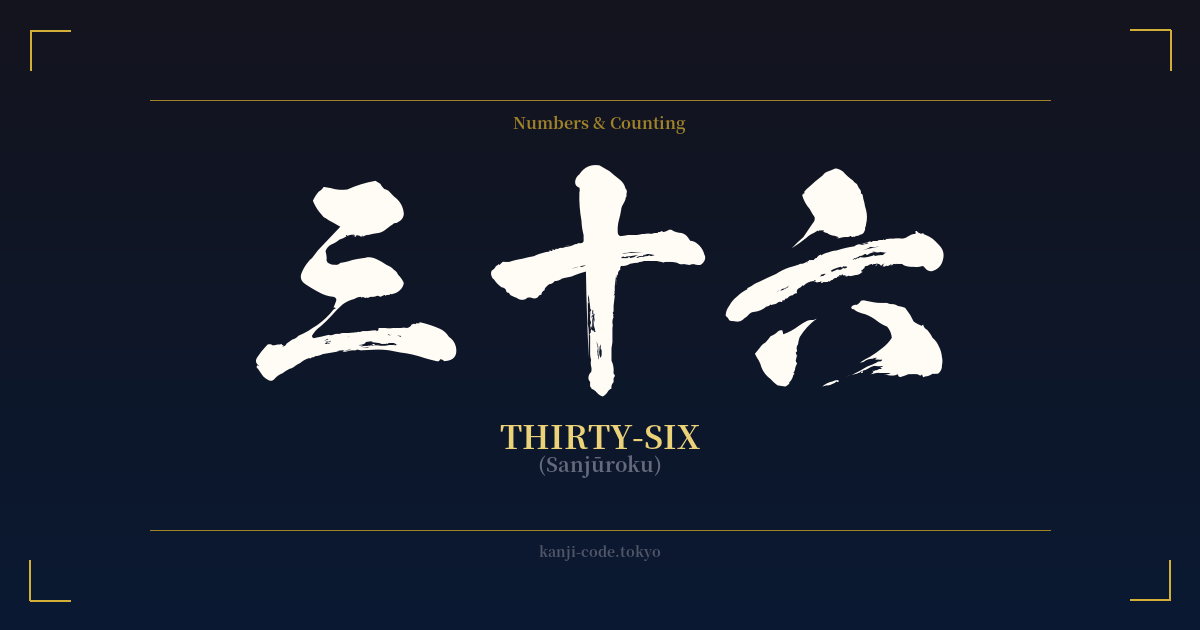
✍️ 三十六 (Sanjūroku) — Cultural Context
At first glance, 三十六 (Sanjūroku) is simply the Japanese word for the number thirty-six. It's constructed logically: 三 (san, three) followed by 十 (jū, ten) and finally 六 (roku, six), literally translating to "three-tens-six." While many numbers hold little symbolic weight on their own, 36 has carved out a significant niche in Japanese and East Asian culture, primarily through its association with two monumental works.
The most famous reference is undoubtedly Katsushika Hokusai's ukiyo-e series, "Thirty-six Views of Mount Fuji" (富嶽三十六景 – Fugaku Sanjūrokkei). Created between 1830 and 1832, this collection of woodblock prints revolutionized Japanese art and became a global icon. Each print depicts Mount Fuji from a different location and in various seasons, capturing the life and landscape of Edo-period Japan. The series includes the world-renowned "The Great Wave off Kanagawa." The number 36 became synonymous with this artistic masterpiece, representing a complete, multifaceted perspective on a single, powerful subject. Interestingly, the series was so popular that Hokusai later added ten more prints, but the original title stuck.
Beyond the art world, the number also echoes in the realm of strategy through "The Thirty-Six Stratagems" (三十六計 – Sanjūrokkei). This is a classic Chinese essay used to illustrate a series of cunning tactics applicable to warfare, politics, and civil interactions. Though Chinese in origin, its influence permeated East Asia, including Japan's samurai class. These stratagems are not about brute force but about deception, indirect approaches, and psychological advantage. The final and most famous stratagem is "If all else fails, retreat," highlighting the philosophy of pragmatism over blind honor. Therefore, the number 36 also carries a connotation of strategic thinking, cunning, and the wisdom to choose one's battles wisely.
In modern Japan, Sanjūroku isn't an everyday term imbued with deep meaning like the numbers four (associated with death) or seven (luck). Instead, its significance is highly contextual. Mentioning it will almost certainly bring Hokusai's prints to mind for any Japanese person. It represents a sense of artistic completion and a classical perspective, a nod to one of the nation's greatest cultural exports.
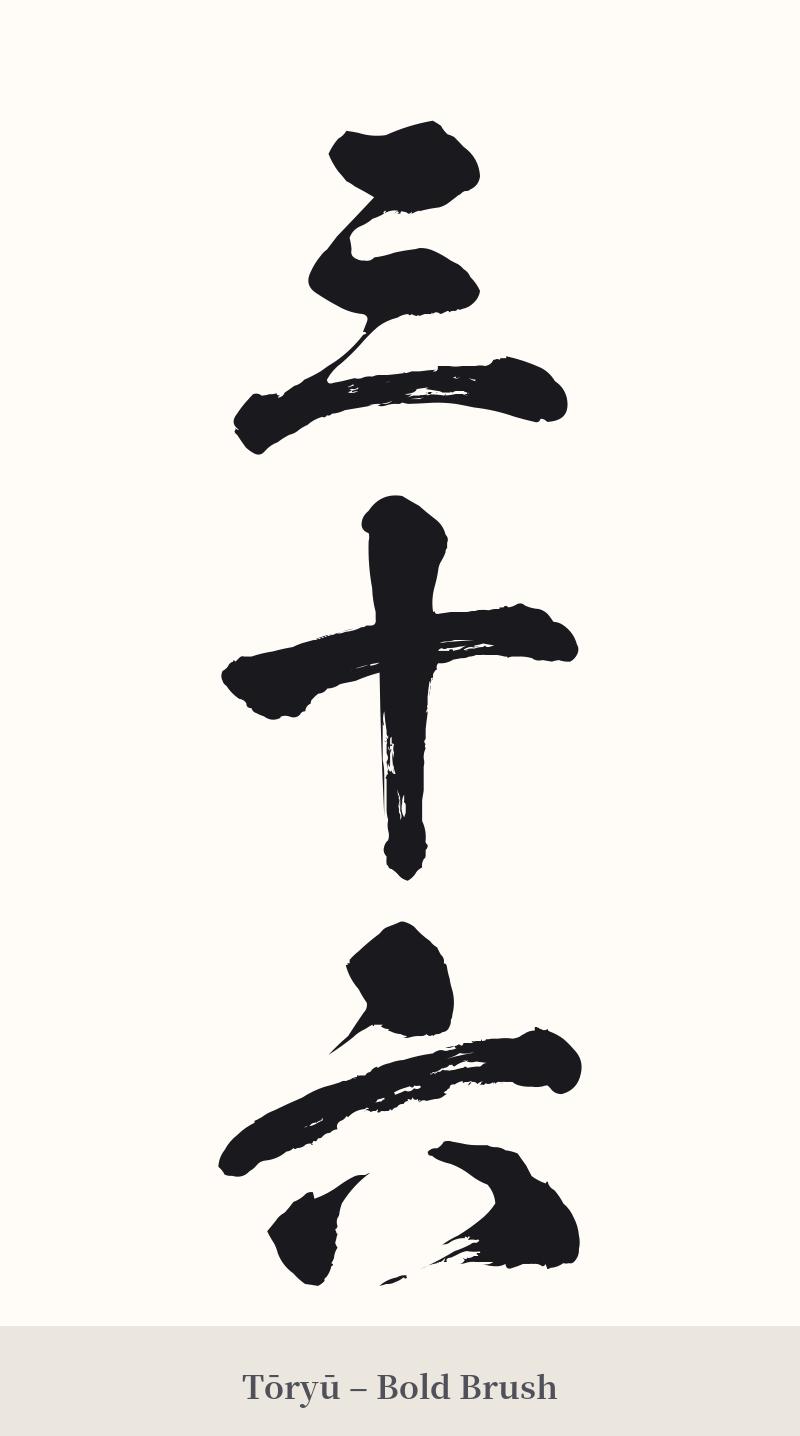
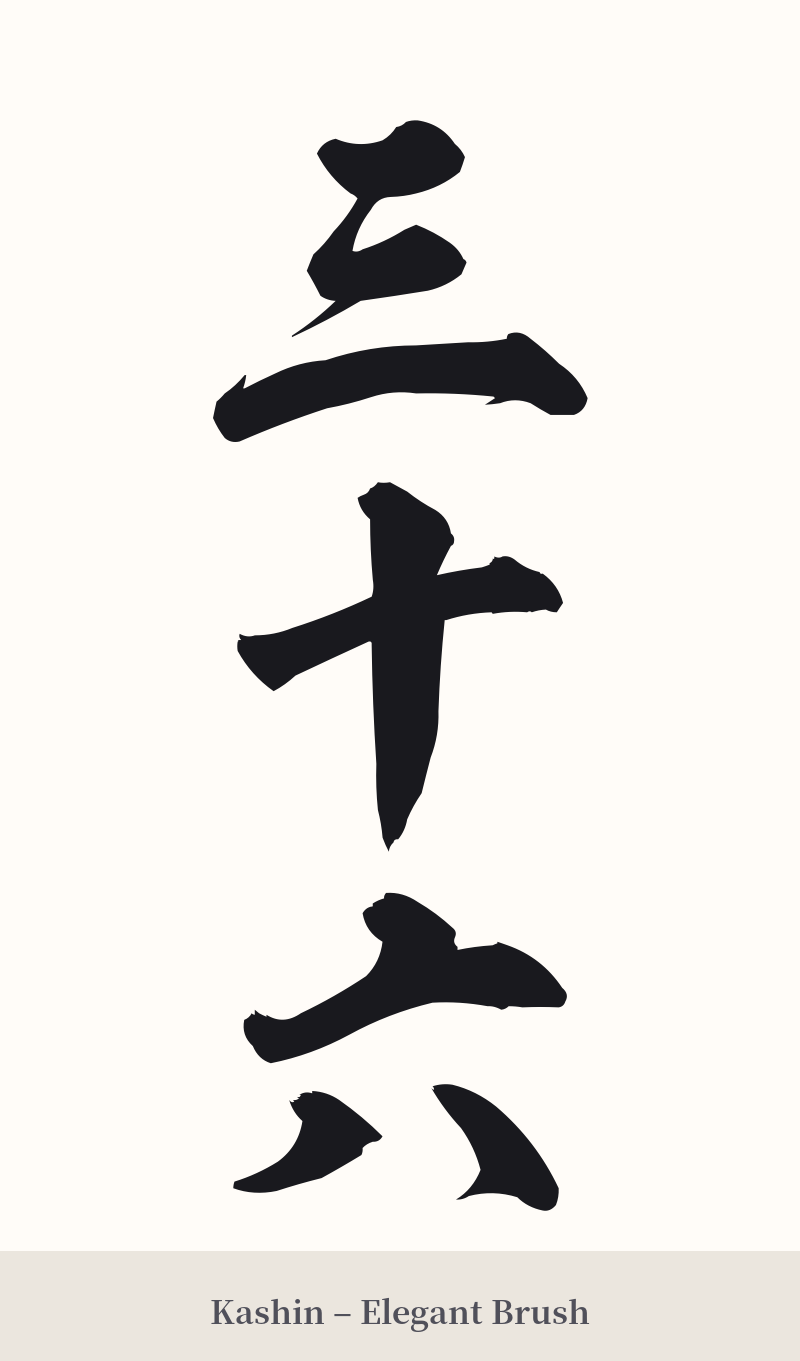
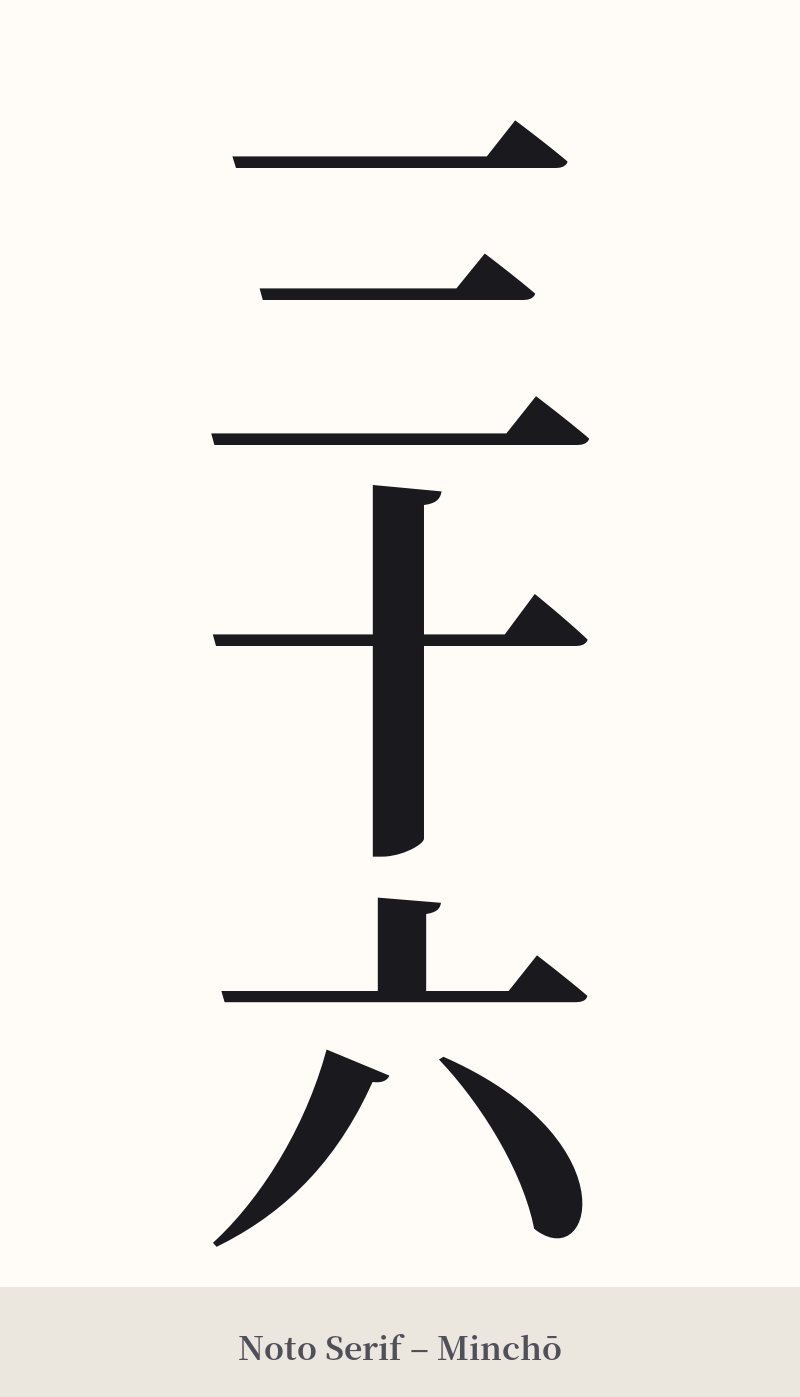
🖌️ Font Styles for 三十六
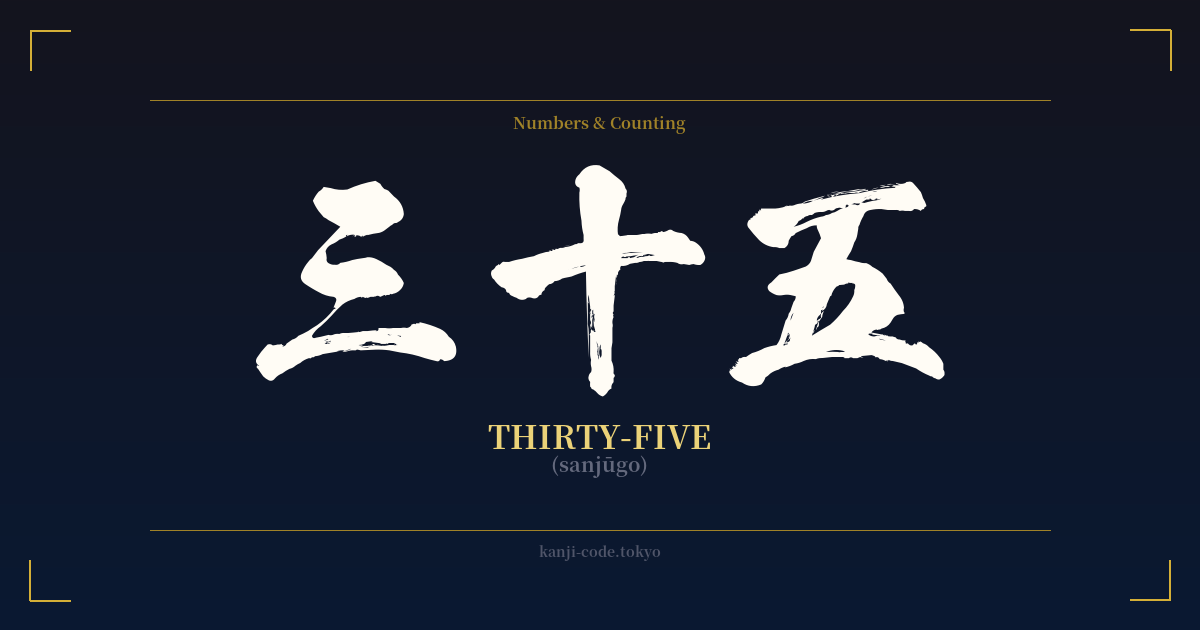
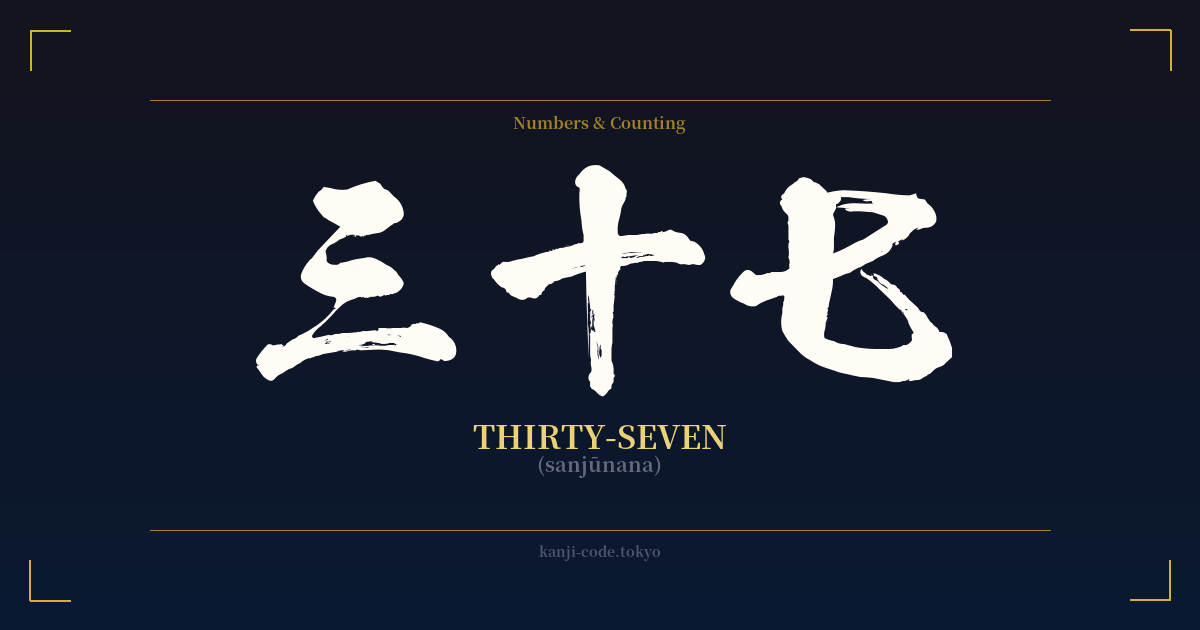
The same kanji can look dramatically different depending on the calligraphy style. Choose a font that matches the mood you want for your tattoo or design.
🎨 Tattoo Suitability
📐 Tattoo Design Guide
For a 三十六 tattoo, the layout is key to its aesthetic. A vertical alignment is highly recommended, as it follows traditional Japanese writing and creates an elegant, flowing line on the body. This works particularly well on the forearm, spine, calf, or alongside the ribs.
Consider these style suggestions: – Gyosho (行書): A semi-cursive script would be a fantastic choice. Its fluid, artistic strokes echo the brushwork of Hokusai and the ukiyo-e tradition, tying the design directly to its most famous cultural reference. – Kaisho (楷書): A clean, standard block script offers clarity and a timeless, formal feel. This style emphasizes the simple, geometric nature of the individual characters. – Edo Moji (江戸文字): For a bolder, more stylized look, consider a font from the Edo period, like Kanteiryū. This would create a strong historical connection.
To add context and meaning, consider incorporating a visual element from the "Thirty-six Views," such as stylized waves from "The Great Wave" or a silhouette of Mount Fuji. This would transform the design from a simple number into a clear homage to the iconic art series.
Comments