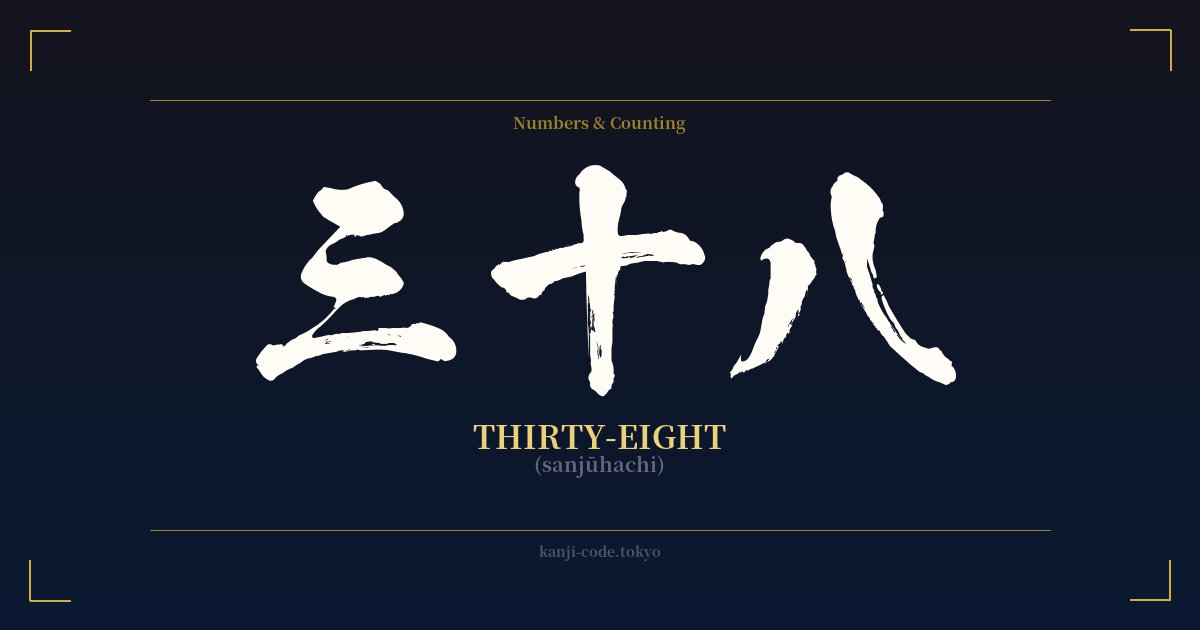
✍️ 三十八 (sanjūhachi) — Cultural Context
The Japanese word for thirty-eight, 三十八 (sanjūhachi), is a perfect example of the logical and systematic nature of the Japanese counting system. It's constructed in a straightforward, mathematical way: 三 (san, three) followed by 十 (jū, ten), and finally 八 (hachi, eight). This structure literally translates to "three tens and eight," or 3 x 10 + 8, which equals 38. This clear, additive method is a cornerstone of how numbers are expressed in Japanese, Chinese, and Korean, all of which share this linguistic heritage.
Unlike certain numbers in Japanese culture that are imbued with deep symbolic meaning, thirty-eight holds a relatively neutral position. It is not associated with luck or misfortune in the way that four (四, shi), a homophone for death (死), or nine (九, ku), a homophone for suffering (苦), are often avoided. Similarly, it doesn't carry the auspicious weight of seven (七, shichi) or eight (八, hachi).
However, the presence of the kanji for eight, 八 (hachi), does lend it a subtly positive undertone. The character's shape, which widens at the bottom, is known as 末広がり (suehirogari), meaning "widening prosperity" or "ever-increasing fortune." This visual metaphor makes the number eight one of Japan's most celebrated lucky numbers. Therefore, while 38 itself isn't a famous lucky number, a person could interpret it as a combination of stable (三) and prosperous (八) elements.
In daily life, the number thirty-eight appears without much fanfare. It's an age, a price, a date, or an address. It is not one of the critical yakudoshi (厄年), or unlucky ages, for men or women, which are specific years in one's life believed to be prone to calamity. The number 38 is simply a part of the numerical landscape, functional and direct.
This very neutrality is what can make it a compelling choice for personal expression. Free from heavy cultural baggage, its meaning is a blank slate. A person choosing 三十八 for a tattoo is likely commemorating a specific, personal event: a 38th birthday, a significant year like 1938, an athlete's jersey number, or another deeply private milestone. Its power comes not from shared cultural symbolism, but from the individual story it represents.
🖌️ Font Styles for 三十八
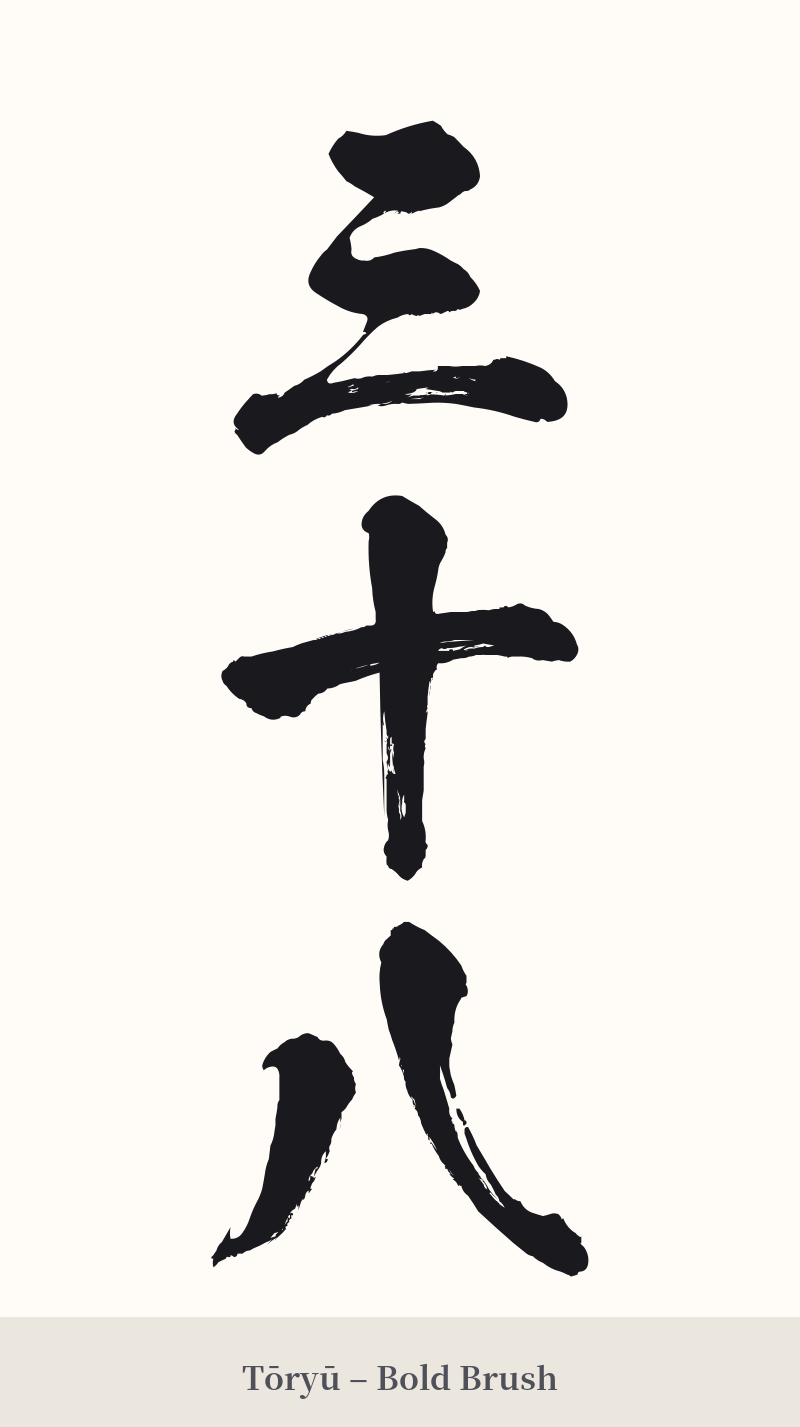
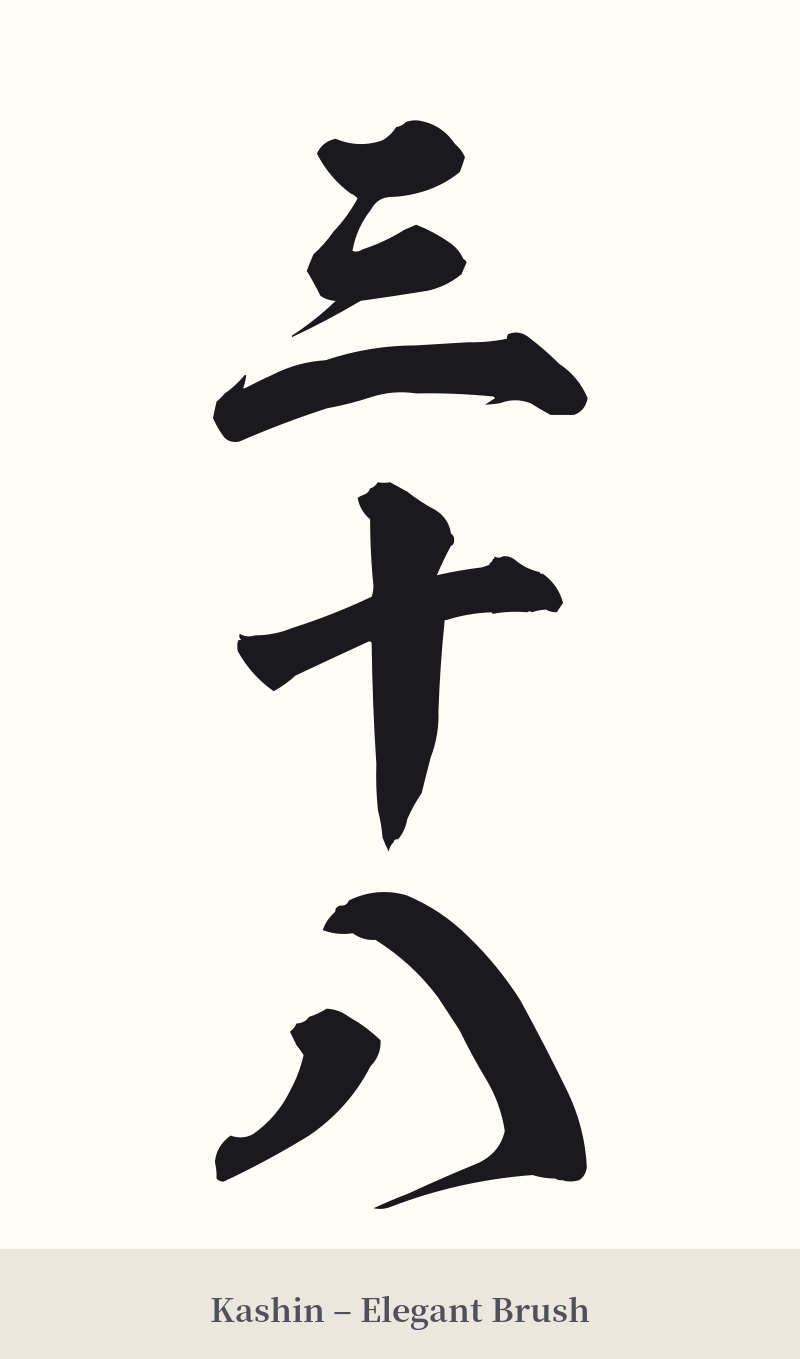
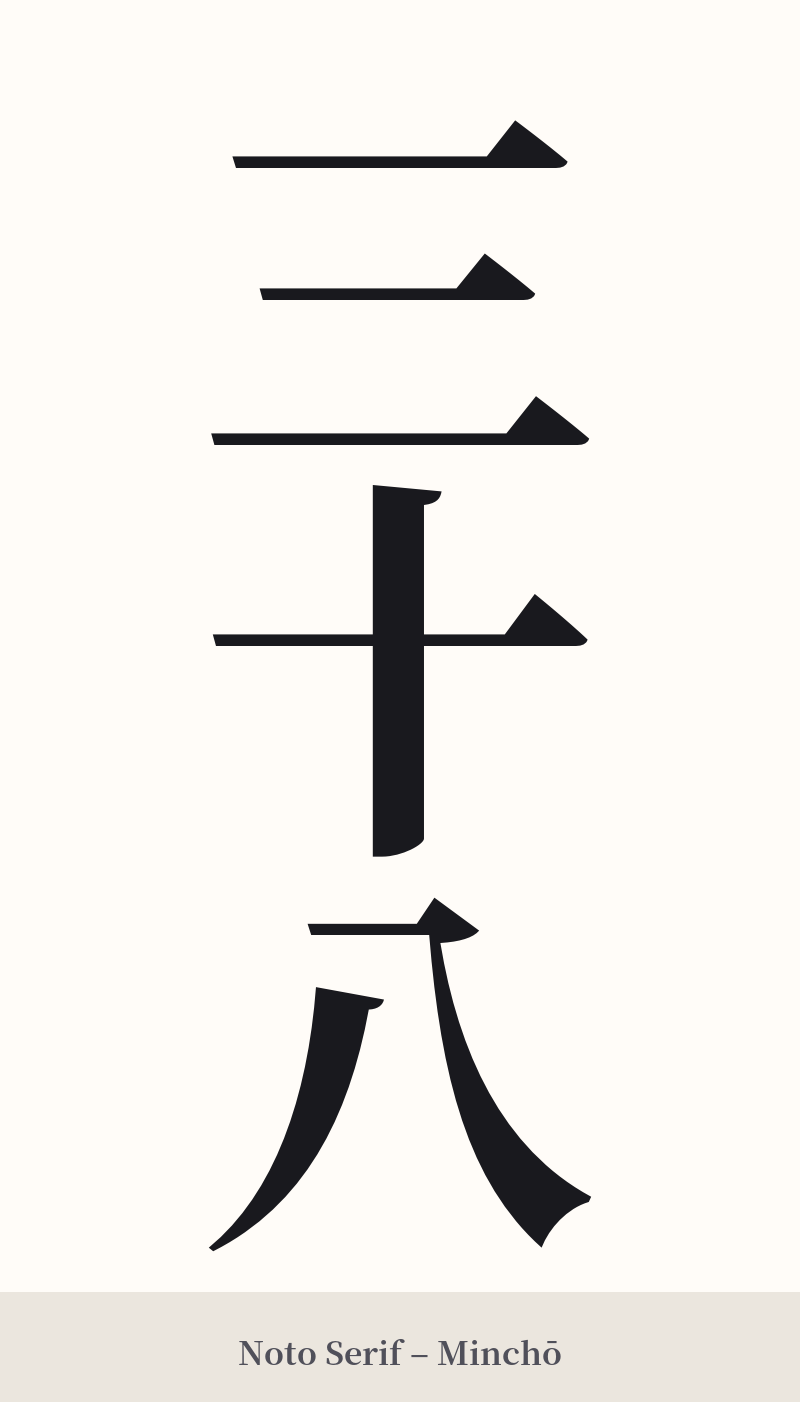
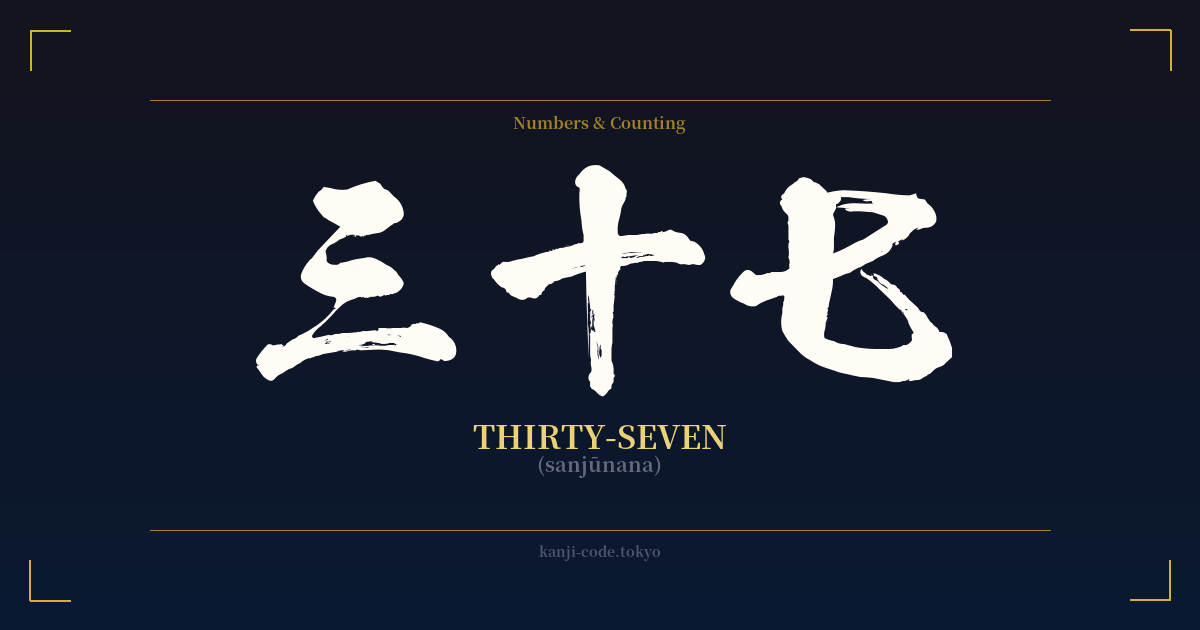
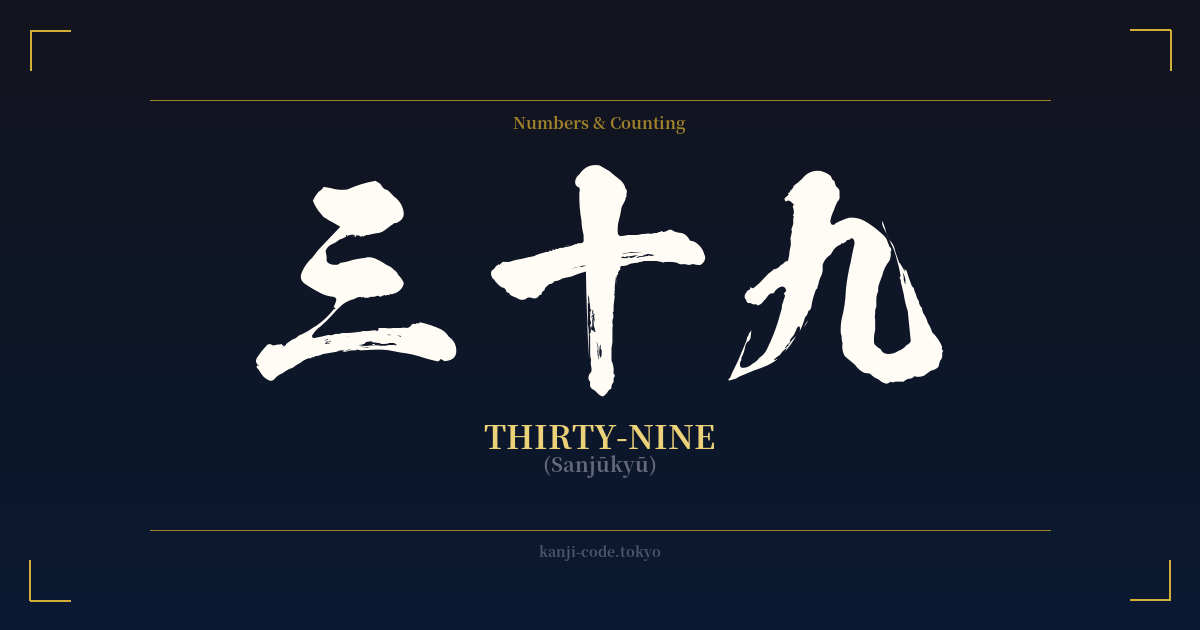
The same kanji can look dramatically different depending on the calligraphy style. Choose a font that matches the mood you want for your tattoo or design.
🎨 Tattoo Suitability
📐 Tattoo Design Guide
The kanji for 'thirty-eight' is composed of three simple, well-balanced characters, offering a clean and minimalist aesthetic. Its design works best when the simplicity is embraced.
– Placement: A vertical alignment (三十八 written top-to-bottom) is the most traditional and visually appealing orientation. This looks excellent along the forearm, the spine, the back of the calf, or beside the ribs.
– Font Style: For a modern and clean look, a standard Mincho (serif) or Gothic (sans-serif) font is a great choice. For a more artistic and expressive feel, a semi-cursive Gyosho or a fluid Sosho calligraphy style can add a touch of personality and movement, especially highlighting the dynamic strokes of 八.
– Visual Tips: Because the meaning is literal, consider incorporating it into a larger piece that gives context to the number's significance to you. However, as a standalone piece, its strength lies in its stark, geometric simplicity.
Comments