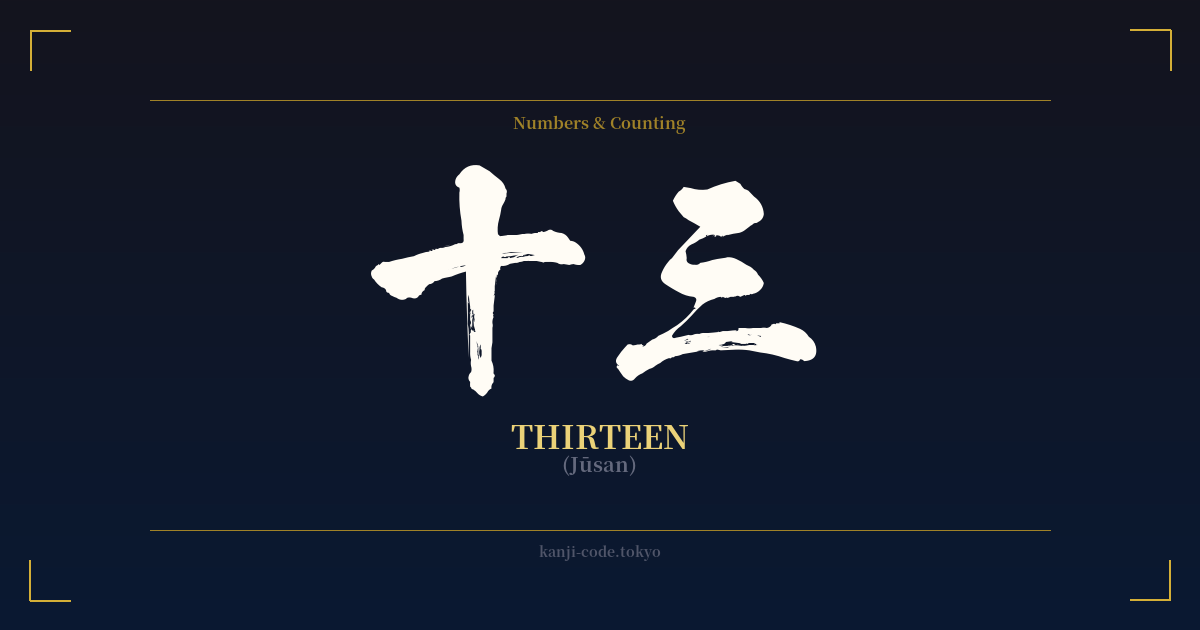
✍️ 十三 (Jūsan) — Cultural Context
The Japanese word for thirteen, 十三 (Jūsan), is a straightforward combination of the characters for 'ten' (十) and 'three' (三). While simple on the surface, its cultural context provides a fascinating contrast to Western superstitions.
In many Western cultures, the number 13 is steeped in fear and considered deeply unlucky. In Japan, this is not the case at all. The numbers that carry negative associations are four (四, shi), which sounds like the word for death (死), and nine (九, ku), which sounds like the word for suffering or agony (苦). Thirteen, by contrast, is a neutral number in daily life, free from any ominous baggage.
In fact, thirteen holds a special, positive significance in one important coming-of-age tradition: the Jūsan-mairi (十三参り), literally the 'thirteen visit'. This Buddhist ceremony is a rite of passage for boys and girls who have turned thirteen. They visit a temple to pray for wisdom, health, and blessings as they transition from childhood toward adulthood. This ceremony is particularly associated with temples dedicated to the Bodhisattva Akasagarbha (Kokūzō Bosatsu), who is believed to bestow wisdom and memory.
The most famous Jūsan-mairi is held at Hōrin-ji in the Arashiyama district of Kyoto. After praying, the children must cross the iconic Togetsukyō Bridge without looking back. It is said that if they turn around, they will lose the wisdom they have just received from the Bodhisattva. This tradition imbues the number thirteen with a sense of hopeful transition, intellectual growth, and spiritual blessing.
Furthermore, the number is significant in some Buddhist traditions, such as the 'Thirteen Buddhas' (十三仏, Jūsanbutsu). This is a group of Japanese Buddhist deities who are the focus of memorial services, with a specific deity presiding over services for the deceased at different intervals after their passing. This connects the number thirteen to cycles of life, death, and remembrance in a structured, spiritual way.
Therefore, while 十三 may seem like just a number, it is culturally tied to themes of wisdom, growth, and spiritual observance, making it far more nuanced than its Western counterpart.
🖌️ Font Styles for 十三
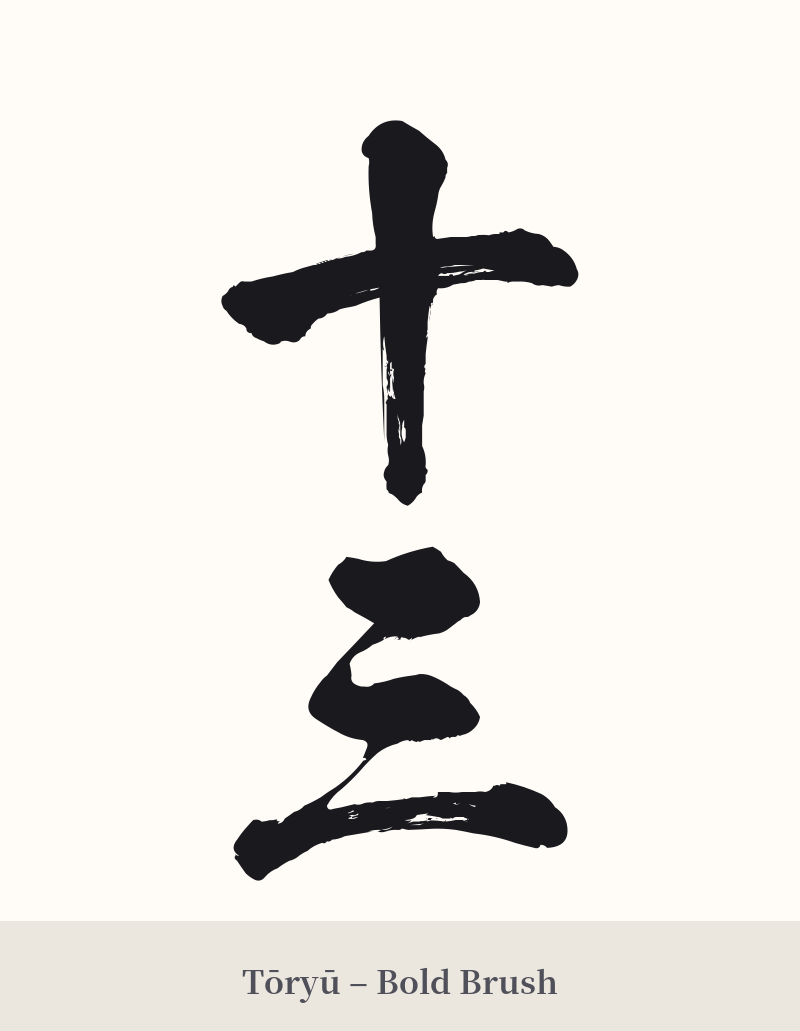
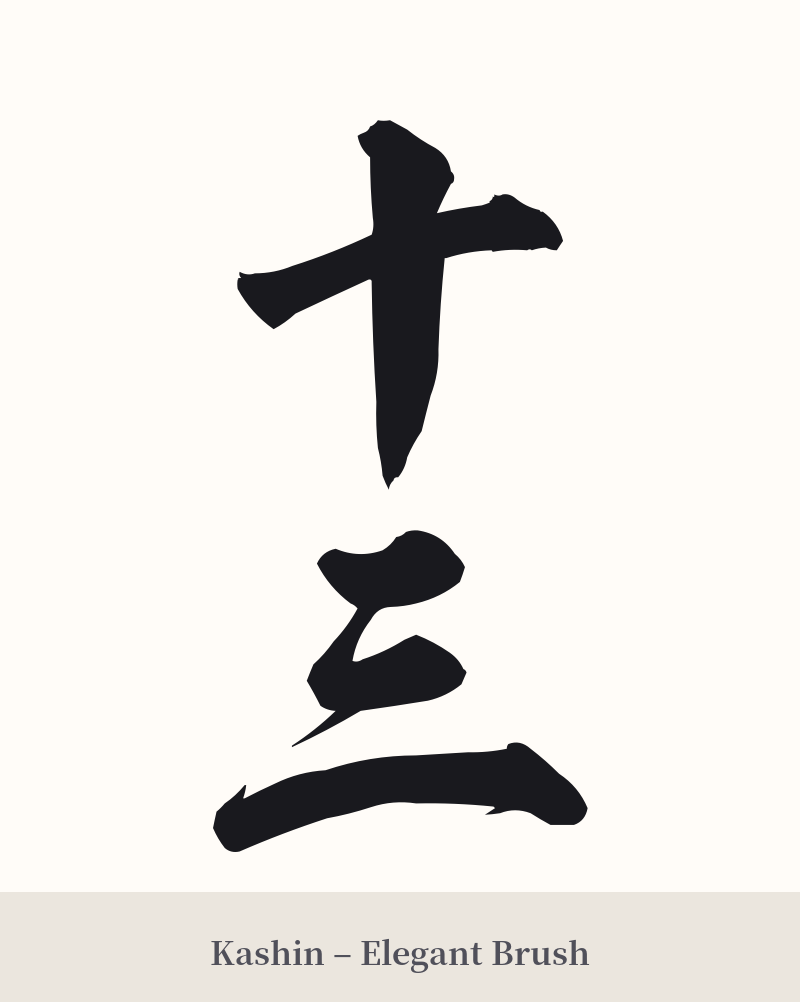
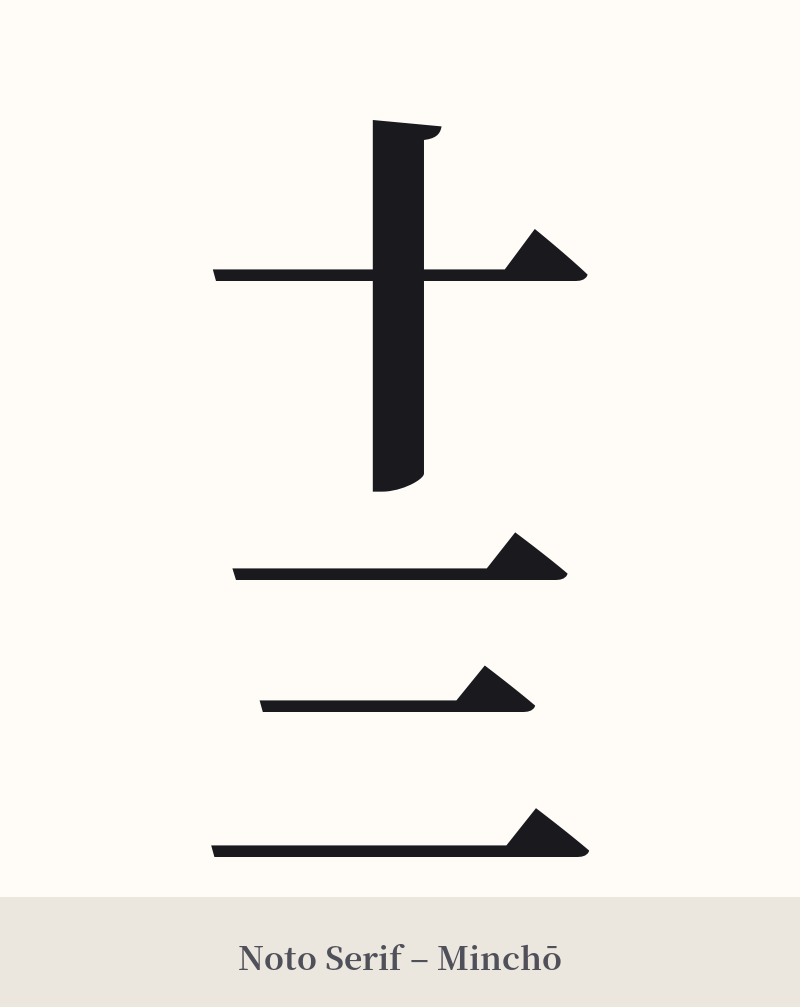
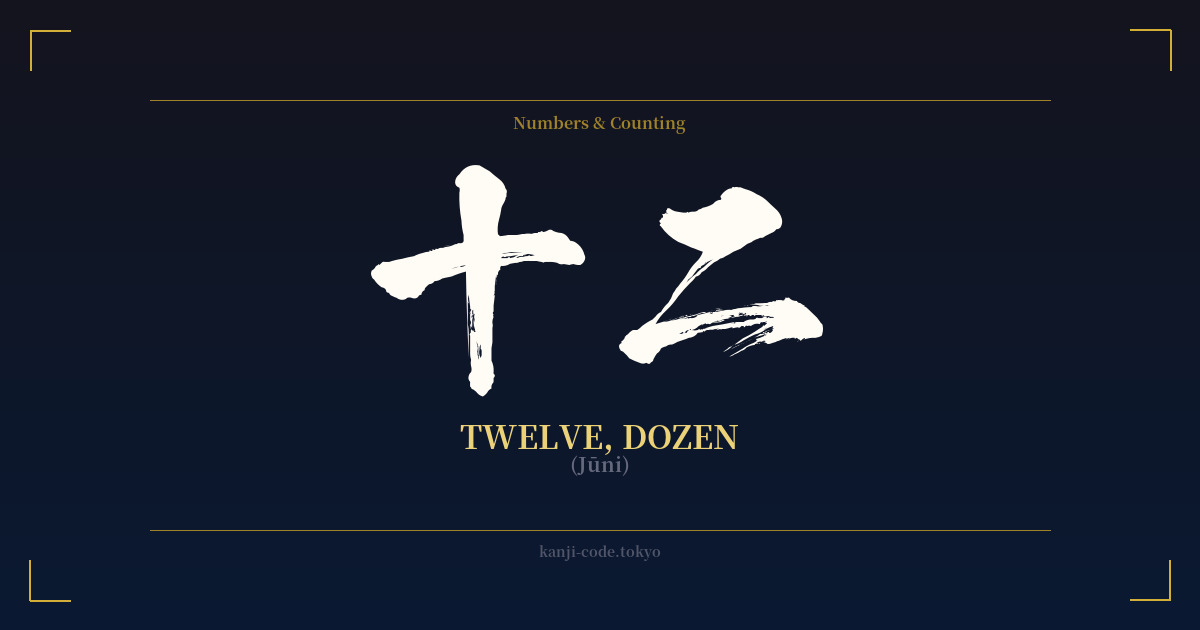
The same kanji can look dramatically different depending on the calligraphy style. Choose a font that matches the mood you want for your tattoo or design.
🎨 Tattoo Suitability
📐 Tattoo Design Guide
Due to the simplicity of the characters 十 and 三, the design choices are crucial to making a tattoo of 'Thirteen' feel intentional and artistic.
– Placement: Because of its simple form, 十三 works well in small, personal spots. Consider the inner wrist, behind the ear, on an ankle, or as part of a sequence of numbers along the fingers or collarbone.
– Font Style: Avoid standard, blocky computer fonts (like Gothic or Mincho), as they can make the tattoo look generic or even like a temporary stamp. Instead, opt for expressive calligraphic styles like Gyosho (semi-cursive) or Sosho (cursive) to give the simple strokes life and movement. A skilled artist can use brush stroke effects (kasure, or fading) to add texture and authenticity.
– Visual Integration: Instead of a standalone piece, consider incorporating 十三 into a larger design. It could be a date on a scroll, a brand on an object, or a number integrated into a Japanese-themed piece featuring elements like a daruma doll, a koi fish, or cherry blossoms. This gives the number context and makes it a detail within a larger story.
Comments