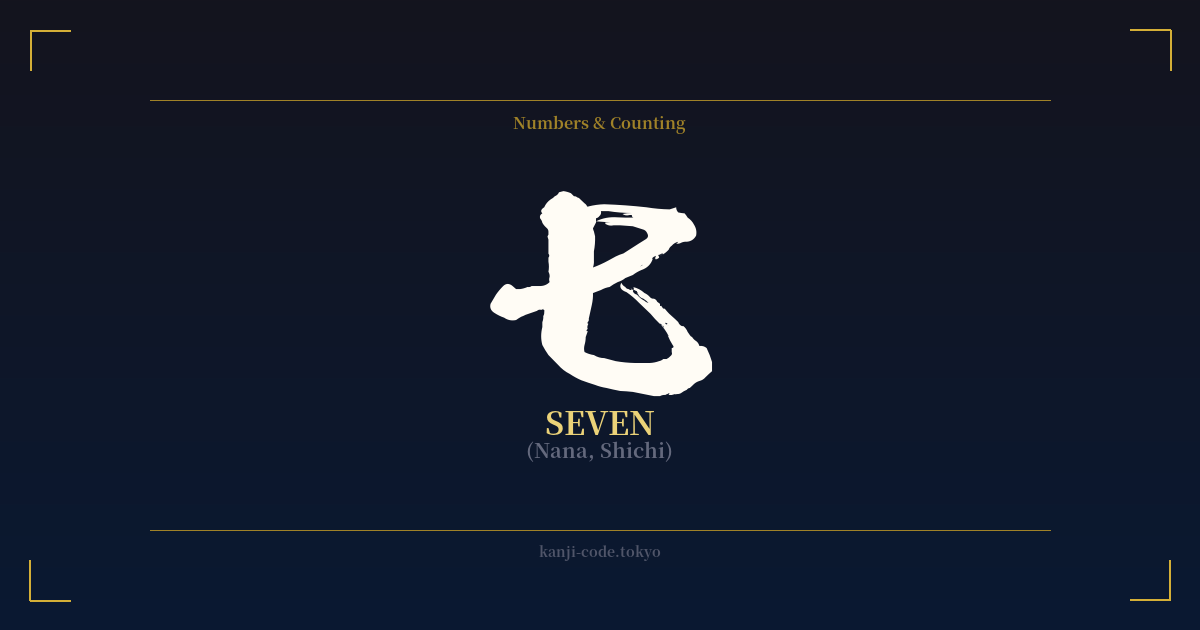
✍️ 七 (Nana, Shichi) — Cultural Context
The number seven, represented by the kanji 七, is far more than a simple digit in Japanese culture; it is a number steeped in luck, spirituality, and folklore. Unlike some numbers associated with misfortune, seven is widely considered auspicious, weaving its way through ancient traditions and modern pop culture alike.
This good fortune is most famously embodied by the Seven Lucky Gods, or 七福神 (Shichifukujin). This beloved pantheon, a syncretic blend of Buddhist, Taoist, and Shinto deities, is said to travel on their treasure ship (Takarabune) and bestow blessings upon the worthy, especially around the New Year. Each god represents a different virtue, from longevity and wealth to wisdom and happiness.
The number's powerful resonance extends into the world of martial honor, immortalized by Akira Kurosawa's cinematic masterpiece, "Seven Samurai" (七人の侍, Shichinin no Samurai). The film’s narrative of seven masterless samurai defending a village cemented the number's association with courage, teamwork, and righteous struggle in the global consciousness.
Historically, the kanji 七 is believed to have originated from a simple pictograph. One common theory suggests it represents the act of 'cutting' or 'dividing'. While its shape has been simplified over millennia, it retains a sharp, angular quality. The character consists of just two strokes: a horizontal line followed by a vertical line with a distinct hook at the end, a crucial detail often missed by non-native writers.
In terms of pronunciation, 七 has two primary readings: 'nana' and 'shichi'. While both are correct, 'nana' is often preferred in everyday counting and conversation. This is because 'shichi' contains the sound 'shi', which is a homophone for death (死). To avoid this unlucky association, many Japanese will consciously opt for 'nana', particularly in sensitive contexts like hospitals.
Seasonal festivals also highlight the number's importance. Tanabata (七夕), the Star Festival, is celebrated on the seventh day of the seventh month, marking the one day a year the celestial lovers Orihime and Hikoboshi can meet. Another is Nanakusa-no-sekku (人日の節句), the Festival of Seven Herbs, where a special rice porridge is eaten on January 7th to promote health and ward off evil for the year ahead.
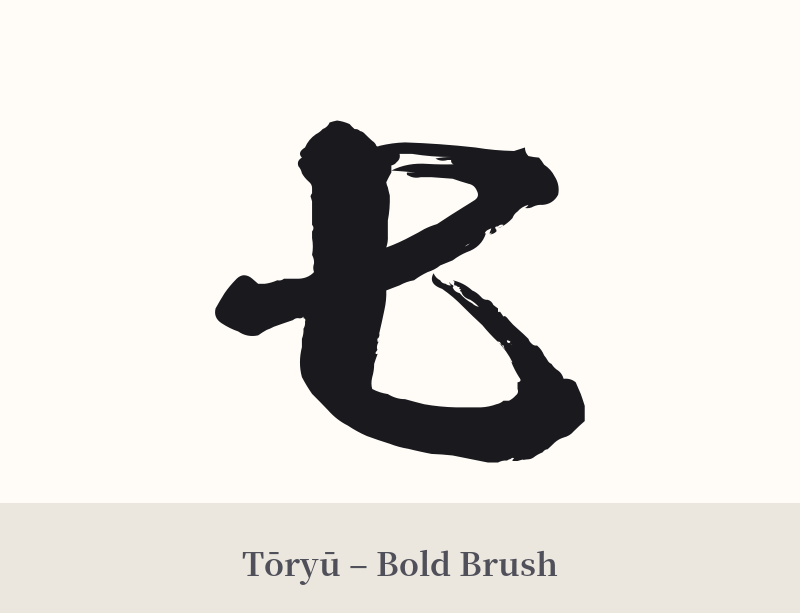
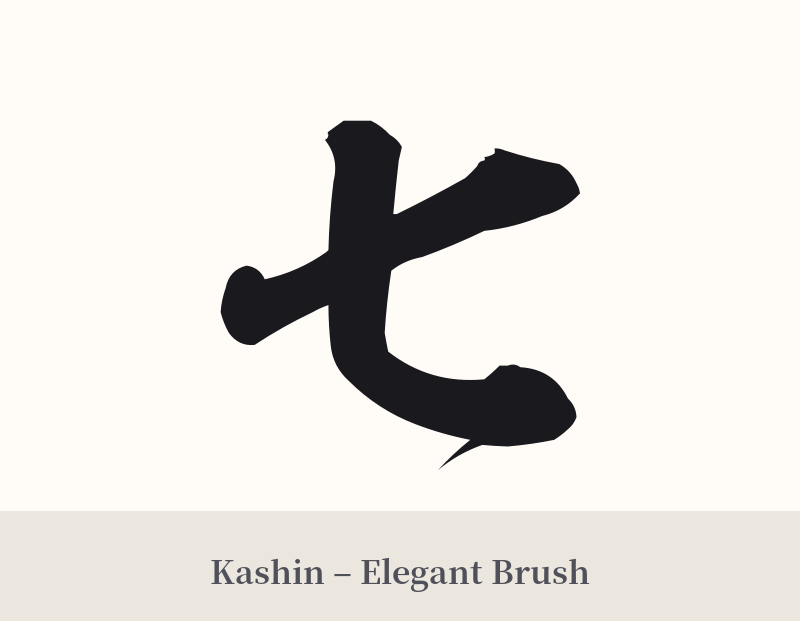
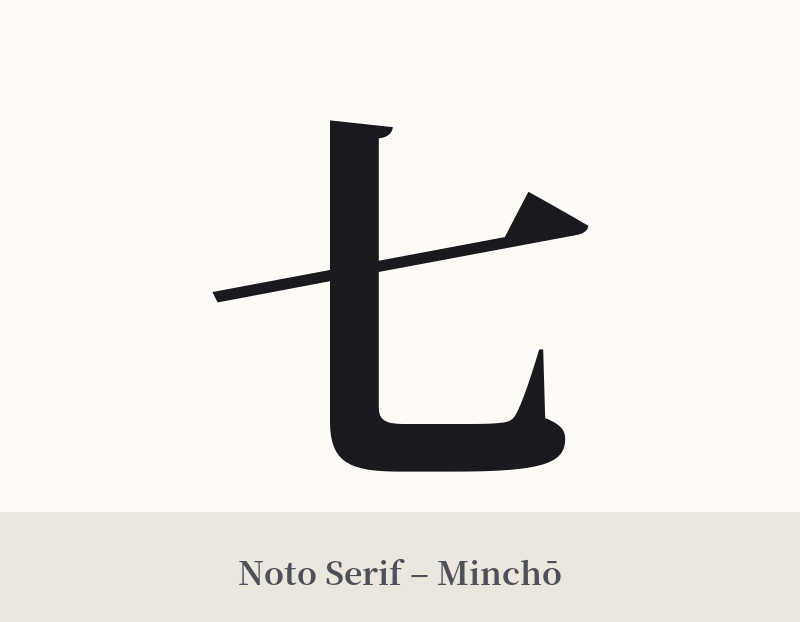
🖌️ Font Styles for 七
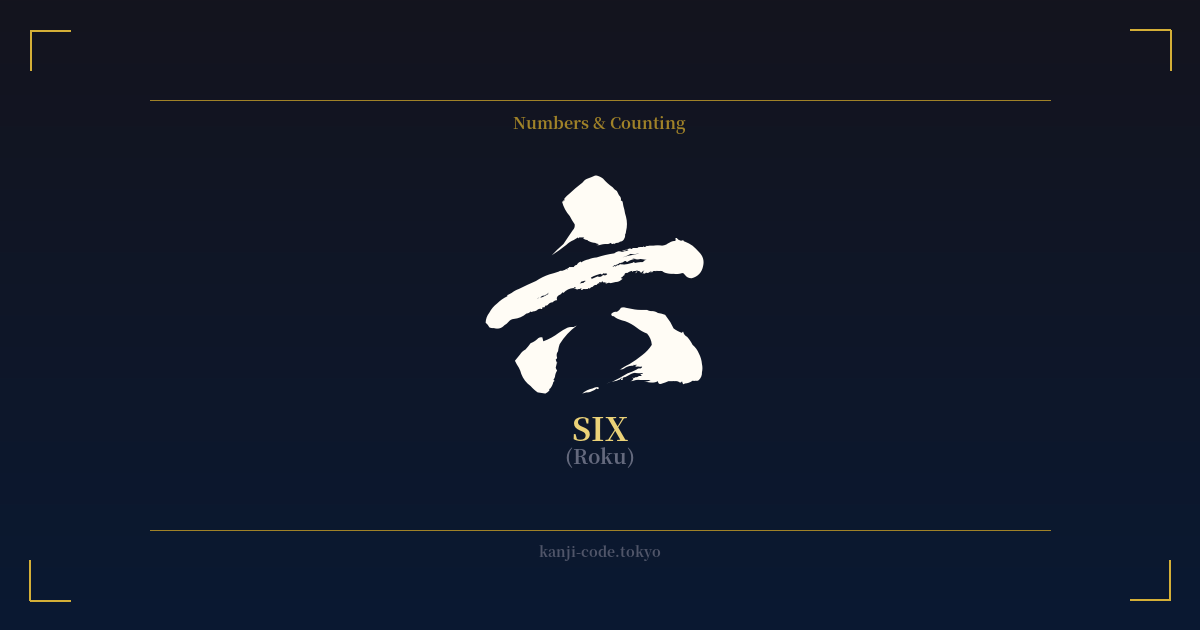
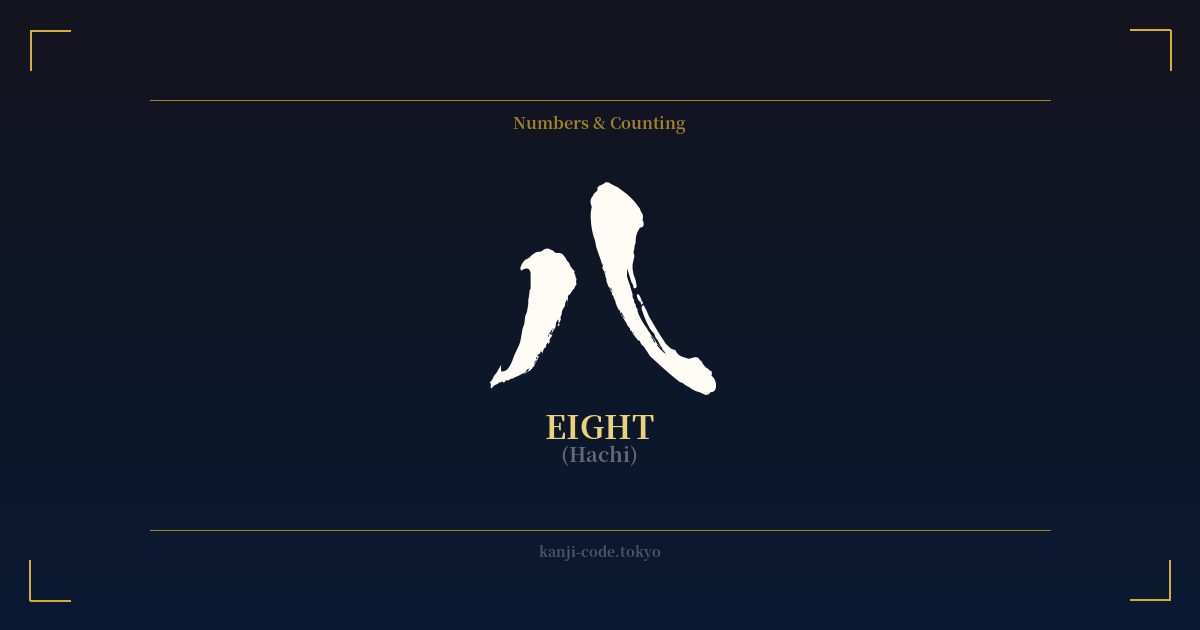
The same kanji can look dramatically different depending on the calligraphy style. Choose a font that matches the mood you want for your tattoo or design.
🎨 Tattoo Suitability
📐 Tattoo Design Guide
The simplicity of 七 is both its biggest challenge and a potential strength. For a tattoo, this character requires careful thought to avoid looking plain or accidental.
– Placement: Because it's so simple, 七 works well in smaller, more discreet locations like the inner wrist, behind the ear, on an ankle, or as a finger tattoo. It can feel lost and underwhelming in a large space like the back or chest unless it's part of a much larger composition.
– Style: Font choice is critical. A standard, blocky font will make it look like a typo. Opt for an expressive, dynamic calligraphy style like Gyosho (semi-cursive) or Sosho (cursive) to give it movement and artistic life. The brush strokes, ink splatters, and flow are what will make this design compelling.
– Visual Tips: Consider incorporating 七 into a larger image. It could be part of a date, combined with the kanji for one of the Seven Lucky Gods (like 福 for fortune), or integrated into an abstract design. Ensure your artist gets the stroke order and shape right—the second stroke is not just a vertical line but has a distinct hook or 'hane' at the end.
Comments