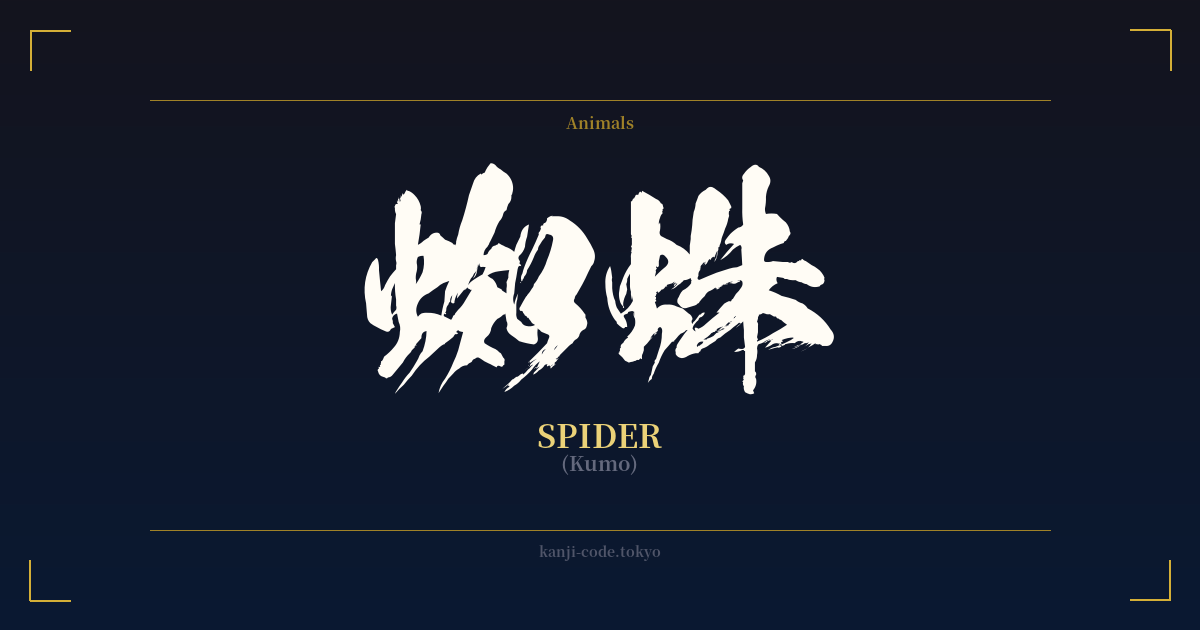
✍️ 蜘蛛 (Kumo) — Cultural Context
The Japanese word for spider, 蜘蛛 (kumo), carries a fascinating and deeply dualistic meaning that weaves together nature, art, and folklore. On one hand, the spider is a symbol of patience, persistence, and exquisite creativity. Its ability to spin an intricate, perfectly engineered web from its own body is seen as the ultimate act of artistry and ingenuity. An old Japanese superstition states, "Asa-gumo wa fuku wo motarasu, yoru-gumo wa fuka wo motarasu," meaning "A morning spider brings fortune, while a night spider brings misfortune." This belief paints the spider as a potential bearer of good luck, a welcome guest if seen at the right time.
However, there is a much darker, more menacing side to the spider's image in Japan, rooted deeply in yōkai (supernatural monster) folklore. The most famous of these is the Jorōgumo (絡新婦), a giant spider that can shapeshift into a bewitchingly beautiful woman. She lures unsuspecting men, often samurai or travelers, with her charm and music before trapping them in her silken webs and devouring them. This creature embodies themes of dangerous beauty, lust, and deadly deception.
Another prominent figure is the Tsuchigumo (土蜘蛛), or "Earth Spider." Historically, this was a derogatory term for rebellious local clans who resisted the imperial court. In legends, however, the Tsuchigumo evolved into monstrous, cave-dwelling spiders. The most famous tale involves the warrior Minamoto no Raikō, who falls ill with a mysterious fever, only to discover it is the work of a giant Tsuchigumo in disguise. He strikes the creature, and his retainers follow its trail of blood to a cave filled with its monstrous kin, whom they defeat in an epic battle.
This duality is also captured in literature. Ryūnosuke Akutagawa's famous short story, "The Spider's Thread" (蜘蛛の糸, Kumo no Ito), is a Buddhist parable where a single, compassionate act—a ruthless criminal sparing a spider's life—becomes his only chance at salvation from hell. The spider's thread, lowered from paradise, represents a fragile hope, but the man's inherent selfishness ultimately seals his fate.
Therefore, the word 蜘蛛 is not just an animal; it is a powerful cultural symbol. It represents the delicate balance between creation and destruction, fortune and danger, beauty and horror. It is a testament to how a single creature can inspire both admiration for its skill and terror for its predatory nature.
🖌️ Font Styles for 蜘蛛
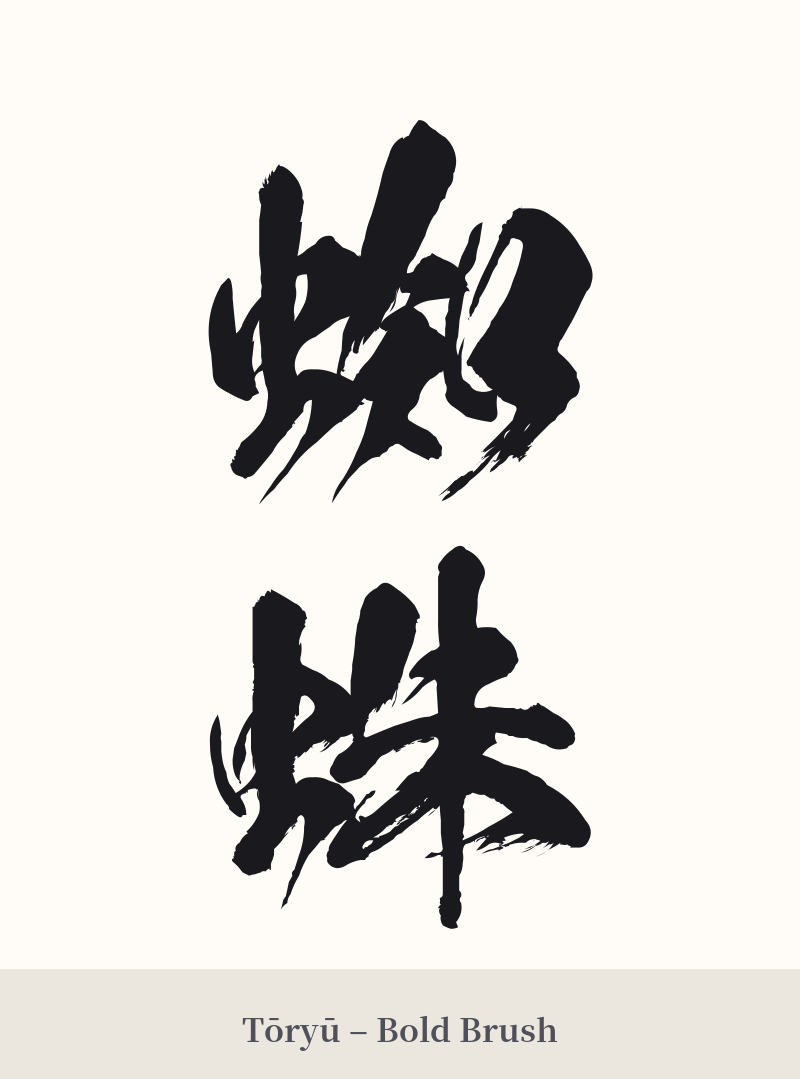
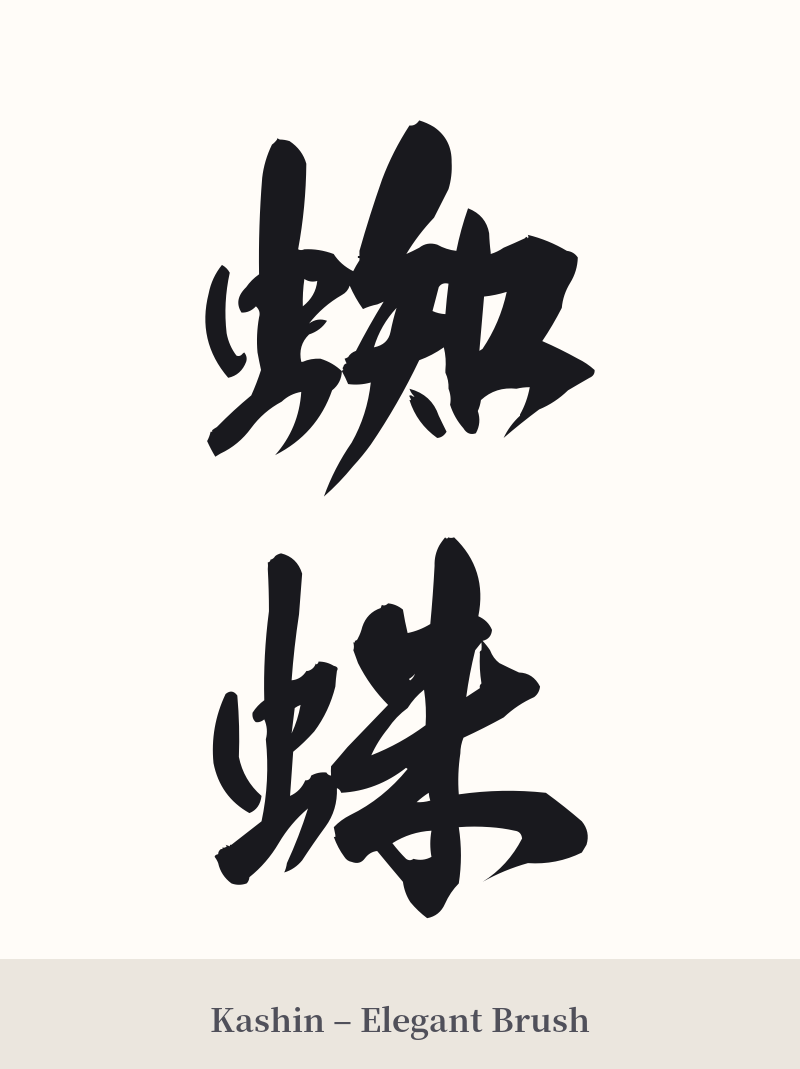
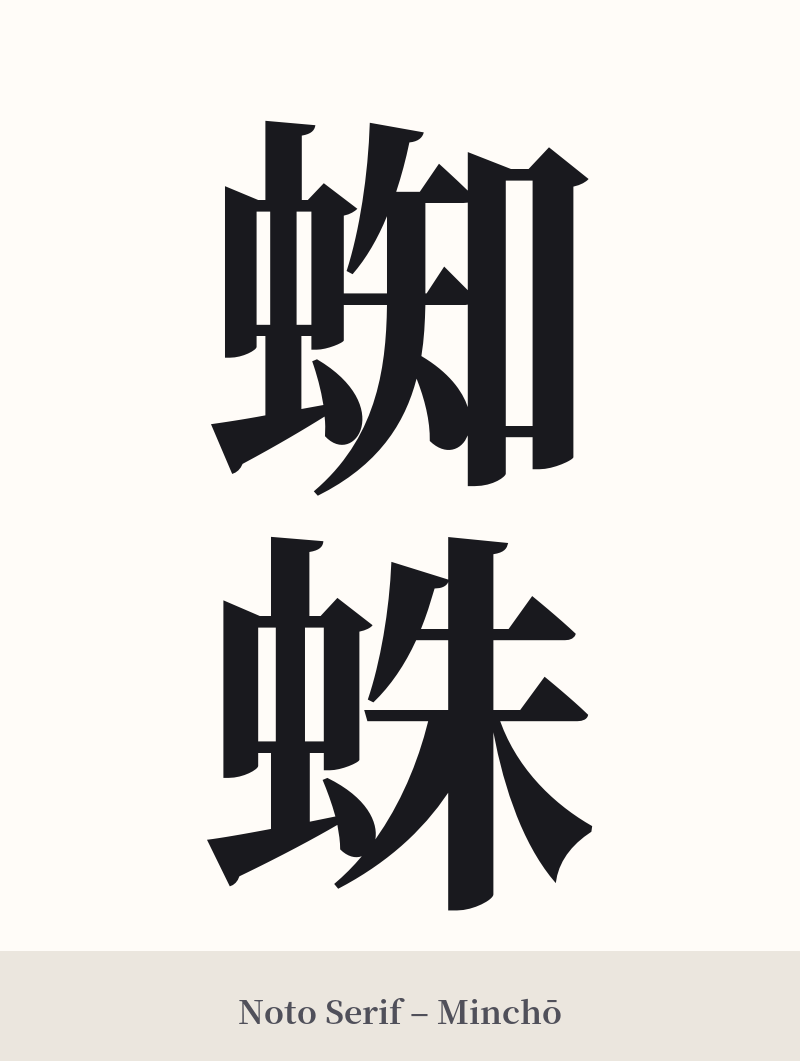
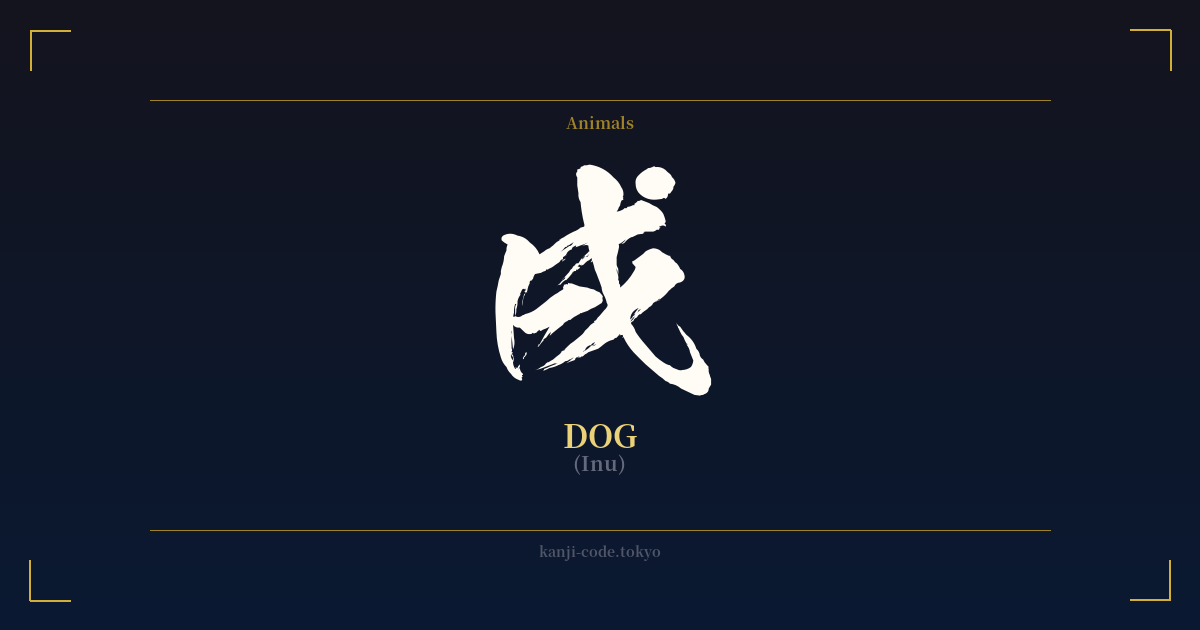
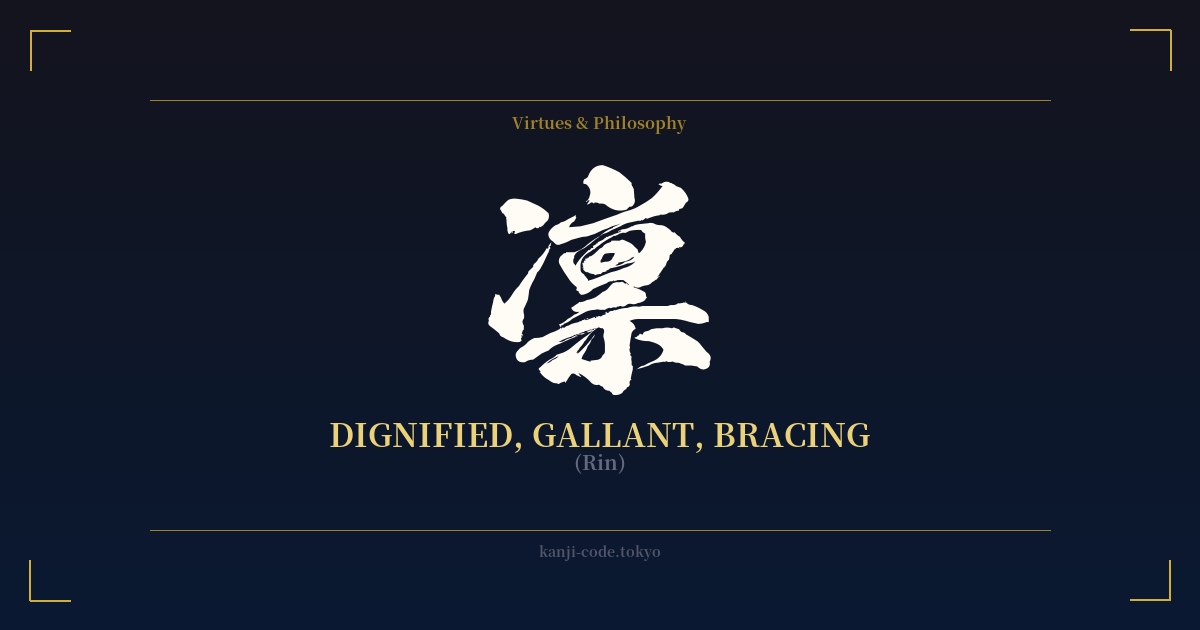
The same kanji can look dramatically different depending on the calligraphy style. Choose a font that matches the mood you want for your tattoo or design.
🎨 Tattoo Suitability
📐 Tattoo Design Guide
The complexity of the kanji for 蜘蛛 (kumo) lends itself to larger, more detailed tattoo designs. Avoid placing it in a small area where the intricate strokes could merge and become illegible over time.
– Placement: Consider areas that offer a generous canvas, such as the back, thigh, calf, or forearm. This allows the artist to render the characters with the clarity they deserve.
– Style: A flowing, semi-cursive (Gyōsho) or cursive (Sōsho) calligraphic style can mimic the organic, silken quality of a spider's web. Conversely, a bold, angular Kaisho (block) style can emphasize the creature's monstrous, dangerous aspect from folklore.
– Visuals: This kanji pairs exceptionally well with imagery. Consider weaving the characters into a spiderweb design, or placing them alongside a realistic or stylized spider. For a darker, folklore-inspired theme, you could incorporate a red moon, Higanbana (spider lilies), or elements of a beautiful woman to evoke the Jorōgumo.
Comments