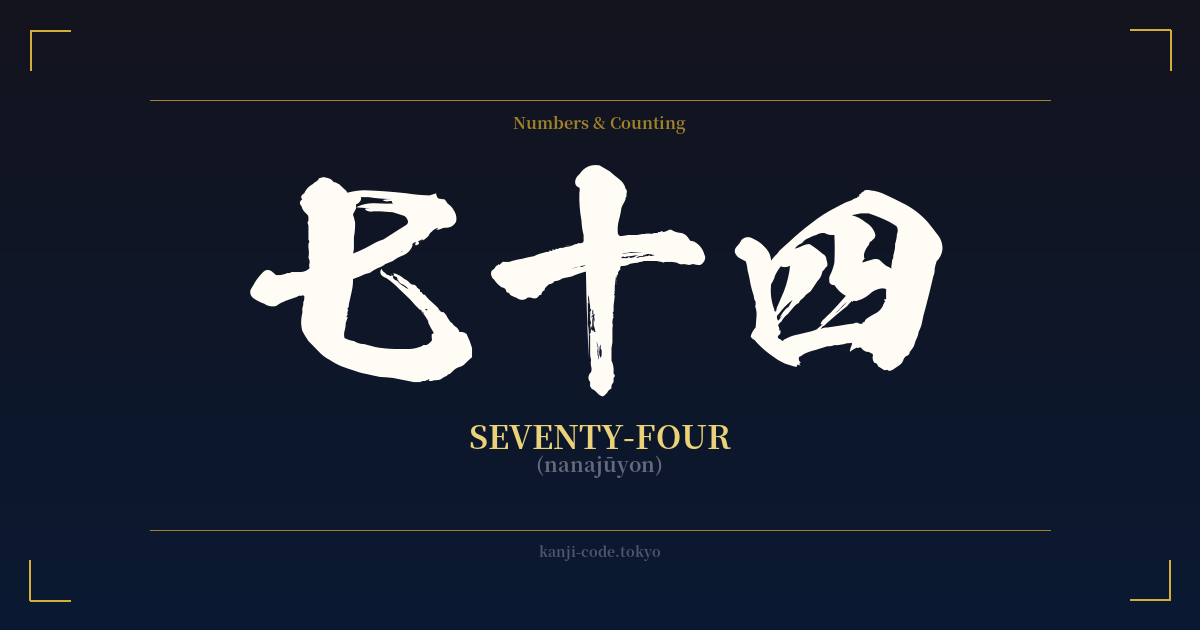
✍️ 七十四 (nanajūyon) — Cultural Context
The kanji compound 七十四 (nanajūyon) represents the number seventy-four in Japanese. On the surface, it's a simple construction, but it reveals the logical and systematic nature of the Japanese counting system, which was adopted from Chinese.
The structure is straightforward: 七 (nana, seven) is followed by 十 (jū, ten), and then 四 (yon, four). This translates literally to "seven tens and four," or 70 + 4. This additive and multiplicative system is consistent across all numbers, making it easy to form large numbers once the basic characters from one to ten, plus the characters for hundred (百), thousand (千), and so on, are known.
What makes this particular number interesting are the choices of readings. The character for seven, 七, has two common readings: 'nana' and 'shichi'. Similarly, the character for four, 四, can be read as 'yon' or 'shi'. In the case of seventy-four, the reading 'nanajūyon' is standard. The preference for 'nana' over 'shichi' is often to avoid confusion, as 'shichi' can sound very similar to 'ichi' (one).
The choice of 'yon' for four is more culturally significant. The reading 'shi' is a homophone for the kanji 死, which means "death." This association has led to a widespread superstition in Japan and other East Asian cultures known as tetraphobia—the fear of the number four. To avoid this unlucky connotation, the native Japanese reading 'yon' is almost always preferred when counting or stating numbers, especially in sensitive contexts like hospital room numbers or gift-giving. Therefore, saying 'nanajūshi' would sound strange and slightly ominous to a native speaker.
Unlike numbers such as seven (七), often considered lucky, or eight (八), associated with prosperity, the number seventy-four itself holds no special symbolic meaning in Japanese folklore, religion, or modern culture. Its significance is purely numerical. It's an age, a price, a page number—a simple descriptor of quantity. This lack of inherent symbolism makes it an unusual choice for artistic or decorative purposes, as its meaning is entirely literal and context-dependent.
🖌️ Font Styles for 七十四
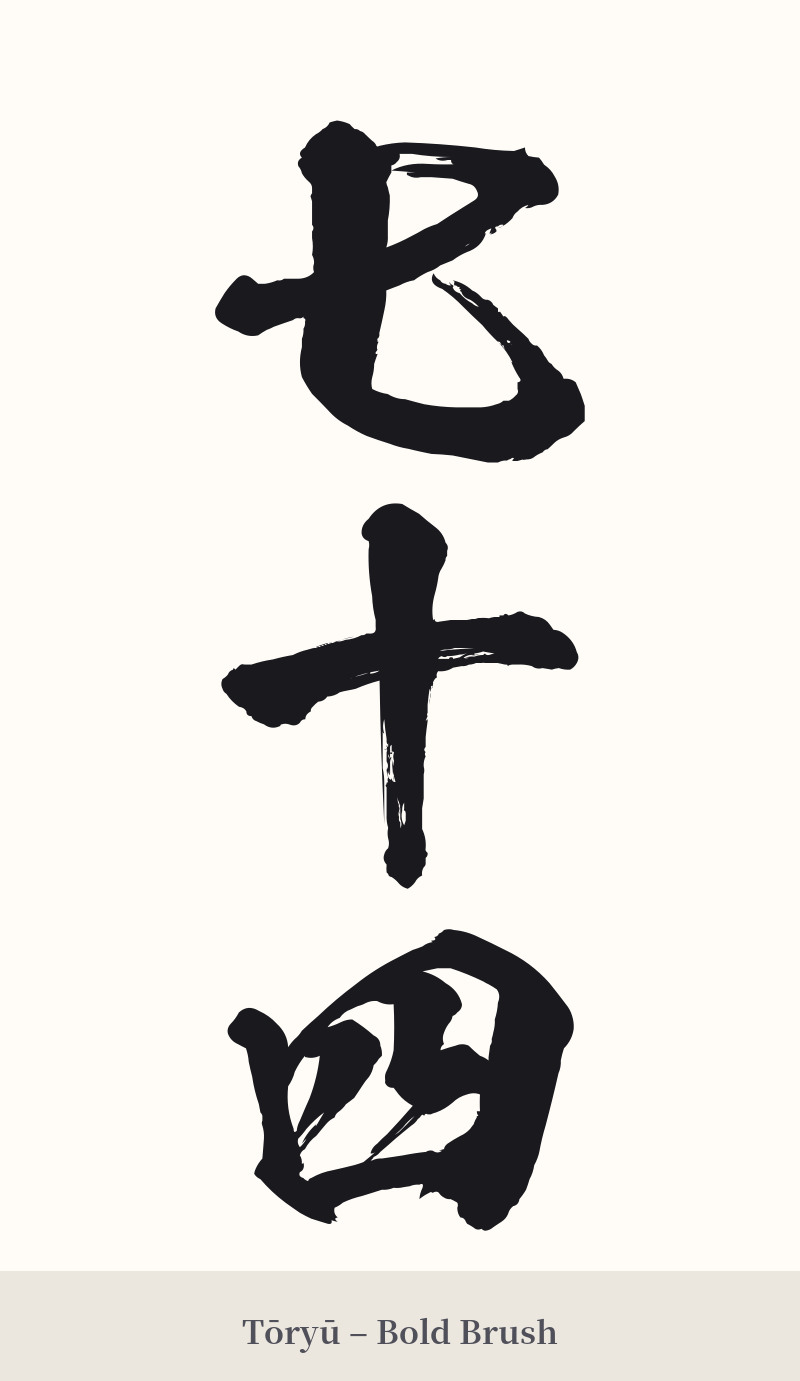
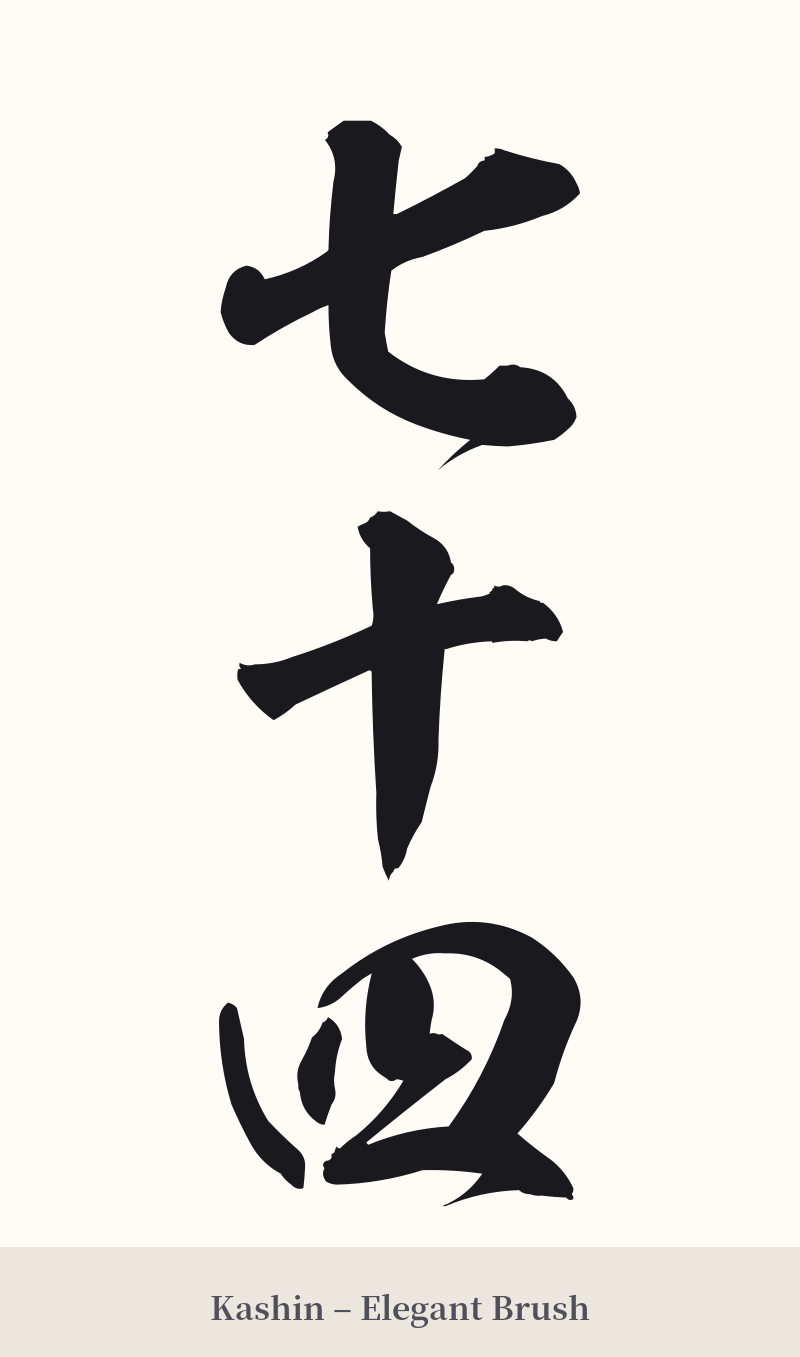
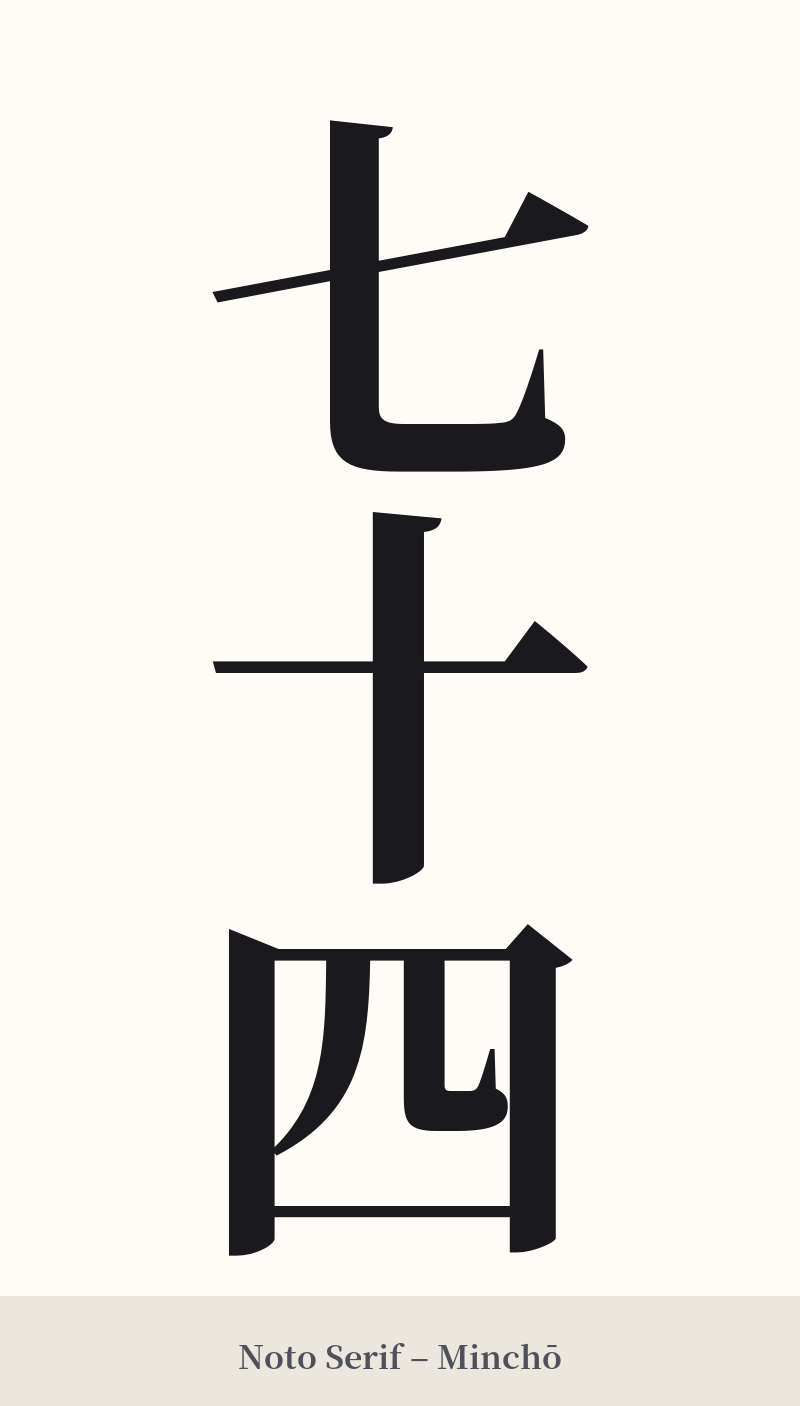
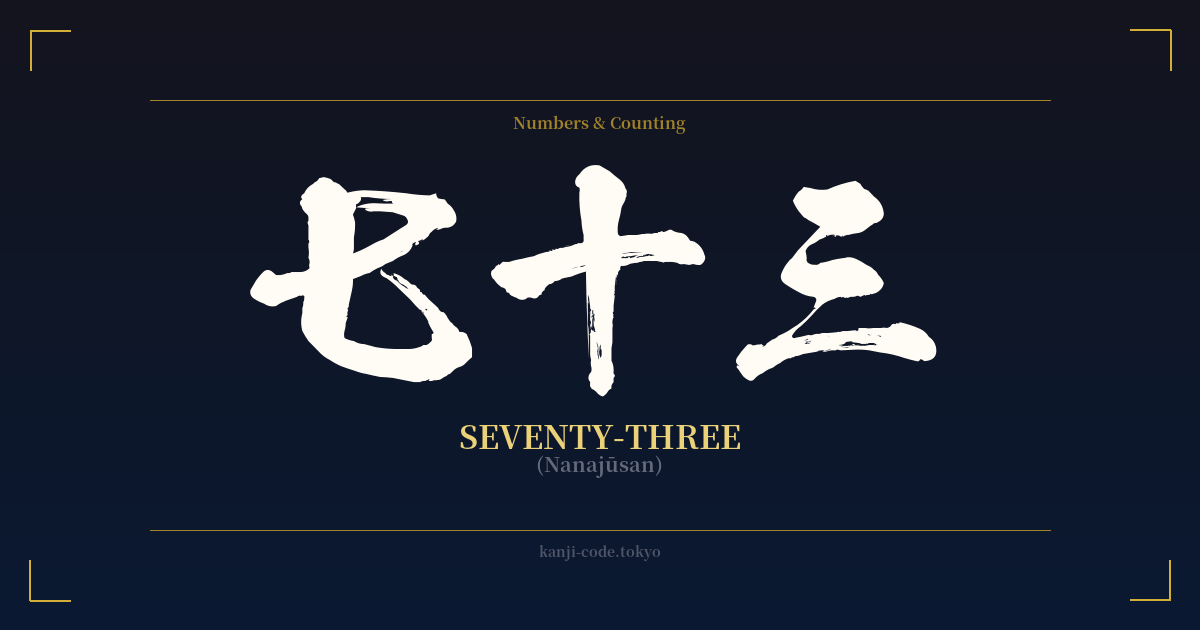
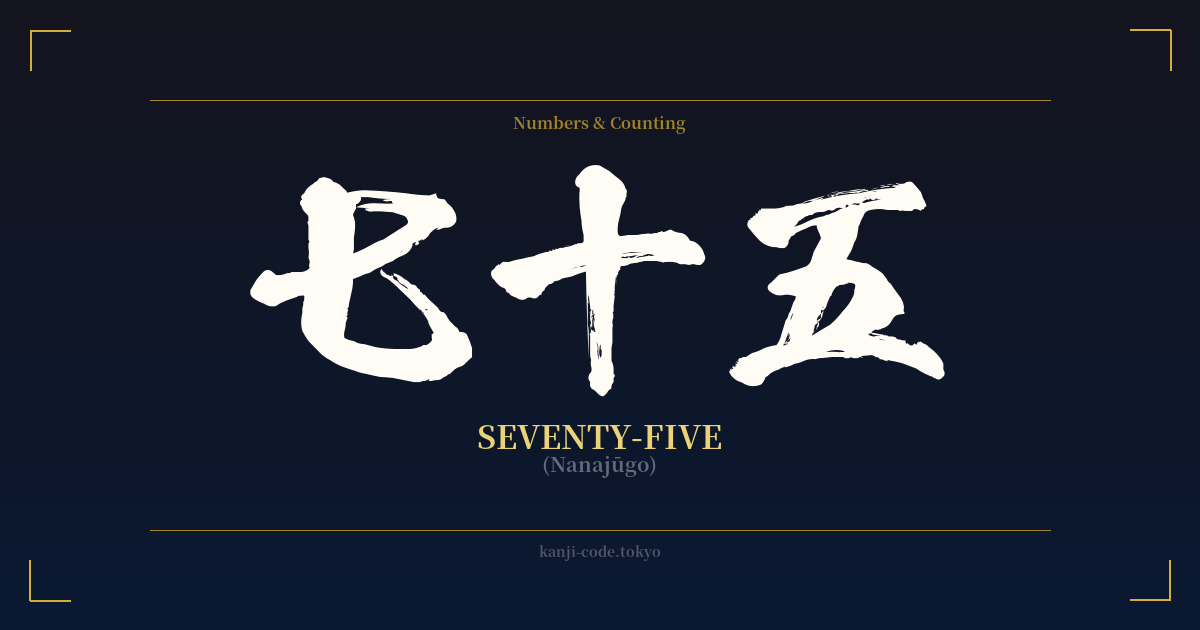
The same kanji can look dramatically different depending on the calligraphy style. Choose a font that matches the mood you want for your tattoo or design.
🎨 Tattoo Suitability
📐 Tattoo Design Guide
While 七十四 is not recommended for a tattoo due to its lack of symbolic meaning, if it holds deep personal significance (such as a birth year, an anniversary, or a jersey number), here are some design considerations to make it more visually compelling.
– Placement: Because the meaning is personal, a small, discreet placement is often best. Consider the inner wrist, behind the ear, on the ankle, or along the collarbone. These spots treat the tattoo more like a personal reminder than a public statement.
– Orientation: The characters can be written horizontally (七十四) or vertically. A vertical alignment is more traditional for Japanese writing and can create a more elegant flow, especially on an arm or along the spine.
– Font Style: A standard, blocky Gothic or clean Mincho font will emphasize the literal, numerical quality. For a more artistic take, a dynamic calligraphy style like Gyōsho (semi-cursive) or Sōsho (cursive) can add energy and flow to the simple characters, transforming them from mere numbers into a piece of art.
Comments