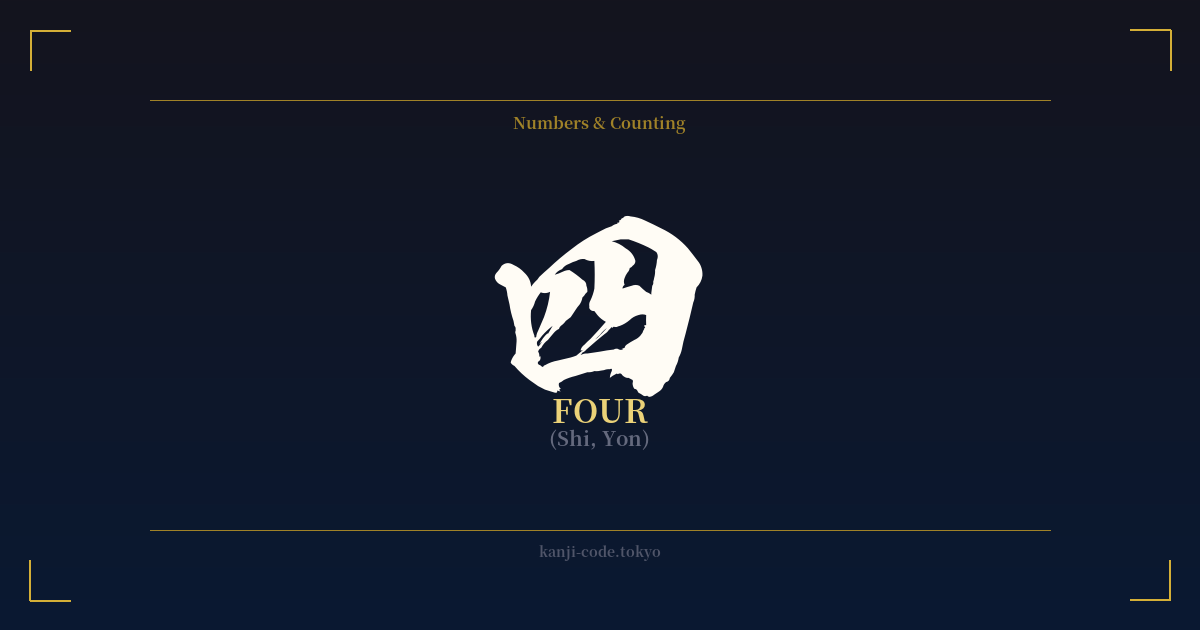
✍️ 四 (Shi, Yon) — Cultural Context
The kanji 四 represents the number four. On the surface, it is a simple numeral, but its cultural significance in Japan is profound and predominantly negative due to a linguistic coincidence. The character has two primary readings: the Sino-Japanese reading 'shi' and the native Japanese reading 'yon'.
The reading 'shi' is the source of the superstition. It is a perfect homophone for the kanji for death, 死, which is also read as 'shi'. This association has led to a widespread cultural phenomenon known as tetraphobia, the fear of the number four. This isn't just a quaint old belief; it actively influences daily life in modern Japan.
You will find this superstition embedded in the country's infrastructure. Many hospitals and hotels completely skip the fourth floor, going directly from three to five. Room numbers containing a four are often omitted. You would be hard-pressed to find a set of four items given as a gift, as it would be considered a morbid and offensive gesture, akin to wishing death upon the recipient.
To circumvent this unlucky association, the alternative reading 'yon' is used frequently. For instance, when counting people, one would say 'yonin' (四人) instead of 'shinin', as 'shinin' sounds identical to '死人' (dead person). Similarly, the time 4:00 is read as 'yoji', not 'shiji'. The choice between 'shi' and 'yon' often depends on context and established convention, with 'yon' being the safer, more common choice in everyday speech.
Despite this powerful negative connotation, the number four is not entirely without neutral or positive contexts. It appears in fundamental concepts like the 'four seasons' (四季, shiki), the 'four cardinal directions' (四方, shihō), and the 'Four Heavenly Kings' (四天王, Shitennō) who guard the Buddhist faith. In these established compounds, the 'shi' reading is often used, insulated from its negative meaning by the words around it. However, when the kanji 四 stands alone, the shadow of 'shi' as death looms large, making it a symbol fraught with caution.
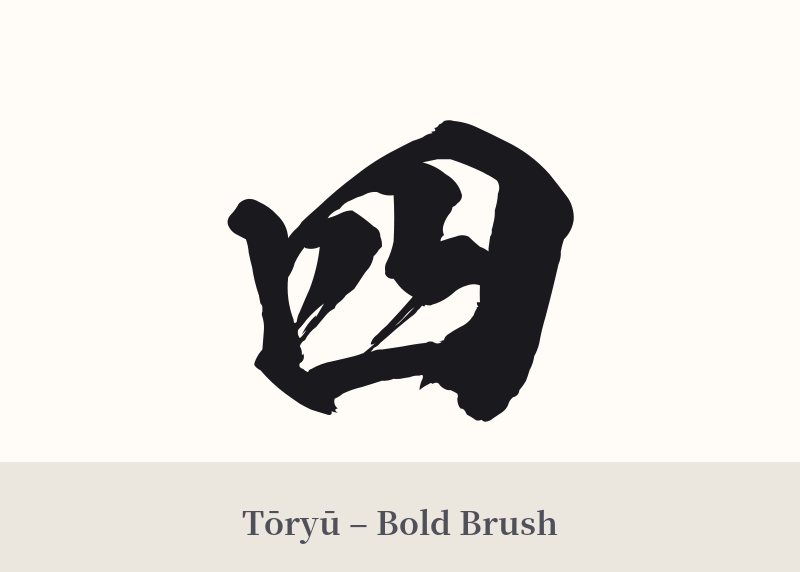
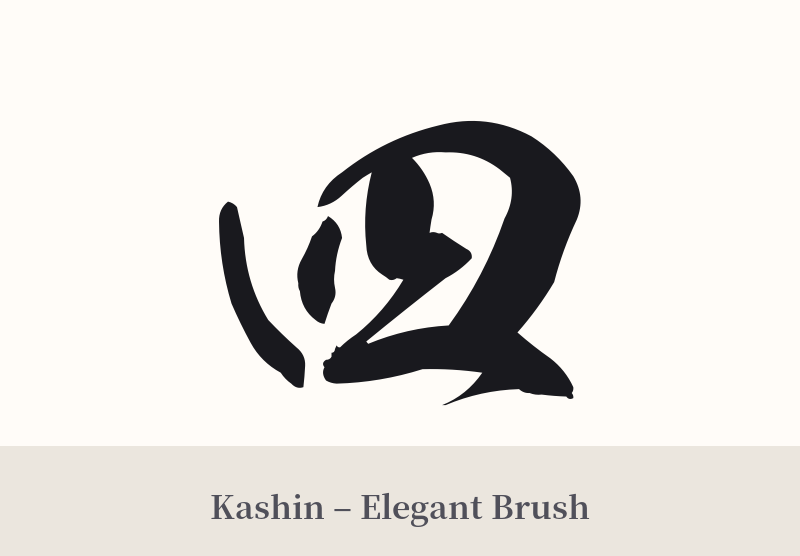
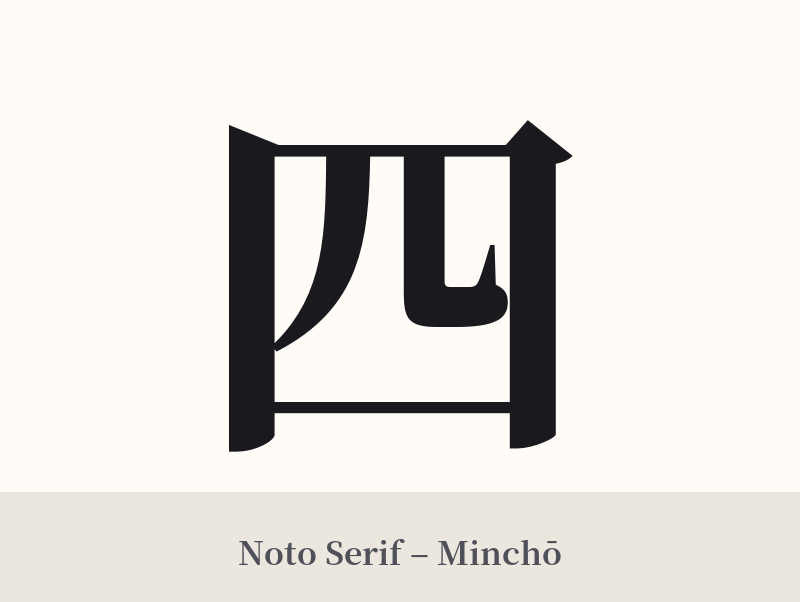
🖌️ Font Styles for 四
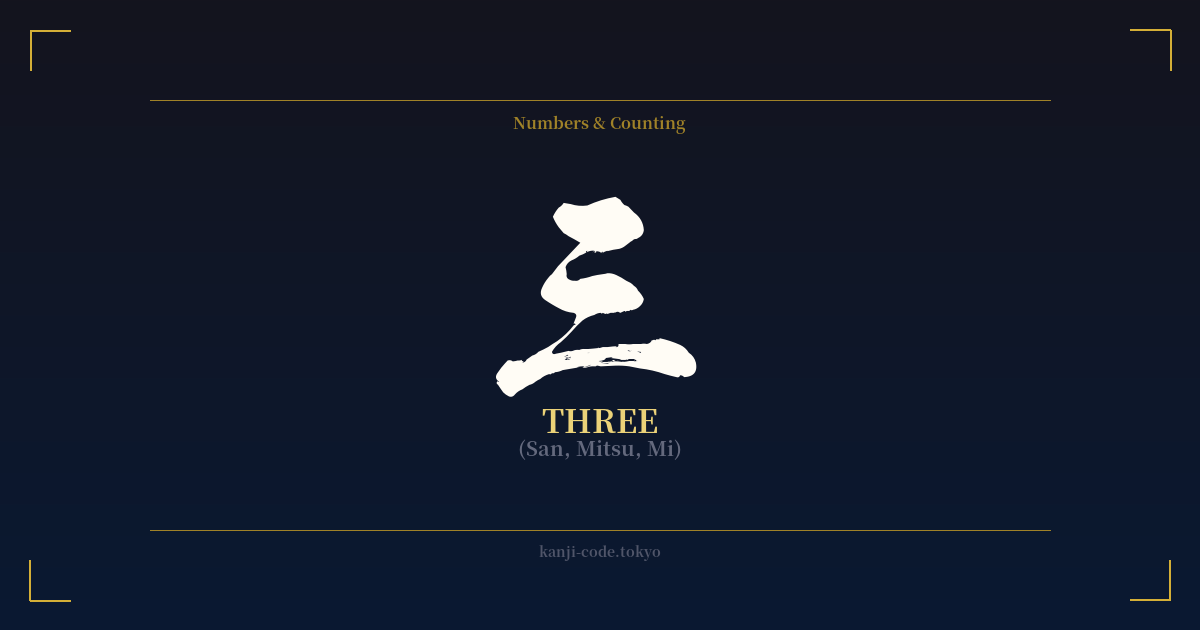
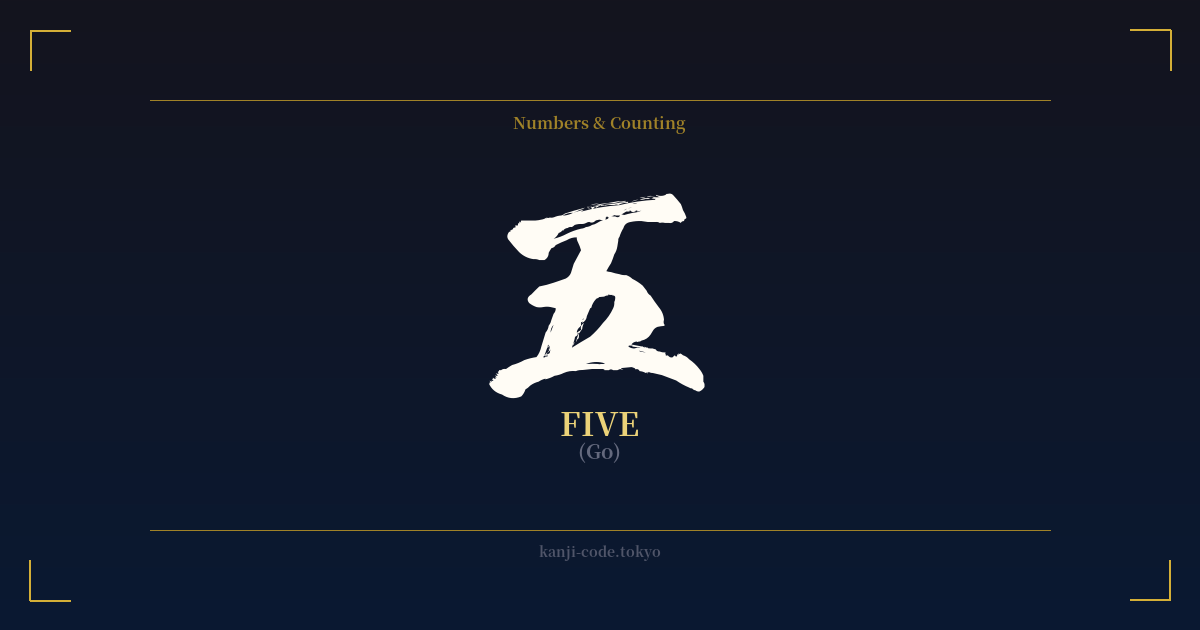
The same kanji can look dramatically different depending on the calligraphy style. Choose a font that matches the mood you want for your tattoo or design.
🎨 Tattoo Suitability
📐 Tattoo Design Guide
Given the strong negative connotations, tattooing the kanji 四 by itself is strongly discouraged. It is likely to be misunderstood as a symbol of bad luck or a fascination with death.
If you are absolutely set on using this character for a personal reason, the only recommended approach is to embed it within a larger, positive concept. This provides context and overrides the default negative meaning. Consider these options:
– Four Seasons (四季): Combine 四 with 季 (seasons) and surround it with imagery representing spring, summer, autumn, and winter. This transforms the meaning into the beautiful cycle of nature. – Four Guardians (四神): Incorporate it into a design featuring the four mythical guardians: Seiryū (Azure Dragon), Byakko (White Tiger), Suzaku (Vermilion Bird), and Genbu (Black Tortoise). – Four Elements: Though a Western concept, you could artistically combine 四 with symbols for earth, water, air, and fire.
For font style, its simple, geometric shape lends itself to a clean, minimalist Kaisho (block script). Avoid overly ornate styles that might clash with its stark form. Due to the cultural sensitivity, a small, discreet placement is advisable.
Comments