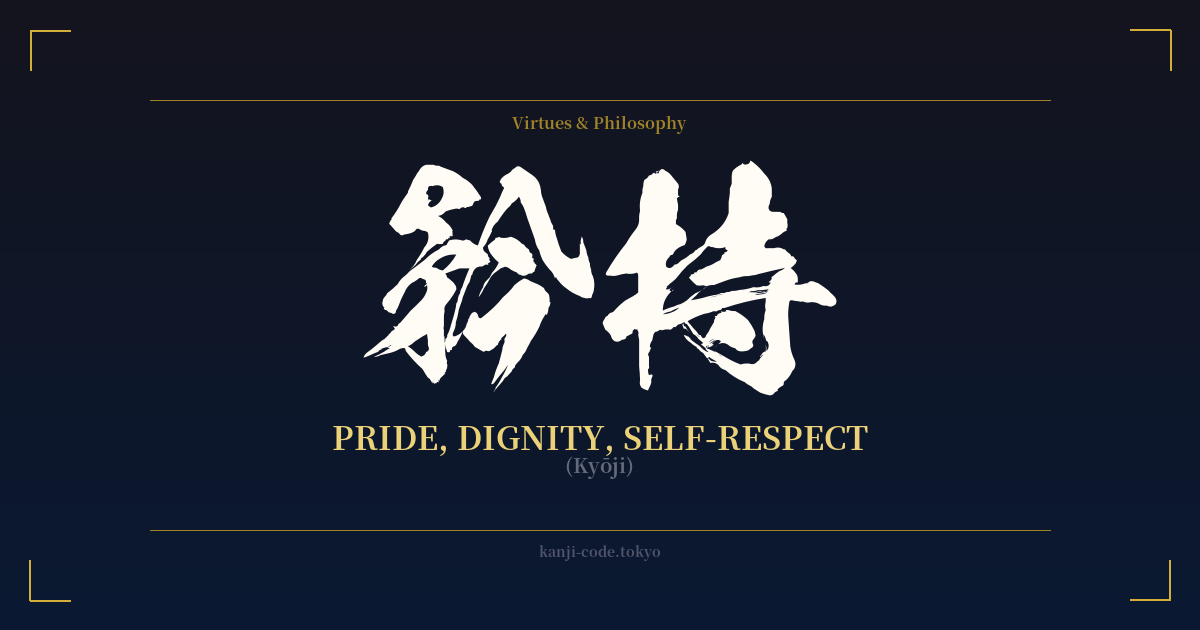
✍️ 矜持 (Kyōji) — Cultural Context
矜持 (Kyōji) is a Japanese word that translates to pride, but its meaning runs much deeper than the English equivalent. It doesn't signify arrogance or boastfulness. Instead, Kyōji represents a quiet, unshakable sense of self-respect and dignity. It is an internal compass, a standard to which one holds oneself, regardless of external circumstances.
This concept is deeply rooted in Japanese philosophy and the samurai ethos of Bushido. For a warrior, Kyōji was paramount. It was the refusal to disgrace oneself or one's principles, even in the face of death. It was the dignity maintained in defeat, the inner strength that could not be taken away by an enemy. This wasn't about showing off strength, but about possessing an inner fortitude and a commitment to one's honor (名誉, meiyo).
In modern Japan, the spirit of Kyōji lives on. You can see it in the 'shokunin' (artisan) who pours their soul into their craft, refusing to cut corners or deliver anything less than their best work. Their Kyōji is tied to the quality of their creation and the integrity of their process. It’s the chef meticulously preparing a dish, the calligrapher practicing a single stroke for hours, or the engineer pursuing perfection in their design. This pride is not for applause; it's for the satisfaction of upholding their own high standards.
The word itself beautifully illustrates this idea. 矜 (kyō) means 'pride' or 'respect,' while 持 (ji) means 'to hold' or 'to maintain.' Together, they literally mean "to hold one's pride." This act of 'holding' is key—it implies a conscious, continuous effort to maintain one's integrity.
Kyōji is often contrasted with 誇り (hokori). While both mean pride, hokori can be more external—pride in one's country, team, or a specific achievement. Kyōji is more personal and introspective. It’s the quiet confidence of knowing your own worth and acting in accordance with your values, without needing validation from others. It is the backbone of character, a silent declaration of self-worth that guides one's actions and decisions.
🖌️ Font Styles for 矜持
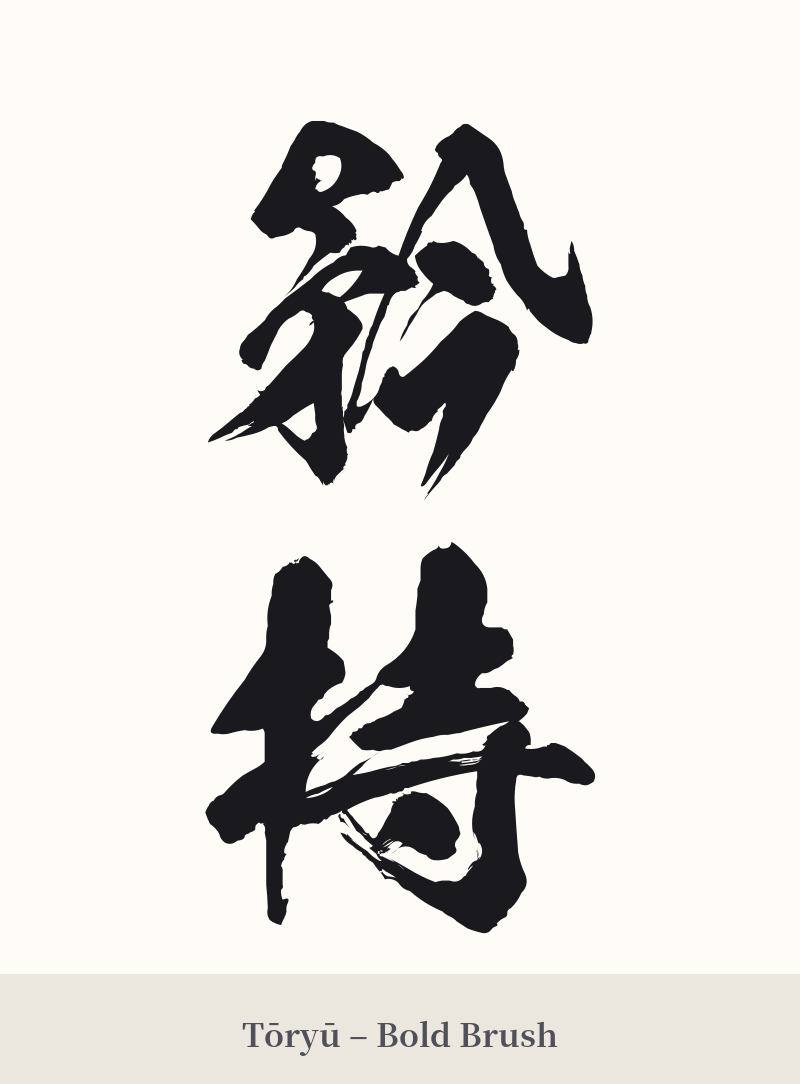
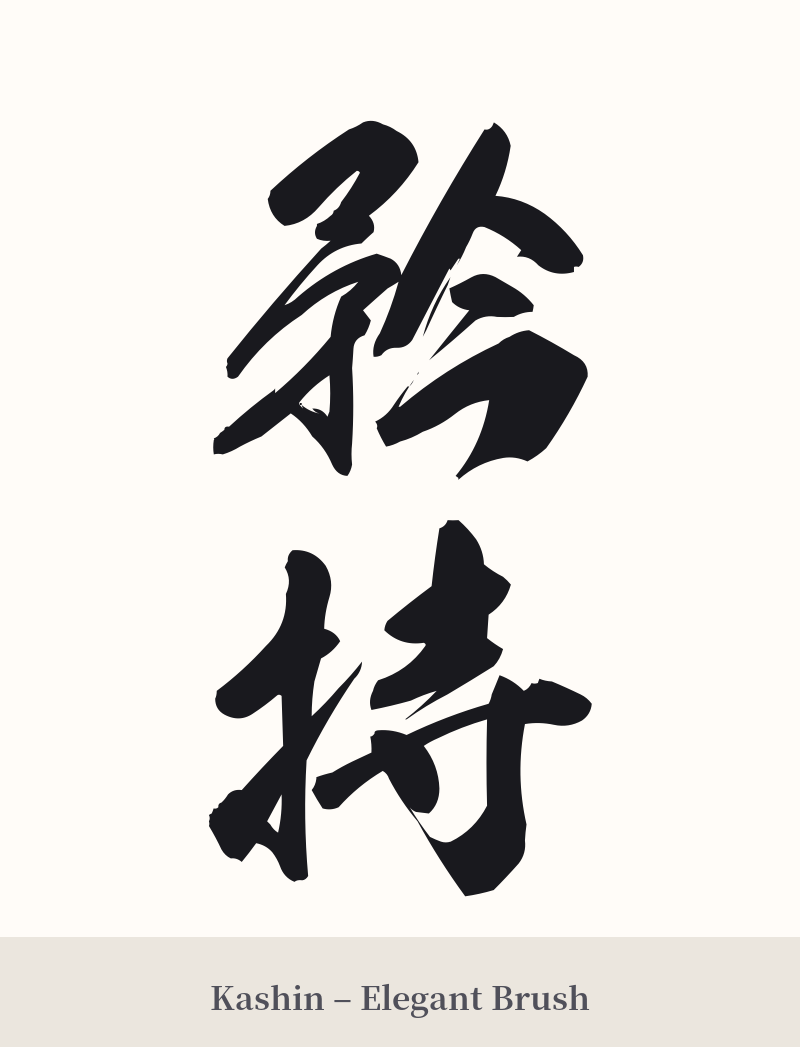
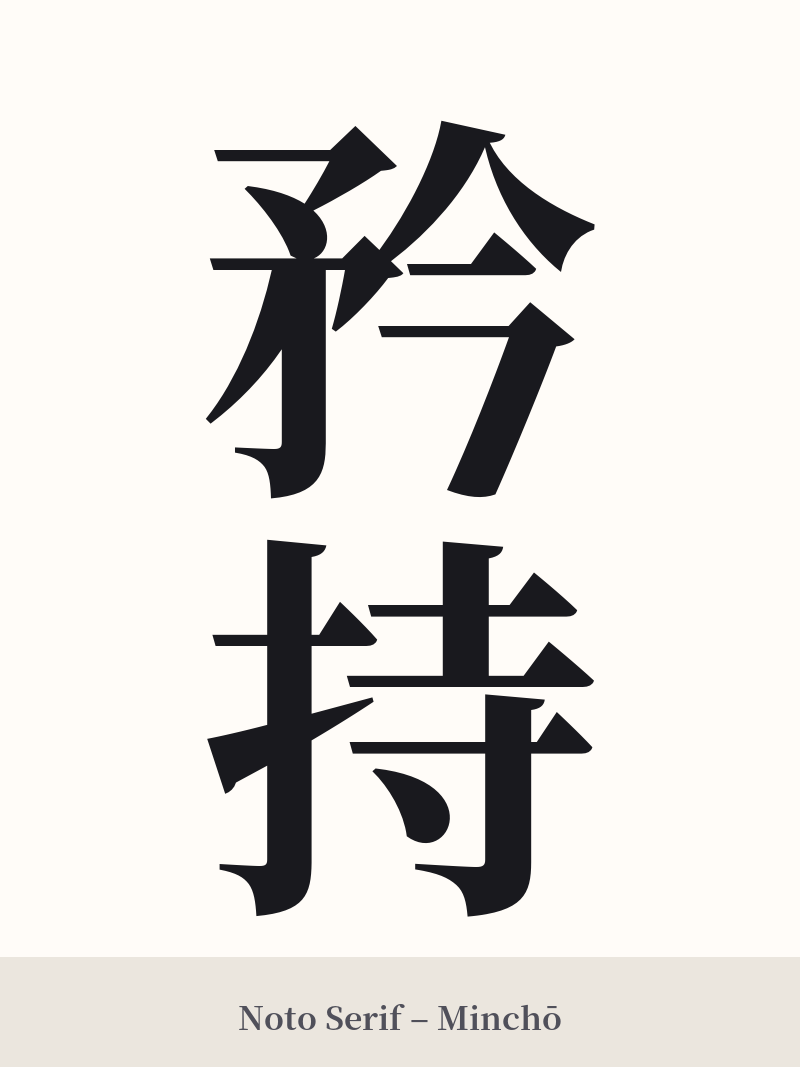
The same kanji can look dramatically different depending on the calligraphy style. Choose a font that matches the mood you want for your tattoo or design.
🎨 Tattoo Suitability
📐 Tattoo Design Guide
The word 矜持 (Kyōji) lends itself well to designs that emphasize elegance and inner strength. Due to its vertical nature, it is often best suited for specific placements.
– Placement: A vertical alignment along the spine, forearm, or calf can look particularly striking, accentuating the natural flow of the characters. For a horizontal design, the inner bicep or across the collarbone are excellent choices that allow the kanji to be clearly read.
– Font Style: A semi-cursive script like Gyosho (行書) would capture the blend of strength and grace inherent in the word's meaning. For a bolder, more stoic impression, a clean and strong Kaisho (楷書) block script is a classic choice. Avoid overly ornate or aggressive styles that might conflict with the concept of quiet dignity.
– Visual Tips: 矜持 is powerful enough to stand alone. A minimalist approach is often best. If you wish to add an element, consider something subtle like a single, faint brushstroke underneath, or placing it within a simple Enso (Zen circle) to symbolize the completeness of one's inner world and self.
Comments