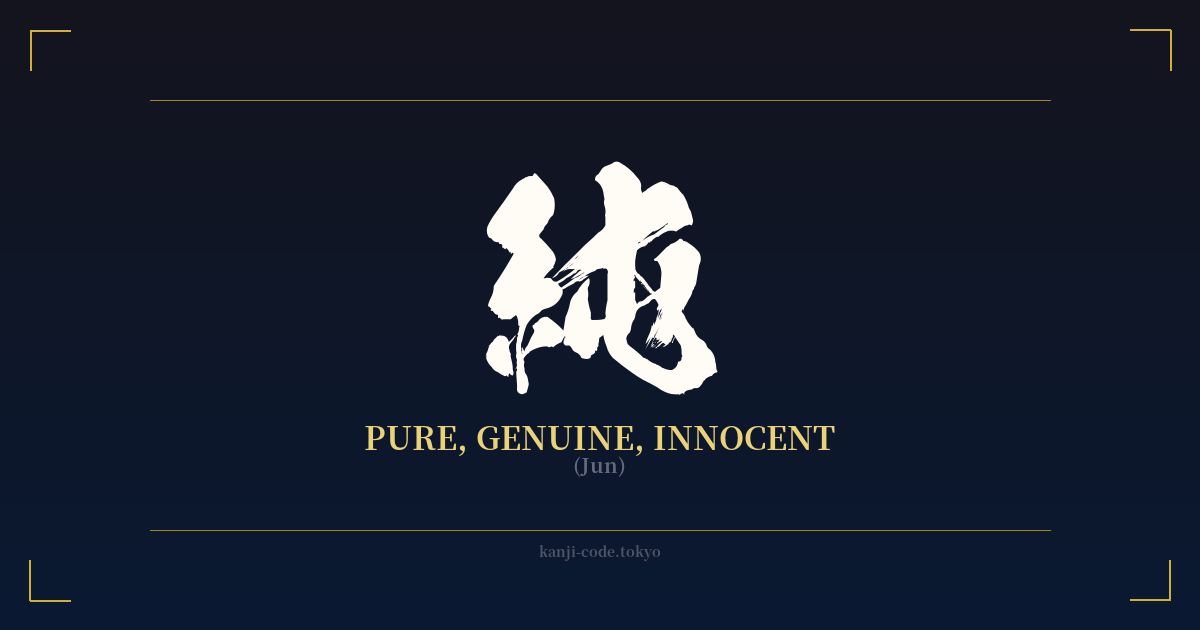
✍️ 純 (Jun) — Cultural Context
The kanji 純 (Jun) is a simple yet deeply resonant character in the Japanese language, carrying the core meanings of 'purity,' 'genuineness,' and 'innocence.' It speaks to a state of being that is unmixed, unadulterated, and true to its essential nature.
The character's origin provides a beautiful visual metaphor. It is composed of two parts: the radical 糸 (ito), which means 'thread' or 'silk,' and the phonetic component 屯 (ton). The 'thread' radical connects it to concepts of fineness, refinement, and something that is carefully produced. The combination suggests the idea of pure, high-quality silk thread that has not been dyed or mixed with lesser materials. This etymology perfectly captures the essence of something in its most authentic form.
In Japanese culture, the concept of purity is fundamental, particularly within the Shinto religion. Shintoism places great emphasis on avoiding 'kegare' (impurity or defilement) and performing purification rituals ('oharai') to restore a state of spiritual cleanliness. While 純 is not a strictly religious term, it aligns perfectly with this cultural value, representing an ideal state of the heart and mind, free from deceit or corruption.
You can see this concept applied in various common words. For instance, 純粋 (junsui) means 'pure' or 'naive,' often describing a person's character. 純情 (junjō) refers to a 'pure heart' or sincere emotions. The character is also used to describe materials, as in 純金 (junkin) for 'pure gold' or 純銀 (jungin) for 'pure silver,' highlighting its meaning of being unalloyed and 100% genuine.
Beyond its literal and figurative meanings, 純 is also a very popular character in names, especially for girls. Names like Junko (純子, 'pure child') or simply Jun (純) have been beloved for generations. This usage imbues the character with a gentle, personal, and human quality.
Ultimately, 純 represents a powerful ideal in Japanese aesthetics and ethics. It champions simplicity over complexity, authenticity over pretense, and sincerity over guile. It is the quiet beauty of an unadorned object, the honesty of a heartfelt emotion, and the clarity of an untroubled spirit.
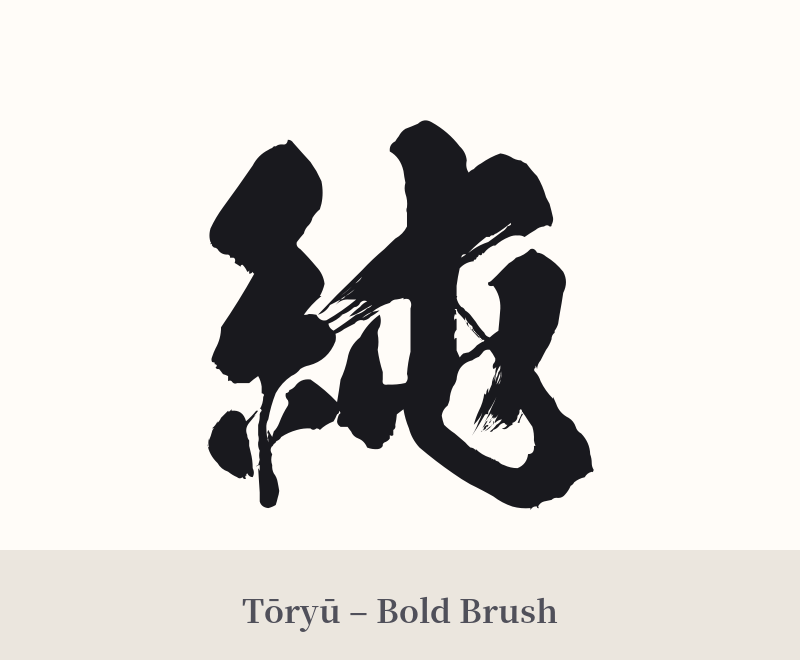
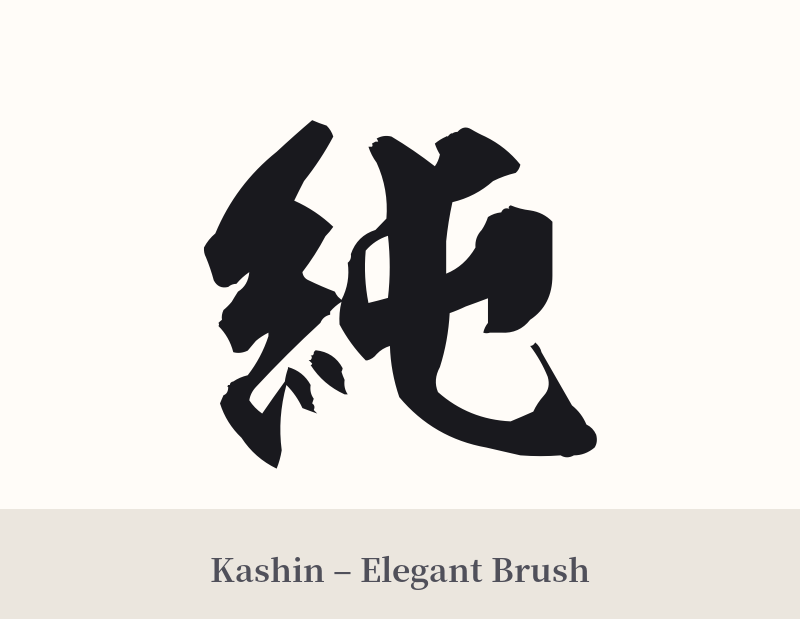
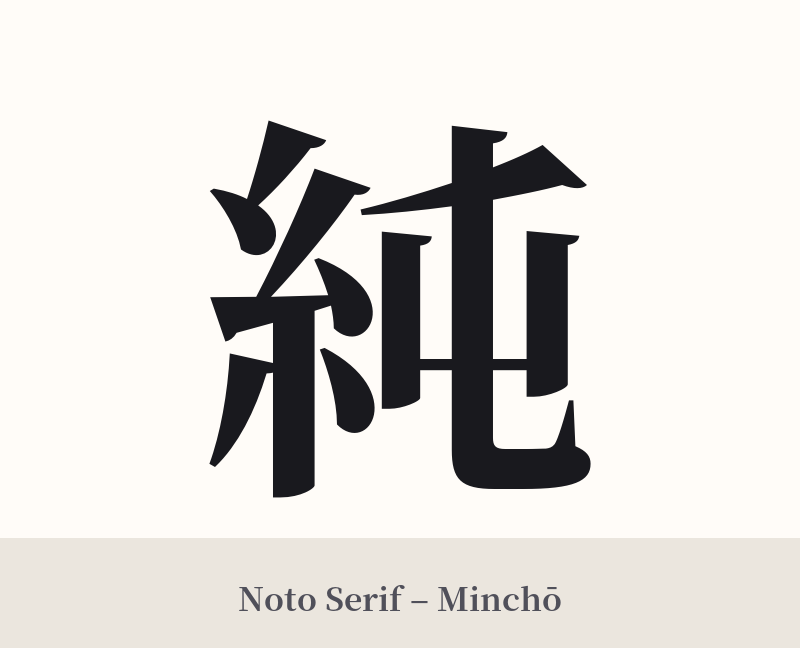
🖌️ Font Styles for 純
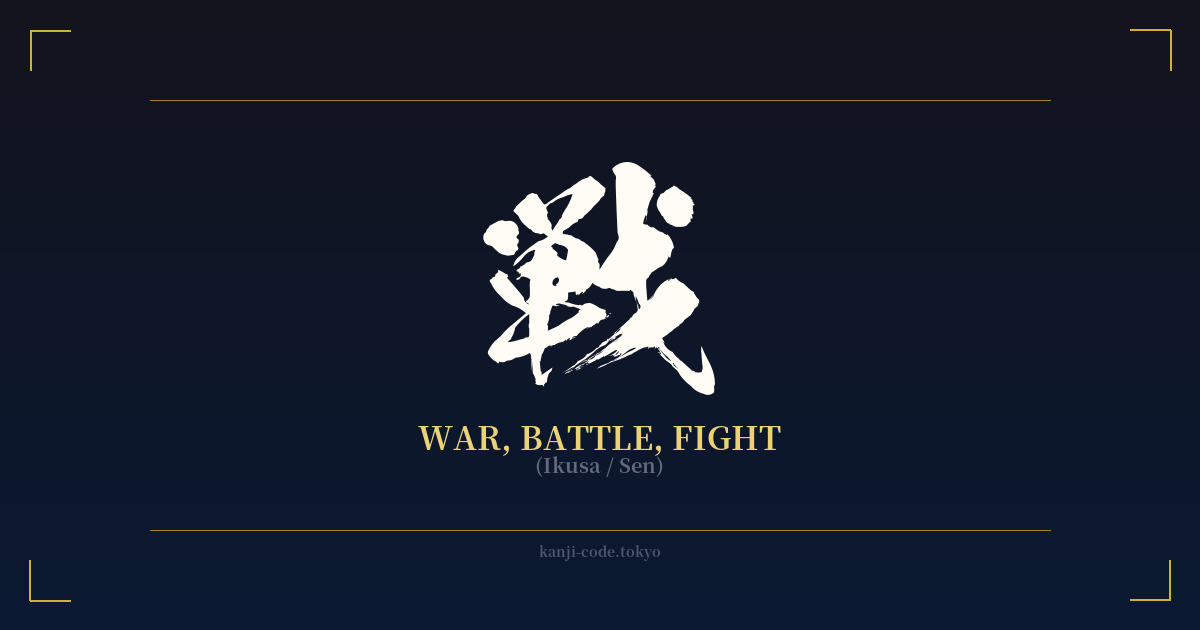
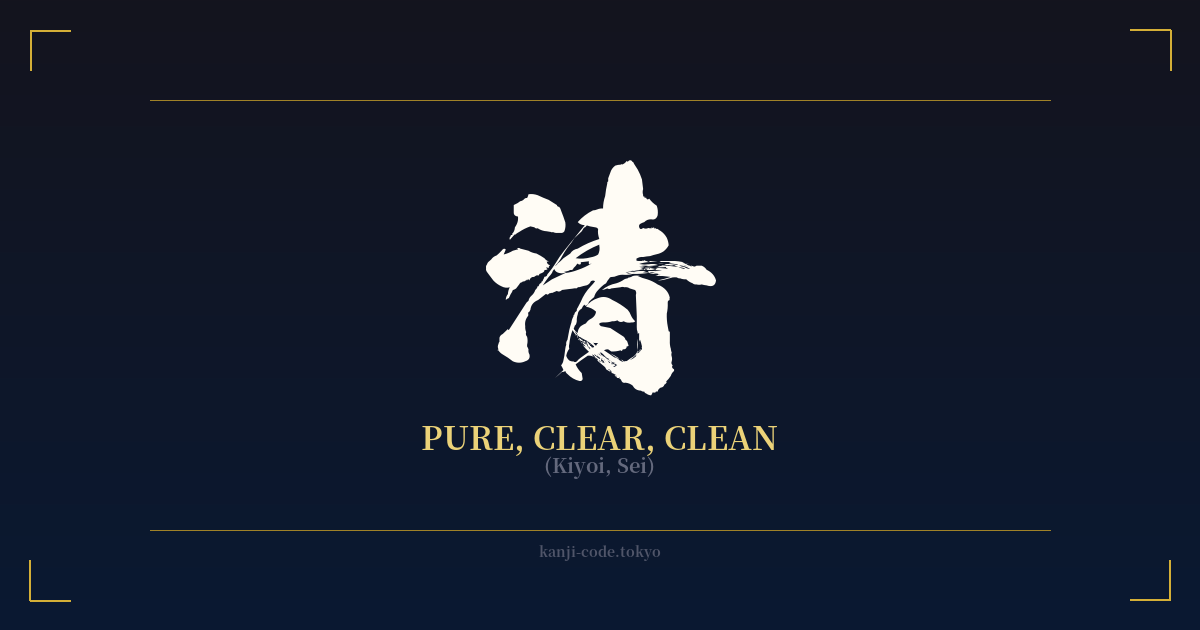
The same kanji can look dramatically different depending on the calligraphy style. Choose a font that matches the mood you want for your tattoo or design.
🎨 Tattoo Suitability
📐 Tattoo Design Guide
The kanji 純 embodies a sense of quiet elegance and sincerity, so its design should reflect that. It's a character that whispers rather than shouts.
– Placement: This kanji is well-suited for personal, more discreet locations. Consider the inner wrist, the area over the heart, the nape of the neck, or behind the ear. These spots complement its introspective and gentle nature.
– Font Style: Avoid aggressive or overly blocky fonts. An elegant Mincho (serif) style can emphasize its classic and refined feel. Alternatively, a soft, flowing Gyosho (semi-cursive) or Sosho (cursive) script can capture the fluid, natural quality of 'purity.'
– Visual Tips: Let the character breathe. It works beautifully as a standalone piece without any additional elements. If you wish to add something, keep it minimal. A single, delicate cherry blossom petal, a simple enso (Zen circle), or a faint watercolor splash behind the character can enhance the theme without overwhelming it.
Comments