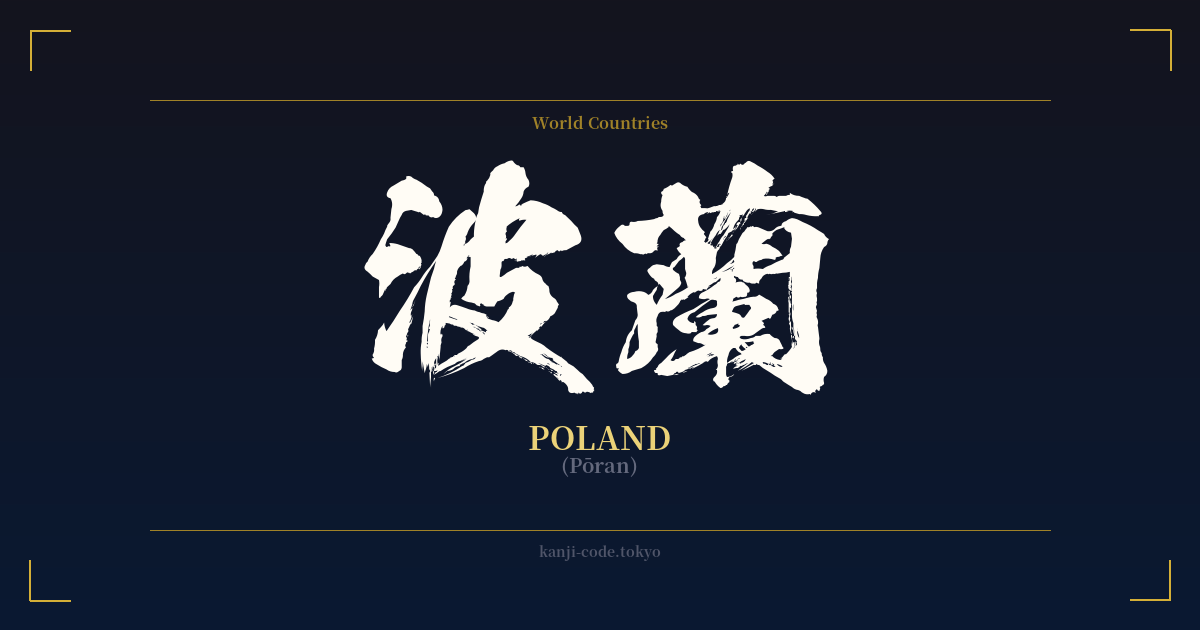
✍️ 波蘭 (Pōran) — Cultural Context
The kanji compound 波蘭 (Pōran) is a fascinating window into a specific period of Japanese history. It represents the country of Poland, but not through meaning—rather, through sound. This practice, known as 'ateji' (当て字), involves selecting kanji characters for their phonetic values to approximate the sound of a foreign word, often disregarding their original meanings.
This method was particularly common during the Meiji Restoration (1868-1912), a time when Japan rapidly opened to the West and needed to incorporate a flood of new words and concepts. Countries, scientific terms, and foreign items were all given these clever kanji spellings. For example, France became 仏蘭西 (Furansu) and America became 亜米利加 (Amerika). 波蘭 was born from this tradition, with 'Pō' represented by 波 (wave) and 'ran' by 蘭 (orchid).
While the individual meanings of 'wave' and 'orchid' have no direct connection to Poland, their selection is not entirely random. The characters chosen for ateji were often elegant or carried a positive connotation, lending a sense of dignity to the foreign name. 蘭 (orchid), in particular, is a sophisticated and highly regarded character.
In contemporary Japan, this practice has been almost entirely superseded by the use of the Katakana phonetic script. Today, Poland is written as ポーランド (Pōrando). The kanji form 波蘭 is now considered historical, literary, or even archaic. You might encounter it in old texts, historical documents, or as a deliberately classic flourish, but it is not used in everyday life.
Despite this, the connection between Japan and Poland has its own unique history, from the story of Japanese assistance to Siberian Polish orphans after WWI to the mutual appreciation for art and culture. For someone of Polish descent, 波蘭 can be a unique, if unconventional, way to represent their heritage through the lens of Japanese linguistic history.
🖌️ Font Styles for 波蘭
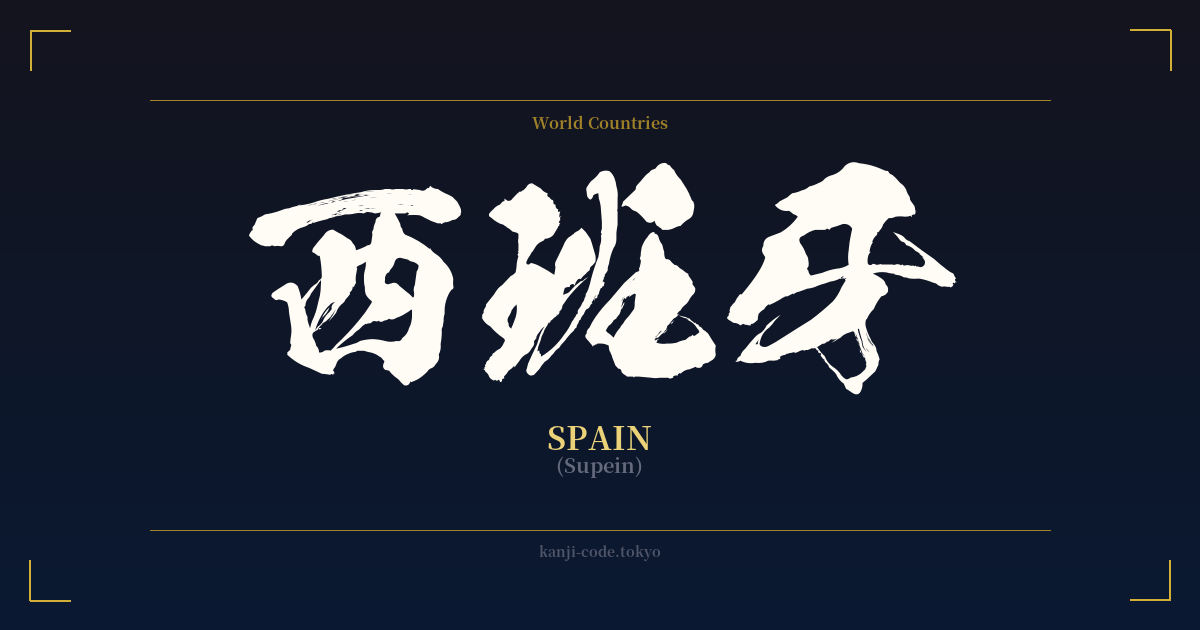
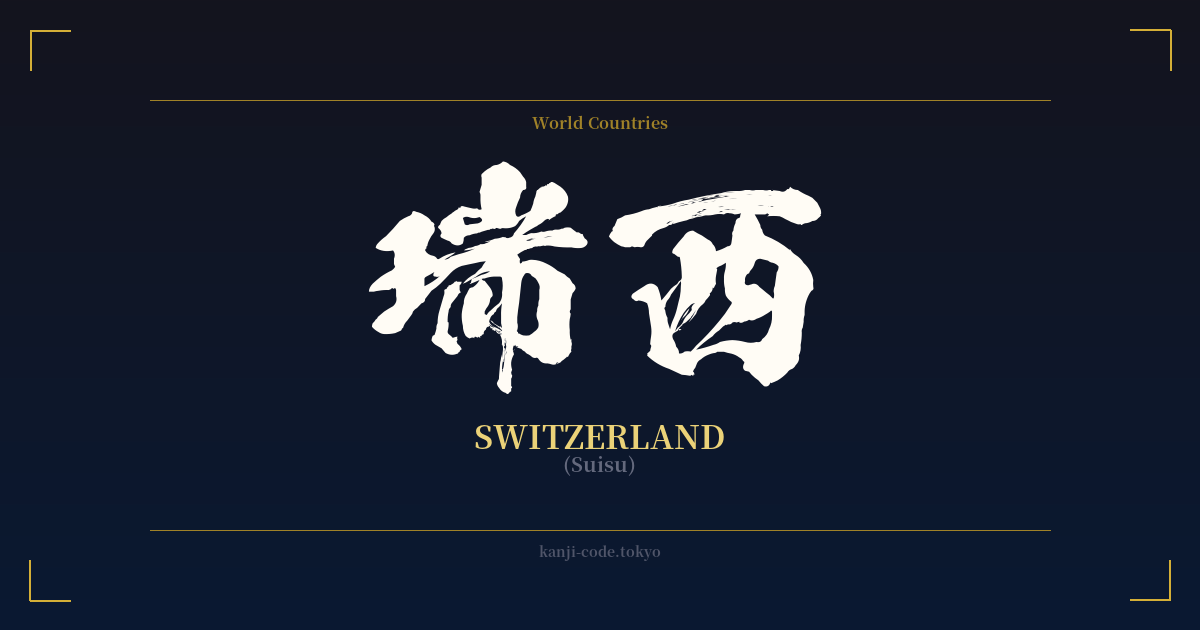
The same kanji can look dramatically different depending on the calligraphy style. Choose a font that matches the mood you want for your tattoo or design.
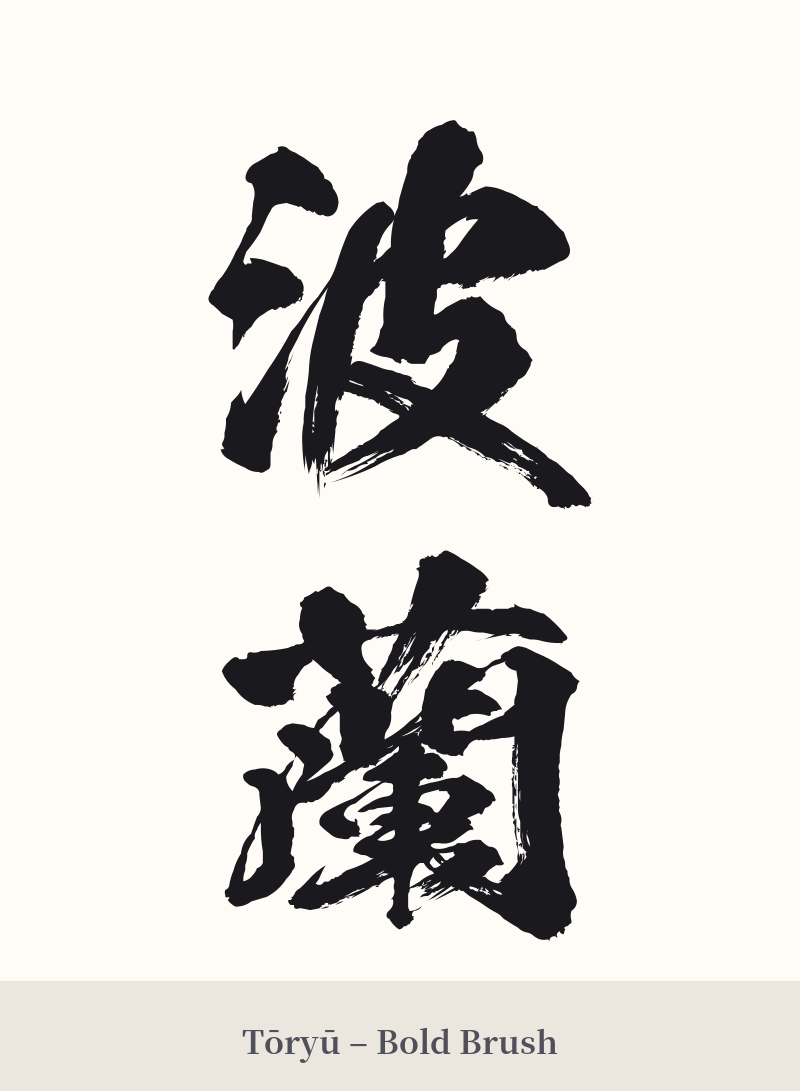
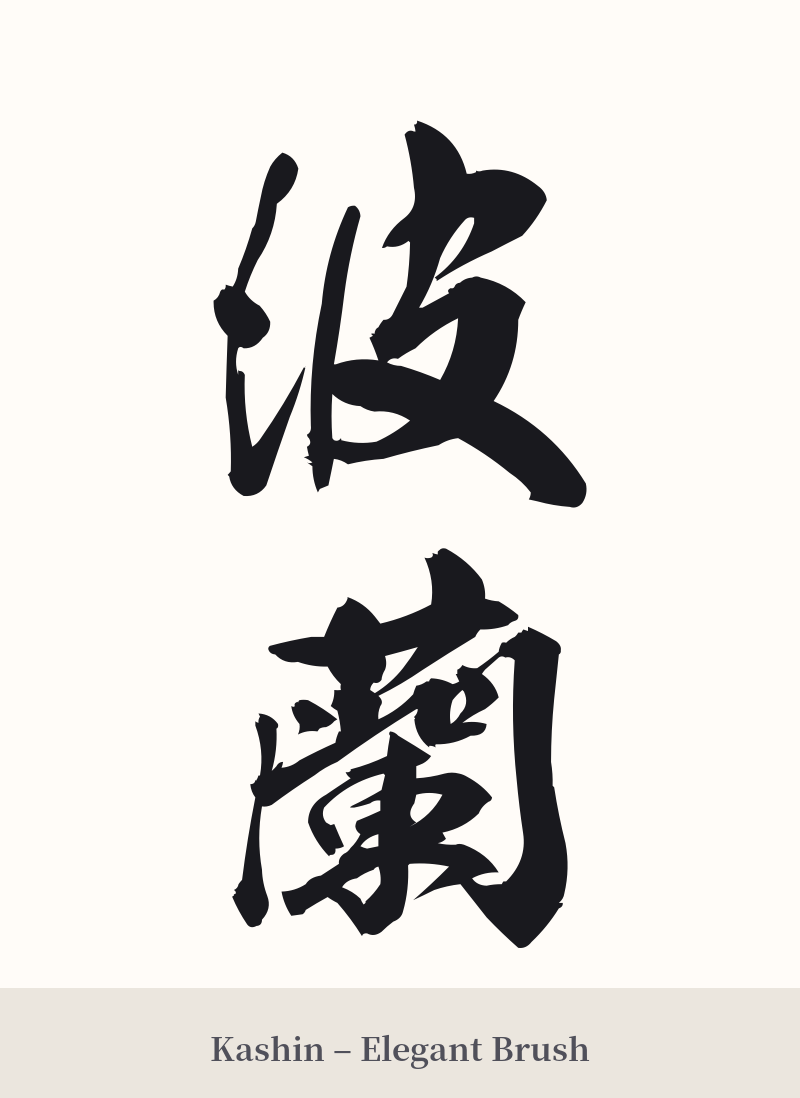
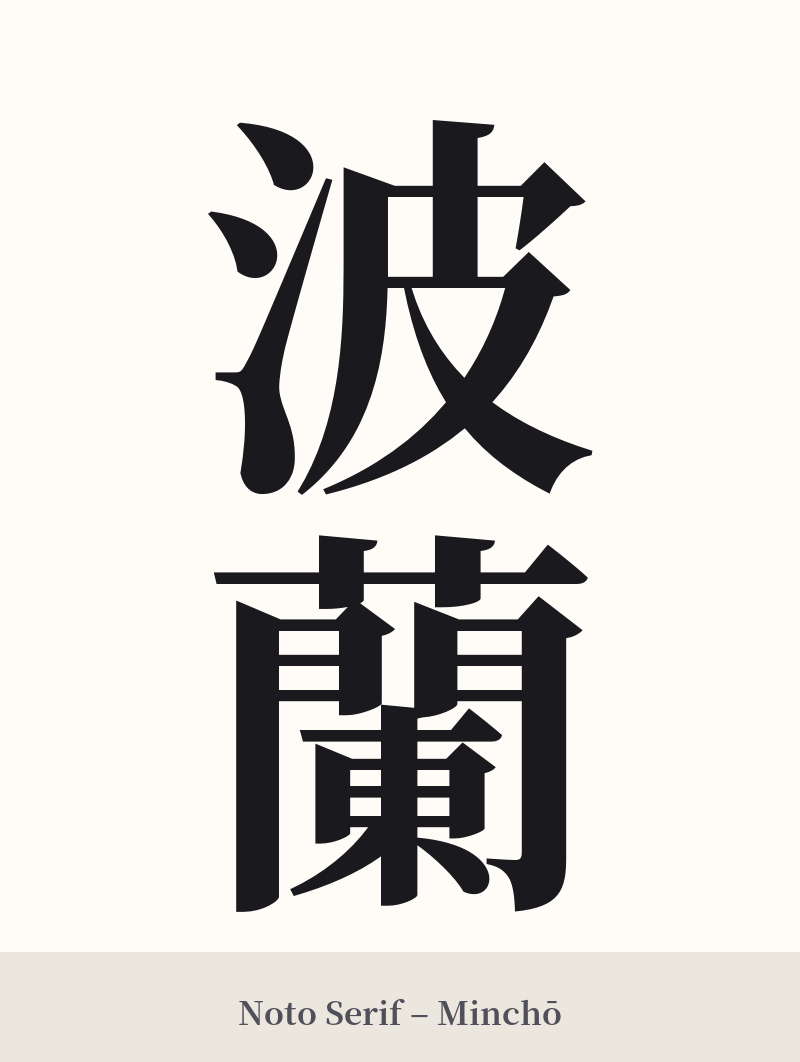
🎨 Tattoo Suitability
📐 Tattoo Design Guide
Given the historical and specific nature of 波蘭, the design should be approached with care to honor its context.
– Placement: This word benefits from a location that allows for clarity, especially for the detailed 蘭 character. Consider the forearm, calf, or upper back. Avoid small or cramped areas like the wrist, as the 19 strokes of 蘭 can blur over time.
– Style: A traditional calligraphy style is most appropriate. A formal 'Kaisho' (block script) would look stately, while a semi-cursive 'Gyosho' would add an elegant, flowing feel that complements the 'wave' character. Avoid modern, geometric, or minimalist fonts, which would clash with the word's historical nature.
– Visual Tips: A vertical orientation is highly recommended, as it reflects traditional East Asian writing and looks particularly balanced with these two characters. You could also consider pairing the kanji with a visual symbol of Poland, such as a stylized white eagle or a poppy flower, to provide context and bridge the two cultures visually.
Comments