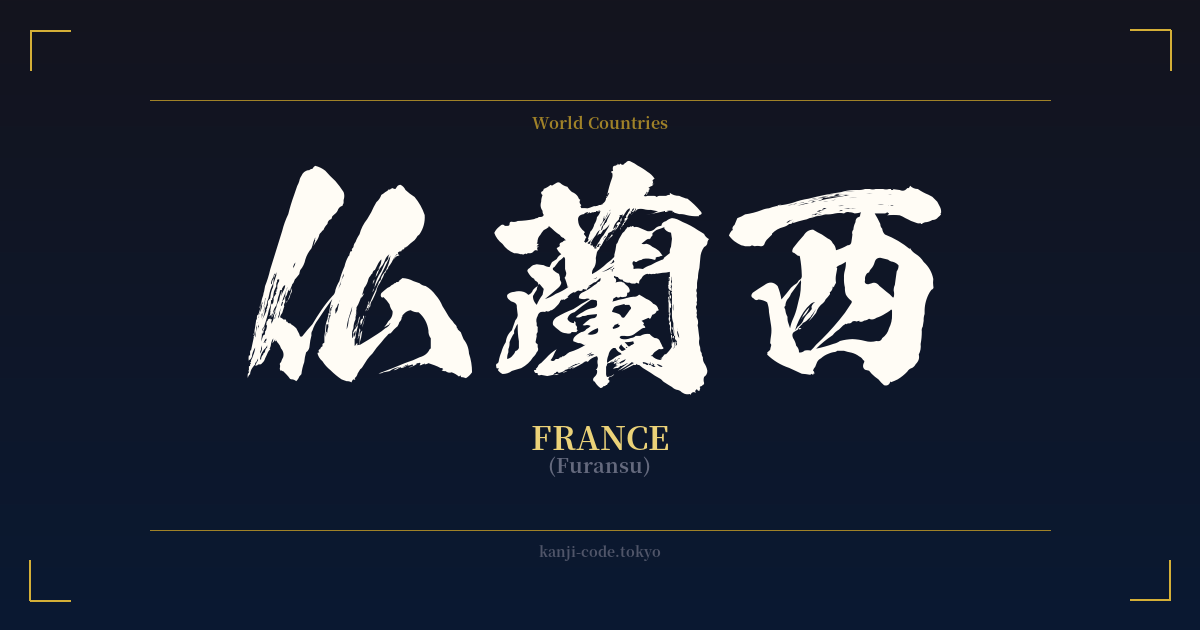
✍️ 仏蘭西 (Furansu) — Cultural Context
The word 仏蘭西 (Furansu) is a fascinating window into a specific period of Japanese history when the nation was rapidly absorbing Western culture and language. This is a prime example of ateji (当て字), where kanji characters are used to phonetically represent a foreign word, with little to no regard for their original meanings. In this case, the characters were chosen to approximate the sound of "France."
During the Meiji Restoration (1868-1912), Japan opened its borders and engaged in a massive effort to modernize. This required a new vocabulary for concepts, technologies, and places from the West. Initially, scholars used kanji to create these new words. 仏蘭西 was born from this practice, combining 仏 (Fu), 蘭 (Ran), and 西 (Su/Shi) to mimic the foreign sound.
Interestingly, the individual characters have their own histories. 仏 (Futsu) is most commonly known as the character for Buddha or Buddhism. 蘭 (Ran) means 'orchid' and was also used to represent Holland (阿蘭陀 – Oranda). 西 (Sei/Sai) simply means 'west,' a fitting but coincidental inclusion for a Western nation. Together, their meanings are irrelevant; only their sounds matter.
Over time, this method of using complex kanji for foreign words was largely replaced by the simpler, more direct katakana phonetic script. Today, 'France' is almost universally written as フランス. The kanji form 仏蘭西 is now considered archaic and is rarely seen in daily life. You might encounter it in historical texts, in the names of formal diplomatic treaties, or in branding for businesses aiming for a classic, sophisticated, or old-world European image.
Despite its rarity, the legacy of this ateji lives on. The character 仏 (Futsu) is still used as the official abbreviation for France in compound words. For example, 'Japan-France relations' is 日仏関係 (Nichi-Futsu Kankei), and 'French cuisine' is 仏料理 (Futsu Ryōri). This shows how these historical linguistic choices continue to shape the modern Japanese language.
🖌️ Font Styles for 仏蘭西
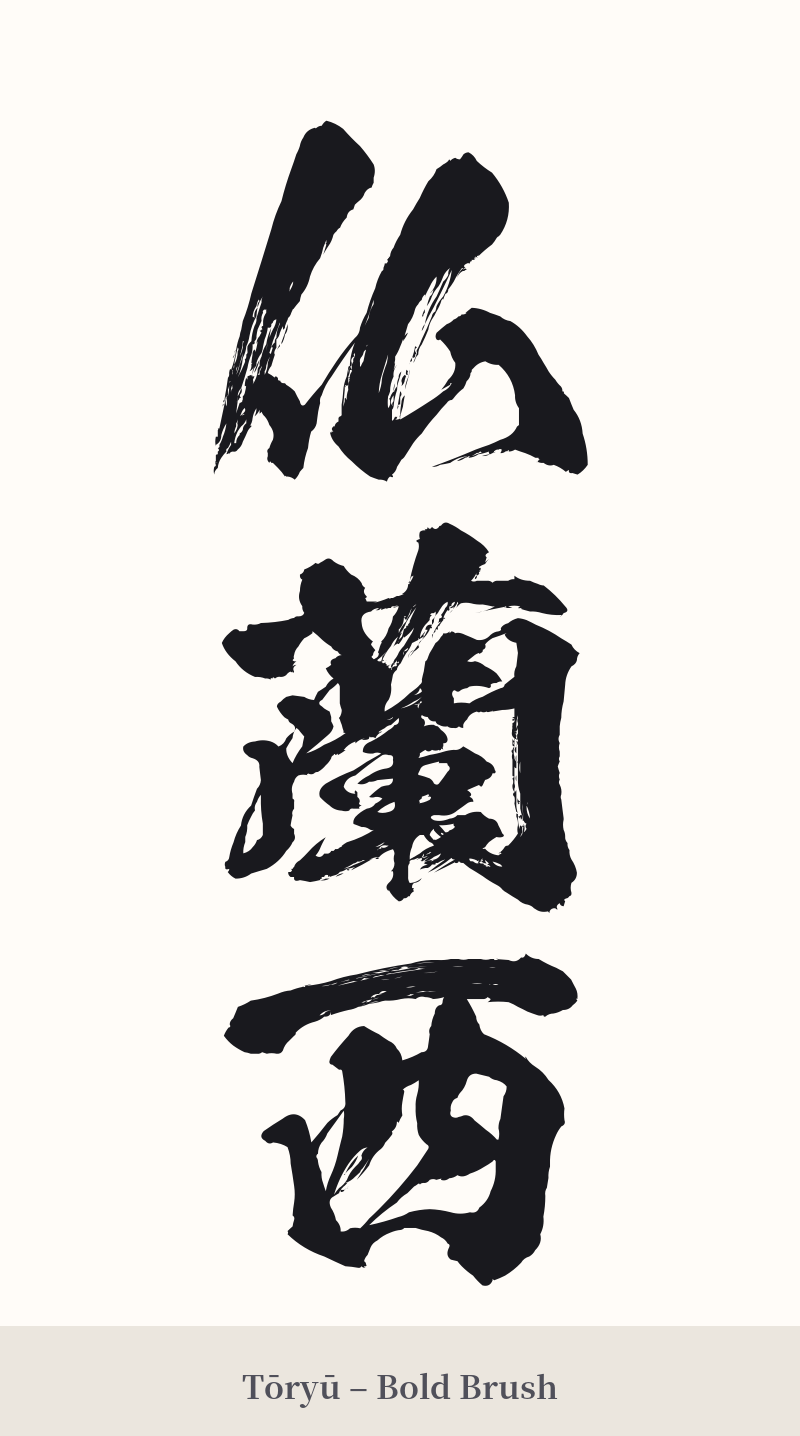
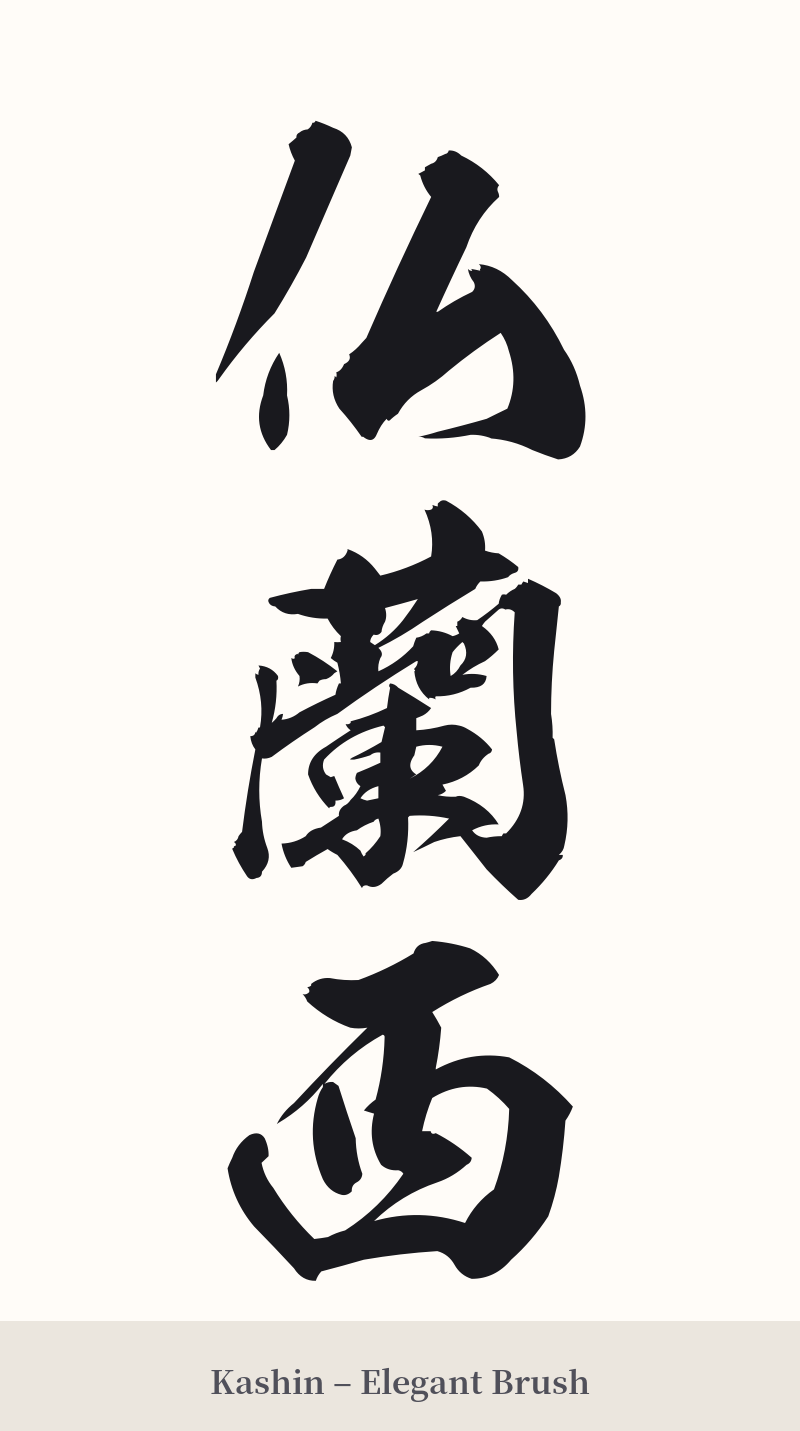
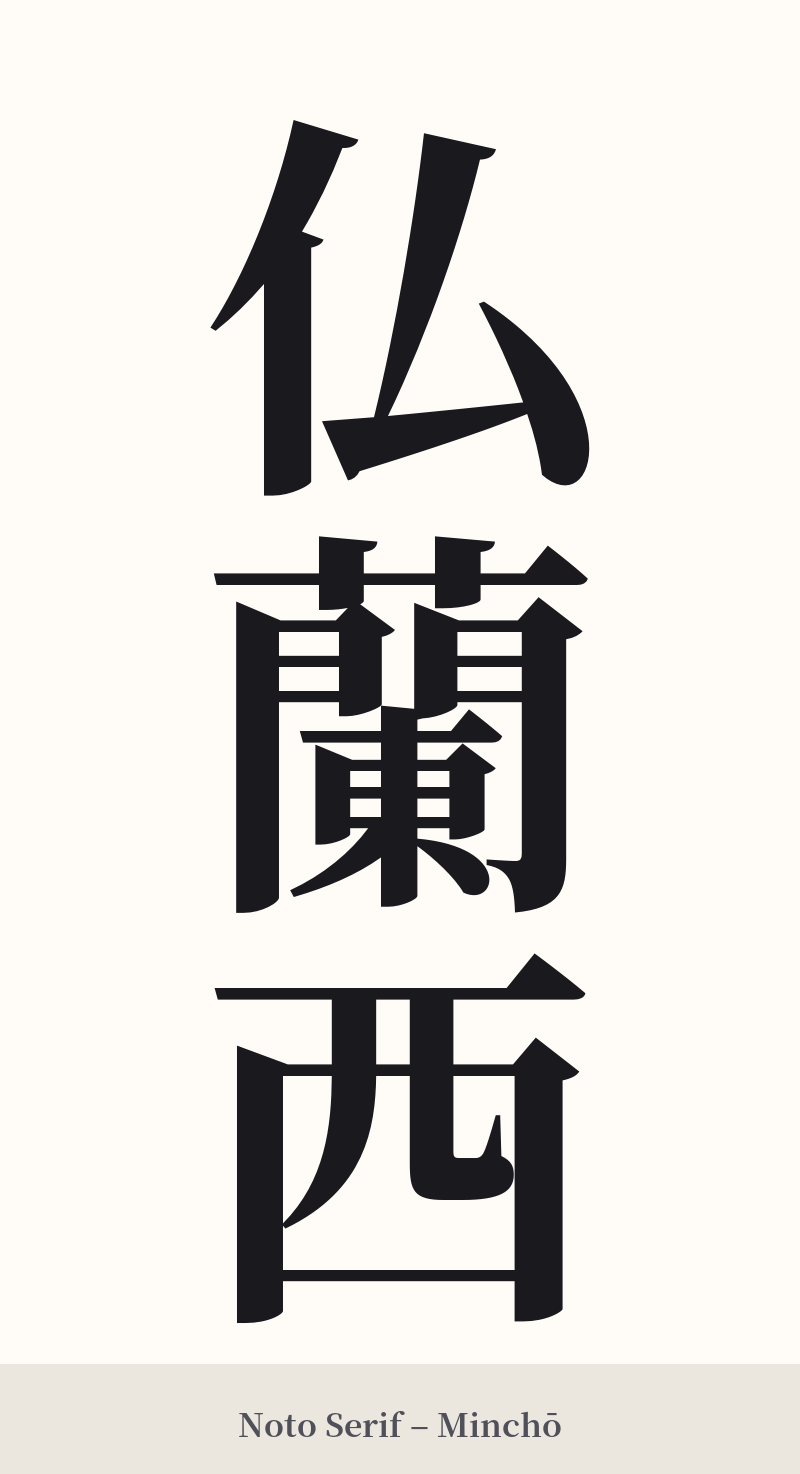
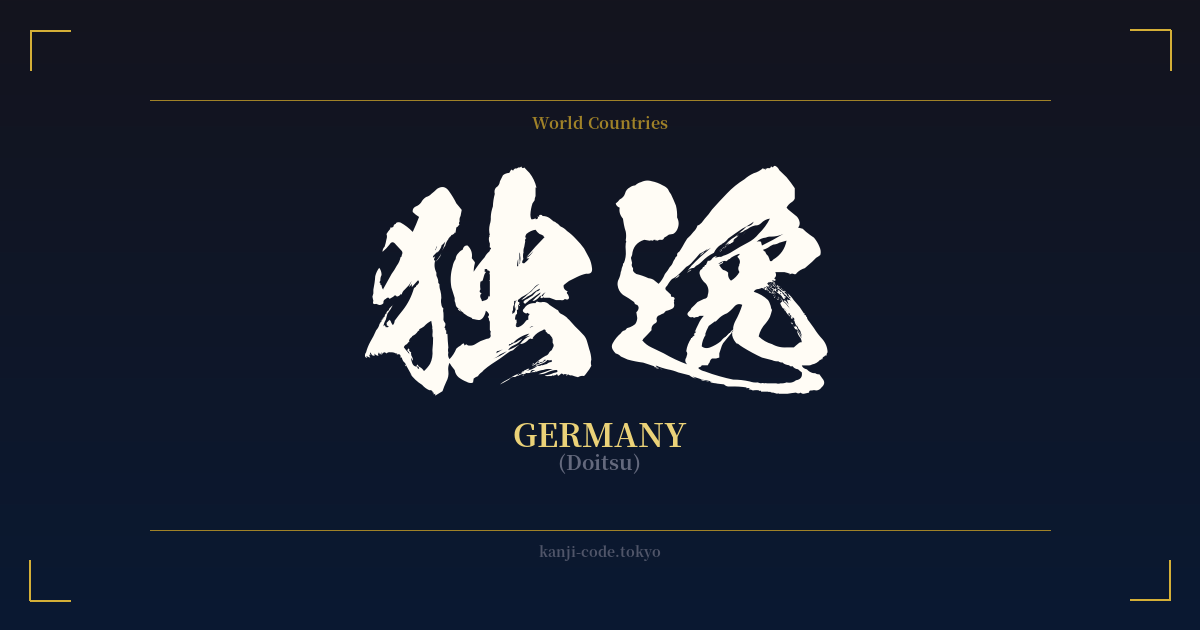
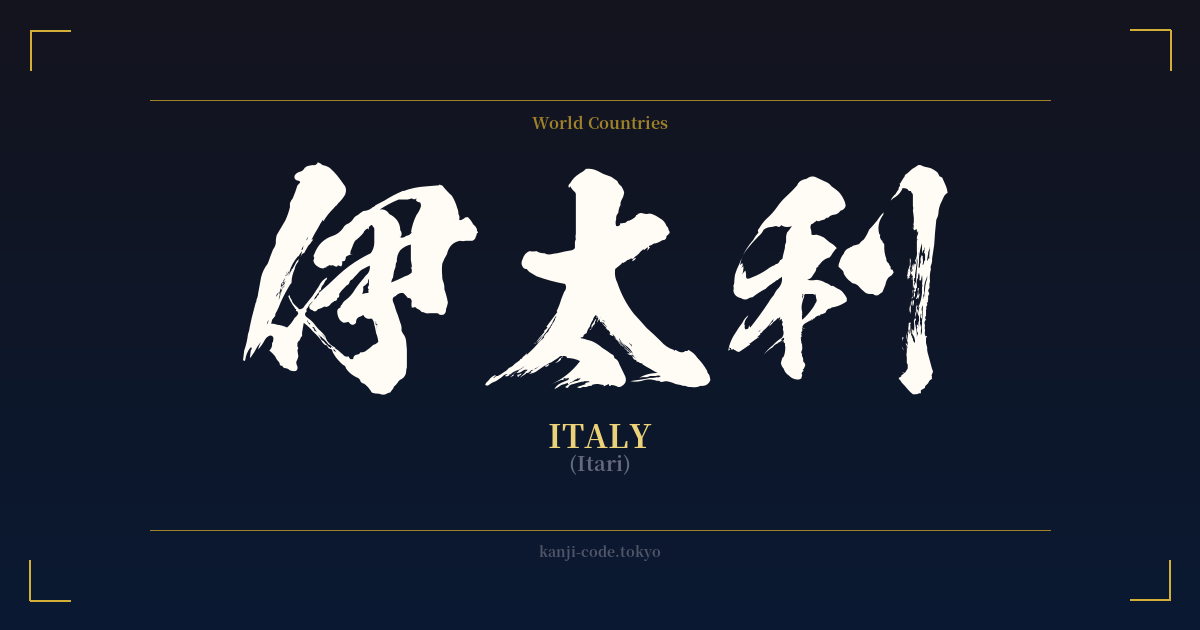
The same kanji can look dramatically different depending on the calligraphy style. Choose a font that matches the mood you want for your tattoo or design.
🎨 Tattoo Suitability
📐 Tattoo Design Guide
For a tattoo of 仏蘭西, the design should honor its historical and formal feel. The complexity of the characters, particularly 蘭 (Ran), requires careful consideration of size and style.
– Placement: A vertical orientation is highly recommended. It looks striking along the spine, forearm, or calf, allowing the characters to flow downwards naturally. For a horizontal design, the chest or upper back provides a wide enough canvas.
– Font Style: Traditional calligraphy scripts are the best fit. A semi-cursive gyōsho (行書) style can add elegance and flow, while a formal kaisho (楷書) block script emphasizes the distinct strokes of each character. Avoid modern or geometric fonts, which would clash with the word's classic origin.
– Visual Tips: The tattoo must be large enough for the 19 strokes of 蘭 (Ran) to remain clear and not blur over time. Consider this a medium to large-sized piece. To add a personal touch, you could subtly incorporate imagery related to France, such as a fleur-de-lis, or play on the literal meaning of the 蘭 character by including an orchid.
Comments