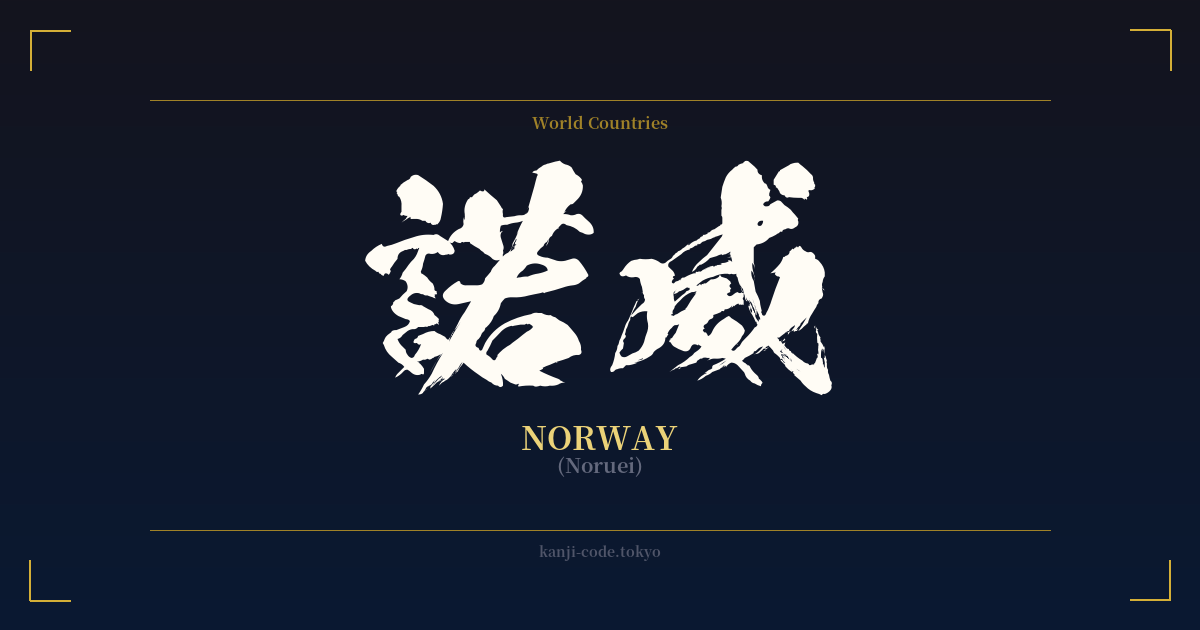
✍️ 諾威 (Noruei) — Cultural Context
The word 諾威 (Noruei) for Norway is a fascinating window into a bygone era of Japanese linguistics. It is a form of ateji (当て字), where kanji characters are used for their phonetic value to represent foreign words, largely ignoring their literal meanings. This practice was common during the Meiji Restoration (1868-1912) and before, as Japan rapidly absorbed Western culture, technology, and geography.
In this case, 諾 (no) and 威 (i or ei) were chosen to approximate the sound of "Norway." The first character, 諾, means "consent" or "agreement," while the second, 威, carries a powerful sense of "majesty," "dignity," or "might." While one could creatively argue that these meanings evoke a certain regal or agreeable image of the nation, their selection was purely for sound. The combination creates a word that feels stately and classical, a hallmark of Meiji-era transliterations.
However, the use of ateji for foreign countries and names has been almost entirely replaced by the katakana phonetic script. Today, every Japanese person learns and uses ノルウェー (Noruwē) to refer to Norway. The kanji form 諾威 is now considered archaic and is rarely seen outside of historical documents or specialized contexts. To a modern Japanese person, seeing 諾威 would be perplexing; they would not immediately think of the Scandinavian country.
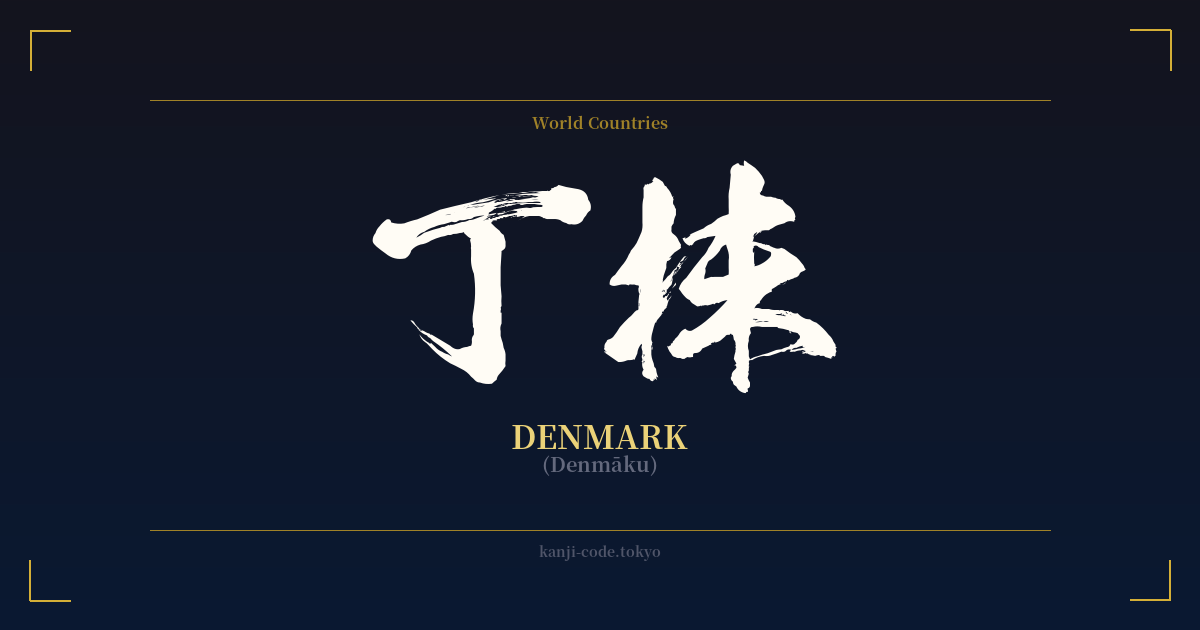
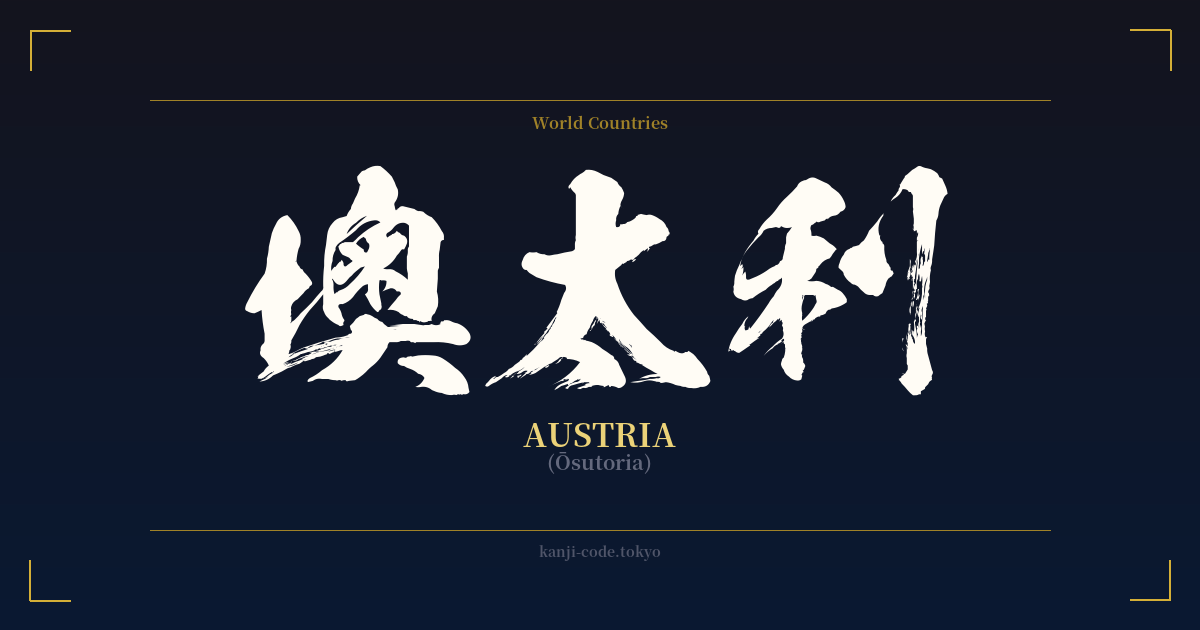
Other countries received similar ateji treatment, many of which have also fallen out of common use but persist in formal names or abbreviations. For example, America became 亜米利加 (Amerika), which was later abbreviated to 米国 (Beikoku), a term still used in news and formal writing. Similarly, France, 仏蘭西 (Furansu), is abbreviated to 仏国 (Fukkoku).
Choosing 諾威 today is a deliberate stylistic decision. It steps away from the mundane and embraces a historical, almost poetic, representation. It speaks to an appreciation for the history of language and the beautiful, if sometimes confusing, ways cultures have interacted and adapted. While it lacks modern practical use, 諾威 retains a unique charm and dignity, embodying the grandeur of its component characters.
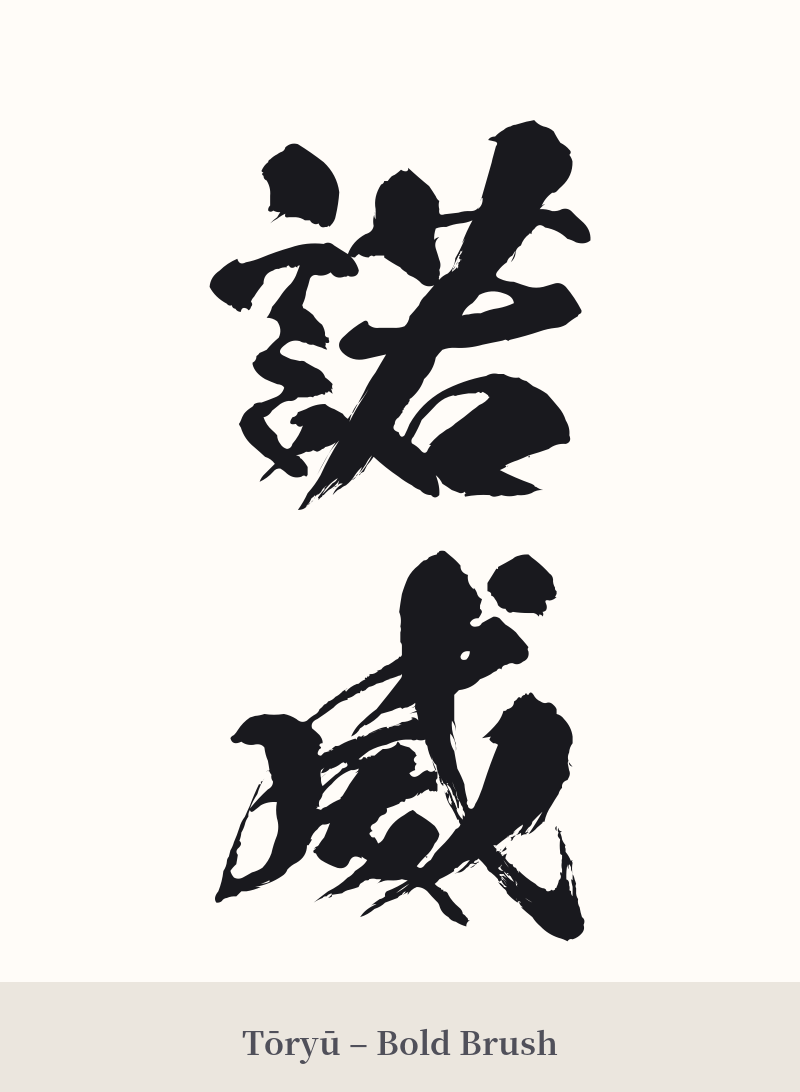
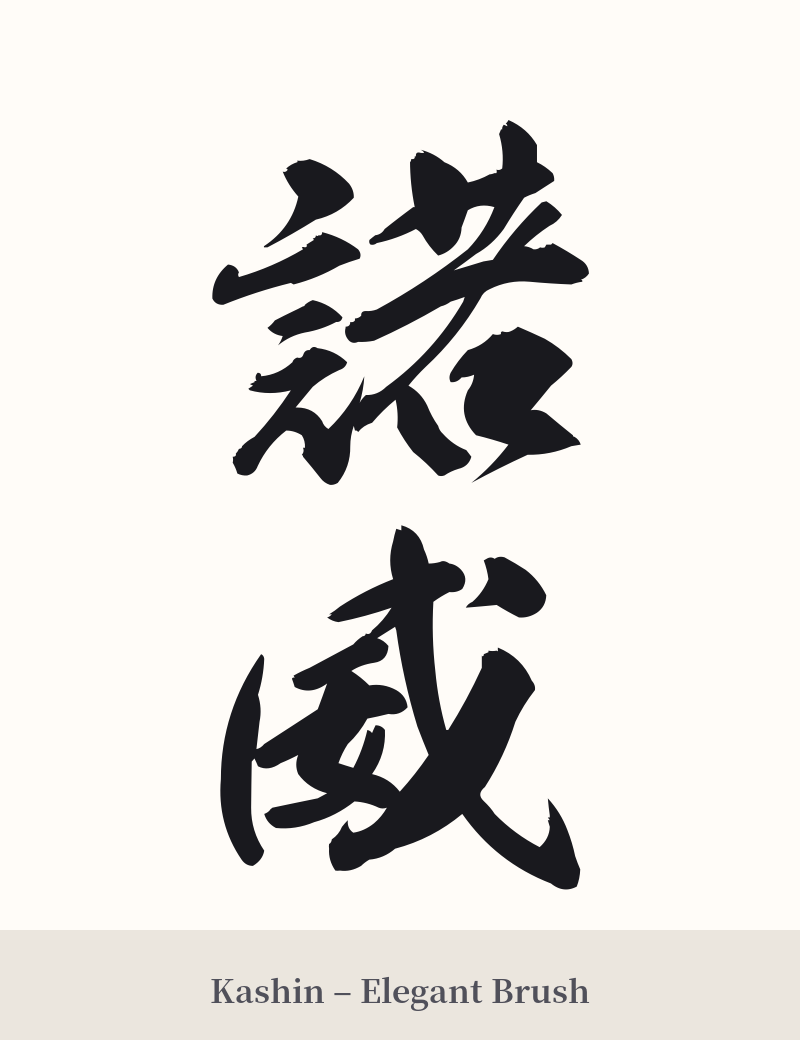
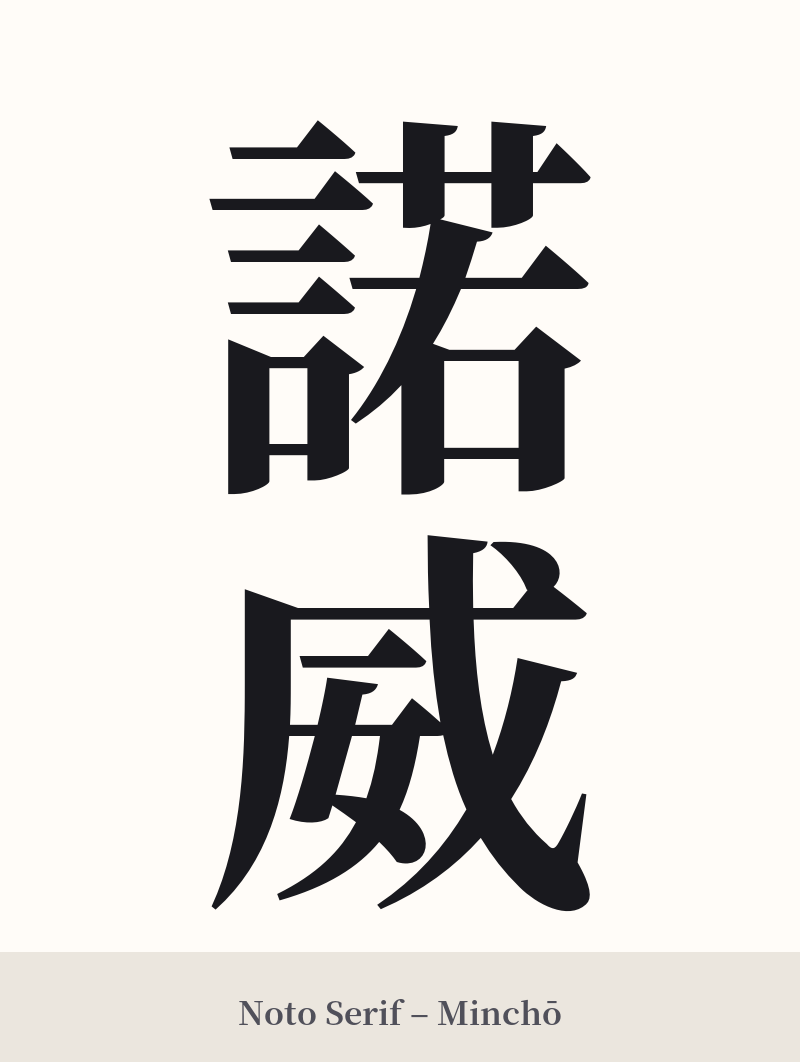
🖌️ Font Styles for 諾威
The same kanji can look dramatically different depending on the calligraphy style. Choose a font that matches the mood you want for your tattoo or design.
🎨 Tattoo Suitability
📐 Tattoo Design Guide
Given the archaic nature and visual complexity of 諾威, a tattoo requires careful consideration of style and placement.
– Placement: This is not a word for a small, discreet tattoo. The first character, 諾, has 15 strokes and can become an illegible blob if not given enough space. Opt for larger, flatter areas like the forearm, the calf, or the upper back to ensure clarity.
– Font Style: Lean into its historical roots. A traditional calligraphy script like Kaisho (block script) will give it a formal, dignified look. For a more fluid and artistic feel, Gyosho (semi-cursive script) can be beautiful, but ensure the artist is skilled in Japanese calligraphy to maintain legibility.
– Visual Tips: A vertical orientation often suits traditional kanji tattoos well and would look striking along the spine or arm. Avoid overly modern or stylized fonts, as they would clash with the classic feel of the word. Because the kanji itself is the statement, adding other imagery is often unnecessary and could clutter the design.
Comments