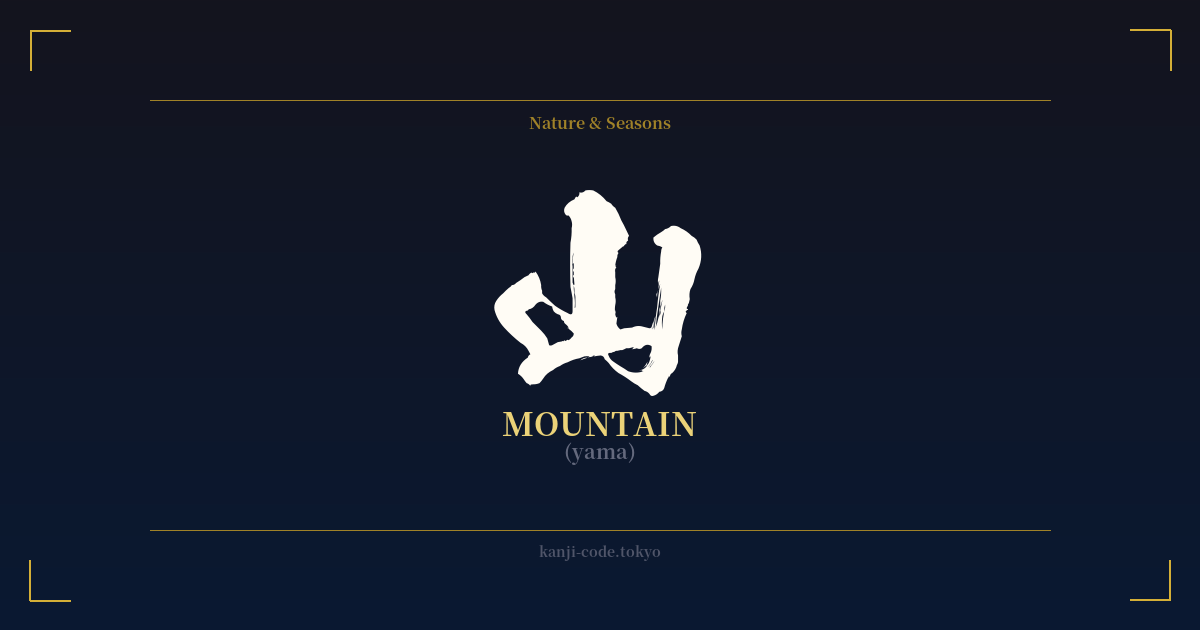
✍️ 山 (yama) — Cultural Context
The kanji 山 (yama) is one of the most fundamental and evocative characters in the Japanese language. Its origin is a direct pictograph, a simple and elegant rendering of three mountain peaks. This visual simplicity belies a profound depth of meaning that is woven into the very fabric of Japanese culture, geography, and spirituality.
Geographically, Japan is a nation of mountains. Over 70% of the archipelago is covered by mountainous terrain, a fact that has shaped everything from agriculture and travel to the national psyche. Mountains are not just a backdrop; they are a constant, formative presence. This physical reality imbues the character 山 with a sense of place, identity, and an undeniable connection to the natural world.
Spiritually, mountains are sacred spaces. In Shinto, Japan's indigenous religion, mountains are often considered the dwelling places of kami (gods and powerful spirits) and the source of life-giving rivers. This belief led to the practice of mountain worship, or sangaku shinkō. Many famous mountains, most notably Mount Fuji (富士山), are revered as deities themselves and are popular pilgrimage sites.
Buddhism also incorporated these beliefs, leading to the development of Shugendō, a unique syncretic faith centered on mountain asceticism. Practitioners, known as yamabushi (literally "those who lie in the mountains"), undergo rigorous training in the wilderness to attain spiritual enlightenment. For them, the mountain is both a physical and spiritual challenge to be overcome, a metaphor for the path to self-discovery.
This leads to the broader symbolism of 山. It represents unshakeable stability, permanence, and timeless endurance. A mountain stands firm against the wind and rain, a quiet testament to strength and resilience. To climb a mountain is a classic metaphor for facing a great challenge or pursuing a lofty goal. Therefore, the character can symbolize not just the obstacle, but also the ambition and determination required to conquer it.
In everyday language and art, 山 is ubiquitous. It appears in countless family names like Yamamoto (山本, base of the mountain) and Yamada (山田, mountain rice paddy). It's a favorite subject in ink wash paintings, ukiyo-e prints, and haiku poetry, where it can evoke feelings of awe, solitude, or a deep sense of belonging to the natural world. To choose the kanji 山 is to embrace a symbol of grounded strength, natural beauty, and spiritual significance.
🖌️ Font Styles for 山
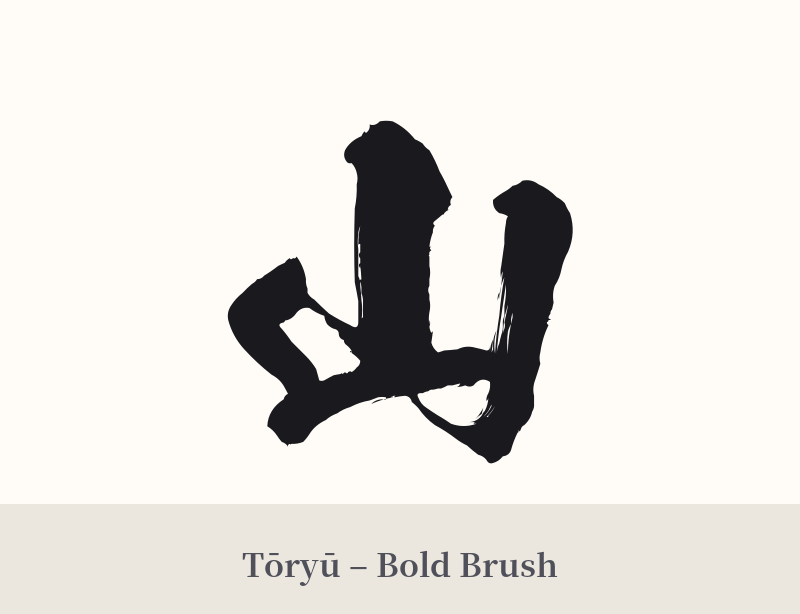
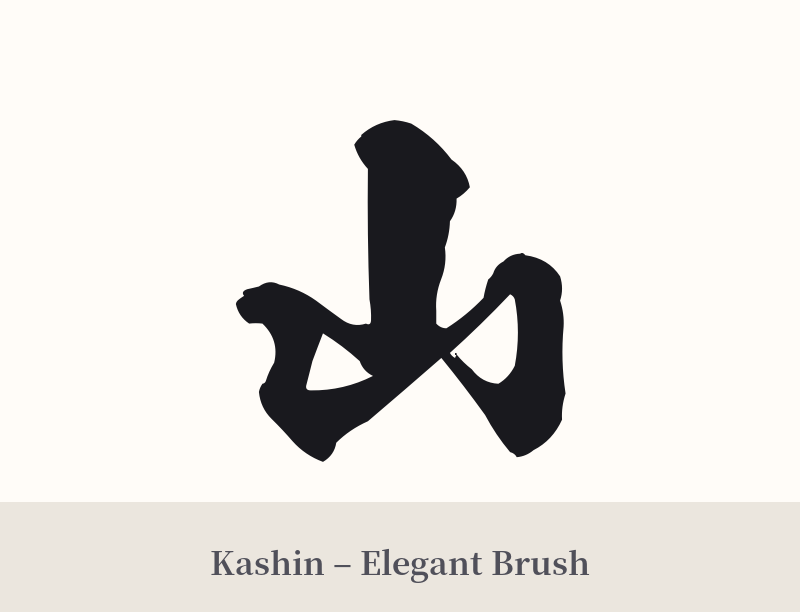
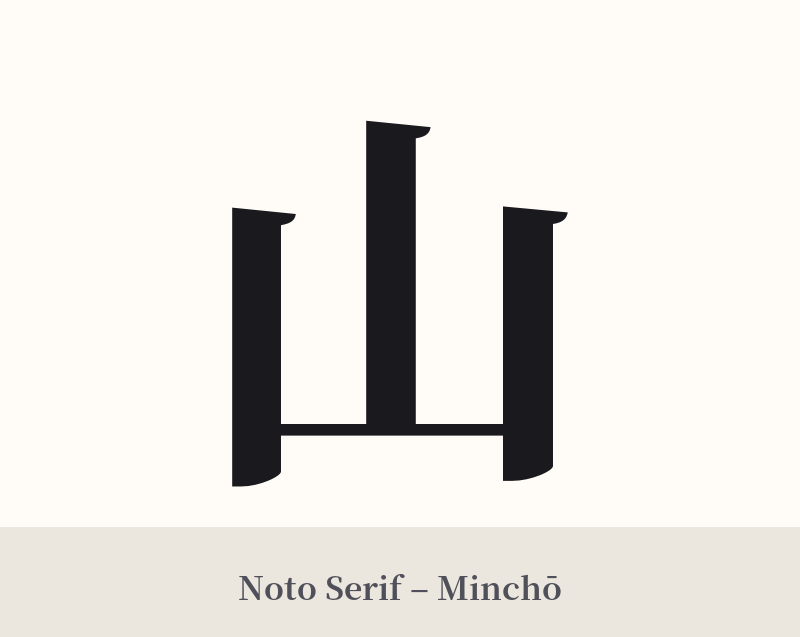
The same kanji can look dramatically different depending on the calligraphy style. Choose a font that matches the mood you want for your tattoo or design.
🎨 Tattoo Suitability
📐 Tattoo Design Guide
The beauty of the 山 kanji lies in its elegant simplicity, making it versatile for various tattoo designs.
– Placement: For a small, subtle design, the wrist, ankle, or behind the ear are excellent choices. For a more prominent statement, the forearm, calf, or nape of the neck allows the character to stand boldly. Placed on the back or chest, it can serve as the centerpiece of a larger composition.
– Font Style: A thick, powerful calligraphy (shodō) brush stroke can emphasize the kanji's meaning of strength and stability. Conversely, a minimalist, thin-lined style can highlight its elegance and connection to nature. Experiment with different brush styles, from the energetic sōsho (cursive) to the formal kaisho (block script).
– Visual Tips: Consider incorporating 山 into a larger scene. It pairs naturally with other elemental kanji like 川 (river), 木 (tree), or 日 (sun). A popular design choice is to have the kanji itself form part of a landscape, with birds flying over it or a sun rising behind it. The balance of its three strokes is key; a skilled artist can adjust the length and weight of the central peak to create a sense of height and majesty.
Comments