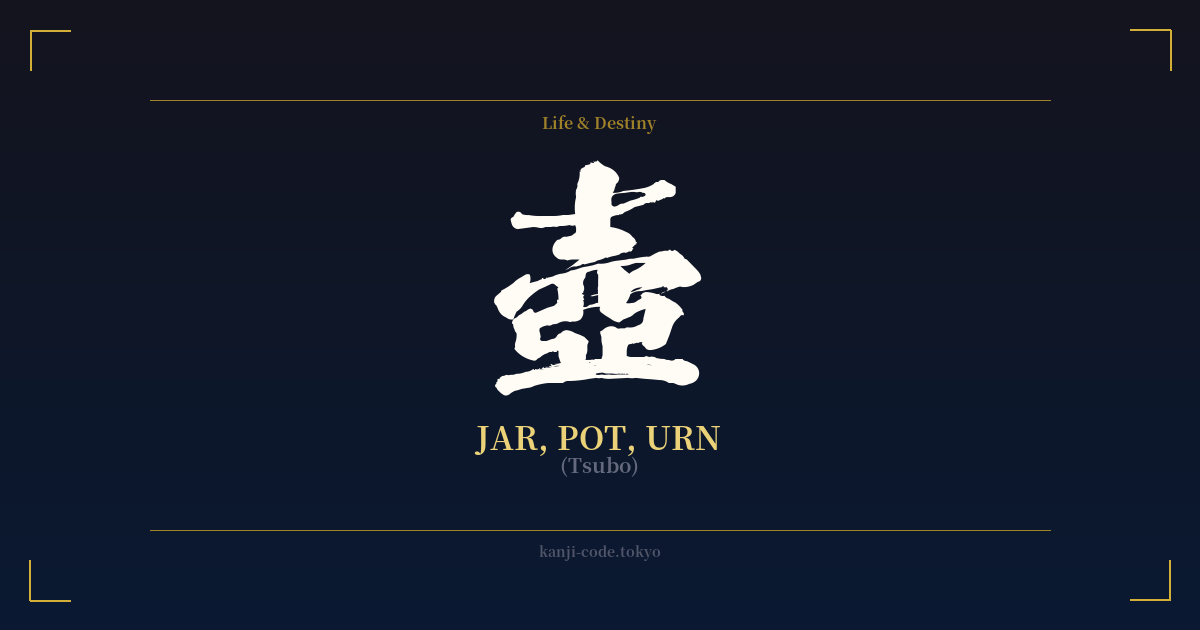
✍️ 壺 (Tsubo) — Cultural Context
The kanji 壺 (tsubo) is a beautiful representation of a simple, yet profoundly significant object: the pot, jar, or urn. At its most basic level, it refers to a vessel, a container used for everything from storing water, sake, and tea to holding the ashes of the deceased. This practical function is deeply woven into the fabric of Japanese daily life and history.
However, the true depth of 壺 lies in its symbolism. A pot is defined by its emptiness—its value comes from the space within. This concept, known as 'utsuro' (虚), resonates deeply with Zen Buddhist and Taoist philosophies, which emphasize the power of the void and the potential held within nothingness. The tsubo is not just an object; it's a metaphor for potential, for the capacity to hold, nurture, and protect something valuable.
This idea of containment extends to secrets and hidden knowledge. A sealed jar can hold a mystery, a treasure, or a spirit, a common motif in folklore. It represents the unknown, the things that are kept within, waiting to be revealed. This gives the kanji an air of quiet mystique.
One of the most fascinating modern uses of this character is in the term 'takotsubo' (蛸壺), which literally means 'octopus pot.' These are ceramic pots used by fishermen as traps; octopuses crawl inside seeking shelter and are caught. This term has been adopted by the medical community for 'Takotsubo cardiomyopathy,' or 'broken heart syndrome,' a condition where extreme emotional stress causes the heart's left ventricle to balloon into a shape resembling an octopus pot. This poignant link connects the ancient vessel to the fragility of the human heart.
Furthermore, in the world of traditional Japanese medicine, 'tsubo' refers to the specific pressure points on the body used in acupuncture and shiatsu massage. These points are seen as gateways or vessels for the body's vital energy (気, ki). In this context, the human body itself is a collection of 'tsubo,' containers and conduits for life force, linking the character to health, balance, and inner energy.
🖌️ Font Styles for 壺
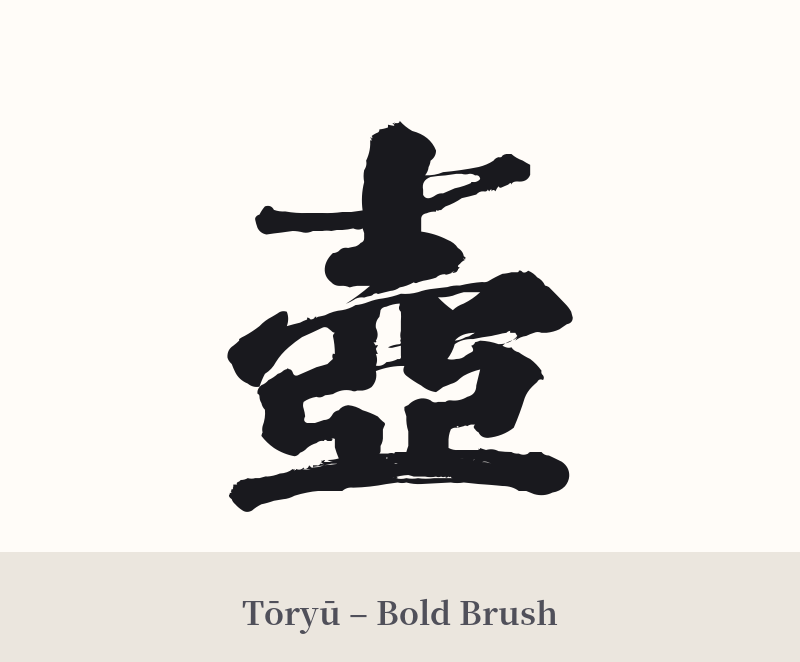
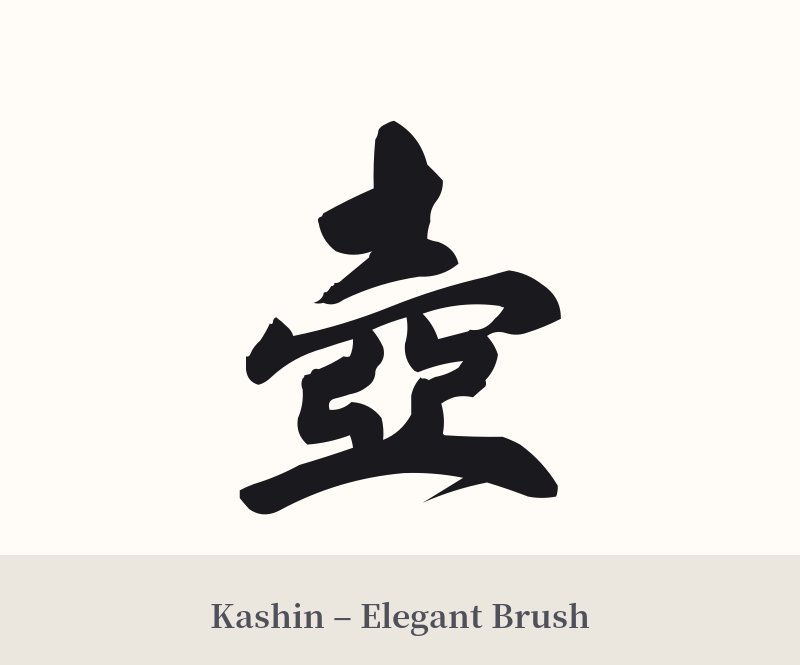
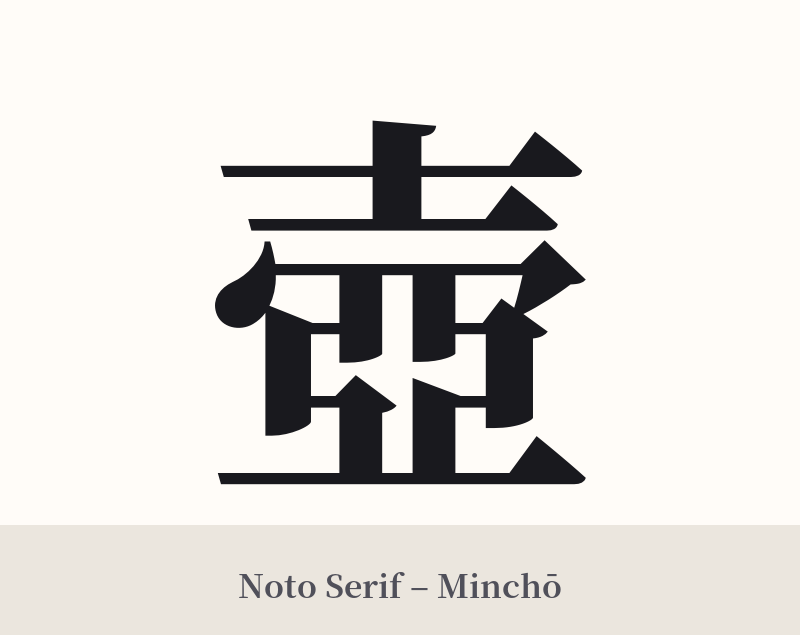
The same kanji can look dramatically different depending on the calligraphy style. Choose a font that matches the mood you want for your tattoo or design.
🎨 Tattoo Suitability
📐 Tattoo Design Guide
The kanji 壺 has a pleasingly complex and somewhat rounded shape that offers interesting design possibilities.
– Placement: Due to its detail, it works best in areas with enough space to appreciate its form, such as the forearm, calf, shoulder blade, or the back. A smaller placement on the wrist or ankle is possible, but risks the strokes blending together over time.
– Style: A traditional shodō (calligraphy) brushstroke style would emphasize its elegance and historical roots. The varying thickness of the lines can bring the character to life. Alternatively, a clean, modern font could highlight its geometric qualities.
– Visual Tips: Consider incorporating the kanji into a larger piece. It could be depicted as a literal jar from which something symbolic emerges—like smoke, water, a lotus flower, or even an octopus (a nod to 'takotsubo'). This adds a narrative layer to the design.
Comments