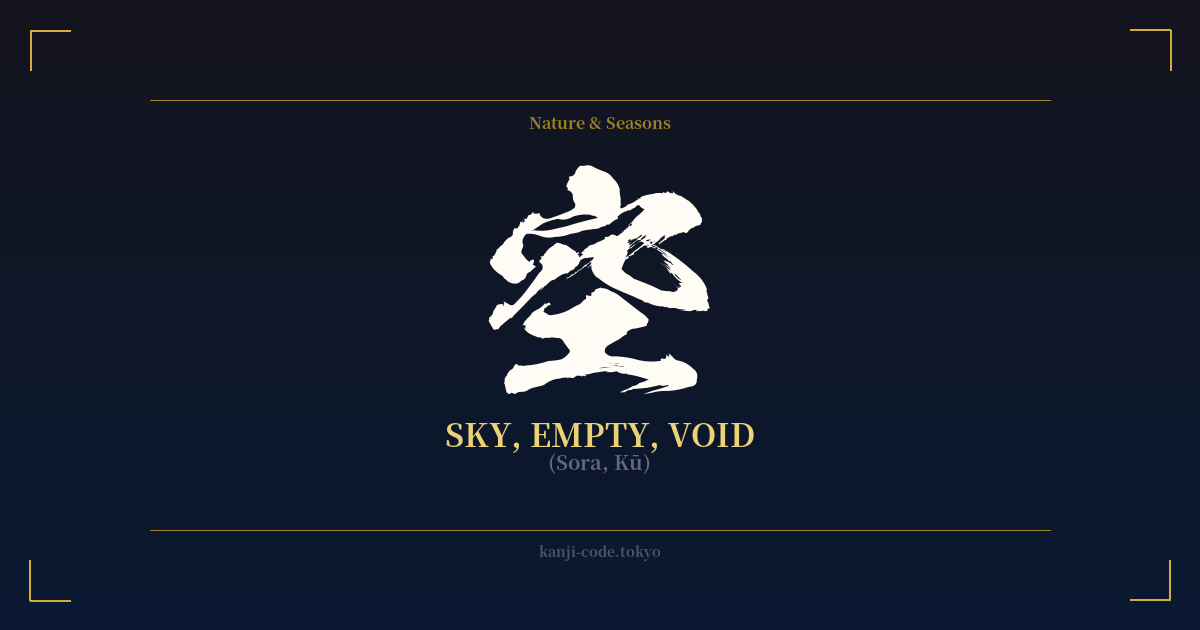
✍️ 空 (Sora, Kū) — Cultural Context
The kanji 空 is a universe unto itself, a single character that bridges the vast, physical world with the deepest realms of Eastern philosophy. Its dual readings, 'sora' and 'kū,' are the keys to unlocking its profound significance.
As 'sora,' it is the sky. Not just the atmosphere, but the boundless canvas above us that has captivated Japanese artists and poets for centuries. It's the sky in a Hokusai woodblock print, the backdrop for a cherry blossom festival, the subject of countless haiku that capture a fleeting moment. 'Sora' represents openness, immensity, freedom, and the natural world in its grandest scale. It is the physical space that holds the clouds, the sun, and the moon.
But when read as 'kū,' the character plunges into the depths of metaphysics. 'Kū' is the Japanese equivalent of the Sanskrit term Śūnyatā, a core concept in Mahayana Buddhism. This is often translated as 'emptiness' or 'void,' but these English words can be misleading. 'Kū' is not a negative absence or a nihilistic nothingness. Instead, it is a dynamic, limitless potential—the state of existence before form and concepts are applied. It is the idea that all things are transient and lack a permanent, independent self.
The famous Heart Sutra states, "Form is emptiness (kū), emptiness is form." This isn't a paradox for the sake of it; it's a fundamental insight. It suggests that reality is not fixed but fluid, and that the 'emptiness' of 'kū' is the very potential from which all forms arise. It is the silence from which music is born, the uncarved block of wood that holds the potential for any sculpture.
This philosophical weight is embedded in other familiar words. 'Karate' (空手) means 'empty hand,' signifying a martial art practiced without weapons, but also hinting at a state of mind free from ego and aggression. An airport is a 'kūkō' (空港), literally a 'sky port,' a gateway to the vastness of the 'sora.'
Therefore, 空 is more than just a picture of the sky. It is a symbol of potential, of the space between things that gives them meaning, and of a reality that is as open and limitless as the heavens themselves. It teaches that in emptiness, there is everything.
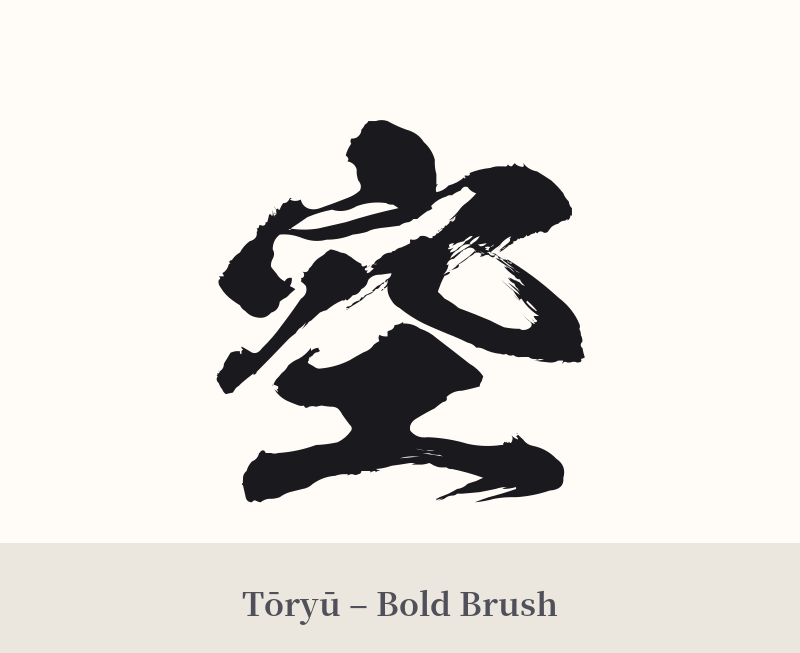
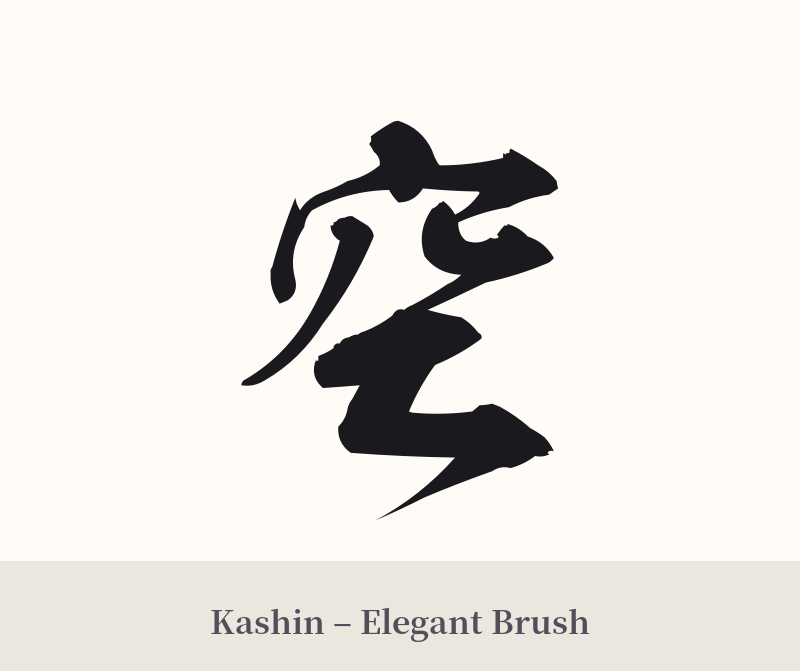
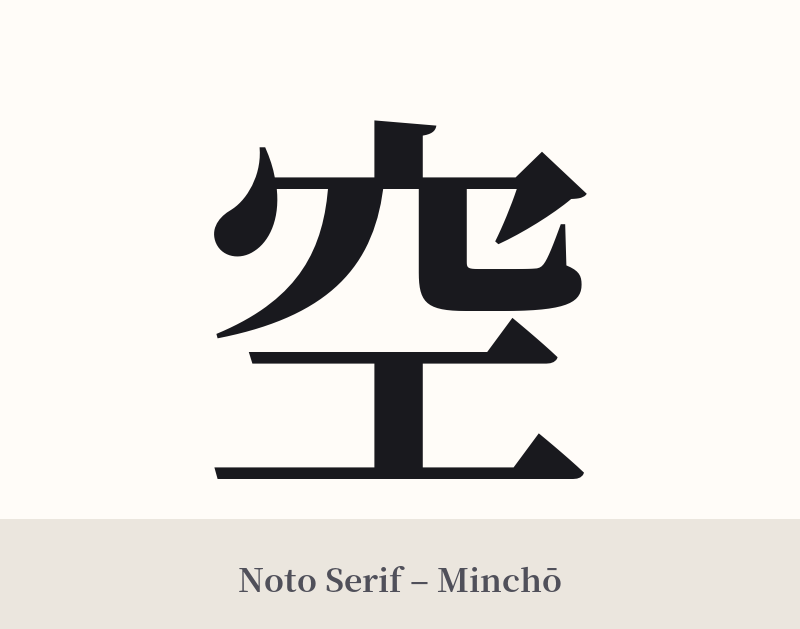
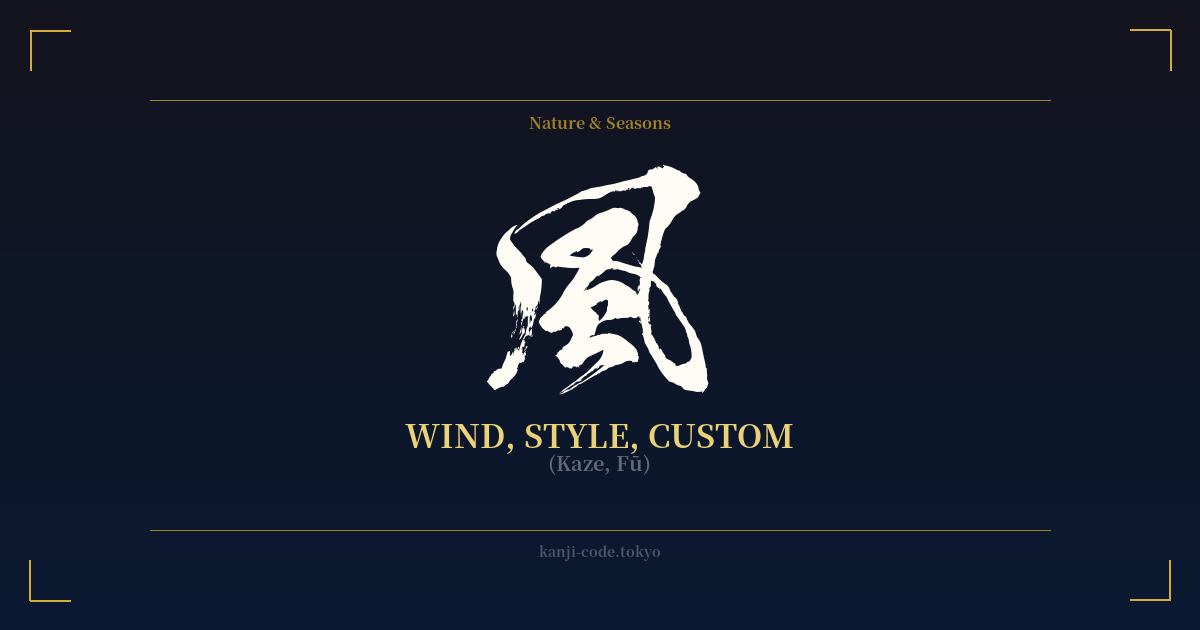
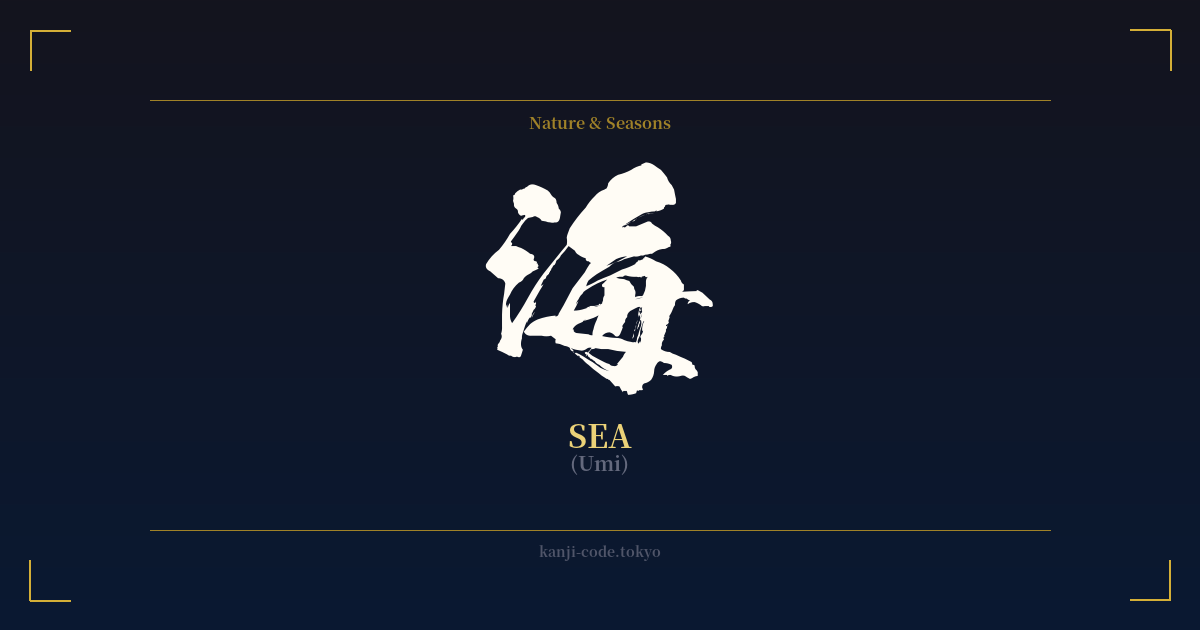
🖌️ Font Styles for 空
The same kanji can look dramatically different depending on the calligraphy style. Choose a font that matches the mood you want for your tattoo or design.
🎨 Tattoo Suitability
📐 Tattoo Design Guide
The beauty of 空 lies in its versatility, allowing for a wide range of design interpretations that can emphasize either its 'sky' or 'void' meaning.
– Placement: For a design that feels expansive, consider long, vertical placements like the forearm, the calf, or along the spine. This draws the eye upward, echoing the feeling of looking at the sky. For a more subtle, contemplative piece, the inner wrist, behind the ear, or the nape of the neck are excellent choices.
– Font Style: The script you choose dramatically alters the mood. A crisp, bold Kaisho (block script) feels strong, stable, and definitive. A flowing, connected Sōsho (cursive script) can evoke the movement of clouds, the wind, or the fluid nature of the Buddhist 'void.' A minimalist, Zen-inspired brushstroke can capture the essence of 'kū' with a single, meditative motion.
– Visual Tips: To emphasize the 'sora' (sky) aspect, you could integrate the kanji with elements like a flock of birds, subtle cloud patterns (kasumi), or a crescent moon. To amplify the 'kū' (void) meaning, consider placing the kanji within an Ensō (Zen circle), which itself symbolizes enlightenment and the void. Using negative space effectively is also a powerful technique; allow plenty of open skin around the character to honor its meaning of space and emptiness.
Comments