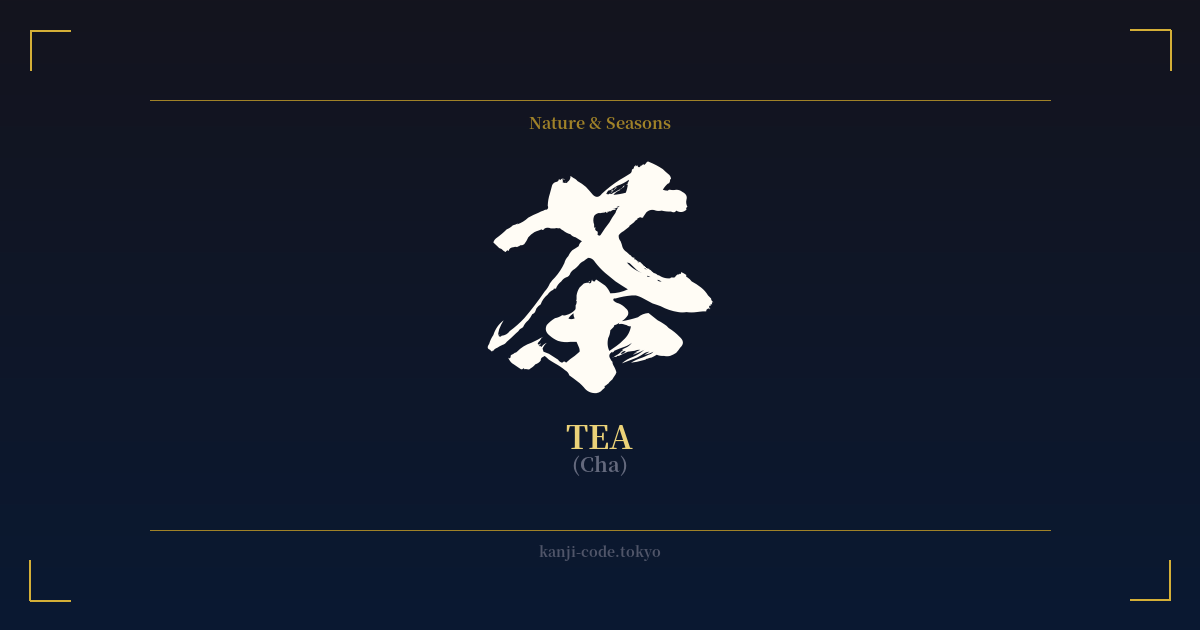
✍️ 茶 (Cha) — Cultural Context
The kanji 茶 (Cha) is far more than a simple character for a beverage; it is a gateway into the heart of Japanese culture, philosophy, and aesthetics. Its visual form itself tells a story, with the top radical '艹' (kusa-kanmuri) signifying 'plant' or 'grass,' and the lower component '余' contributing to the sound and a sense of something remaining or lingering, like the aftertaste of a fine tea.
Tea was introduced to Japan from China in the 9th century, initially by Buddhist monks who used it as a medicinal drink and an aid to stay awake during long meditation sessions. This early association with Zen Buddhism is crucial to understanding the kanji's deeper meaning. The act of preparing and drinking tea became a form of moving meditation, a practice in mindfulness, focus, and being present in the moment.
This practice evolved into the intricate and profound Japanese tea ceremony, known as 茶道 (Chadō), 'The Way of Tea.' Chadō is not merely about drinking tea; it is a structured art form guided by four key principles: Harmony (和, Wa), Respect (敬, Kei), Purity (清, Sei), and Tranquility (寂, Jaku). These principles govern every aspect of the ceremony, from the cleaning of the utensils to the specific gestures used to whisk the matcha. To embody 茶 is to embody this philosophy of finding peace and beauty in a simple, deliberate act.
The great tea master Sen no Rikyū, in the 16th century, perfected the wabi-sabi aesthetic within the tea ceremony. He championed the use of simple, rustic, and imperfect utensils, finding profound beauty in the natural and unadorned. Therefore, the kanji 茶 also evokes this appreciation for transience, simplicity, and the quiet beauty of imperfection. It represents a sanctuary from the noise of the outside world, a moment of stillness and connection, whether shared with others or enjoyed in solitude. Choosing this kanji is an embrace of this entire world of quiet contemplation and refined simplicity.
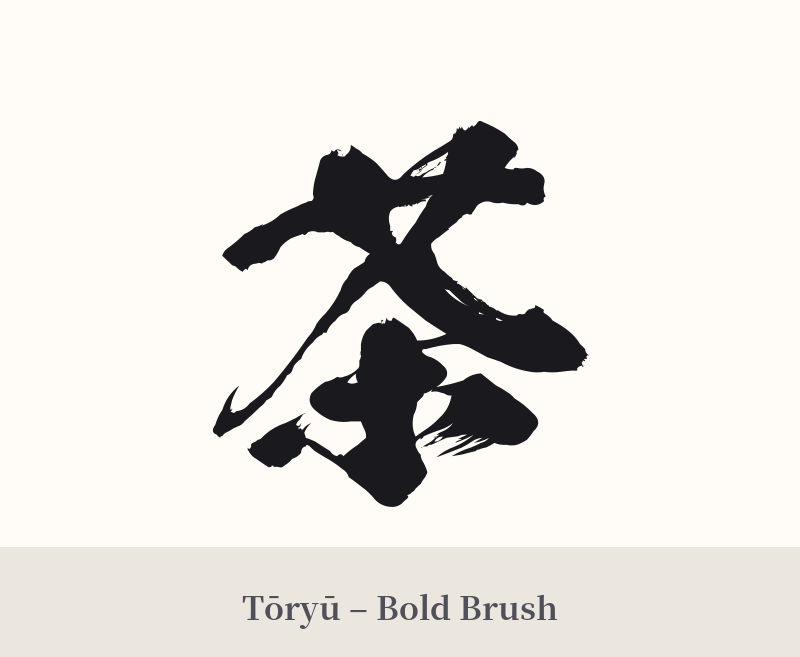
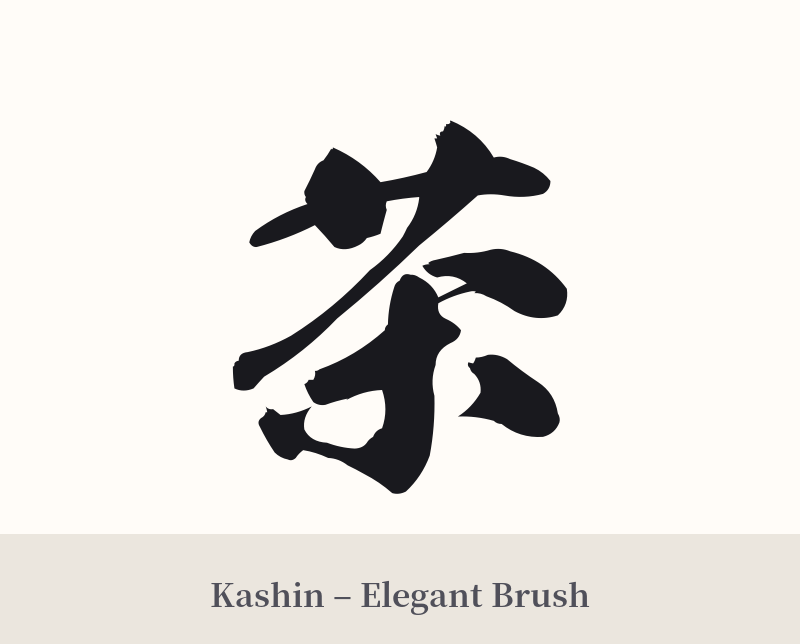
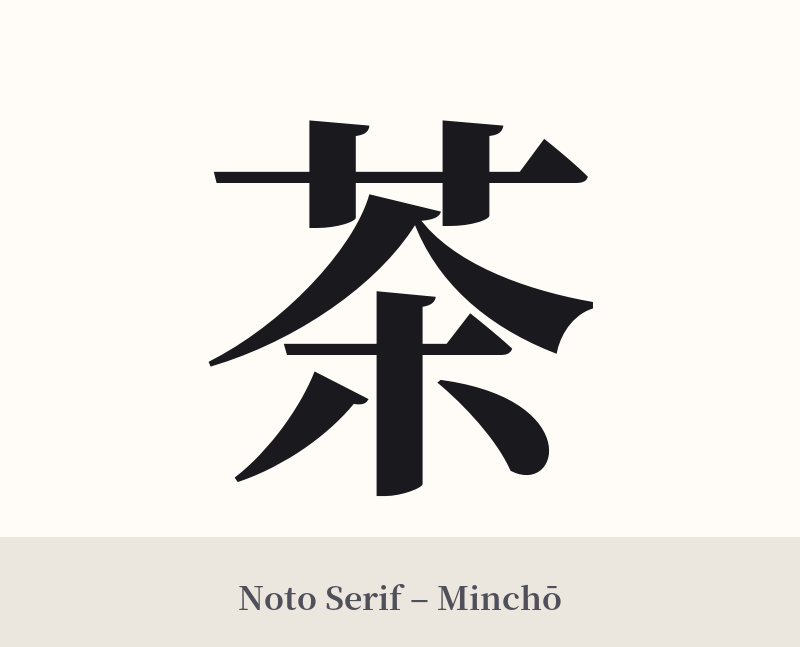
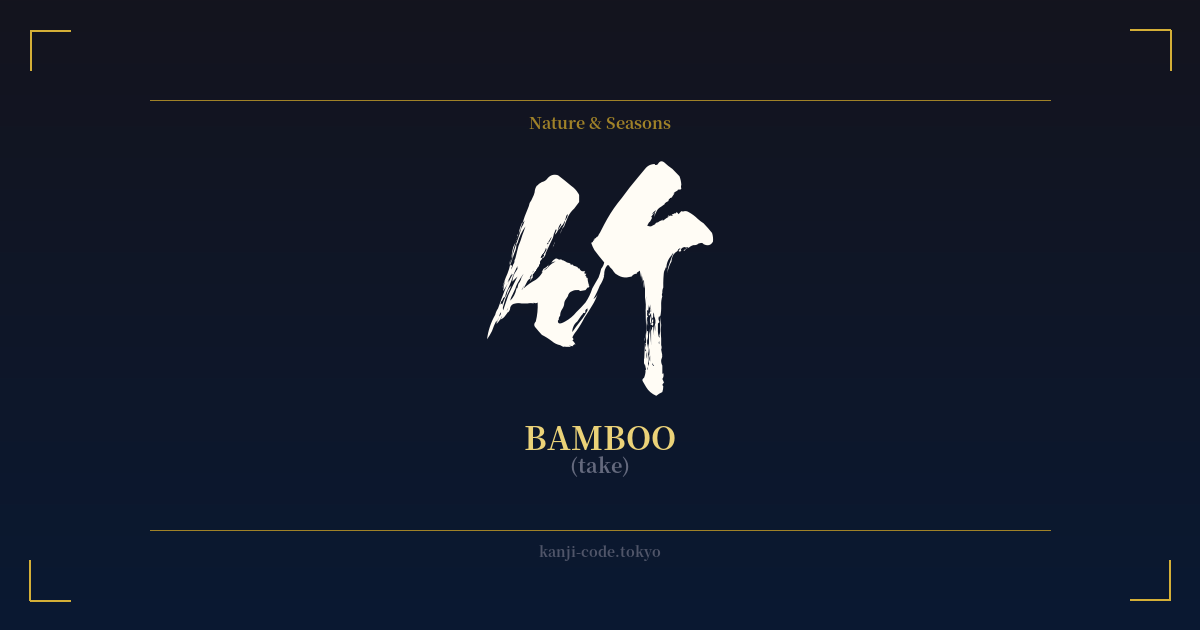
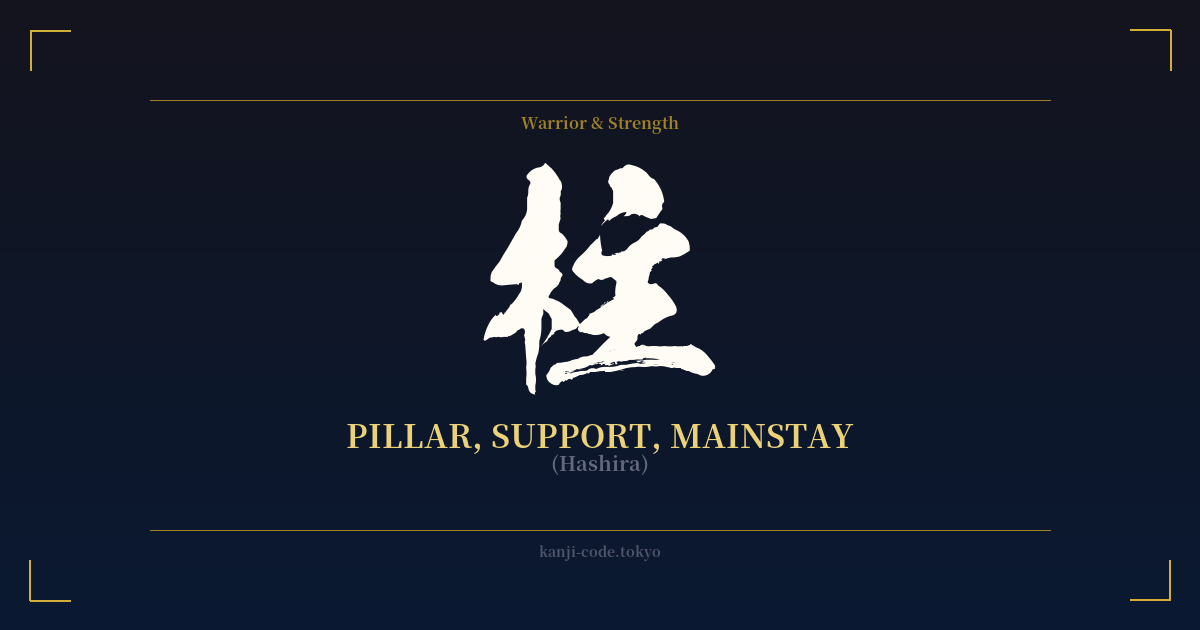
🖌️ Font Styles for 茶
The same kanji can look dramatically different depending on the calligraphy style. Choose a font that matches the mood you want for your tattoo or design.
🎨 Tattoo Suitability
📐 Tattoo Design Guide
The kanji 茶 offers wonderful versatility in tattoo design, capable of being both subtle and profound.
– Placement: For a small, personal reminder of tranquility, consider the inner wrist, behind the ear, or on the ankle. For a more prominent piece, the forearm or calf allows for more detail and integration with other elements. It can also work well on the back of the neck, a spot that is both concealable and elegant.
– Font Style: The choice of script can dramatically alter the feel. A flowing, semi-cursive Gyosho style can evoke the movement of water and steam, reflecting the natural and graceful aspects of the tea ceremony. A formal, crisp Kaisho (block) script emphasizes the discipline, respect, and structure of Chadō. A minimalist, modern interpretation can give it a contemporary feel, focusing on its core meaning of mindfulness in today's world.
– Visual Tips: Consider pairing 茶 with an ensō (Zen circle) to directly link it to concepts of enlightenment and the present moment. Other complementary images include a single tea leaf, a traditional tea bowl (chawan), a bamboo tea whisk (chasen), or even a subtle wisp of steam. A design done in a sumi-e (ink wash) style can beautifully mimic the aesthetics of traditional Japanese calligraphy and painting.
Comments