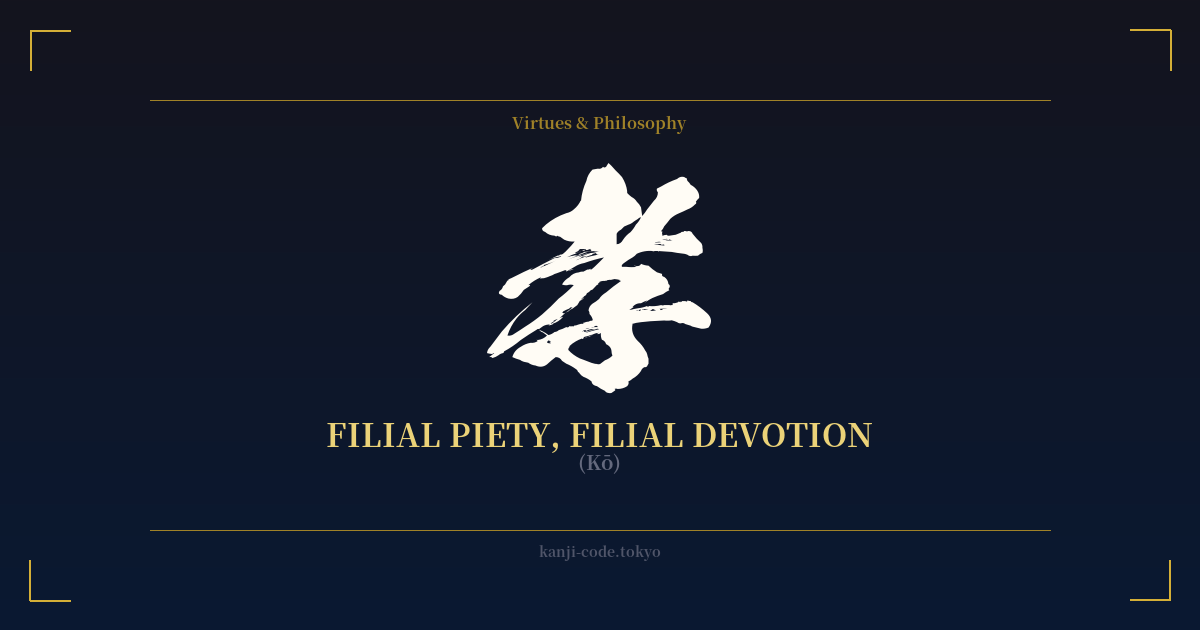
✍️ 孝 (Kō) — Cultural Context
The kanji 孝 (kō) is one of the most profound and culturally significant characters in East Asian philosophy, embodying the virtue of filial piety. Its very structure tells a story: the top portion is a simplified version of 老 (rō), meaning 'old' or 'elder,' while the bottom is 子 (ko), meaning 'child.' Together, they create a powerful visual metaphor of a child supporting their elder, representing a foundational pillar of societal harmony. This single character encapsulates a world of duty, gratitude, and love toward one's parents and ancestors. Rooted deeply in Confucianism, filial piety is considered one of the 'Five Constant Virtues' and the basis of all other virtues. It posits that a person who is respectful and dutiful to their own family will naturally extend that sense of morality and respect to others in society, from friends to rulers. This idea was a cornerstone of social and political structures in China, and it was adopted and adapted in Japan, shaping family life for centuries. In Japan, the concept of 孝 became intertwined with the traditional family system, known as the 'ie' (家). This system emphasized the continuity of the family line, and filial piety was the moral glue that held it together. It wasn't just about loving your parents; it was a concrete set of obligations. These included caring for them in their old age, performing memorial rites for ancestors to ensure their peaceful repose, and behaving honorably to uphold the family's reputation. Stories like the 'Twenty-four Filial Exemplars,' a classic text from China, were widely read in Japan, providing dramatic examples of children going to extreme lengths to care for their parents, further cementing the virtue in the popular imagination. While the rigid 'ie' system was legally dismantled after World War II, the spirit of 孝 remains a respected value in modern Japan. Its expression has evolved from one of strict, hierarchical obligation to a more nuanced feeling of gratitude and mutual support. Today, it is seen less as a duty and more as a natural expression of love and appreciation for the sacrifices parents have made. It's about remembering where you came from and honoring the bond that connects generations. Ultimately, 孝 (kō) represents a timeless and universal human experience: the cycle of being cared for and, in turn, becoming a caregiver. It is a tribute to family, a symbol of profound gratitude, and a reminder of the enduring connections that define us.
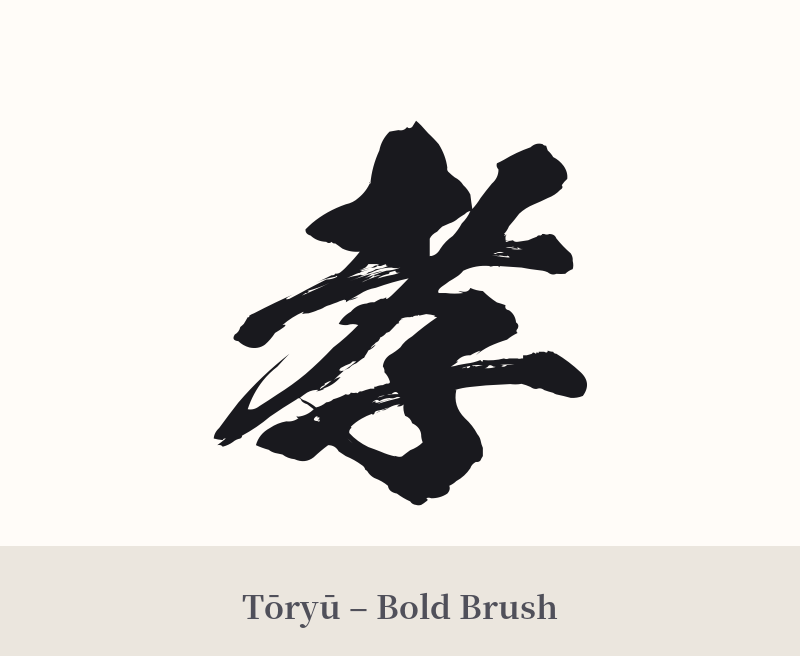
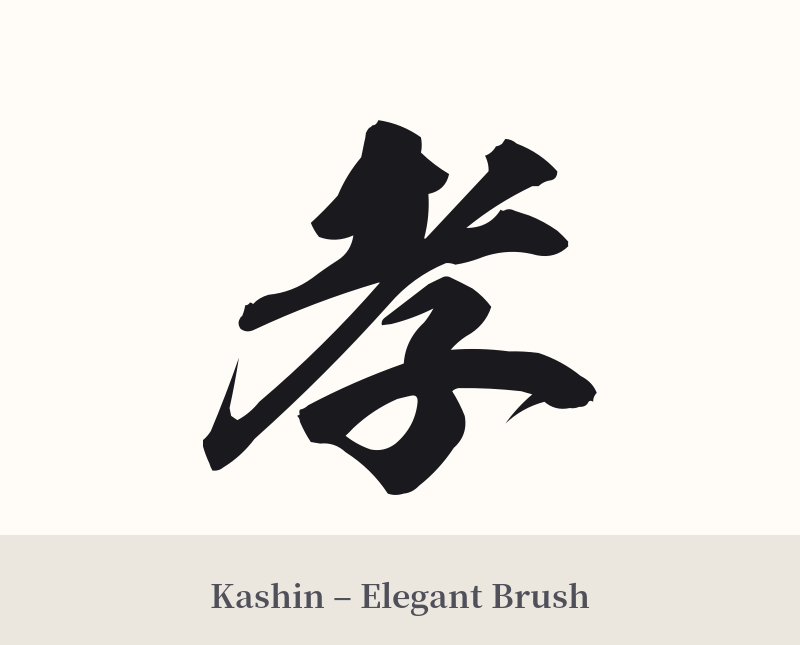
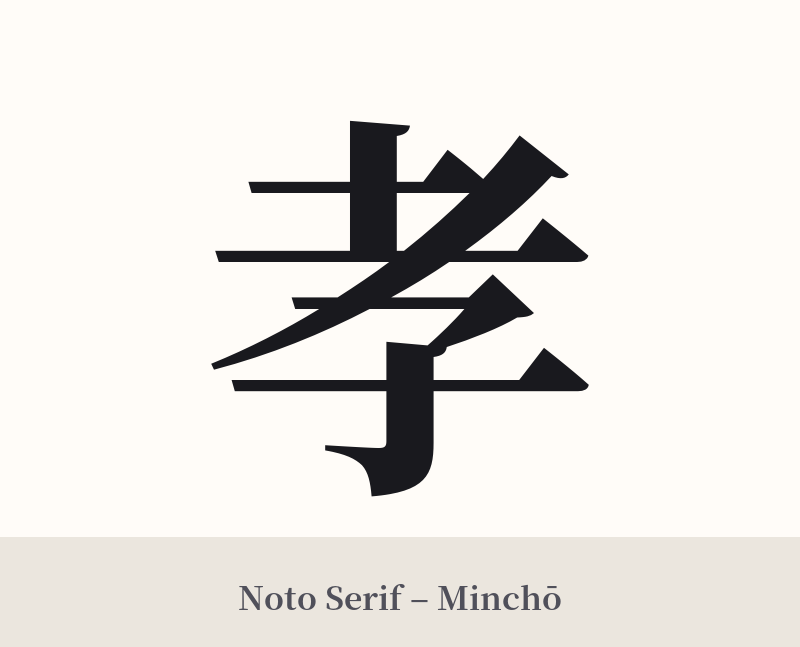
🖌️ Font Styles for 孝
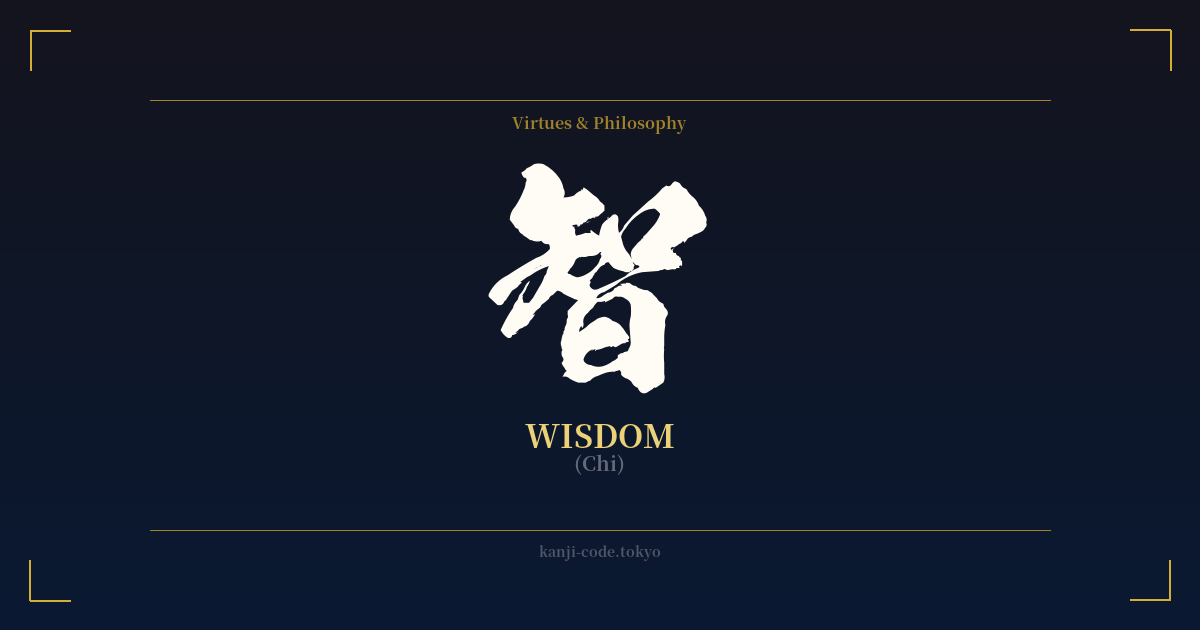
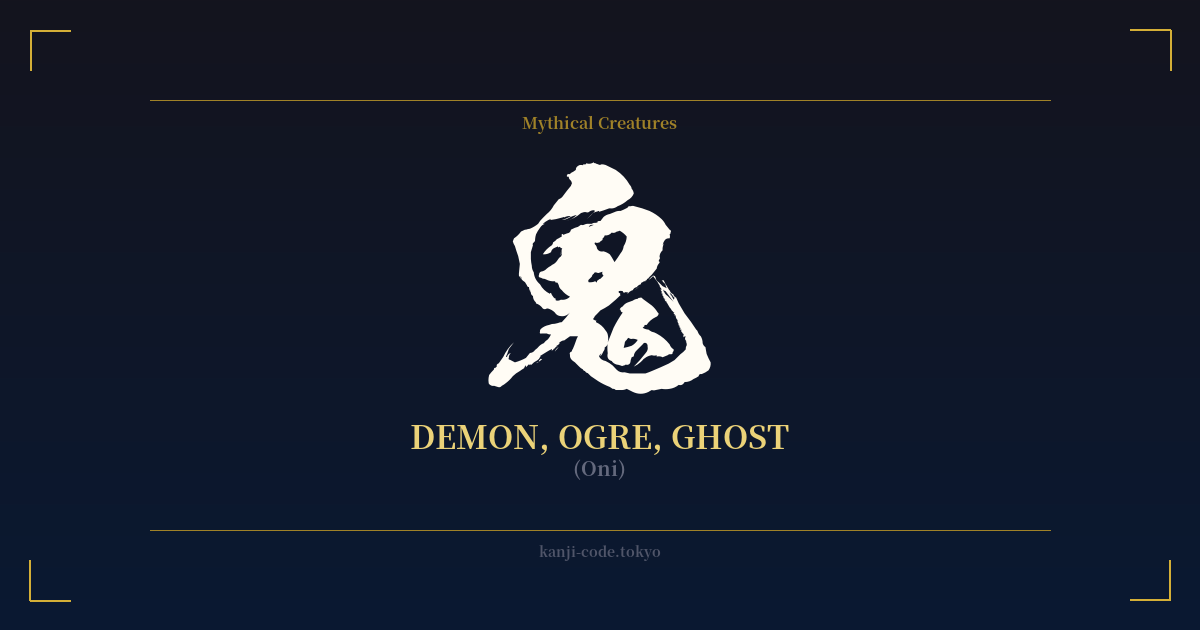
The same kanji can look dramatically different depending on the calligraphy style. Choose a font that matches the mood you want for your tattoo or design.
🎨 Tattoo Suitability
📐 Tattoo Design Guide
The kanji 孝 (kō) carries a quiet dignity, making it suitable for designs that are personal and meaningful rather than purely aesthetic. Its simple form allows for versatility in placement and style. – Placement: For a personal reminder of this value, consider subtle locations like the inner wrist, behind the ear, or on the ankle. As a larger statement piece, it works well on the forearm, the ribs, or centered on the back, where its balanced form can be appreciated. – Font Style: A traditional Kaisho (block) script emphasizes the formal, respectful nature of the virtue. For a more fluid and personal feel, a Gyosho (semi-cursive) style adds a touch of elegance and movement. A minimalist, clean-lined font can offer a modern interpretation of this traditional concept. – Visual Tips: While 孝 is strong enough to stand alone, it can be integrated with other elements. Consider pairing it with a cherry blossom to symbolize the transient nature of life and the importance of honoring family while you can, or with a subtle enso circle to represent the complete cycle of giving and receiving care.
Comments