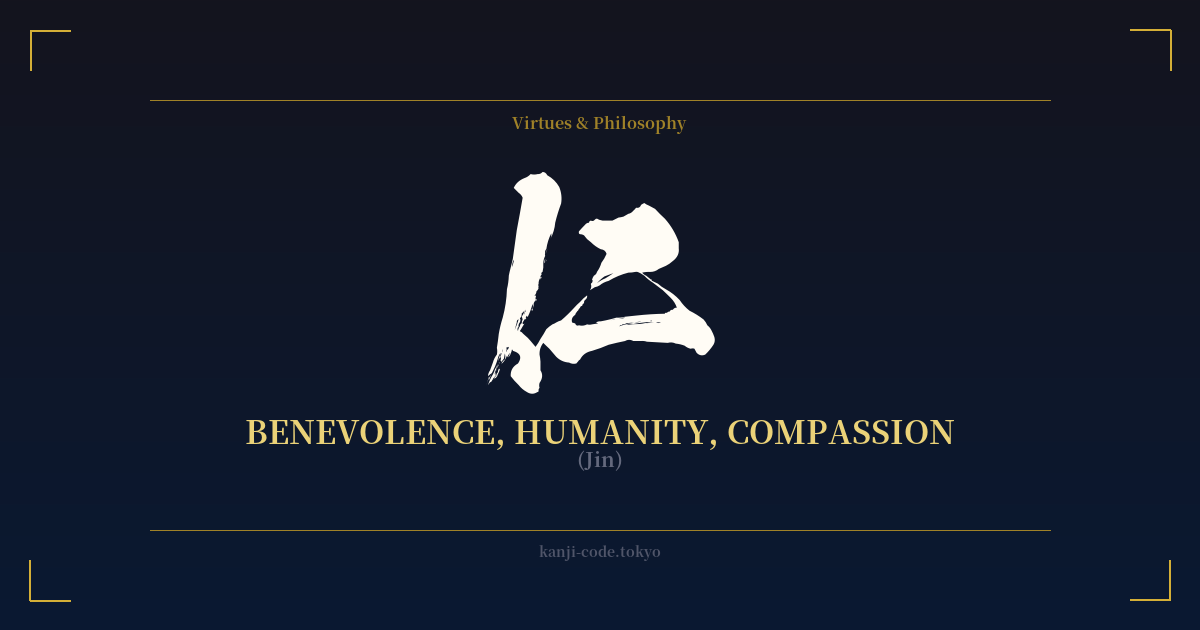
✍️ 仁 (Jin) — Cultural Context
The kanji 仁 (Jin) is far more than just a character; it is a cornerstone of East Asian philosophy and a profound statement about the very essence of being human. Its origins lie deep within Confucian thought, where it stands as the foremost of the Five Constant Virtues (五常, Gojō). The character itself offers a beautiful visual metaphor: it is composed of the radical for 'person' (人) and the number 'two' (二). This structure is often interpreted as representing the ideal relationship between two people—one built on empathy, compassion, and mutual respect. To practice 仁 is to recognize the humanity in others and to act with kindness and consideration.
In Japan, this Confucian ideal was seamlessly integrated into the nation's own ethical and martial codes. Perhaps most famously, 仁 became a central pillar of Bushido, the Way of the Warrior. For the samurai, strength and martial prowess were meaningless without benevolence. Jin was the virtue that tempered a warrior's power, demanding that they show mercy to the vanquished and compassion for the weak. It was the moral compass that guided their actions, ensuring that their strength was used not for personal gain, but for the protection of others and the upholding of justice.
Beyond the battlefield, 仁 permeates Japanese culture as a guiding principle for social harmony. It is the quiet kindness shown to a stranger, the empathy of a leader, and the fundamental belief in the good of humanity. You see its spirit in the Japanese emphasis on 'omotenashi' (wholehearted hospitality) and in the collective responsibility felt during times of crisis. The word also appears in important compounds like 仁義 (Jingi), meaning 'humanity and justice,' a term that, while famously used in yakuza films, originally speaks to a noble code of conduct.
Today, 仁 remains a deeply respected concept. It represents an ideal to strive for: a world where actions are guided by compassion rather than self-interest. To choose this kanji is to embrace a philosophy of profound kindness, inner strength, and a deep connection to others. It is a declaration of one's belief in the best parts of humanity.
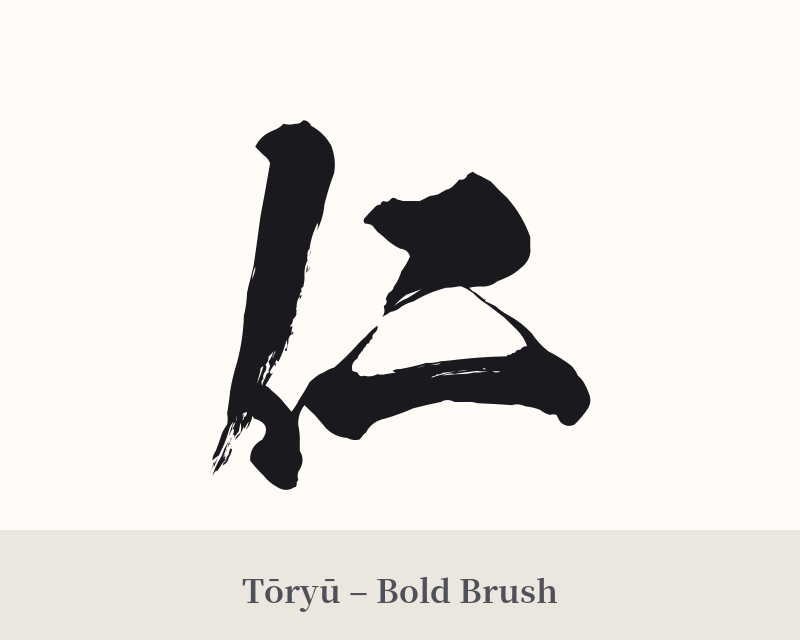
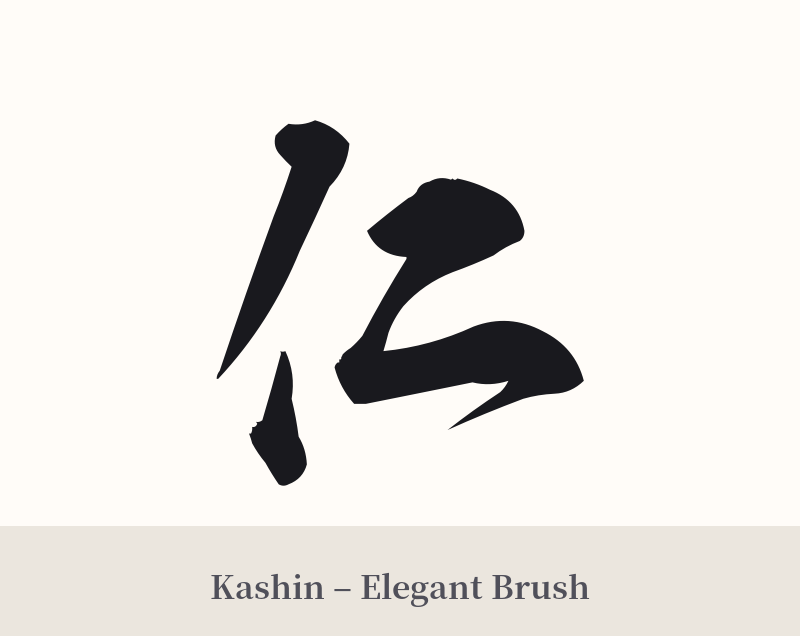
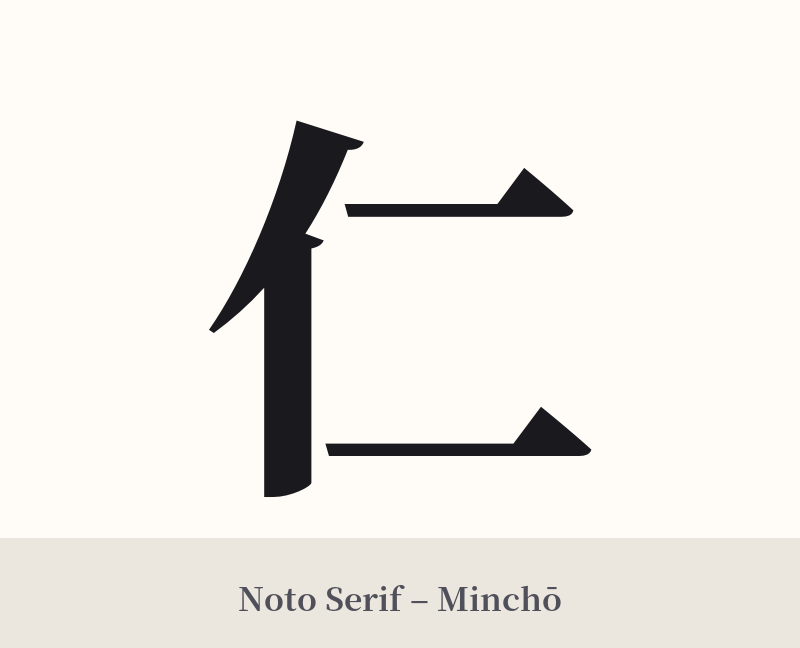
🖌️ Font Styles for 仁
The same kanji can look dramatically different depending on the calligraphy style. Choose a font that matches the mood you want for your tattoo or design.
🎨 Tattoo Suitability
📐 Tattoo Design Guide
The simple elegance of 仁 (Jin) makes it incredibly versatile for a tattoo design. Its balanced form looks powerful whether small and discreet or large and prominent.
– Placement: For a subtle reminder of this virtue, consider placing it on the inner wrist, behind the ear, or on the ankle. For a more declarative piece, the forearm, back of the neck, or across the chest or back allows the character to stand with authority.
– Style: A traditional 'Kaisho' (block) script will give it a sense of stability and strength. For a more fluid and artistic feel, a semi-cursive 'Gyōsho' or full cursive 'Sōsho' style can emphasize the humanistic, flowing nature of compassion. A thick, bold brushstroke can add a sense of weight and importance.
– Visual Pairings: While it stands perfectly on its own, 仁 can be paired with other elements. Placing it within an 'ensō' (Zen circle) can link benevolence to the concepts of enlightenment and the universe. Pairing it with a lotus flower can symbolize rising above hardship with a compassionate heart.
Comments