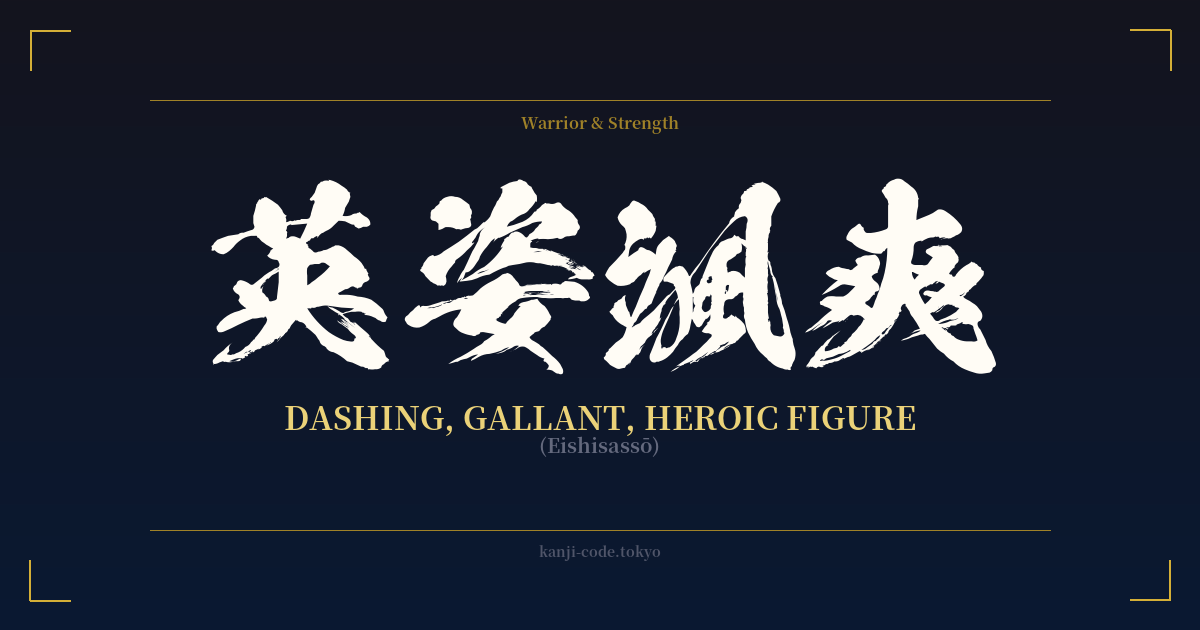
✍️ 英姿颯爽 (Eishisassō) — Cultural Context
英姿颯爽 (Eishisassō) is a Japanese four-character idiom, or yojijukugo, that paints a vivid picture of a person who is gallant, heroic, and dashing. It describes someone who not only has a noble and impressive appearance but also carries themselves with a refreshing, crisp, and spirited energy. This isn't just about being handsome or beautiful; it's about embodying an aura of effortless competence and cool confidence.
The term evokes the classic archetype of a hero. Imagine a samurai warrior sitting perfectly poised on their horse, a skilled pilot walking away from their aircraft with quiet confidence, or a charismatic leader who commands a room with their presence. It’s the image of someone who is both brave and stylish, spirited and composed. The feeling is one of admiration for their dignified and impressive figure.
Breaking down the term gives us deeper insight. "Eishi" (英姿) refers to a heroic or magnificent figure. "Sassō" (颯爽) is the real heart of the phrase, combining the character for the sound of a swift wind (颯) with the character for 'refreshing' or 'bracing' (爽). Together, they suggest a presence that is as invigorating and sharp as a cool autumn breeze. This person doesn't just stand there; they move with a purpose and energy that uplifts those around them.
In Japanese culture, 英姿颯爽 is often used in literature, manga, and anime to describe a quintessential heroic character, especially during a dramatic entrance or a moment of decisive action. It’s the ideal of not just winning, but winning with style and grace. While traditionally associated with masculine figures like warriors and heroes, it can absolutely be applied to a woman who possesses a similar gallant, commanding, and spirited presence—think of a powerful queen, a skilled martial artist, or a determined leader.
Today, the term can be used more broadly to praise someone who looks particularly sharp and full of life. Someone in a crisp uniform, a perfectly tailored suit, or even an athlete at the peak of their performance might be described as 英姿颯爽. It’s a compliment that goes beyond the surface, acknowledging a person's vibrant spirit and dignified bearing as much as their physical appearance.
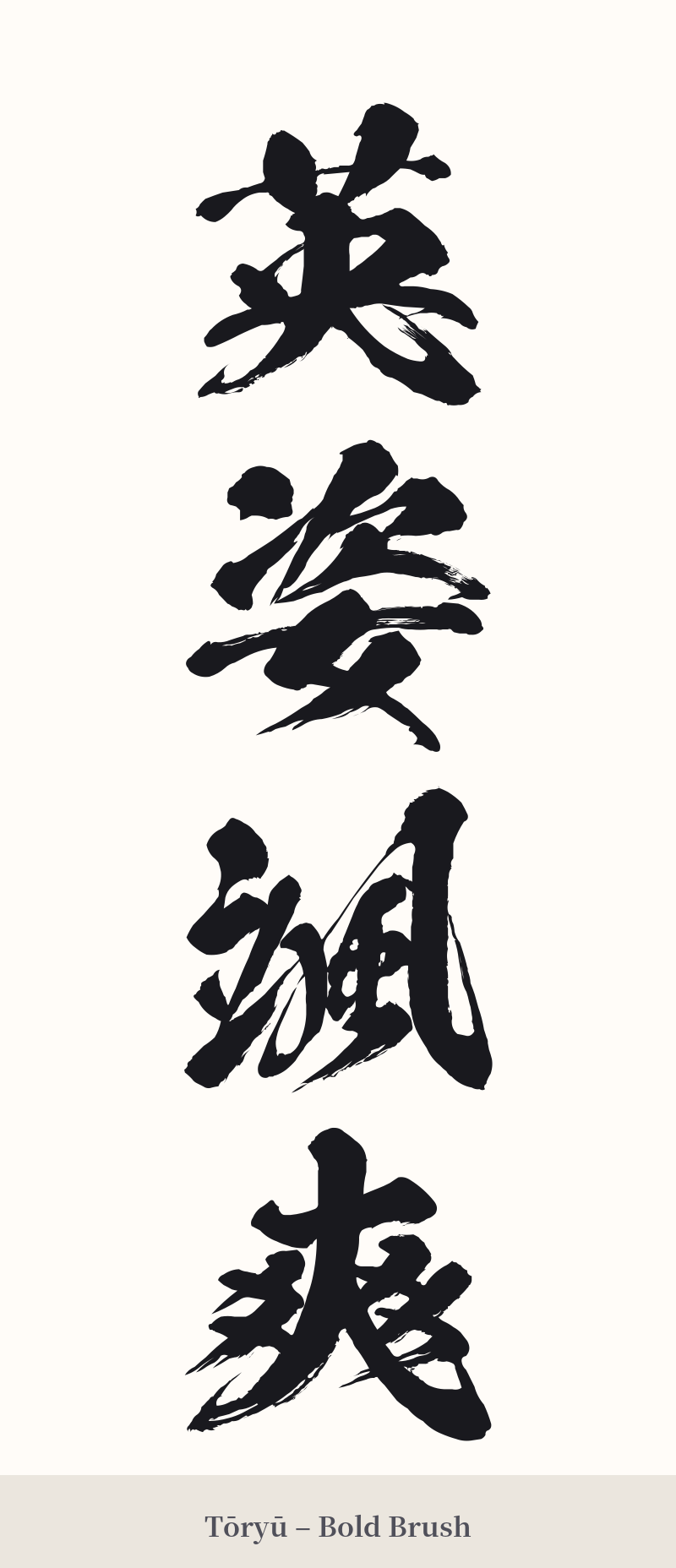
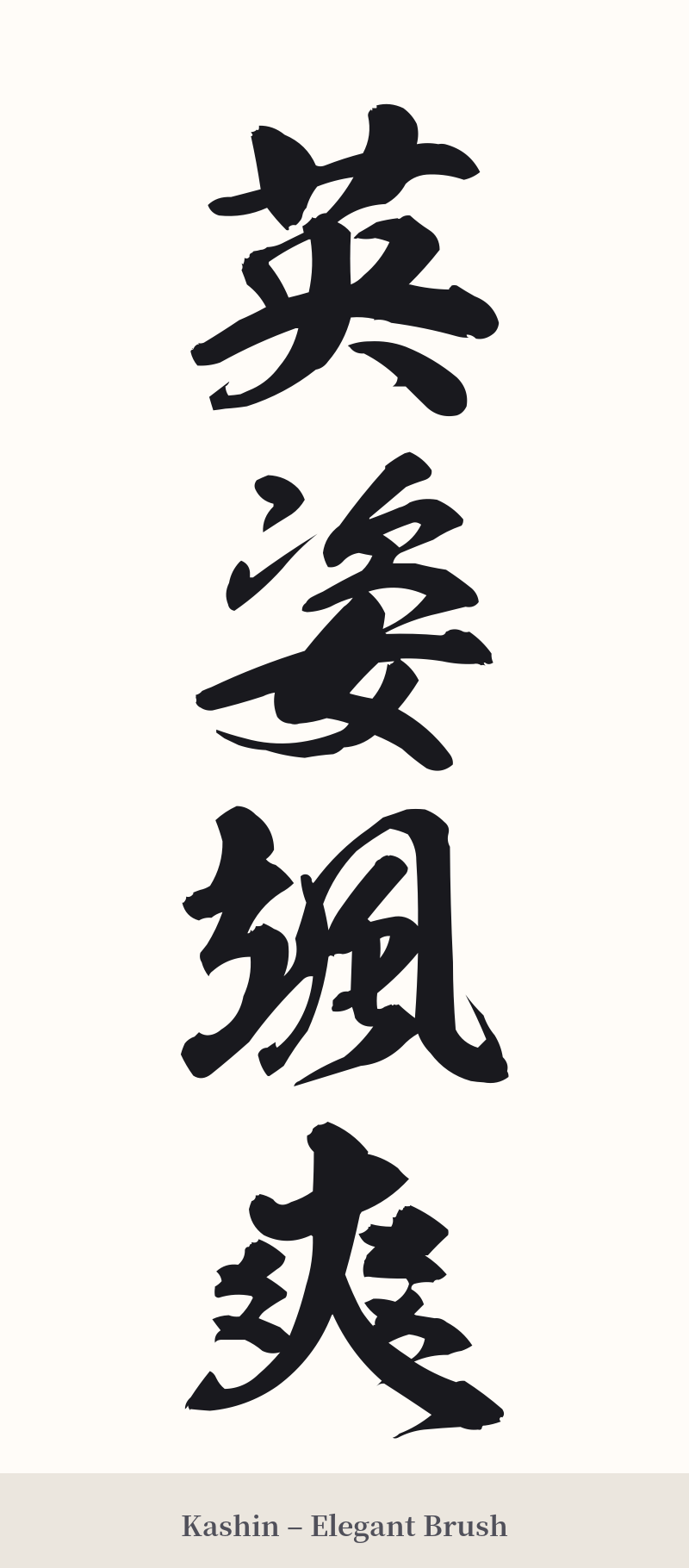
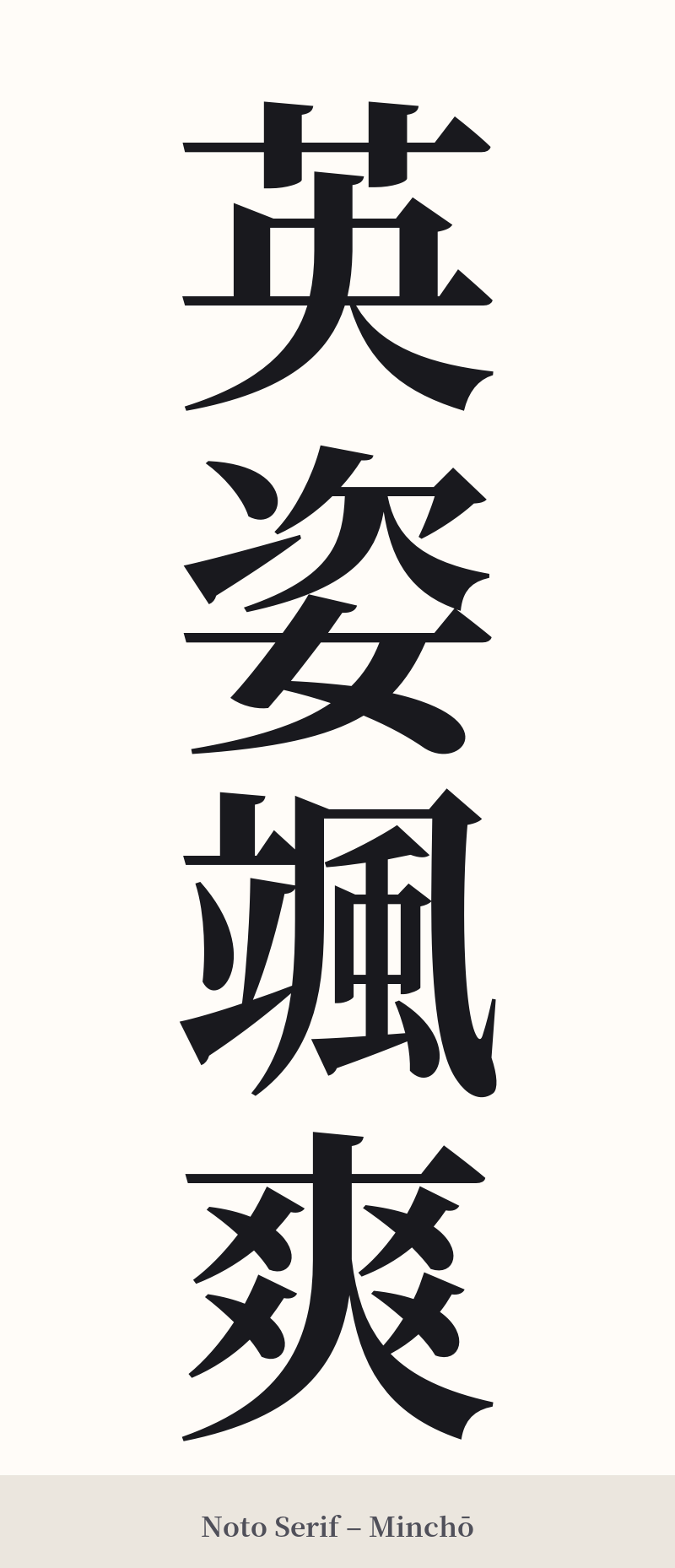
🖌️ Font Styles for 英姿颯爽
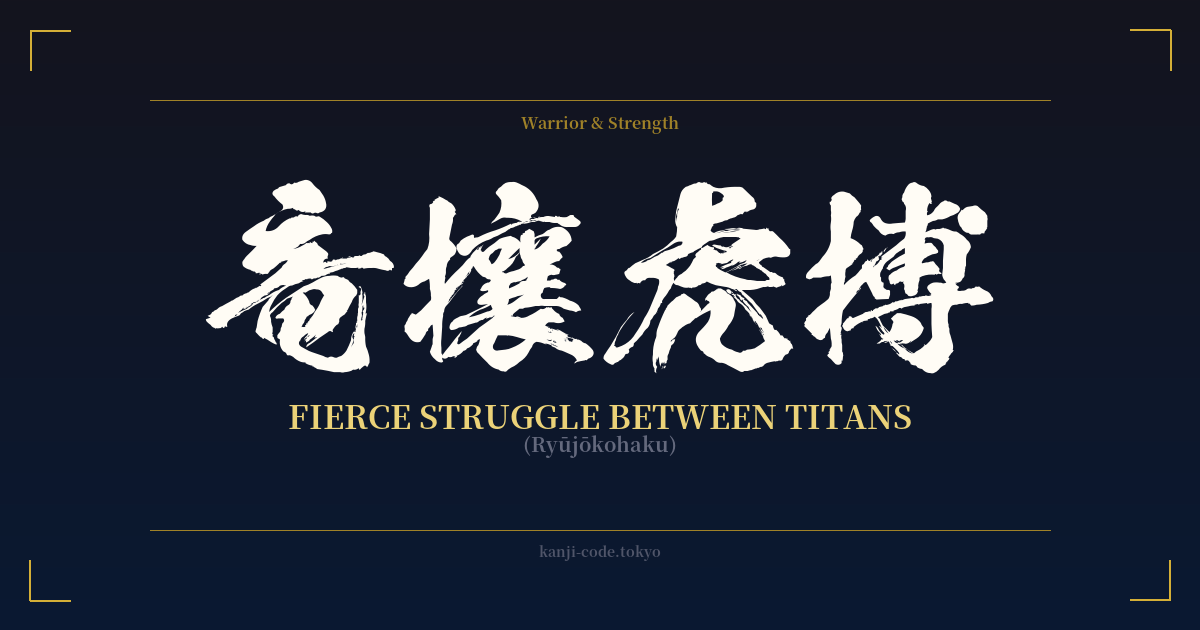
The same kanji can look dramatically different depending on the calligraphy style. Choose a font that matches the mood you want for your tattoo or design.
🎨 Tattoo Suitability
📐 Tattoo Design Guide
For a four-character idiom like 英姿颯爽, a vertical orientation is the most classic and visually appealing choice. This layout flows naturally down the body and respects the traditional way Japanese is written.
– Placement: Ideal placements include the spine, forearm, or calf. These areas provide the necessary vertical space for the characters to be inked at a size that preserves their detail.
– Font Style: The font can dramatically alter the feel. A dynamic, semi-cursive script (gyōsho) would beautifully capture the 'swift' and 'refreshing' nuance of 颯爽. For a more powerful and stoic feel, a bold and angular block script (kaisho) would emphasize the 'heroic' aspect of 英姿.
– Visual Tips: Due to the complexity of the characters, especially 颯 and 爽, avoid making the tattoo too small. A skilled artist is crucial to ensure the strokes don't bleed together over time. Consider minimalist accompanying elements, like a few sharp brush strokes suggesting wind, to complement the meaning without cluttering the design.
Comments