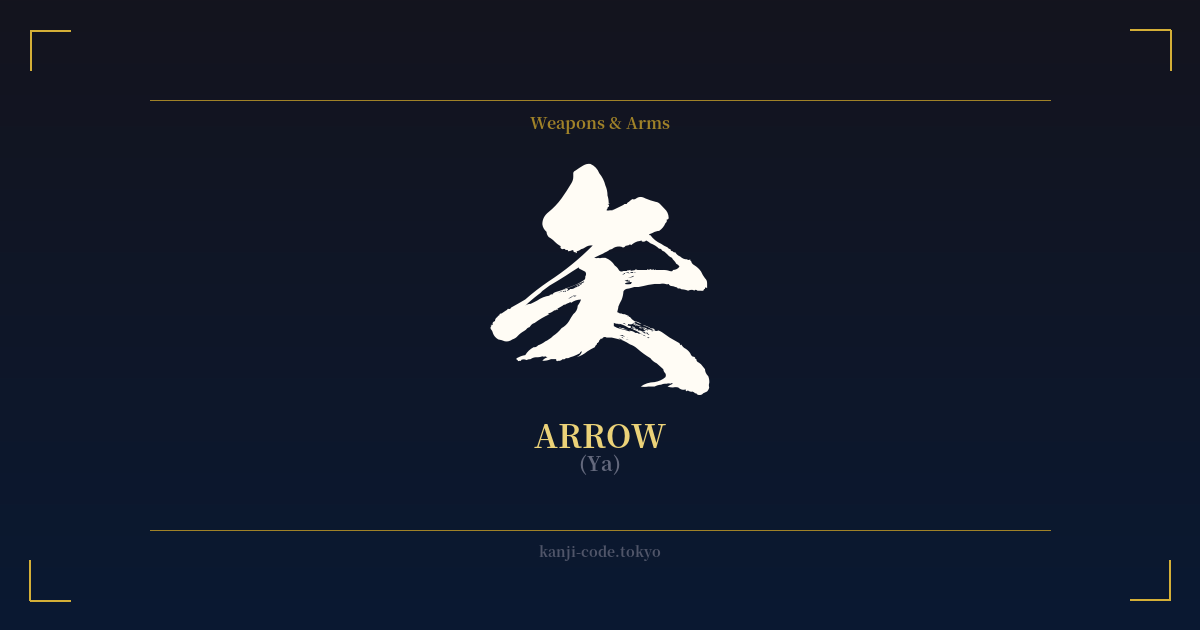
✍️ 矢 (Ya) — Cultural Context
The kanji 矢 (ya) is a perfect example of a character that is simple in form but incredibly rich in meaning. Originating as a pictograph of an arrow nocked on a bowstring, its shape has remained remarkably consistent over centuries, speaking to its fundamental importance in human history.
In Japan, the arrow's significance extends far beyond its role as a tool of the hunt or a weapon of the samurai. While it was certainly a cornerstone of bushidō (the way of the warrior), its most profound modern identity is found in the spiritual and meditative practice of Kyūdō (弓道), the Way of the Bow. In Kyūdō, shooting an arrow is not merely about hitting a target; it is a spiritual discipline. The arrow symbolizes the extension of the archer's spirit, a manifestation of focus, clarity, and a 'right mind.' A successful shot is one made with a pure heart, where the arrow and archer become one.
This spiritual dimension is also deeply woven into Shinto traditions. Visit a Shinto shrine, especially around the New Year, and you will find 'hamaya' (破魔矢) – literally 'demon-breaking arrows.' These are symbolic, often ornate arrows sold as good luck charms to ward off evil spirits and bring fortune for the coming year. They are not meant for shooting but are displayed in the home as a form of spiritual protection, transforming the arrow from an object of aggression into a guardian symbol.
This concept is captured in Japanese proverbs and stories. The famous tale of Mōri Motonari, a 16th-century daimyō, tells of the 'three arrows' (三本の矢, sanbon no ya). He demonstrated to his sons that while one arrow is easily broken, a bundle of three is unbreakable, teaching a powerful lesson about family unity and strength. From the battlefield to the dojo to the shrine, the 矢 has evolved into a symbol not of conflict, but of directed purpose, spiritual clarity, and protective power.
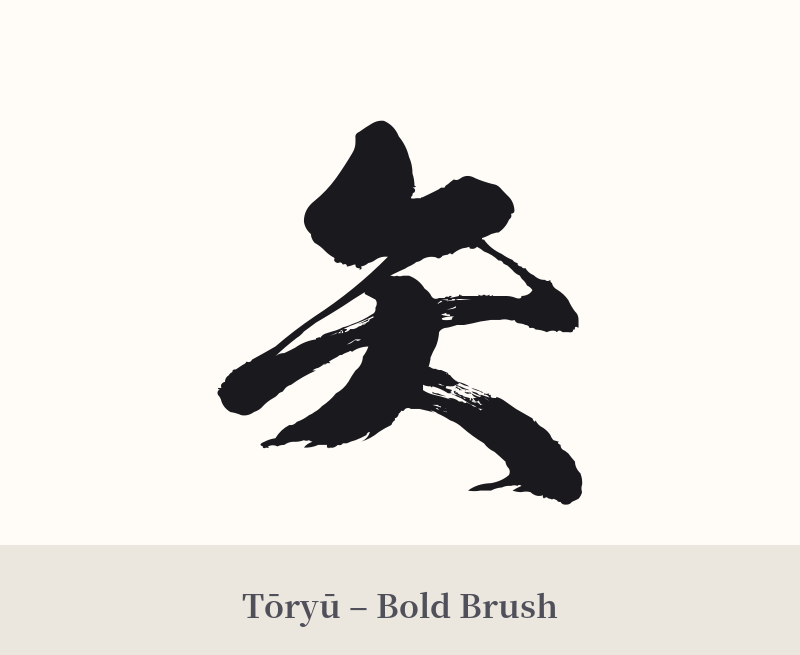
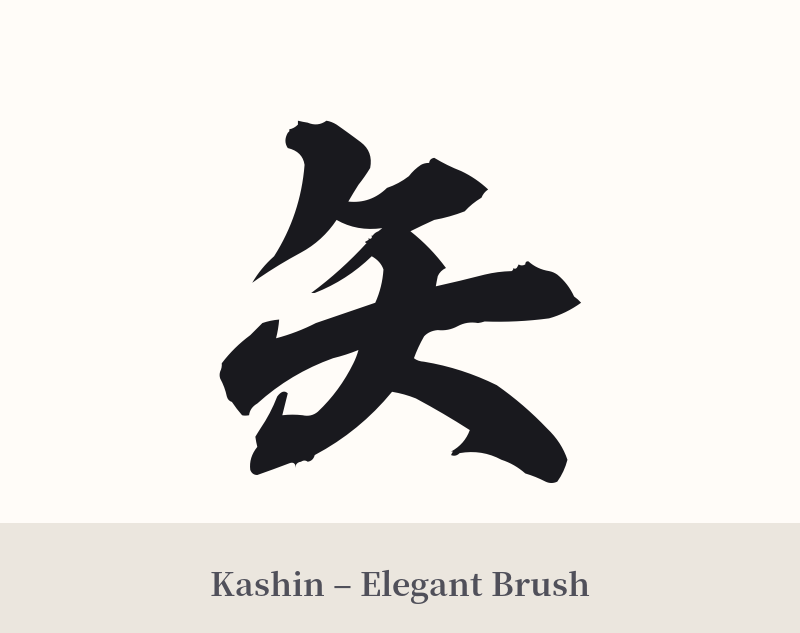
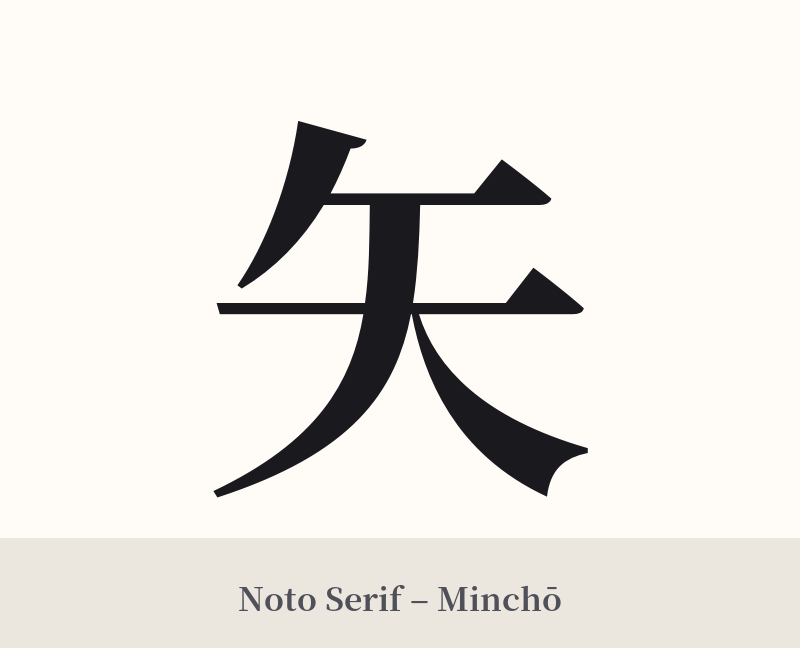
🖌️ Font Styles for 矢
The same kanji can look dramatically different depending on the calligraphy style. Choose a font that matches the mood you want for your tattoo or design.
🎨 Tattoo Suitability
📐 Tattoo Design Guide
The kanji 矢 is versatile due to its strong verticality and simple elegance. It works well both as a standalone piece and as part of a larger composition.
– Placement: Its linear shape is ideal for the forearm, the back of the calf, or along the spine. For a smaller, more discreet tattoo, it can be placed behind the ear or on the wrist.
– Style: A bold, dynamic calligraphy (shodō) style can emphasize the arrow's sense of movement and speed. A minimalist, clean-line approach highlights its symbolic purity and focus. Consider a design that mimics the look of a traditional Japanese arrow, perhaps with fletching details subtly integrated.
– Pairings: For a more narrative piece, 矢 can be paired with its counterpart, 弓 (yumi, bow), to create a complete Kyūdō theme. It can also be used as a directional element, pointing towards another symbol or word that holds personal significance, representing your path or goal.
Comments