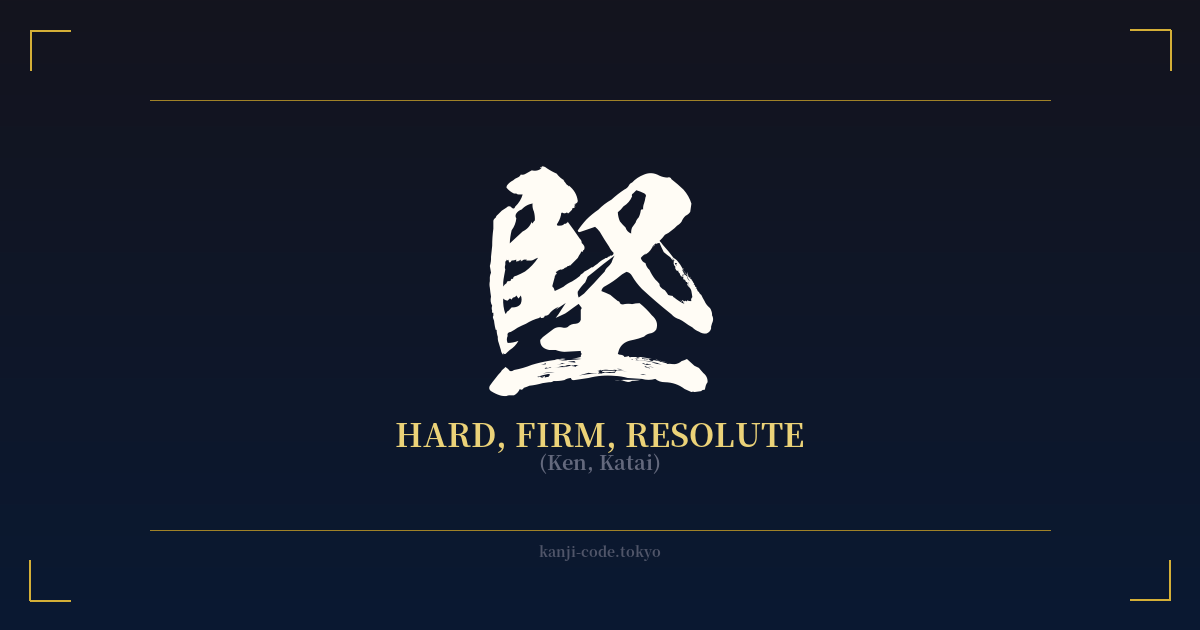
✍️ 堅 (Ken, Katai) — Cultural Context
The Japanese kanji 堅 (ken, katai) is a powerful symbol that embodies the concepts of hardness, firmness, and unwavering resolve. Its meaning extends far beyond simple physical density, touching upon the very core of inner strength, reliability, and endurance. At its most literal, 堅 describes things that are solid and difficult to break, like a rock (堅い石 – katai ishi) or a fortified castle wall.
This literal meaning provides a strong foundation for its much deeper, metaphorical applications. When applied to a person, 堅 signifies a steadfast character—someone who is dependable, resolute, and not easily swayed. It is the quality of a person with a firm will (意志堅固 – ishi kengo) or an unshakeable belief. This is a highly valued trait in Japanese culture, associated with integrity and trustworthiness.
The character's origin offers further insight. It is composed of 臤 (ken) on top and 土 (tsuchi, do) on the bottom, which means 'earth' or 'soil'. The top part, 臤, is a pictograph of a hand (又) holding a minister or official (臣), suggesting a firm grip or control. When combined with 'earth', the entire character paints a vivid picture of something as solid and immovable as hardened ground or a fortress built on a strong foundation.
This concept of firm resolve is deeply intertwined with the ideals of Bushido, the samurai code. A warrior was expected to possess a spirit that was 堅—unyielding in the face of adversity, loyal to their lord, and resolute in their duties. This wasn't about being stubbornly rigid, but about having a core of strength that could withstand any pressure. The ability to endure hardship without complaint is a virtue that 堅 perfectly encapsulates.
In modern Japan, the word appears in many compounds. 堅実 (kenjitsu) means 'steady' or 'sound', often describing a reliable person or a safe investment. 堅固 (kengo) means 'solid' or 'strong', used for both physical structures and abstract concepts like a person's determination. In sports, a 'firm defense' (堅い守り – katai mamori) is praised. This kanji is therefore a symbol not of aggression, but of dependable, enduring strength that provides a foundation for success and security.
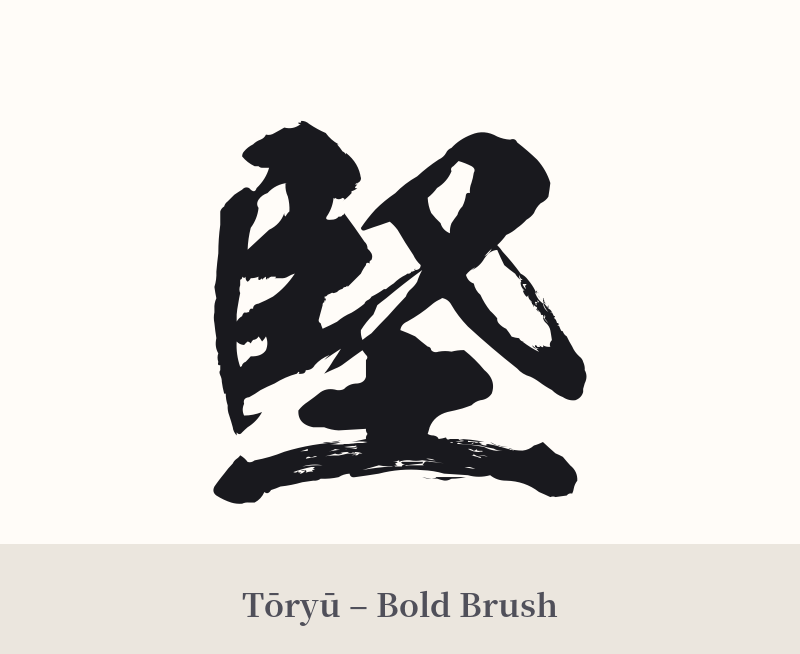
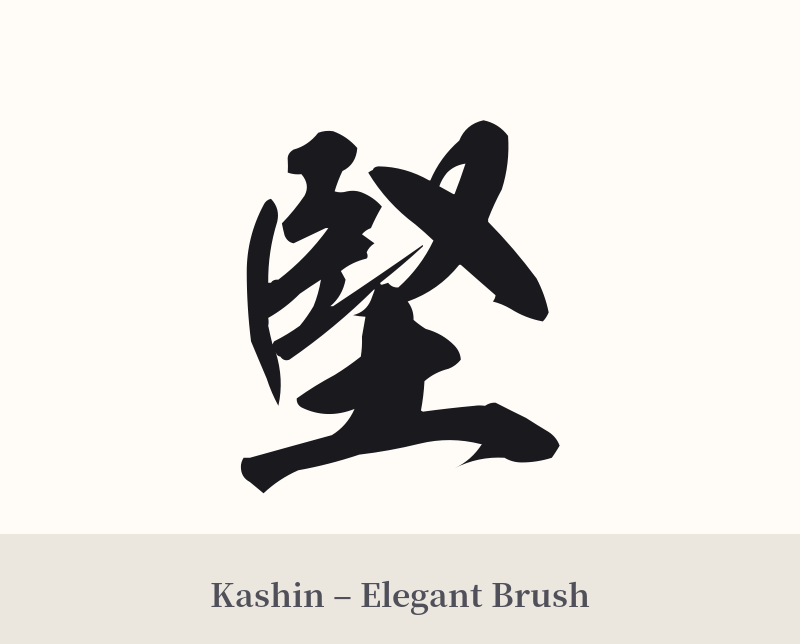
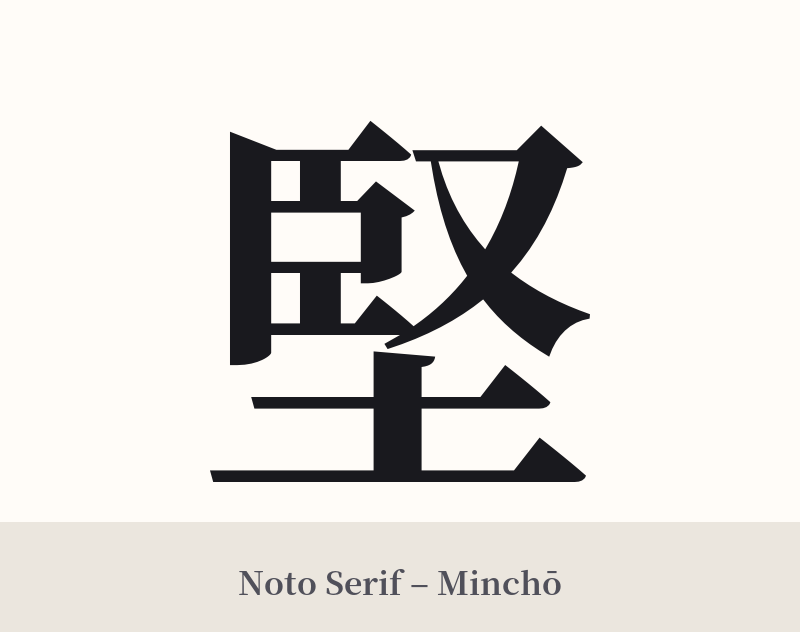
🖌️ Font Styles for 堅
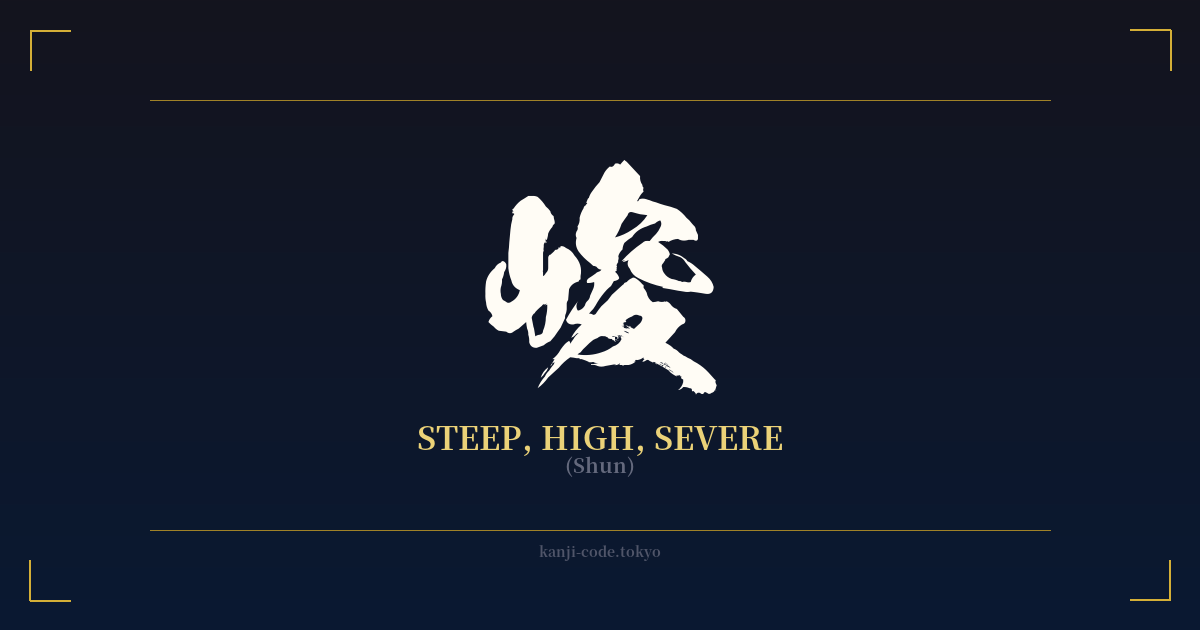
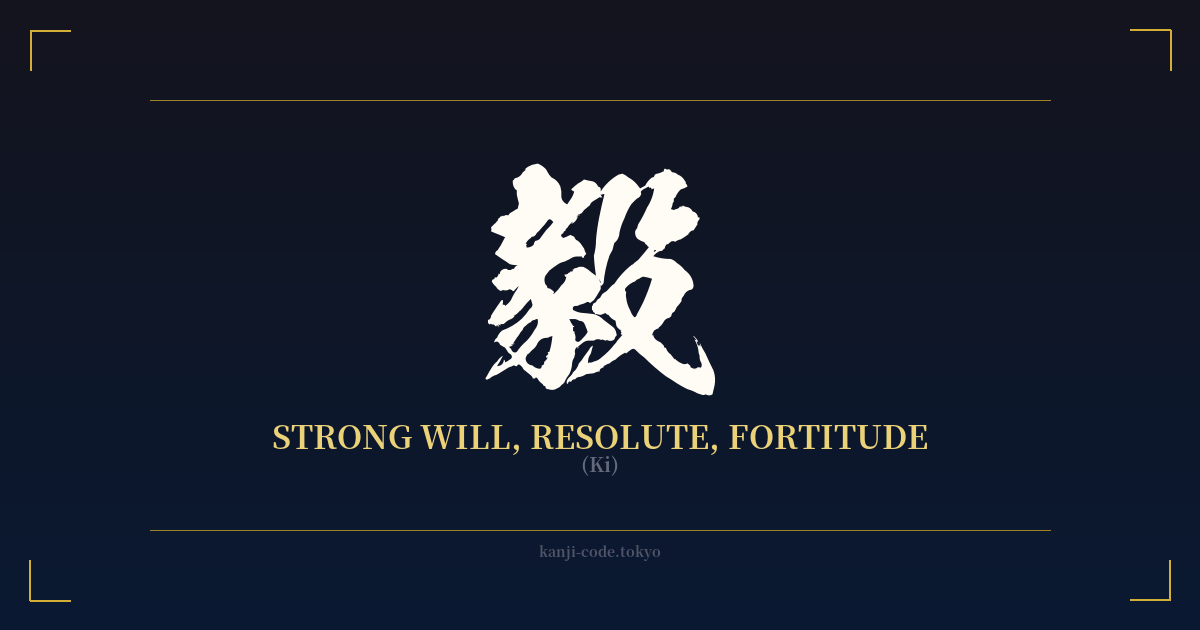
The same kanji can look dramatically different depending on the calligraphy style. Choose a font that matches the mood you want for your tattoo or design.
🎨 Tattoo Suitability
📐 Tattoo Design Guide
The kanji 堅 offers excellent design flexibility due to its balanced structure and powerful meaning.
– Placement: Consider areas of the body that suggest strength and stability. The forearm, bicep, calf, or the back of the shoulder are all excellent choices. For a more central and personal statement, the chest or upper back works well.
– Font Style: A bold, angular font like Kaisho (block script) is a classic choice, emphasizing the 'solid' and 'firm' nature of the character. For a more fluid yet strong look, Gyosho (semi-cursive) can add a touch of dynamism. A highly stylized Sosho (cursive) script could represent a more flexible, resilient kind of strength.
– Visual Elements: While 堅 is strong enough to stand alone, it can be paired with other imagery. Incorporating it into a design with mountains, rocks, or the roots of a tree can amplify its connection to the earth and unyielding stability. It could also be subtly worked into the design of a shield or armor for a protective meaning.
Comments