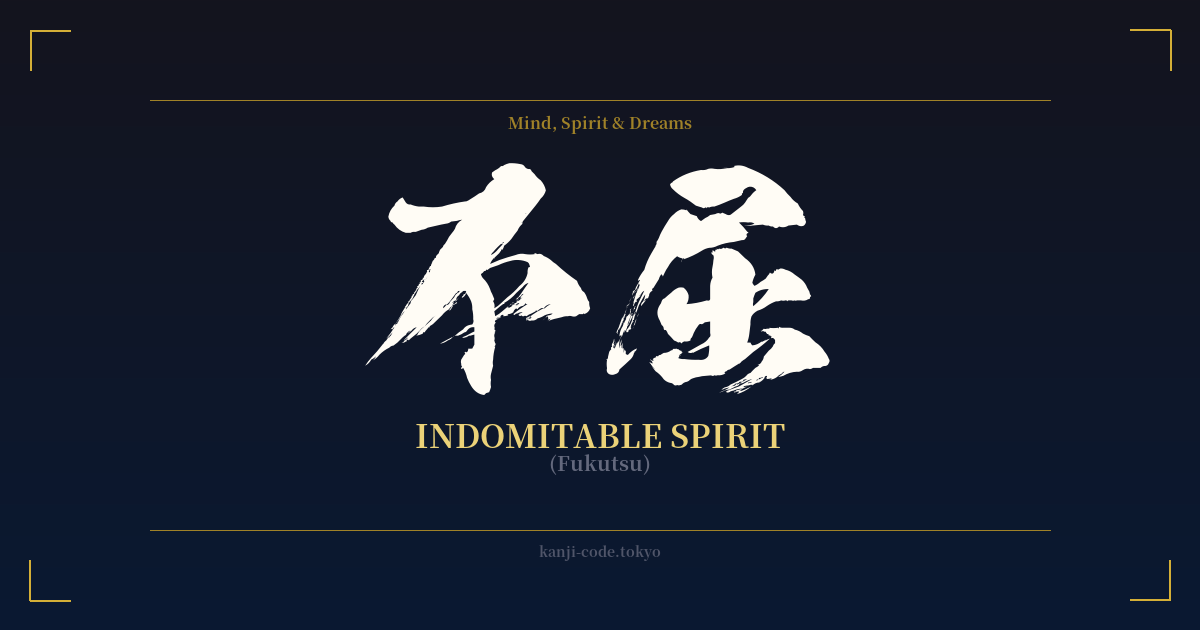
✍️ 不屈 (Fukutsu) — Cultural Context
不屈 (Fukutsu) is a Japanese word that embodies the powerful concept of the indomitable spirit. It speaks to a core human value: the refusal to surrender in the face of overwhelming adversity. Composed of two kanji, 不 (fu) meaning 'not' and 屈 (kutsu) meaning 'to bend,' the word literally translates to 'unbending' or 'unyielding.' This isn't mere stubbornness; it's a profound resilience rooted in conviction and inner fortitude.
The idea of Fukutsu is deeply woven into the fabric of Japanese culture, most notably through the philosophy of Bushido, the way of the samurai. For a warrior, possessing an indomitable spirit was paramount. It meant facing battle, hardship, and even death without flinching or compromising one's honor. This spirit was not about the absence of fear, but the ability to act in spite of it, driven by duty and a refusal to be broken.
This principle extends far beyond the battlefield and into the world of Budo, or Japanese martial arts. Practitioners of Karate, Judo, Kendo, and others are taught to cultivate 不屈の精神 (fukutsu no seishin), 'an indomitable spirit.' It's the mental toughness to endure grueling training, to rise after being thrown to the mat, and to face a stronger opponent with unwavering resolve. It represents the victory of spirit over physical limitation.
On a national scale, the concept of Fukutsu is often invoked to describe the resilience of the Japanese people themselves. Many point to the nation's ability to rebuild from the ashes of World War II and to recover from devastating natural disasters as a large-scale manifestation of this collective, unbending spirit. It's a source of national pride and a testament to a culture that values perseverance.
In modern times, Fukutsu remains a potent and inspiring word. It's a common theme in manga and anime, where heroes from 'Naruto' to 'My Hero Academia' display this exact quality, constantly pushing past their limits and never giving up on their goals. This has helped introduce the concept to a global audience, who resonate with its universal message of strength against all odds.
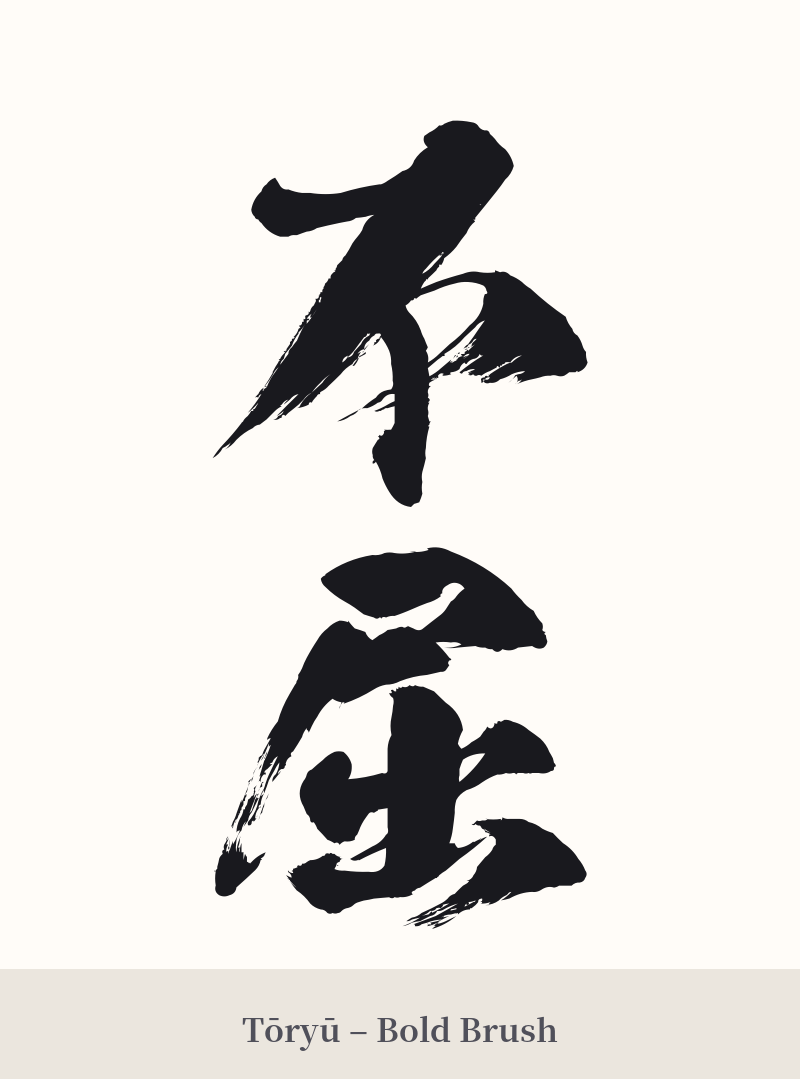
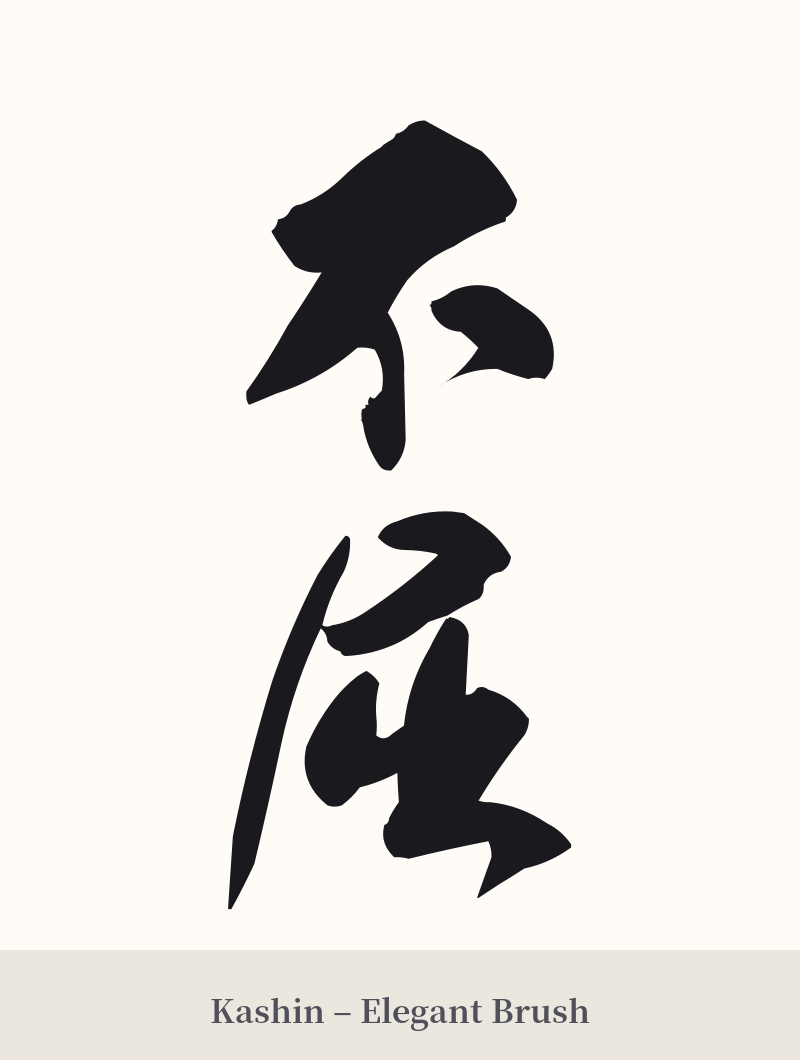
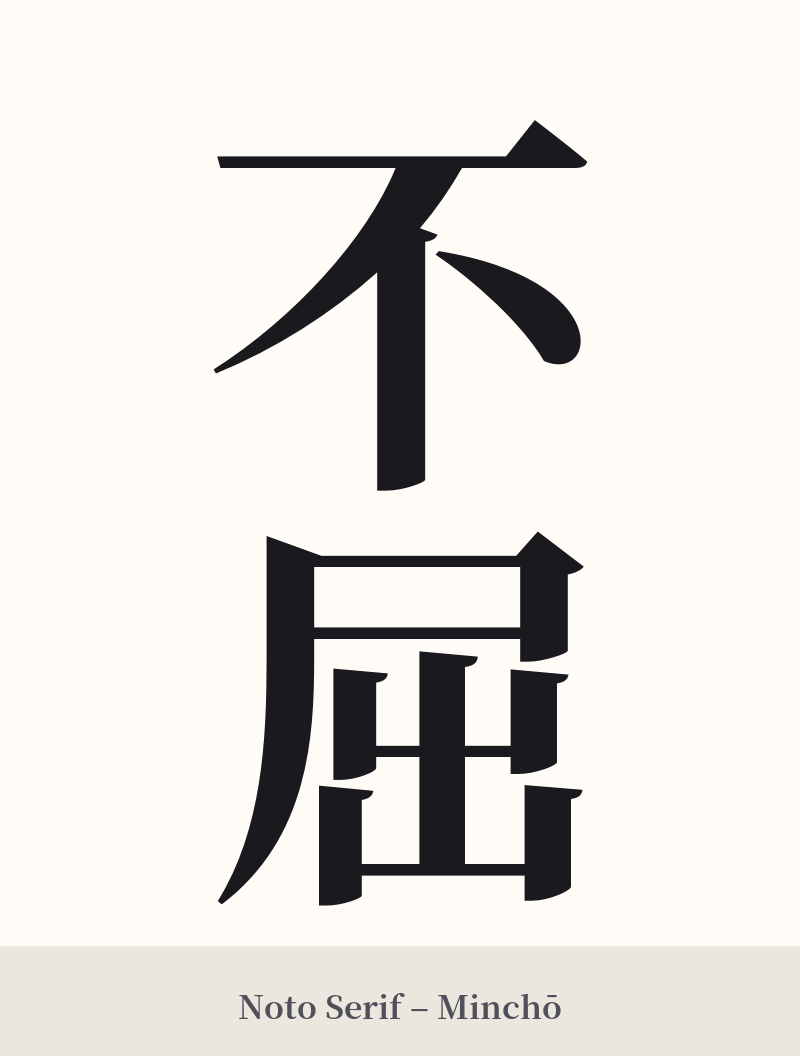
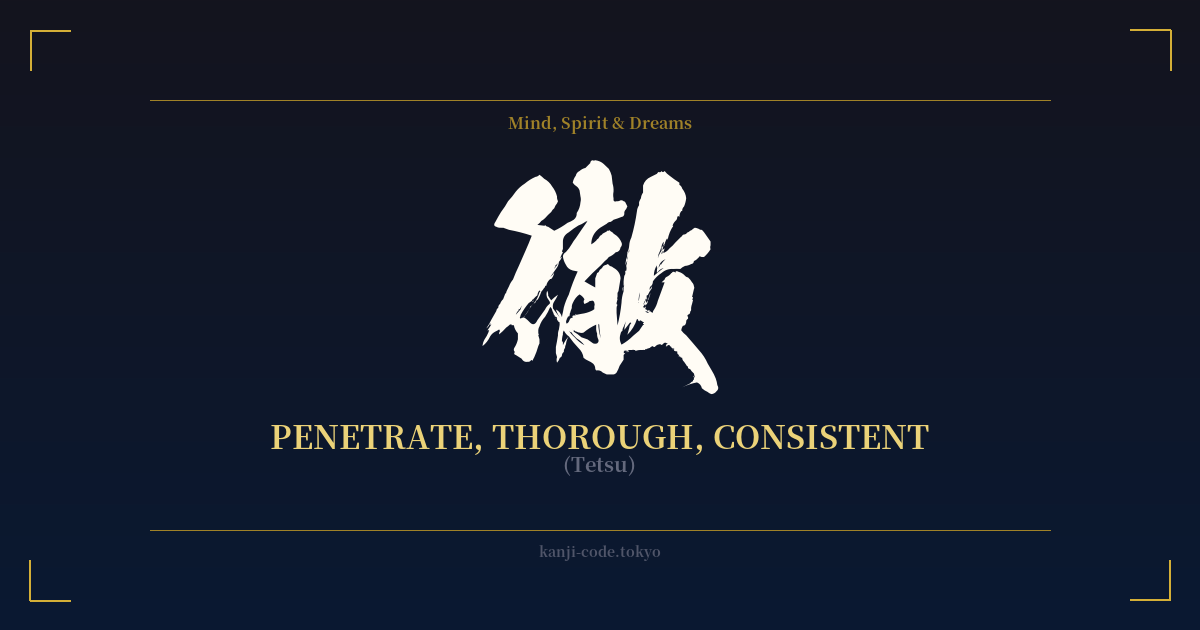
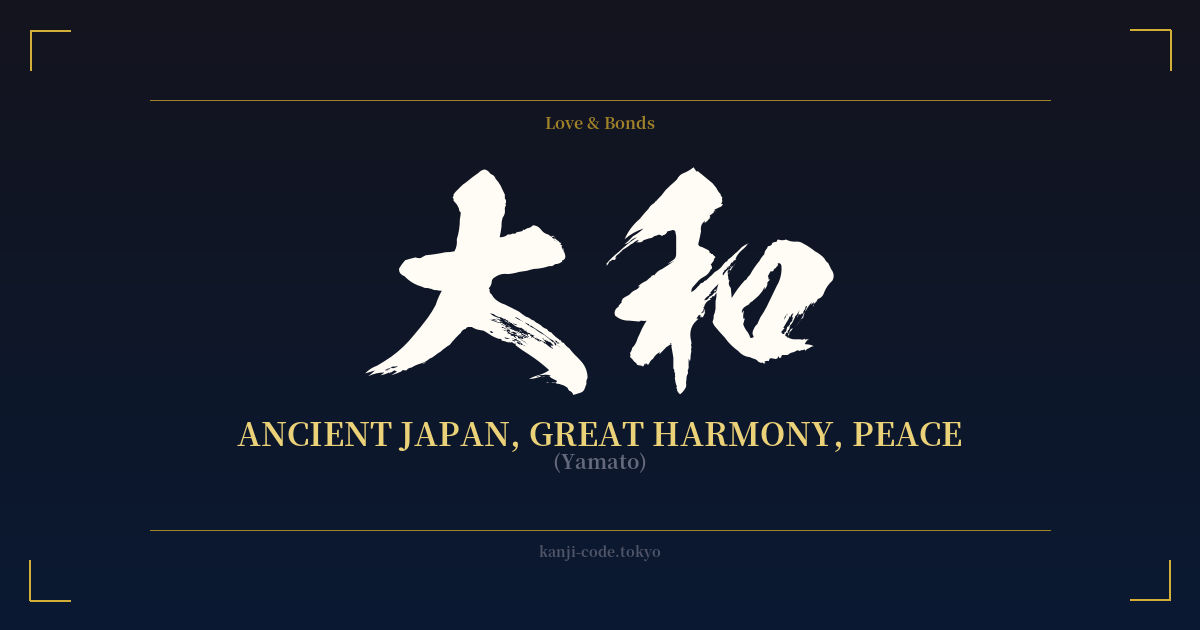
🖌️ Font Styles for 不屈
The same kanji can look dramatically different depending on the calligraphy style. Choose a font that matches the mood you want for your tattoo or design.
🎨 Tattoo Suitability
📐 Tattoo Design Guide
For a 不屈 (Fukutsu) tattoo, the design should convey strength and resilience. The characters are well-balanced and work in various styles.
– Placement: A vertical orientation is traditional and powerful, ideal for the forearm, the side of the calf, or along the spine. A horizontal layout works well across the chest, upper back, or inner bicep.
– Font Style: The choice of script can dramatically alter the feeling. A strong, angular Kaisho (block) style emphasizes unwavering stability. A more fluid Gyosho (semi-cursive) style can represent dynamic resilience and the ability to adapt without breaking. A bold, expressive brushstroke style (hisshō) can capture a sense of defiant energy.
– Visual Elements: Consider pairing the kanji with symbolic imagery. A lotus flower rising from murky water, a phoenix being reborn from flames, or a dragon ascending into the sky can all visually reinforce the theme of triumph over adversity. A simple red hanko (artist's seal) can also be added for a traditional touch.
Comments