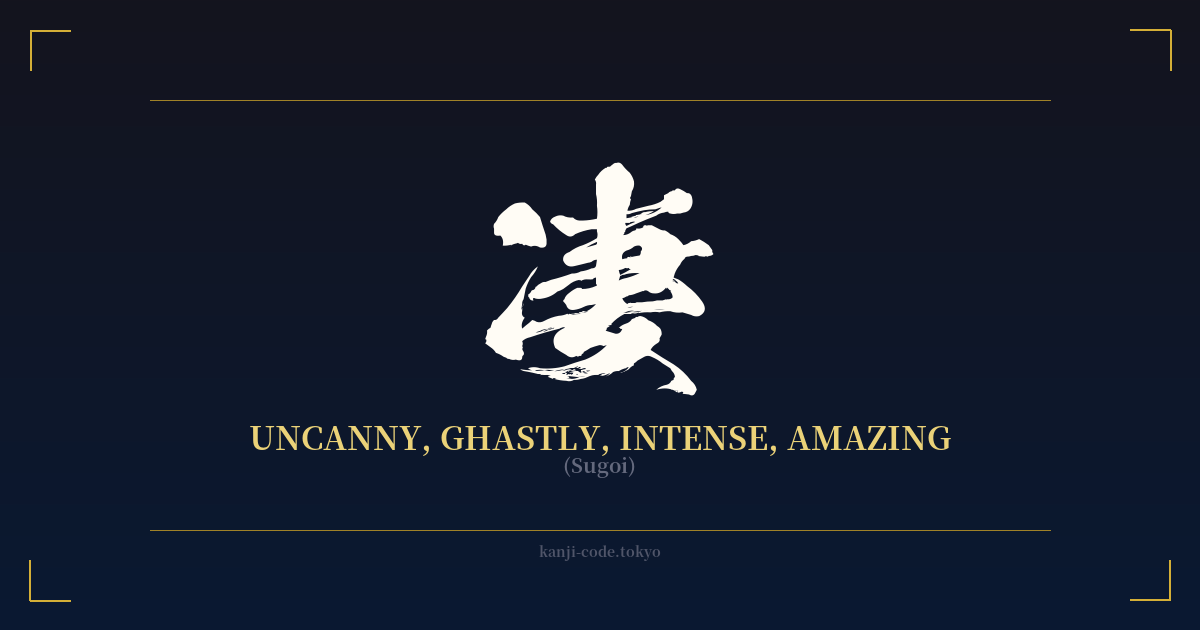
✍️ 凄 (Sugoi) — Cultural Context
The kanji 凄 is a character of profound duality, embodying two seemingly opposite concepts: the incredible and the dreadful. In modern, everyday Japanese, it's the heart of the word 凄い (sugoi), an exclamation you'll hear constantly, meaning 'amazing,' 'wow,' or 'incredible.' It’s a versatile term of praise for anything from a delicious meal to a breathtaking view or an impressive skill.
However, this popular, positive usage is a relatively recent evolution. The classical and literary meaning of 凄 is much darker. It speaks of something 'chilling,' 'ghastly,' 'dreadful,' or 'uncanny.' This older sense is rooted in the character's etymology. It is composed of two radicals: 冫 (ice) on top and 妻 (wife) on the bottom. The 'ice' radical lends a feeling of coldness and severity. While interpretations vary, one traditional explanation suggests the character represents a feeling as chilling as a cold or severe partner, a concept stemming from ancient societal views.
This darker side still persists in more formal or literary words. For instance, 凄惨 (seisan) means 'ghastly' or 'gruesome,' and 凄絶 (seizetsu) means 'ghastly' or 'horrifying.' The word 凄まじい (susamajii) captures the duality perfectly, meaning 'terrific' or 'tremendous' in a way that can be both awe-inspiring and slightly frightening, like the power of a hurricane or the skill of a master swordsman.
This duality is key to understanding Japanese aesthetics, where beauty and terror often coexist. The awe inspired by a massive, silent forest or a powerful deity (kami) can be both beautiful and unsettling. The kanji 凄 captures this sublime experience—an intensity that transcends simple good or bad.
In pop culture, this kanji is often used to describe a character's overwhelming power level or a chilling, supernatural atmosphere. It represents a force that is so extreme it borders on the unnatural, whether for good or ill. Understanding 凄 is to understand that in Japanese culture, the most 'amazing' things often carry a hint of something 'dreadful' within them, a power that commands respect and even a little bit of fear.
🖌️ Font Styles for 凄
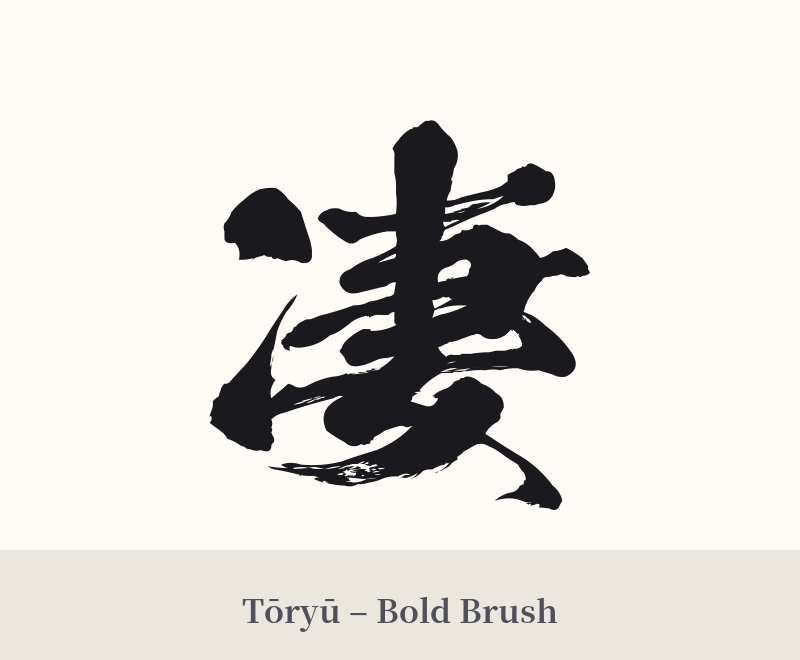
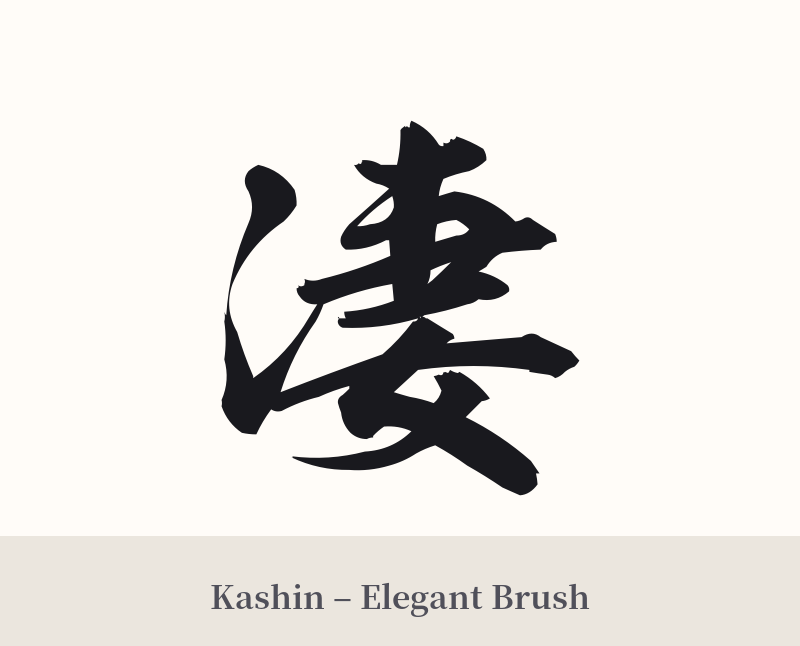
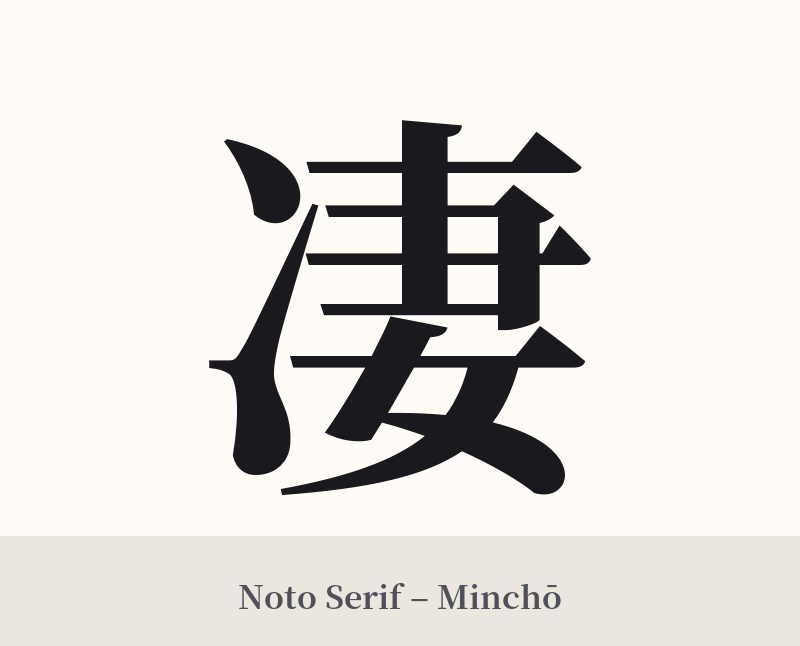
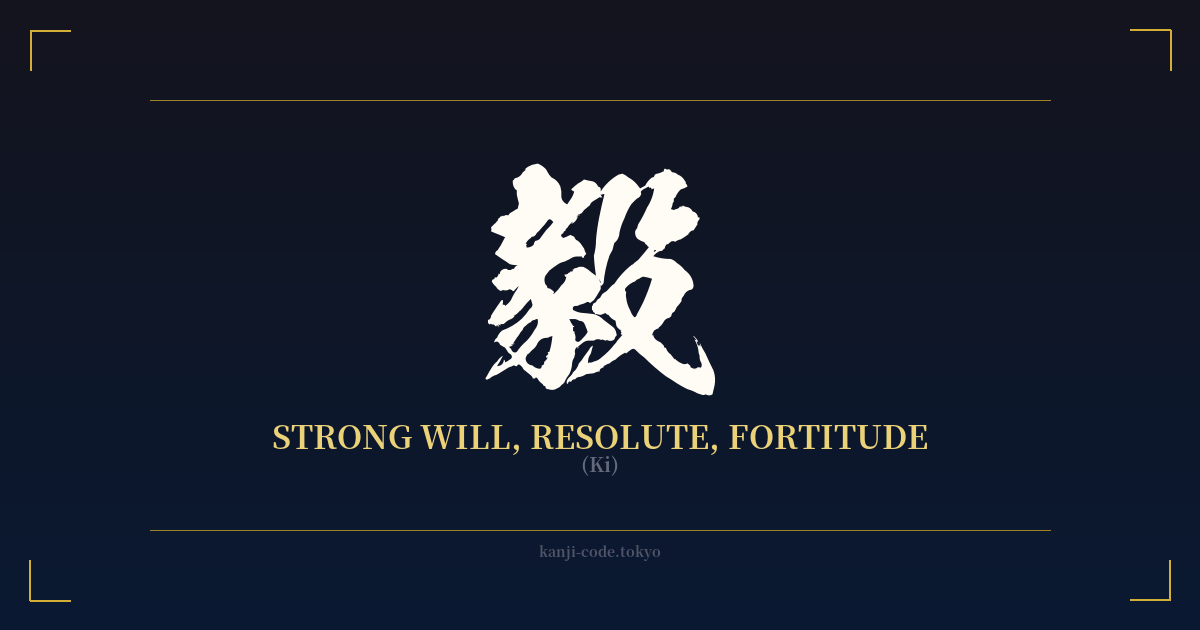
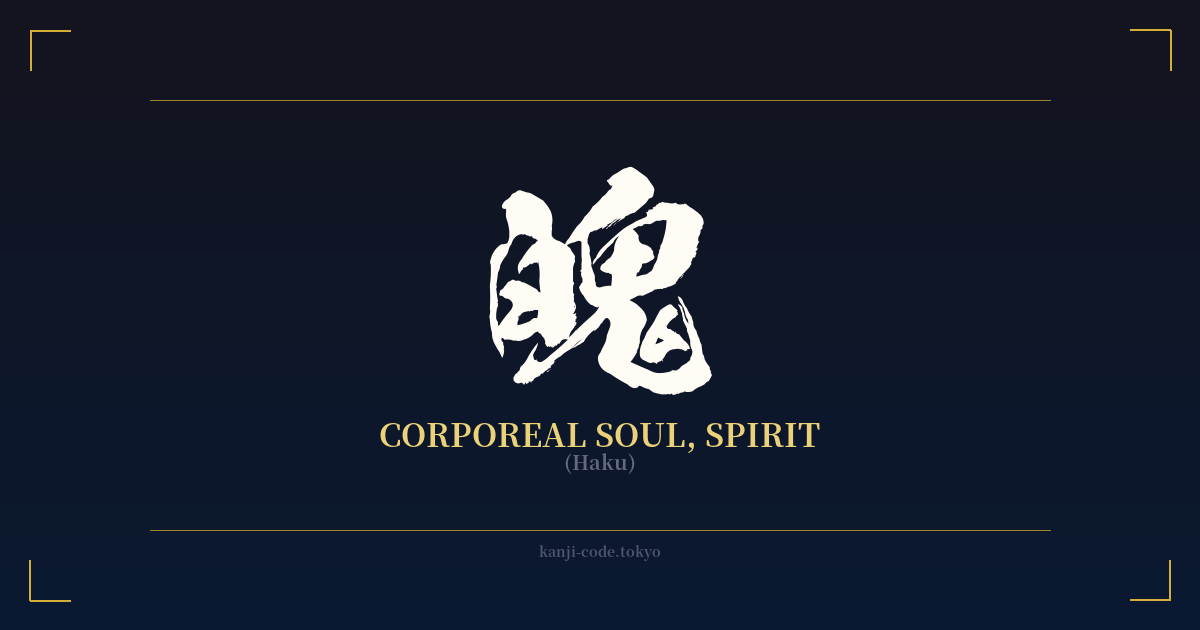
The same kanji can look dramatically different depending on the calligraphy style. Choose a font that matches the mood you want for your tattoo or design.
🎨 Tattoo Suitability
📐 Tattoo Design Guide
Due to the risk of appearing incomplete, the strongest design recommendation is to include the hiragana character い to form the word 凄い (sugoi). This makes it grammatically correct and instantly recognizable.
If you choose to use the single character 凄 despite the caution, its meaning must be reinforced through style and placement.
– Placement: Choose a spot that gives the character presence, such as the inner forearm, the calf, or across the shoulder blade. A standalone placement emphasizes its solitary nature.
– Font Style: The style can help clarify your intended meaning. For the 'amazing/intense' vibe, a dynamic, semi-cursive (gyōsho) or cursive (sōsho) brushstroke conveys energy and power. For the 'chilling/ghastly' meaning, a rigid, blocky kaisho script or a dripping, horror-inspired font would be more appropriate.
– Visual Elements: Consider pairing it with imagery to provide context. For 'amazing,' surround it with swirling wind, lightning, or rising flames. For 'chilling,' combine it with elements like bare branches, mist, a cold blue color palette, or imagery reminiscent of Japanese ghost stories (yūrei).
Comments