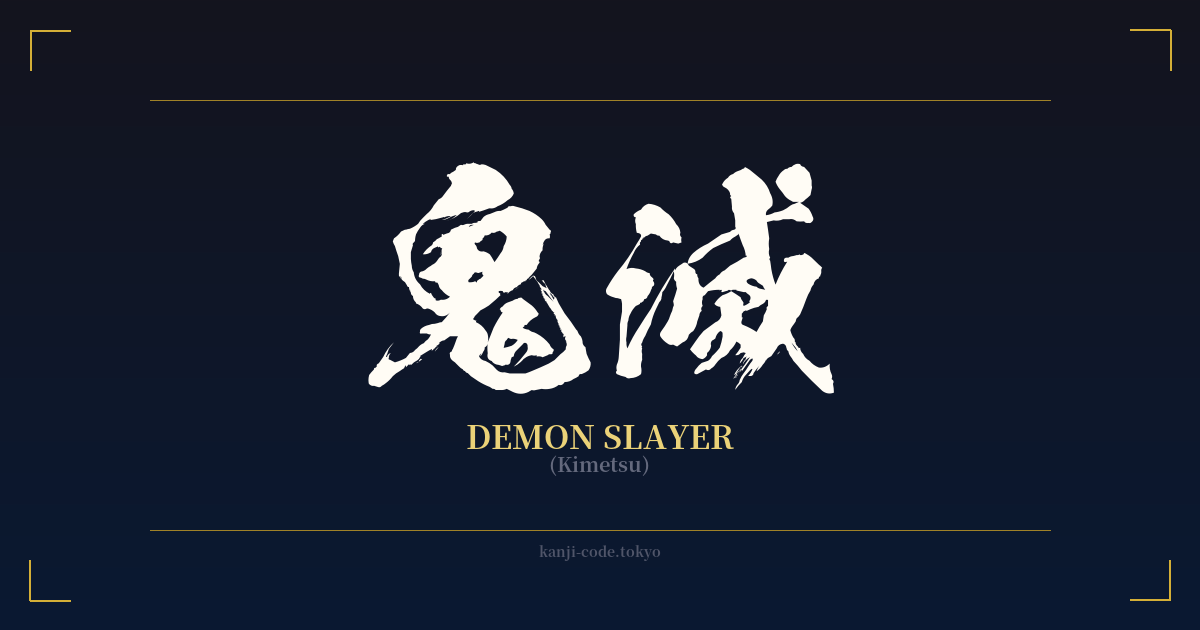
✍️ 鬼滅 (Kimetsu) — Cultural Context
The word 鬼滅 (Kimetsu) translates literally to 'demon destruction' or 'demon annihilation.' While composed of two traditional kanji, the compound itself is a modern creation, catapulted into global fame by the phenomenal success of the manga and anime series, 'Demon Slayer: Kimetsu no Yaiba.' Before this series, 'Kimetsu' was not a word used in everyday Japanese conversation.
To understand its power, one must first appreciate the cultural weight of the first character, 鬼 (Oni). In Japanese folklore, Oni are not simply 'demons' in the Western sense. They are a complex class of supernatural beings—ogres, giants, and monsters, often depicted with horns, sharp claws, and wild hair. They can be forces of nature, malevolent spirits that bring disaster, or even fallen deities. They represent a tangible, monstrous threat, a cornerstone of Japanese ghost stories and legends for centuries.
The second character, 滅 (metsu), means 'to destroy,' 'to extinguish,' or 'to annihilate.' It carries a sense of finality and completeness, as if quenching a fire or wiping something from existence entirely. When combined, 鬼滅 (Kimetsu) becomes a declaration of war against these monstrous forces. It’s a powerful, evocative term that speaks to a heroic struggle against overwhelming evil.
The meteoric rise of 'Demon Slayer' embedded this word into the cultural lexicon. The story follows a young boy, Tanjiro Kamado, whose family is slaughtered by demons and whose sister is turned into one. His quest to become a demon slayer to avenge his family and find a cure for his sister resonated deeply with audiences worldwide. The term 'Kimetsu' now symbolizes resilience, the bonds of family, empathy for one's enemies, and the unwavering will to protect others in the face of despair.
Therefore, the cultural context of 鬼滅 is twofold. On one hand, it draws from ancient Japanese folklore about Oni and the timeless theme of battling darkness. On the other, its modern identity is almost entirely defined by a single, beloved work of fiction. It represents a modern pop-culture phenomenon that has taken on the weight and significance of an older myth.
🖌️ Font Styles for 鬼滅
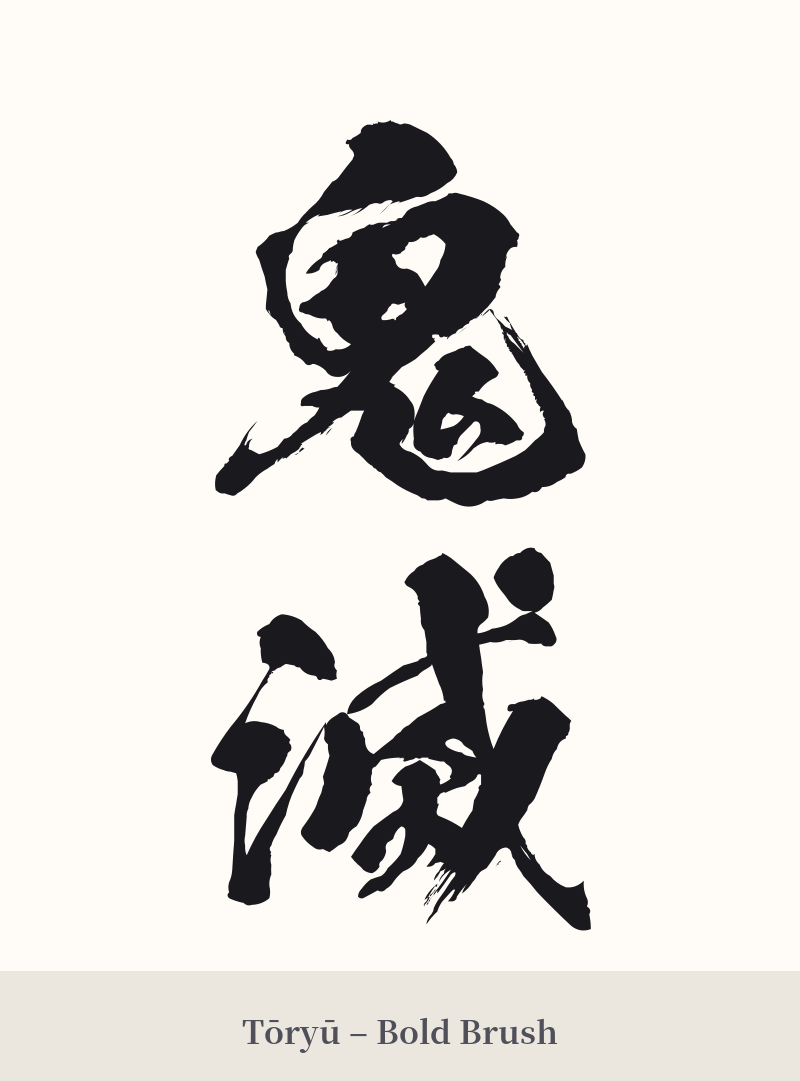
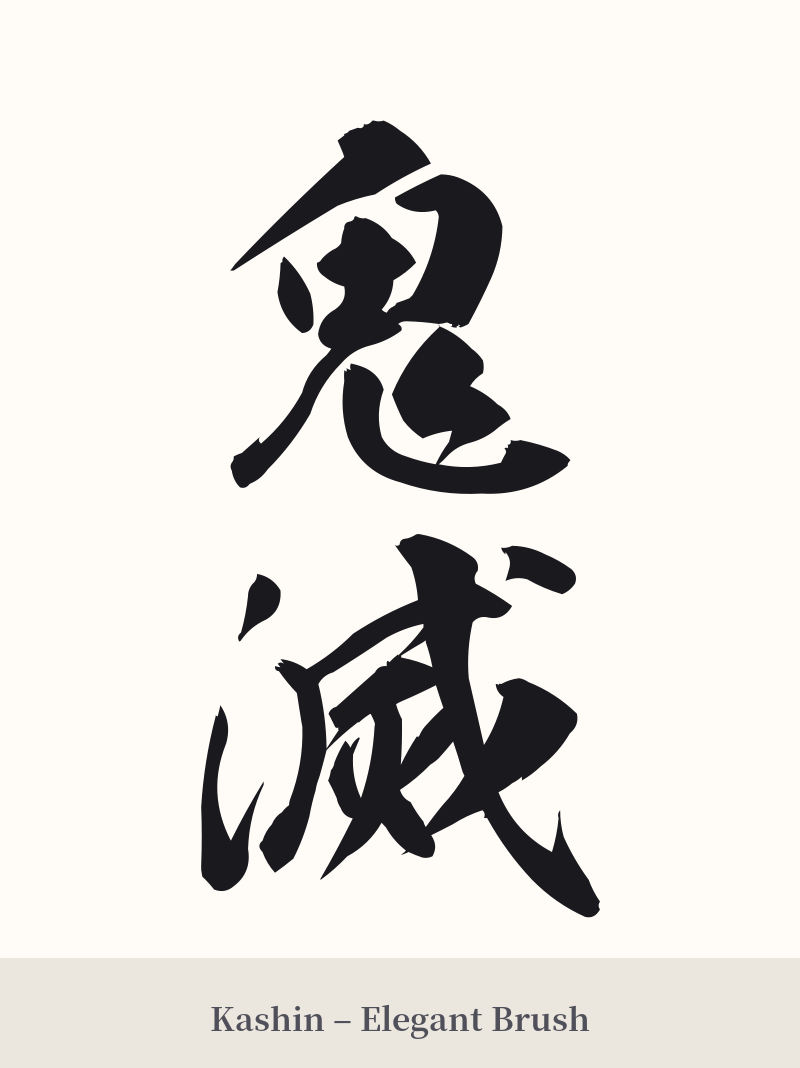
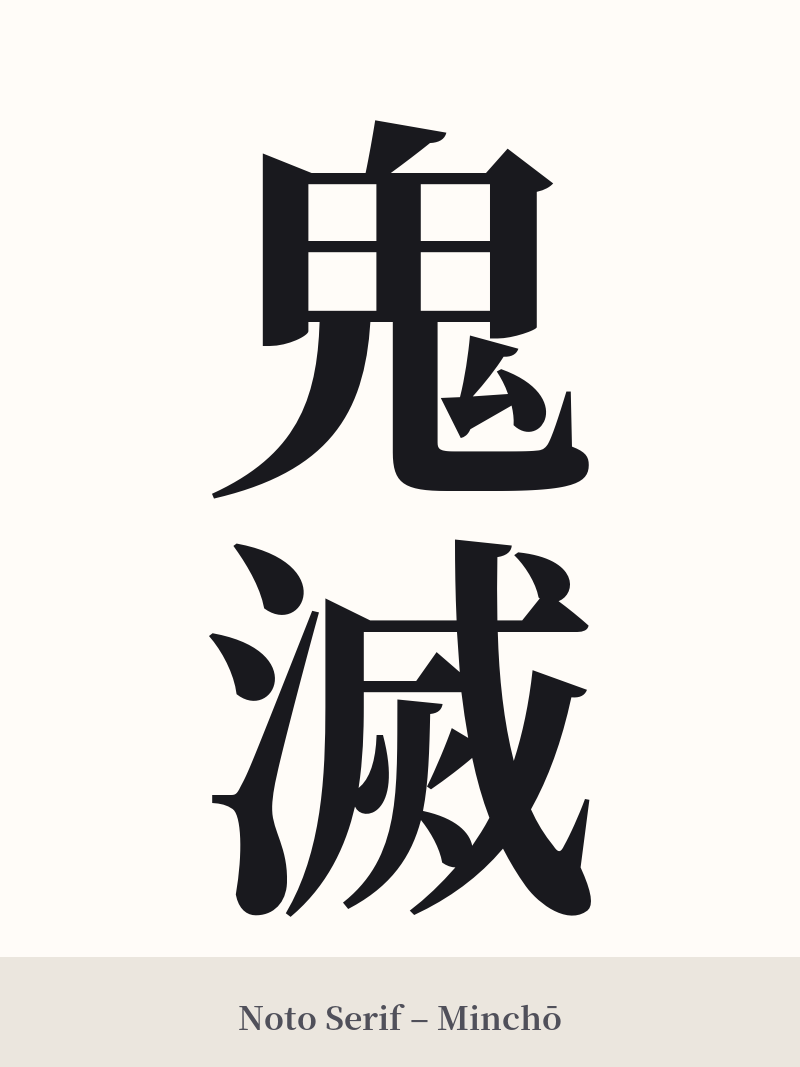
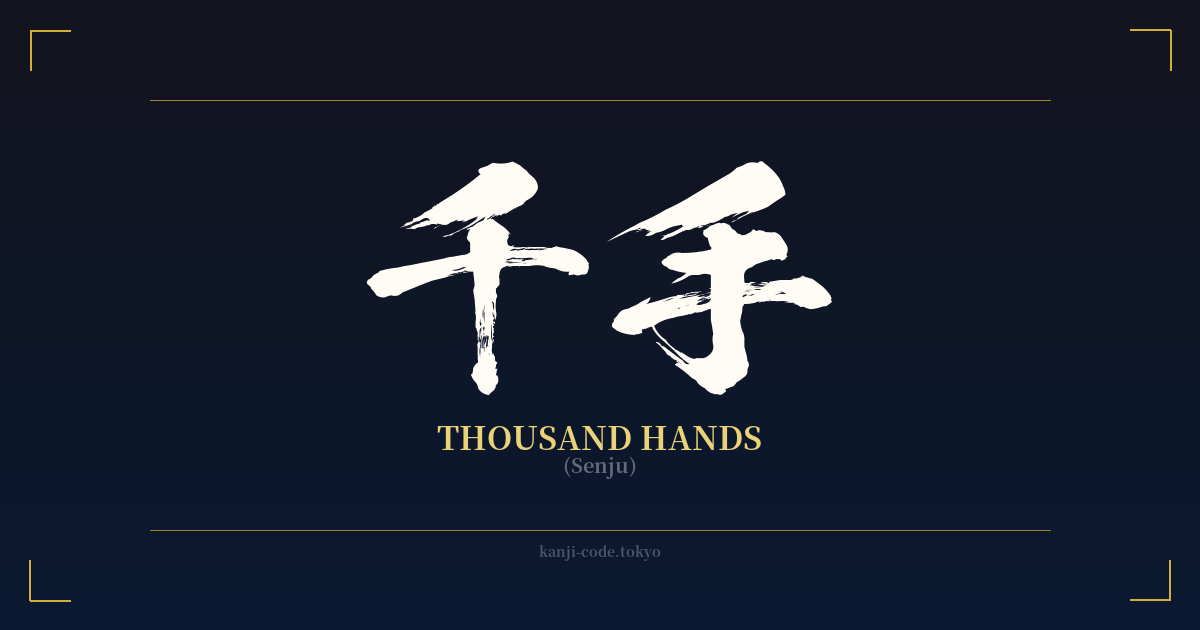
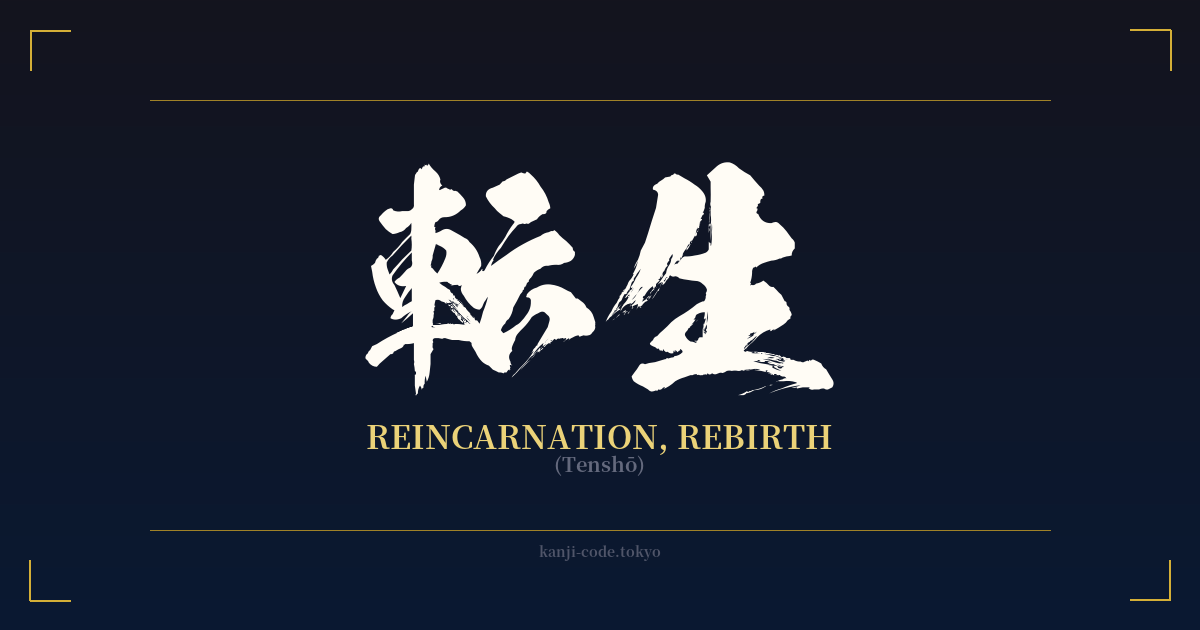
The same kanji can look dramatically different depending on the calligraphy style. Choose a font that matches the mood you want for your tattoo or design.
🎨 Tattoo Suitability
📐 Tattoo Design Guide
For a 鬼滅 tattoo, the visual impact is paramount. The two characters are detailed, so placement on a larger surface area is recommended to preserve clarity over time. Forearms, calves, the back, or the chest are excellent choices.
– Font Style: A bold, dynamic calligraphy style (Gyōsho or Sōsho) can capture the sense of action and struggle inherent in the word. For a more modern and stark look, a clean and angular block script (Kaisho) can be very effective, mirroring the style often seen in the anime's branding.
– Accompanying Imagery: If you are a fan of the series, consider incorporating iconic motifs like Tanjiro's water breathing or Zenitsu's lightning effects. A hanafuda earring design or the pattern of a character's haori can add a personal touch. For a more traditional interpretation, you could pair the kanji with a classic Oni mask, a Buddhist vajra (a ritual weapon symbolizing indestructibility), or lotus flowers, which represent purity emerging from darkness.
Comments