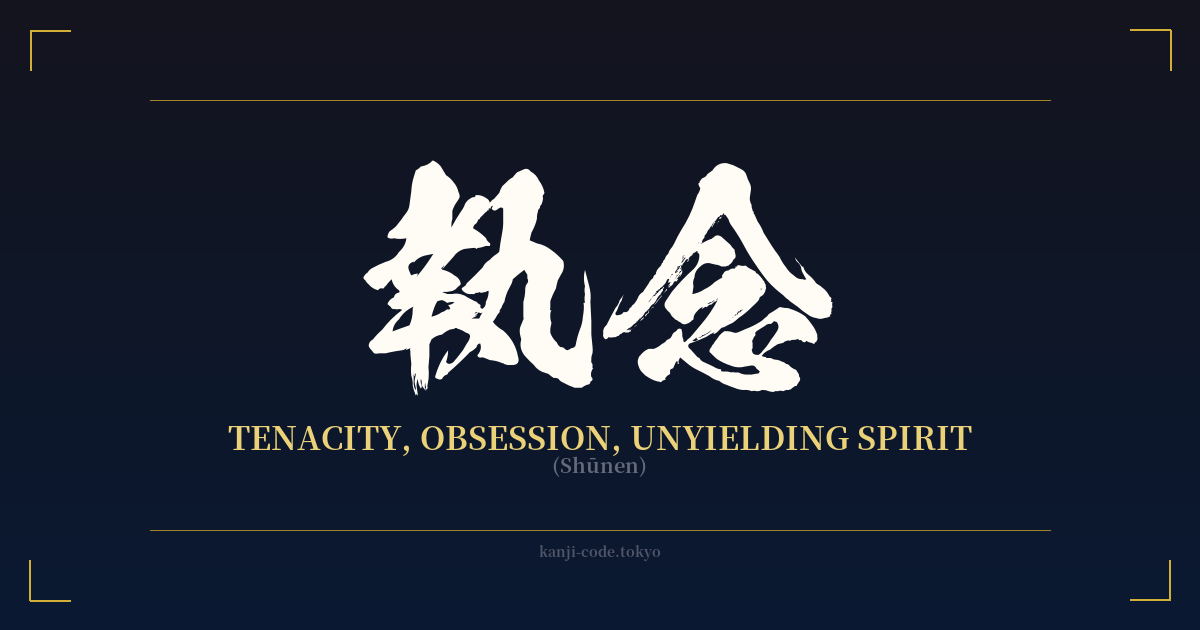
✍️ 執念 (Shūnen) — Cultural Context
執念 (Shūnen) is a Japanese word that digs deep into the human psyche, representing a form of determination so intense it borders on obsession. It's a concept far more potent and often darker than simple 'effort' (努力, doryoku) or 'grit' (根性, konjō). Shūnen is the unyielding spirit that refuses to let go, for better or for worse.
Historically and culturally, Shūnen carries a powerful, dualistic weight. On one hand, it can represent the pinnacle of human will. It's the relentless drive of an artist perfecting their craft over a lifetime, a scientist chasing a breakthrough against all odds, or an athlete who pushes past every conceivable limit to win. In these contexts, Shūnen is the fire that fuels greatness, a stubborn refusal to accept failure.
However, Shūnen is perhaps more famously associated with its darker side, particularly in Japanese folklore and drama. It is the defining characteristic of a yūrei (幽霊), or ghost. A spirit is often bound to the mortal world by Shūnen—a powerful, unresolved obsession, typically a deep-seated grudge (怨念, onnen) or a desire for revenge. This is the force that allows a spirit to manifest and haunt the living, unable to find peace until its single-minded purpose is fulfilled. This portrayal has cemented Shūnen in the cultural imagination as a haunting, almost terrifying force.
This duality makes the word incredibly compelling. It is not a simple, clean virtue. It acknowledges that the same single-minded focus that can lead to incredible achievement can also become a destructive obsession that consumes a person, or even their very soul. When someone in Japan says a person has Shūnen, it can be a compliment to their tenacity or a warning about their frightening intensity.
In modern usage, you might hear it used to describe a team's tenacious comeback in a sports match or a detective's stubborn pursuit of a cold case. It always implies a level of personal investment that goes beyond mere duty. It is a feeling held deep in the heart, a thought that cannot be shaken, driving every action. To choose Shūnen is to embrace this double-edged sword: the power of an unbreakable will and the peril of an obsession that won't let go.
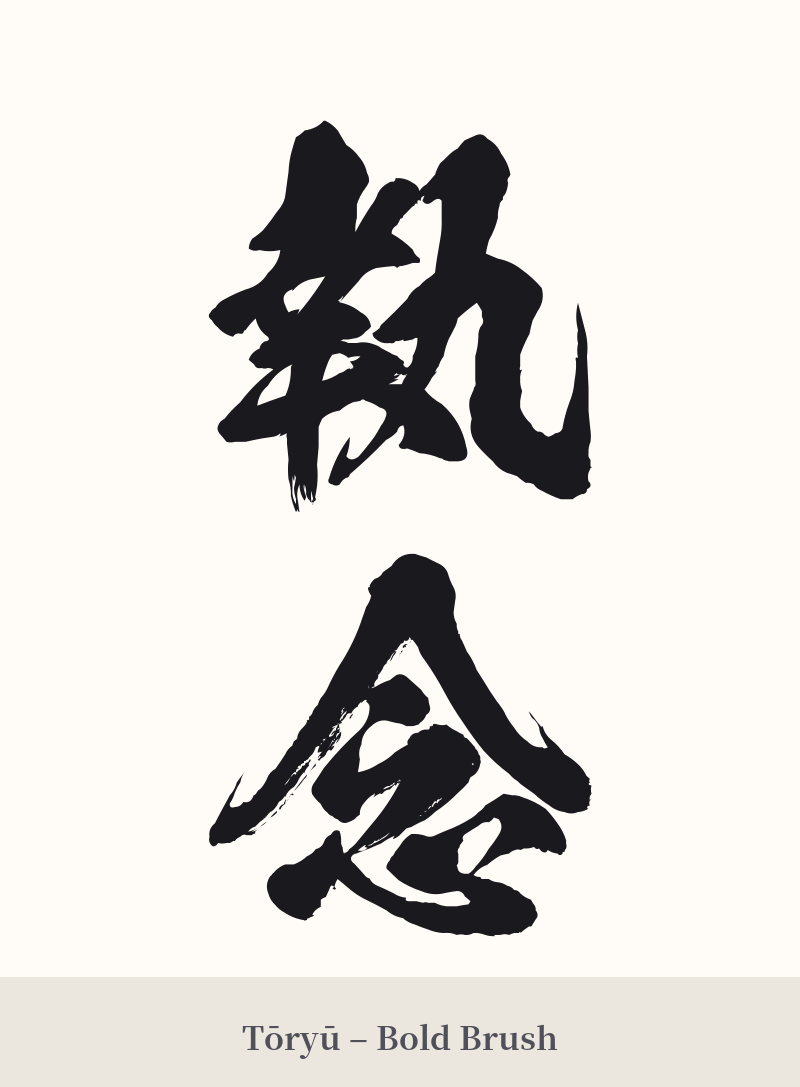
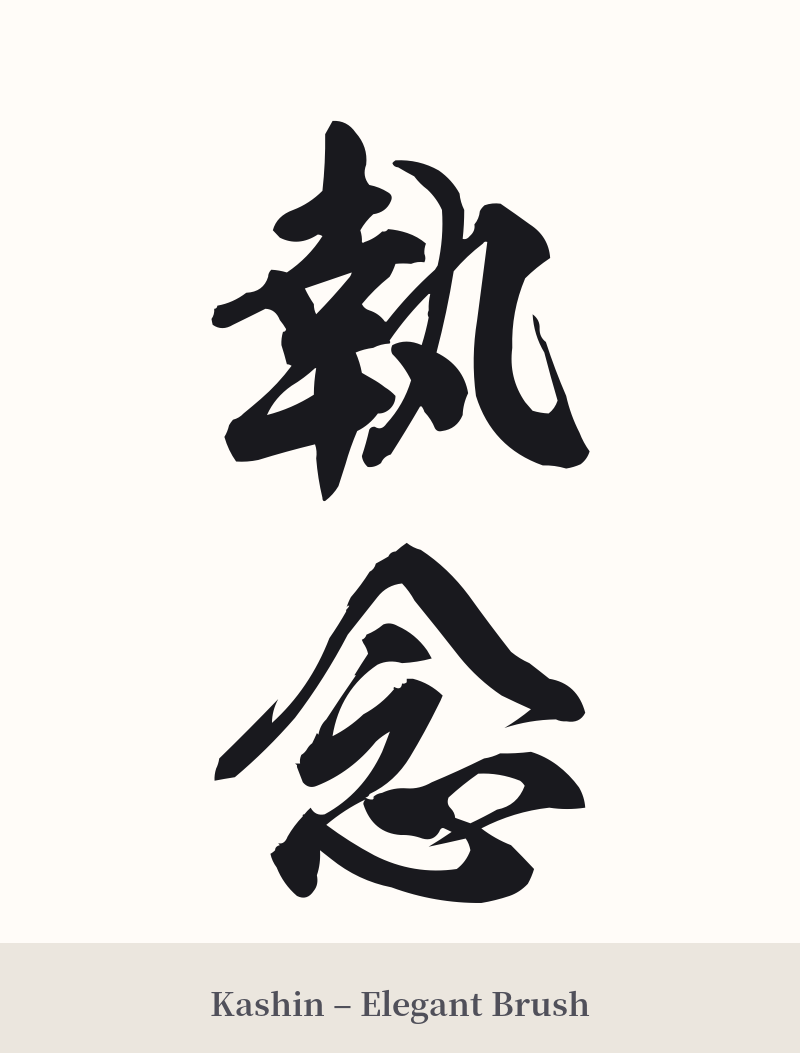
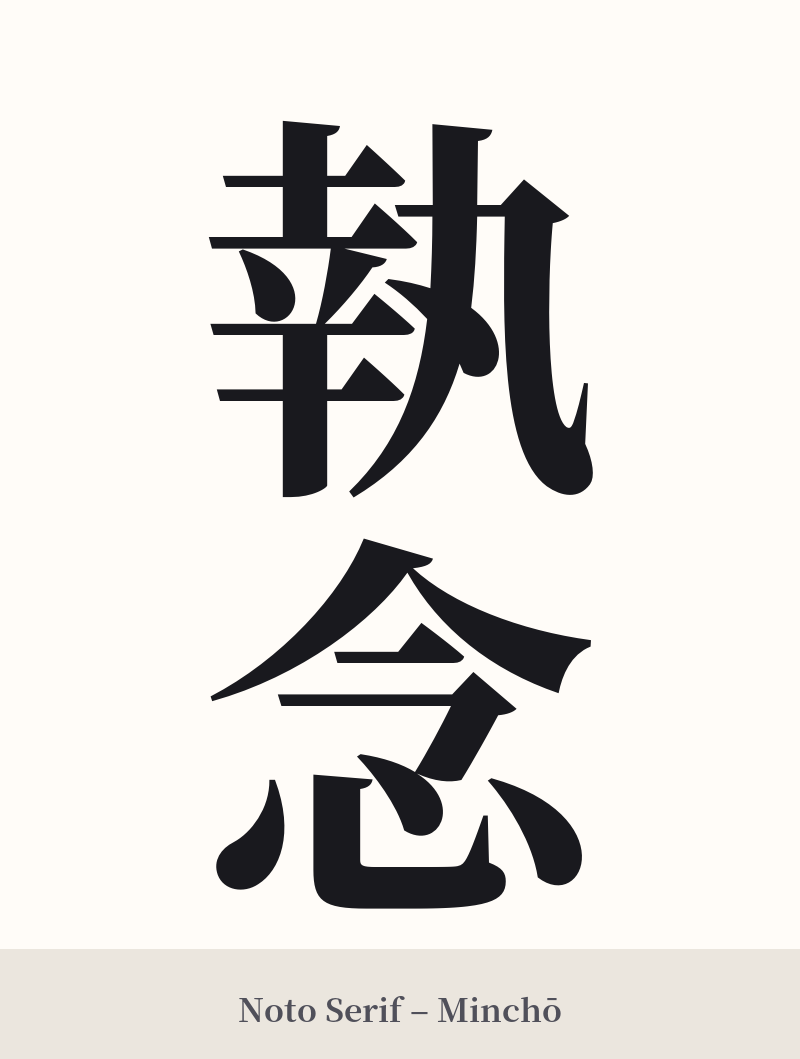
🖌️ Font Styles for 執念
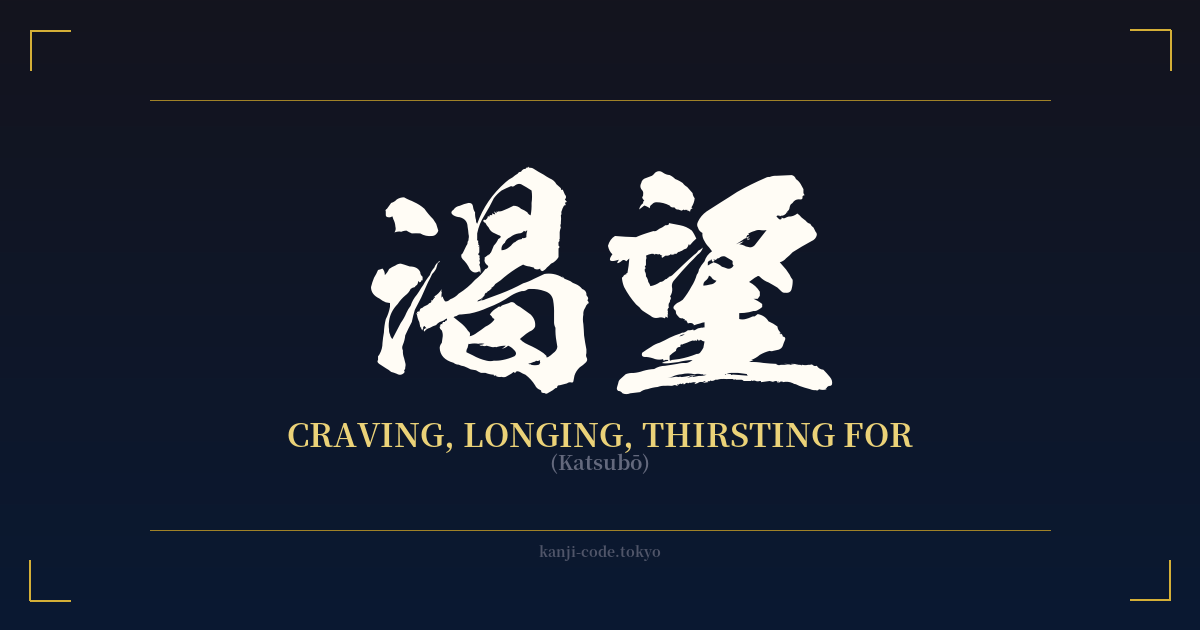
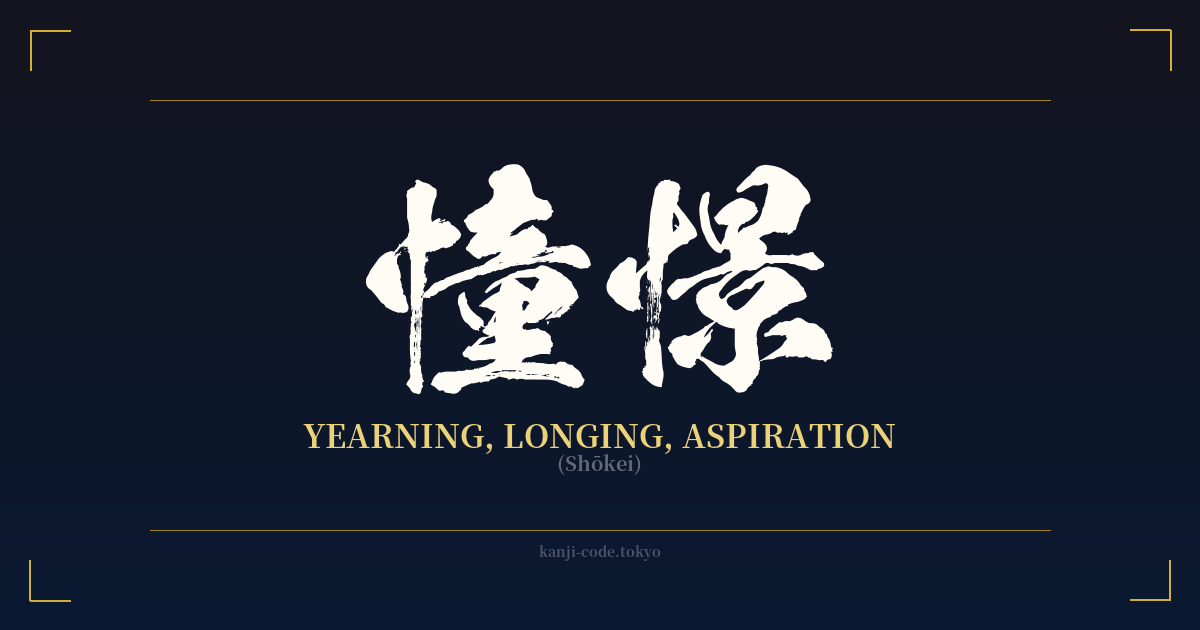
The same kanji can look dramatically different depending on the calligraphy style. Choose a font that matches the mood you want for your tattoo or design.
🎨 Tattoo Suitability
📐 Tattoo Design Guide
For a 執念 tattoo, the design should reflect its intense and unyielding nature.
– Placement: Vertical alignment works exceptionally well on the forearm, calf, or along the spine, emphasizing the driving, forward nature of the concept. A horizontal placement across the chest or upper back can create a feeling of stability and unshakable resolve.
– Font Style: A bold, angular Kaisho (block script) font can highlight the 'unbreakable' and 'stubborn' aspects of the word. Conversely, a more fluid and aggressive Gyosho (semi-cursive) or Sosho (cursive) script can capture the emotional intensity and the 'haunting' or 'obsessive' quality.
– Visual Elements: Consider pairing the kanji with imagery that reflects the source of the tenacity. For a positive interpretation, this could be a tool of a craft (like a brush or chisel) or a symbol of a goal. For a darker take, incorporating elements like spectral wisps, a spider's web, or grasping hands can visually represent the obsessive, inescapable nature of Shūnen.
Comments