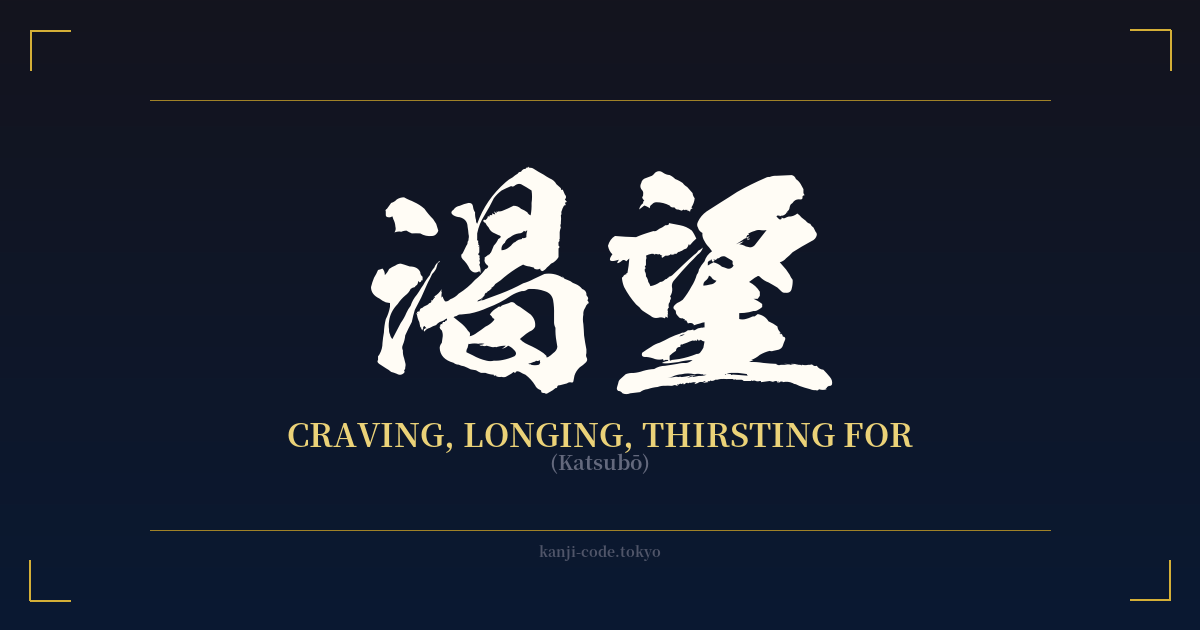
✍️ 渇望 (Katsubō) — Cultural Context
渇望 (Katsubō) is a word that transcends a simple translation of 'craving' or 'longing.' It describes a desire so profound and intense that it feels like a physical thirst. This is no mere want; it is a deep, visceral yearning that consumes one's thoughts and drives their actions.
The power of the word comes from its composite kanji. The first, 渇 (katsu), means 'thirst' or 'to parch.' It immediately grounds the feeling in a primal, biological need. The second, 望 (bō), means 'hope,' 'desire,' or 'to gaze at.' When combined, they create a potent metaphor: a desire as desperate and essential as a parched person's need for water, while simultaneously gazing toward the object of that desire with fervent hope.
In Japanese culture and storytelling, 渇望 is often used to articulate the core motivation of a character. It might be a warrior's thirst for vengeance, an artist's craving for creative perfection, a scholar's longing for forbidden knowledge, or a lover's desperate wish to be reunited with another. It speaks to an ambition that borders on obsession, a driving force that can lead to either greatness or ruin.
This term is far more potent than more common words for desire. For instance, 希望 (kibō) is 'hope,' a generally positive and patient feeling. 欲望 (yokubō) often carries a nuance of 'lust' or 'greed,' a more carnal or selfish want. 渇望, however, occupies a space of pure, unadulterated intensity. It is the feeling of an empty space within that must be filled, a spiritual and emotional dehydration.
This concept resonates with certain philosophical ideas, including the Buddhist principle that craving (taṇhā) is a root cause of suffering. While 渇望 is not a formal Buddhist term, it perfectly captures the state of unfulfilled desire that can cause deep emotional pain. To feel 渇望 is to be acutely aware of what you lack, making it a powerful theme for stories about struggle, ambition, and the human condition.
🖌️ Font Styles for 渇望
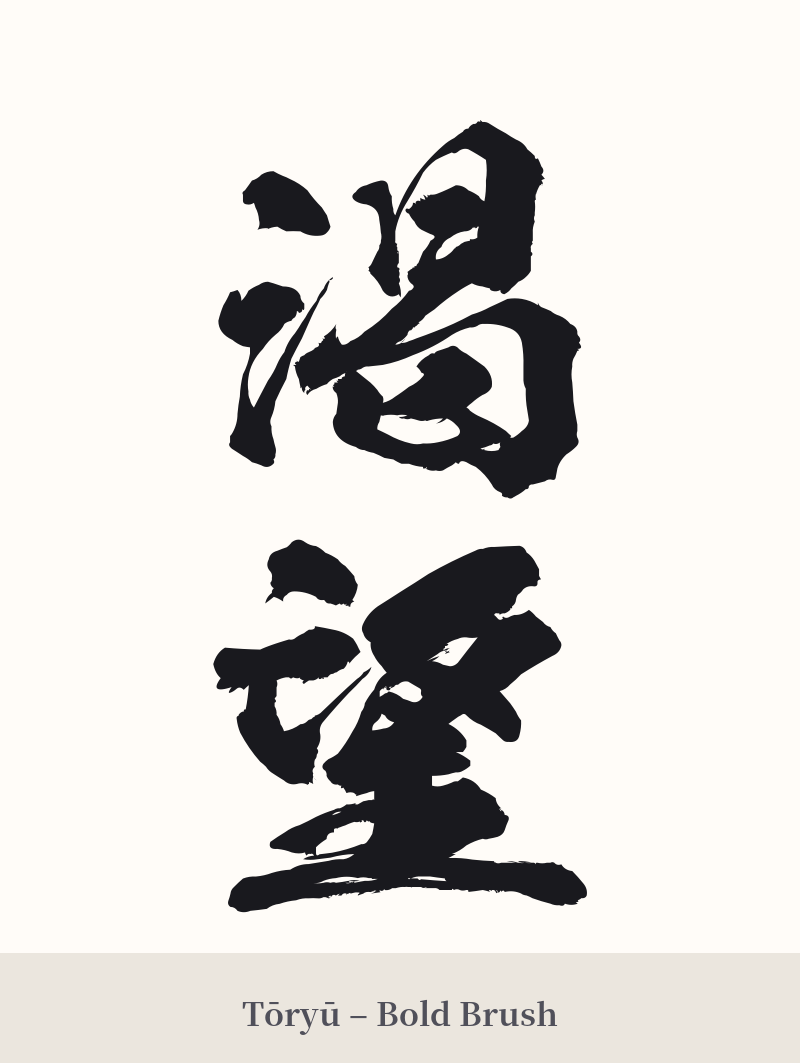
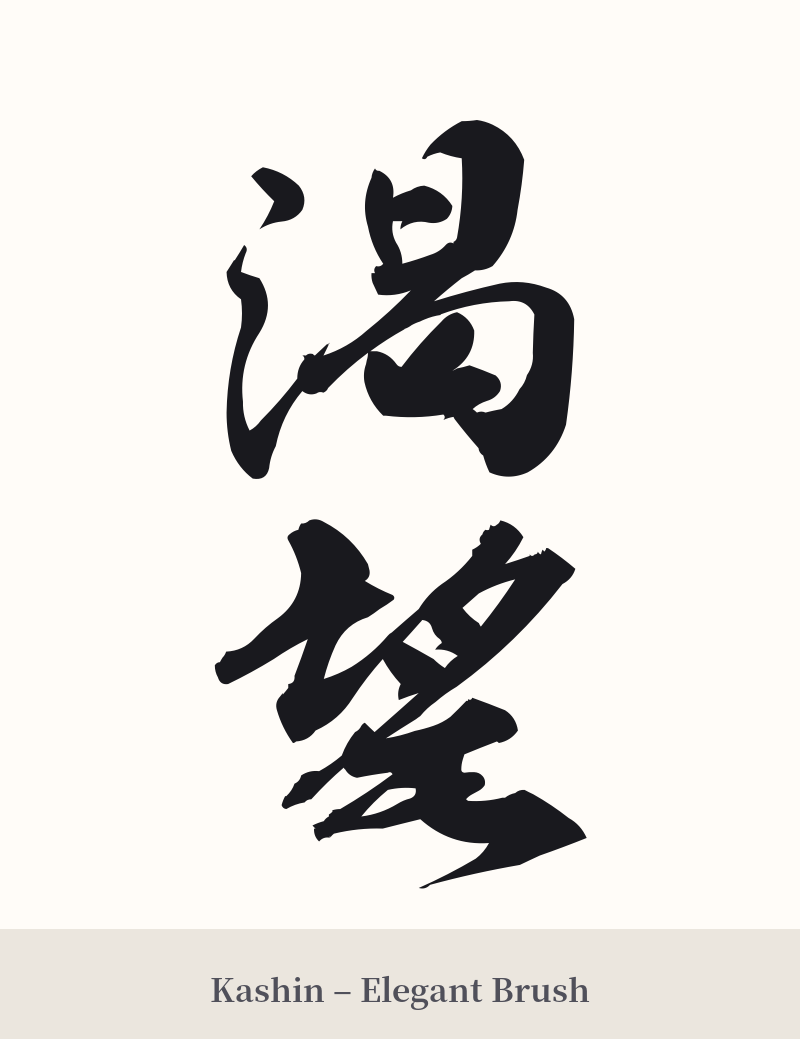
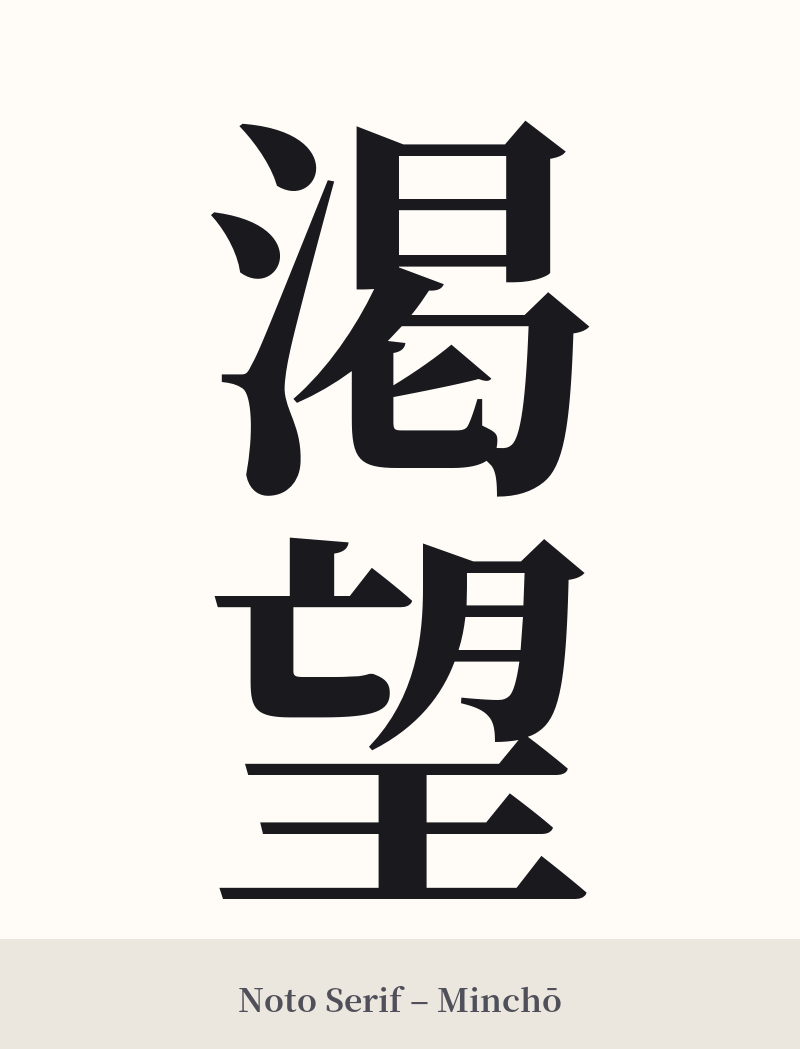
The same kanji can look dramatically different depending on the calligraphy style. Choose a font that matches the mood you want for your tattoo or design.
🎨 Tattoo Suitability
📐 Tattoo Design Guide
The intensity of 渇望 lends itself well to expressive and dynamic tattoo designs.
– Placement: A vertical orientation on the forearm, spine, or calf can emphasize the 'reaching' or 'yearning' quality of the word. For a more assertive statement, a horizontal placement across the chest or upper back works well.
– Font Style: Consider a strong, energetic calligraphy style (shodō). A rough, semi-cursive or 'grass script' (sōsho) can convey the raw, emotional power of the craving. Conversely, a sharp, angular kaisho or Mincho font can represent a more focused, unwavering ambition.
– Visual Elements: Pair the kanji with imagery that enhances its meaning. Consider a reaching hand, a distant star or moon, a desert landscape symbolizing thirst, or shattered chains to represent a craving for freedom. The key is to create a visual narrative around the object of this intense desire.
Comments