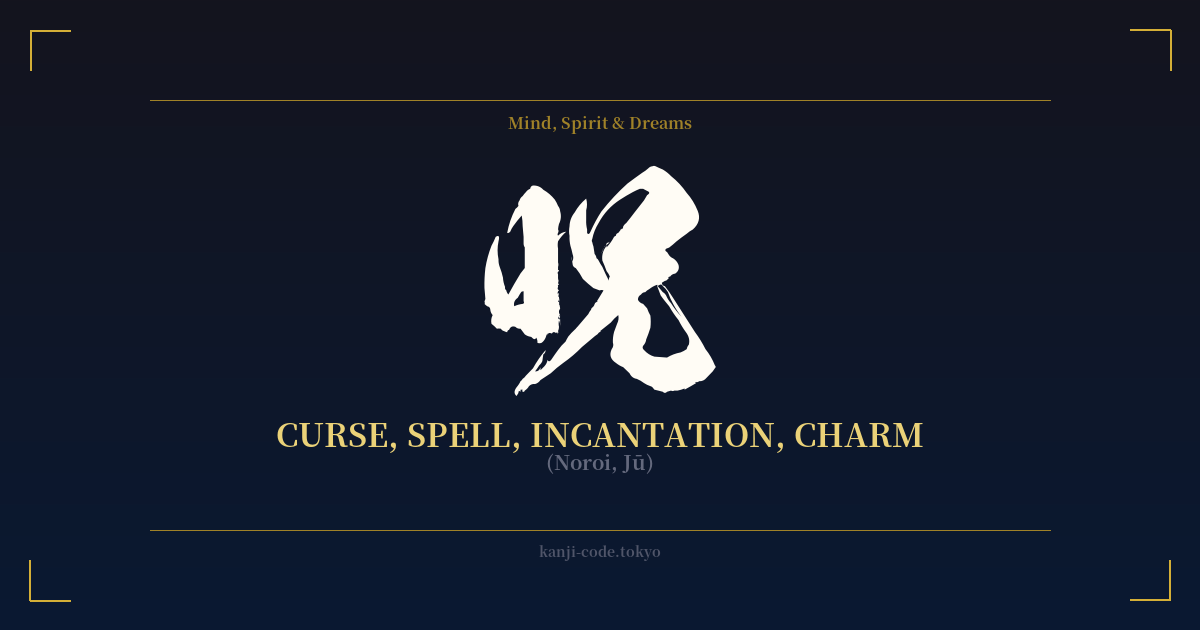
✍️ 呪 (Noroi, Jū) — Cultural Context
The kanji 呪 (noroi) is a character steeped in the supernatural, evoking images of ancient rituals, vengeful spirits, and powerful incantations. Its very structure hints at its origin: the top part, 兄, originally depicted a person with a large head, representing a priest or shaman, while the bottom part, 口, signifies a mouth. Together, they form the image of a shaman chanting a spell, a direct link to the character's core meaning of spoken magic.
In Japanese, 呪 carries a potent duality. On one hand, it forms the word 呪い (noroi), which translates to 'curse' or 'hex.' This is its most visceral and common association, tied to a rich history of folklore. Tales of onryō (怨霊), or vengeful ghosts, who inflict curses upon the living are a cornerstone of Japanese horror. The infamous ritual of ushi no koku mairi (丑の刻参り), where a person nails a straw doll to a sacred tree at the hour of the ox to curse an enemy, is a direct manifestation of this concept.
On the other hand, the character is also used in the word 呪文 (jumon), which means 'spell' or 'incantation.' A jumon is not inherently evil; it is simply a chanted formula intended to create a magical effect. Buddhist monks might chant a jumon for protection, purification, or healing. In this context, 呪 refers to the power of sacred words themselves, a force that can be wielded for either good or ill.
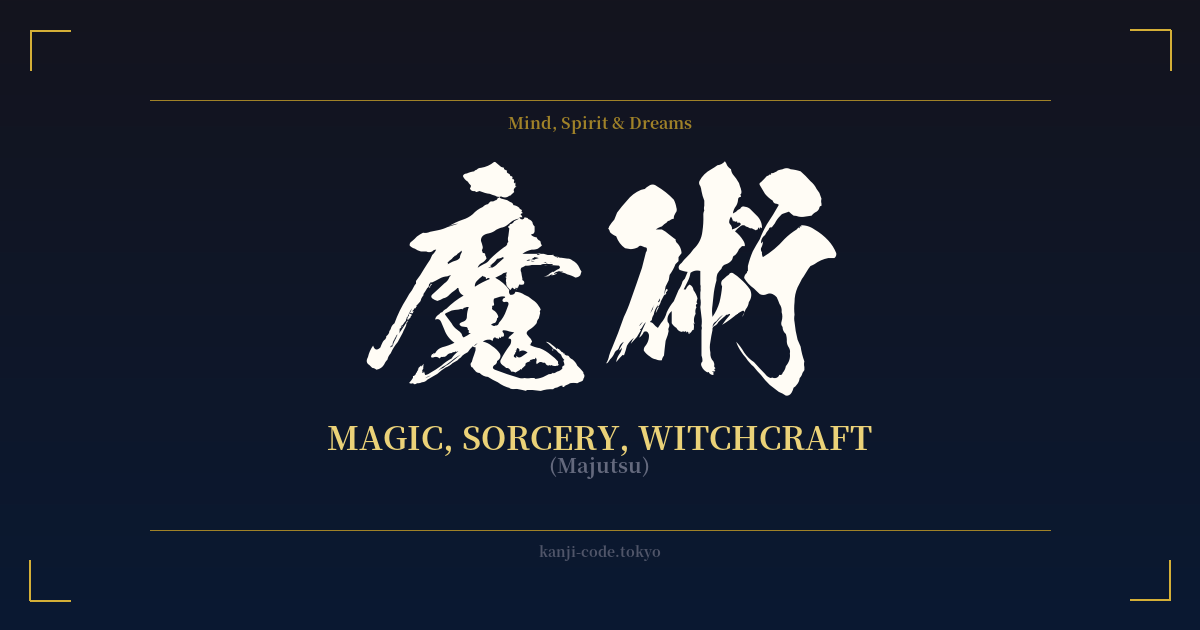
This duality is powerfully reflected in modern pop culture, most notably in the massively popular anime and manga series Jujutsu Kaisen (呪術廻戦). Here, 'Jujutsu' (呪術) translates to 'curse techniques' or 'sorcery,' and the world revolves around 'Cursed Spirits' born from negative human emotions. The protagonists, Jujutsu Sorcerers, wield this same cursed energy to fight fire with fire. This series has brought the kanji 呪 to the forefront of global consciousness, associating it with dark fantasy, supernatural combat, and the complex morality of using dark powers for a greater good.
Beyond Jujutsu Kaisen, the concept of 'noroi' is a recurring theme in Japanese horror films, video games, and literature. It represents an unseen but deeply felt force, a lingering resentment or spiritual stain that can bring about ruin. Therefore, to understand 呪 is to understand a fundamental aspect of the Japanese spiritual imagination, where words have tangible power and emotions can manifest as supernatural threats.
🖌️ Font Styles for 呪
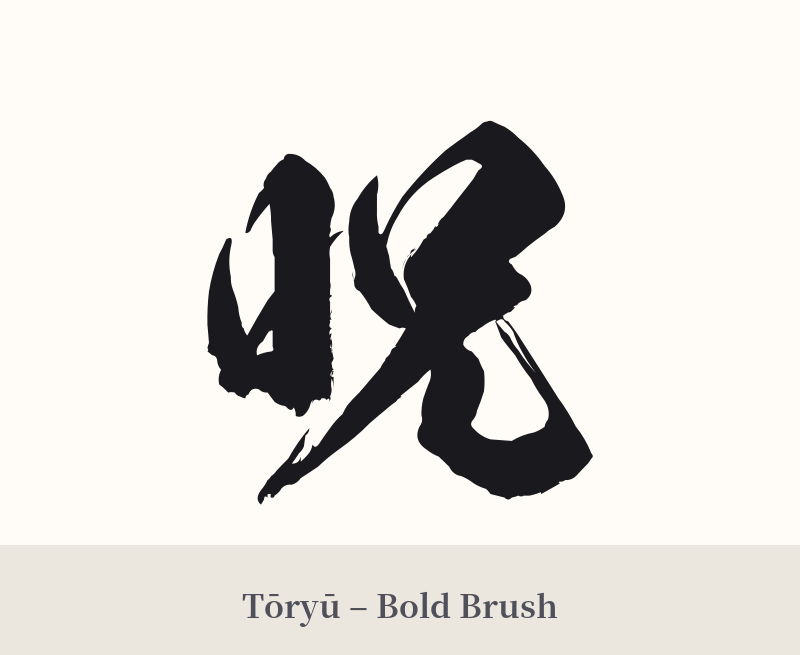
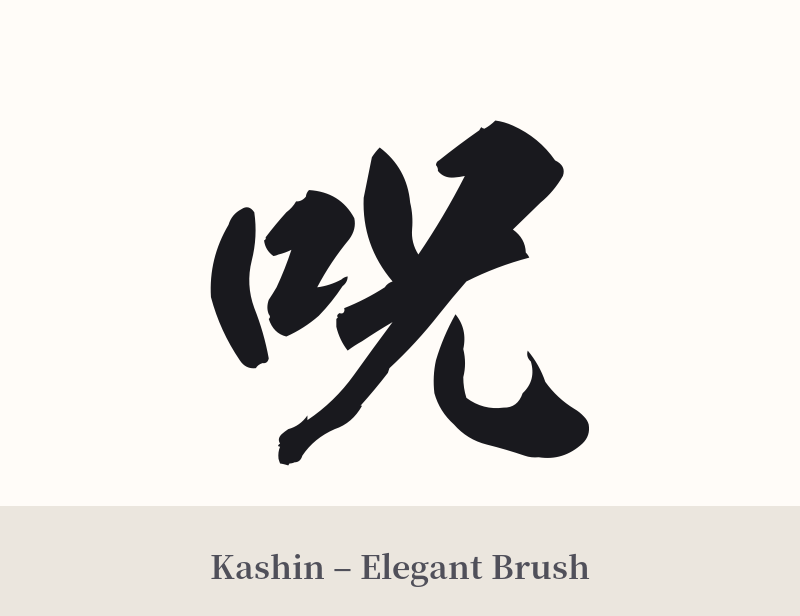
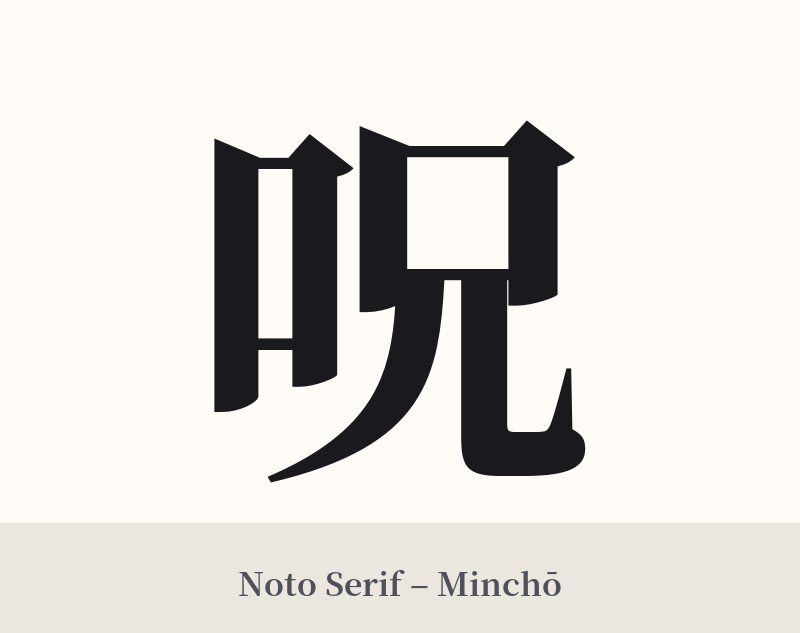
The same kanji can look dramatically different depending on the calligraphy style. Choose a font that matches the mood you want for your tattoo or design.
🎨 Tattoo Suitability
📐 Tattoo Design Guide
Due to its dark and potent meaning, a tattoo of 呪 requires thoughtful consideration for style and placement.
– Placement: This is not a kanji for casual display. Consider more personal or concealable locations like the ribs, the back of the neck under the hairline, the inner bicep, or the sternum. This allows the design to be a personal statement rather than a public proclamation.
– Font Style: The style can dramatically alter the feel. A scratchy, horror-inspired brushstroke can emphasize the 'curse' aspect, as if it were carved or hastily written. A traditional, bold Kaisho (block) script lends it a sense of ancient, formal power. For fans of Jujutsu Kaisen, mimicking the distinct, slightly jagged font from the series is a popular choice.
– Visual Tips: Consider incorporating 呪 into a larger piece. It could be part of an ofuda (talisman), perhaps one that is burning or torn to symbolize breaking a curse. Combining it with imagery of chains, a broken mask, or elements from Japanese folklore like an oni mask or a spider lily can amplify its thematic weight.
Comments