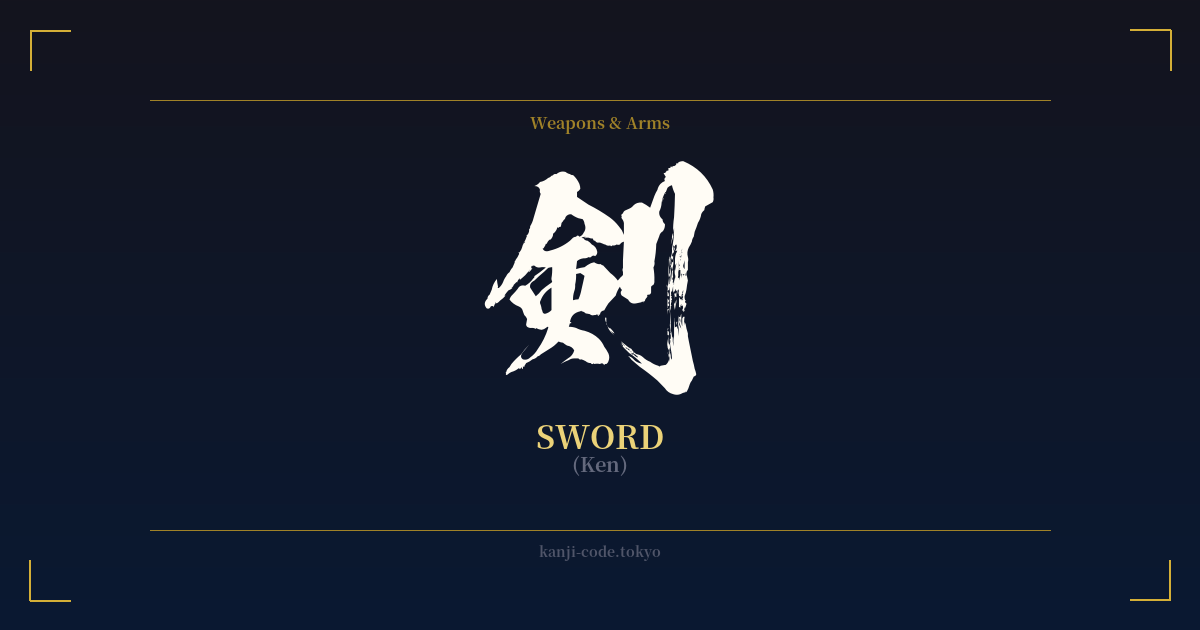
✍️ 剣 (Ken) — Cultural Context
The kanji 剣 (ken) is more than just a character for a weapon; it is a symbol steeped in centuries of Japanese history, philosophy, and spirituality. While its direct translation is 'sword,' it specifically refers to the ancient, double-edged straight sword (also known as a 'tsurugi'), which predates the more famous curved katana (刀).
Historically, the sword was the soul of the samurai. It was one of the three sacred treasures of Japan, alongside the mirror and the jewel, highlighting its immense cultural and mythological importance. The legendary sword Kusanagi-no-Tsurugi is a prime example, a divine blade that legitimizes the imperial throne. This elevates the concept of 剣 beyond a mere tool of war to an object of divine authority and spiritual power.
This reverence is codified in Bushidō, the way of the warrior. For a samurai, the sword was an extension of their being, a physical manifestation of their honor, discipline, and loyalty. To lose one's sword was to lose one's honor. This deep connection means the kanji 剣 carries the weight of this entire philosophy—a commitment to skill, duty, and the readiness to face life and death with courage.
The character itself is visually evocative. On the right side is the radical 刂, a variant of 刀 (tō), which means 'blade' or 'knife.' This immediately grounds the character in its sharp, cutting nature. The left side, 僉 (sen), originally served a phonetic purpose, but together they create a balanced and formidable symbol.
In modern Japan, the spirit of the sword lives on in the martial art of Kendo (剣道), 'the way of the sword.' Kendo practitioners don't just learn how to fight; they cultivate discipline, respect, and mental fortitude. The use of 剣 in this context emphasizes the path and the process over the simple act of combat.
From epic samurai tales and historical dramas to countless anime and video games, the symbol of the sword remains a potent and recurring motif in Japanese culture, representing power, justice, and the sharp edge that separates right from wrong.
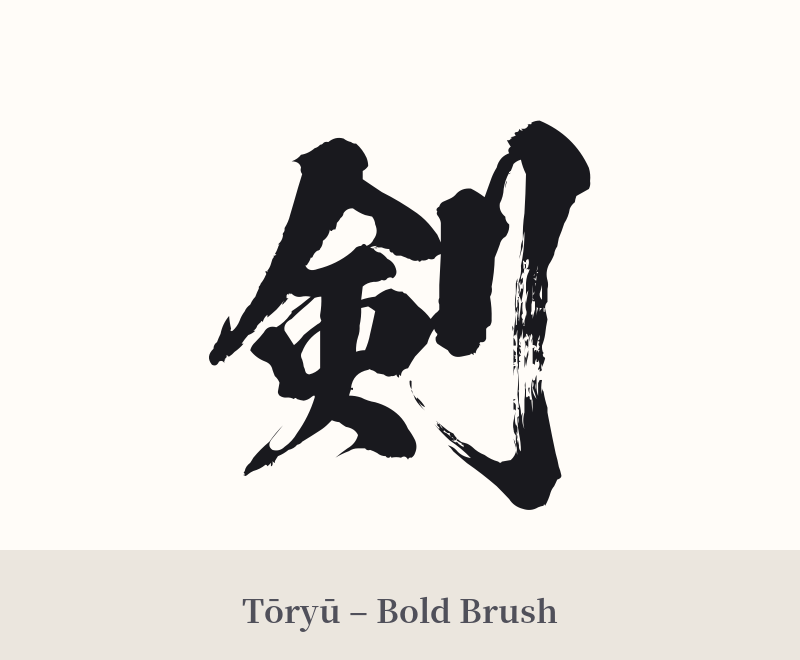
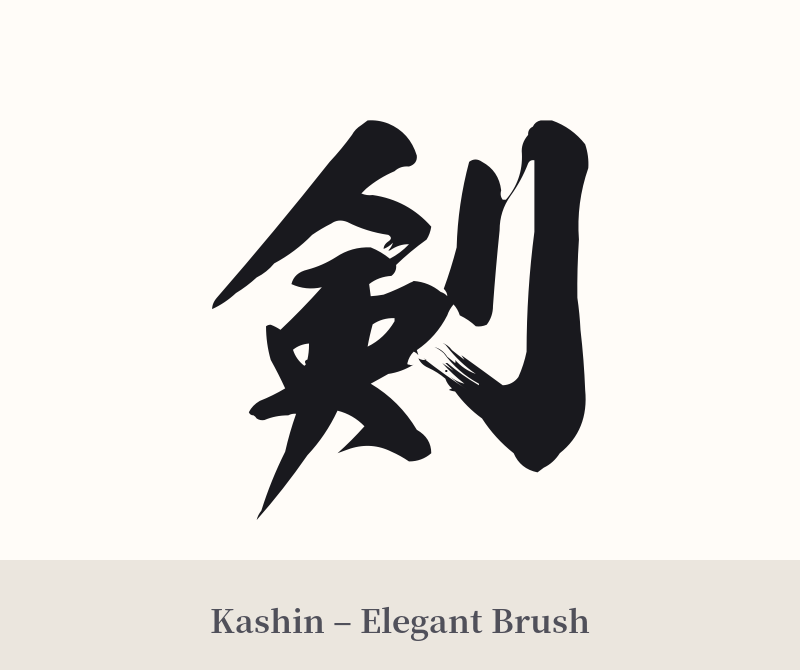
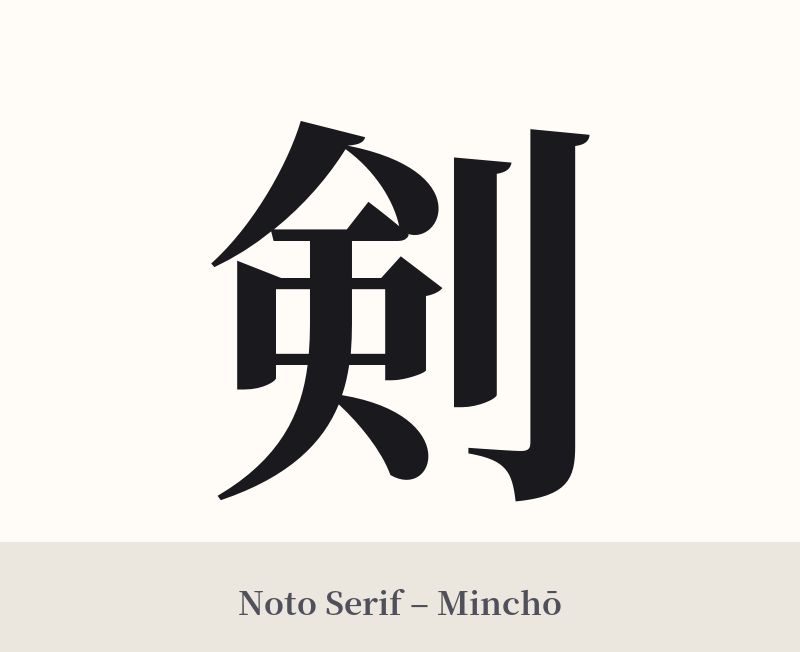
🖌️ Font Styles for 剣
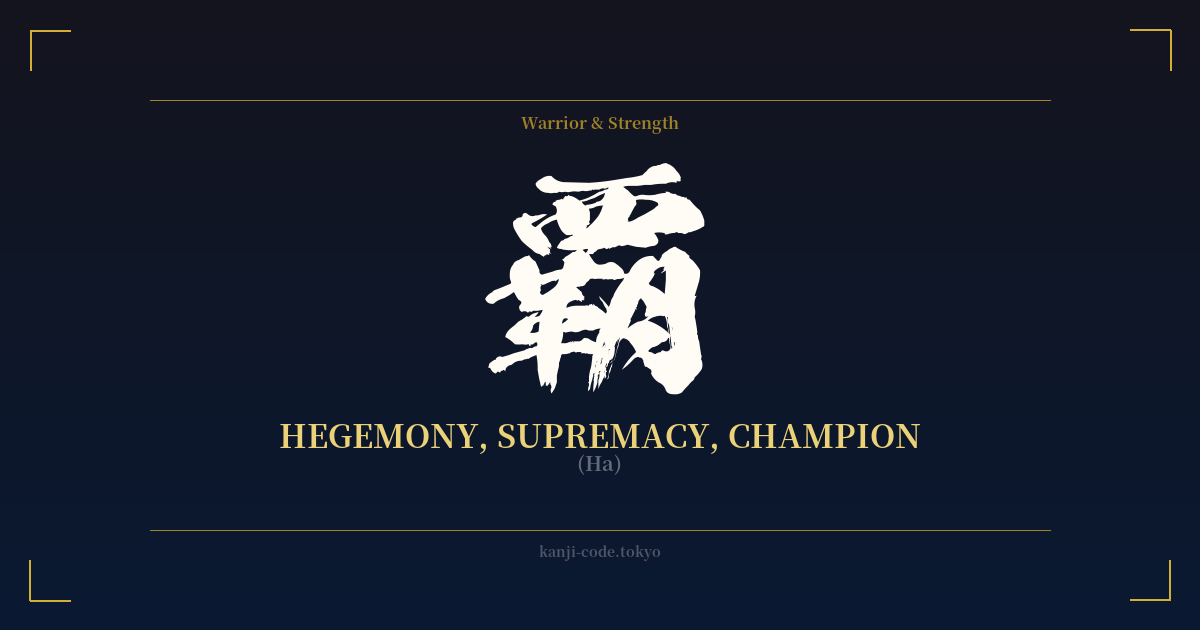
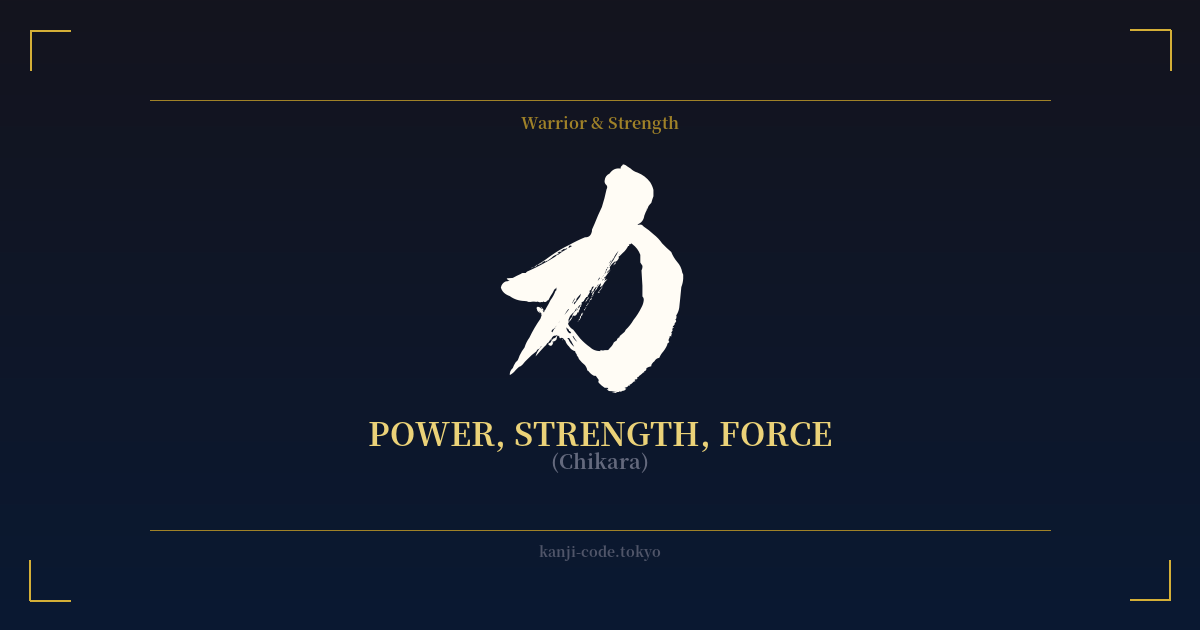
The same kanji can look dramatically different depending on the calligraphy style. Choose a font that matches the mood you want for your tattoo or design.
🎨 Tattoo Suitability
📐 Tattoo Design Guide
The kanji 剣 is a powerful and versatile character for a tattoo, lending itself to various styles and placements.
For placement, consider areas that complement its strong, defined shape. A vertical placement along the forearm, bicep, calf, or even down the spine can emphasize its authority and sharpness. Horizontally, it works well across the chest or upper back.
– Font Style: A bold, semi-cursive calligraphy style (gyōsho) can capture the fluid yet deadly motion of a sword strike. For a more formal and unyielding look, a sharp, printed Mincho or Kaisho style highlights the character's angularity and precision.
– Visual Elements: While 剣 is powerful on its own, it pairs well with other symbols. Combining it with a dragon (龍) can represent the balance of power and wisdom. Wrapping it in cherry blossoms (桜) speaks to the samurai ideal of a beautiful, yet transient life. Placing it over a lotus flower (蓮) can symbolize purity of purpose and rising above conflict.
Comments