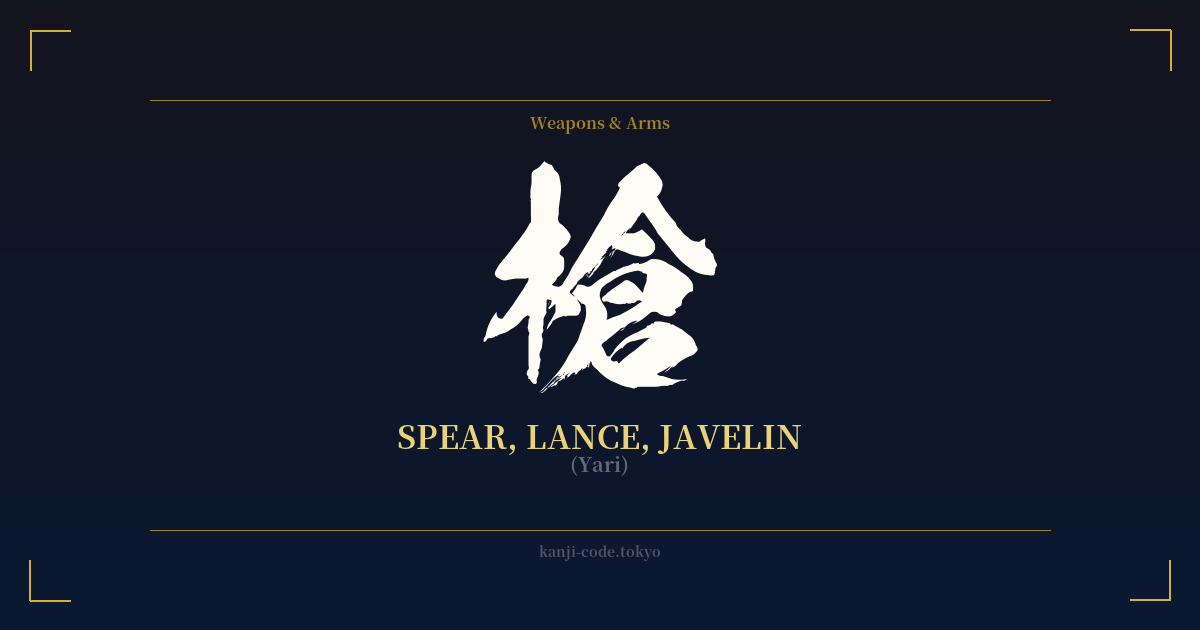
✍️ 槍 (Yari) — Cultural Context
The kanji 槍 (yari) represents far more than just a simple spear; it is a symbol deeply embedded in the martial history of Japan. While the katana often steals the spotlight in depictions of the samurai, the yari was, for centuries, a primary weapon on the battlefield. Its reach and effectiveness in formation fighting and against cavalry made it indispensable for both high-ranking samurai and the ashigaru, or foot soldiers.
The art of wielding this weapon, known as sōjutsu (槍術), was a core component of classical martial training. Mastering the yari required not just physical strength but immense discipline, precision, and an understanding of distance and timing. This imbues the kanji with connotations of focus, directness, and the ability to strike at the heart of a matter, both literally and figuratively.
Historically, the yari itself was a work of art. Japanese bladesmiths applied the same legendary skill to forging spearheads as they did to swords. The blades came in various forms, from the simple, straight blade (su yari) to the cross-shaped blade (jumonji yari), designed for hooking and trapping an opponent's weapon. This diversity reflects the sophistication and adaptability associated with the spear.
Famous warriors are often linked to their legendary yari. One of the most celebrated is Honda Tadakatsu, a general under Tokugawa Ieyasu, whose spear was known as the Tonbogiri, or "Dragonfly Cutter." Legend has it that the blade was so sharp that a dragonfly landing on it was instantly cut in two. Stories like this elevate the yari from a mere tool of war to an object of legend, symbolizing unrivaled strength and martial perfection.
In a modern context, the kanji 槍 can represent a piercing focus, a direct approach to overcoming obstacles, or a connection to the disciplined spirit of the samurai warrior. It’s a character that speaks of strength that is controlled, pointed, and effective. It's not just about aggression, but about the strategic application of force and the unwavering will to push forward.
🖌️ Font Styles for 槍
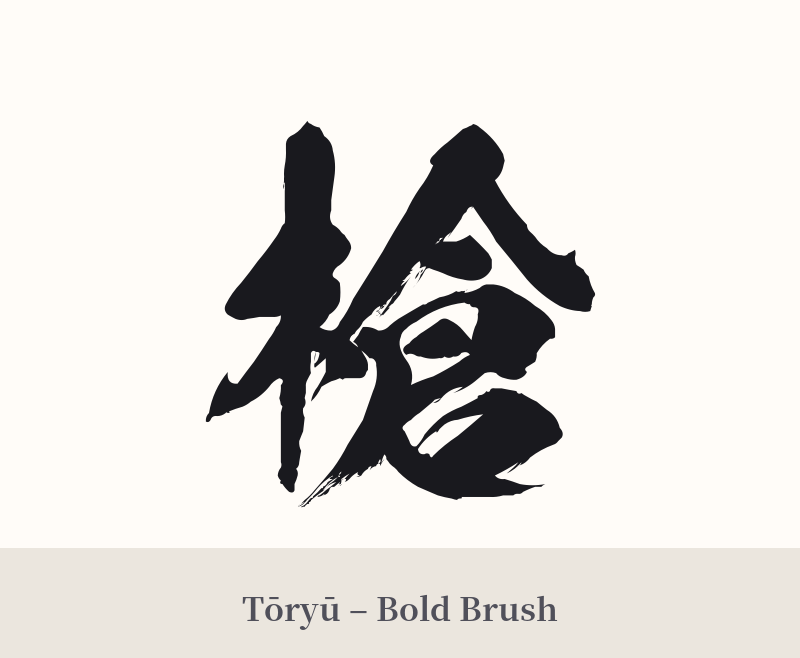
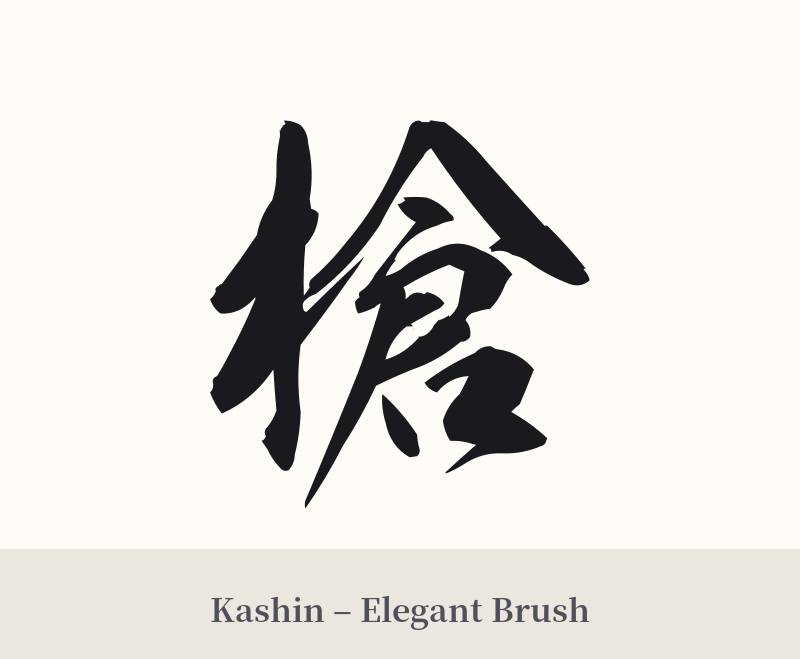
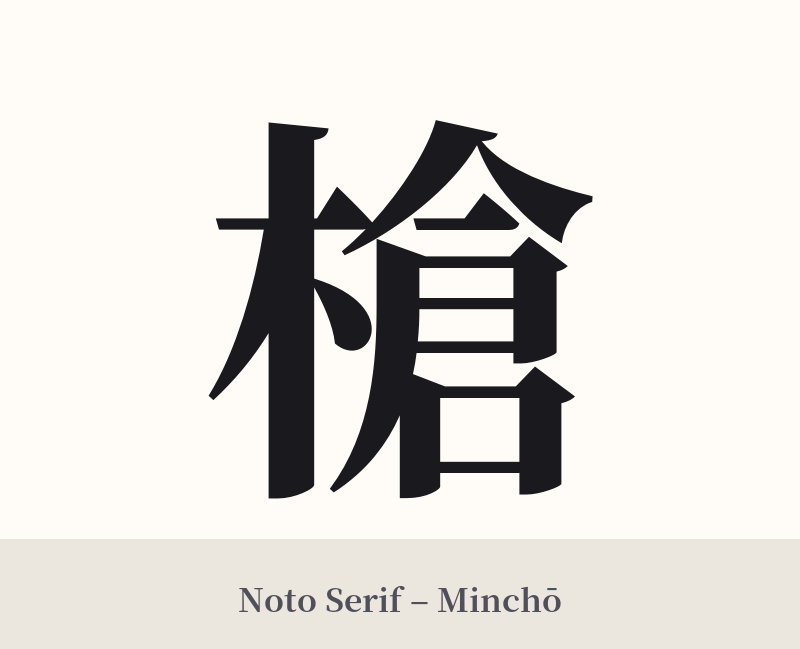
The same kanji can look dramatically different depending on the calligraphy style. Choose a font that matches the mood you want for your tattoo or design.
🎨 Tattoo Suitability
📐 Tattoo Design Guide
For a 槍 (yari) tattoo, consider design choices that emphasize its meaning of directness and power.
– Placement: Vertical placements are particularly effective, mirroring the long shaft of the spear. Consider the forearm, the calf, or running down the spine for a dramatic effect. The bicep or shoulder blade are also strong choices.
– Font Styles: A bold, clean Kaisho (block) script emphasizes stability and strength. For a more dynamic feel, a Gyosho (semi-cursive) or Sosho (cursive) style can evoke the movement and speed of a spear thrust, capturing the essence of sōjutsu in motion.
– Visual Tips: While 槍 stands strong on its own, it can be combined with other elements. Consider pairing it with a dragon to symbolize overwhelming power, or with wind bars to suggest speed. Placing it alongside a samurai helmet (kabuto) or mask (menpō) can firmly root the design in its historical warrior context.
Comments