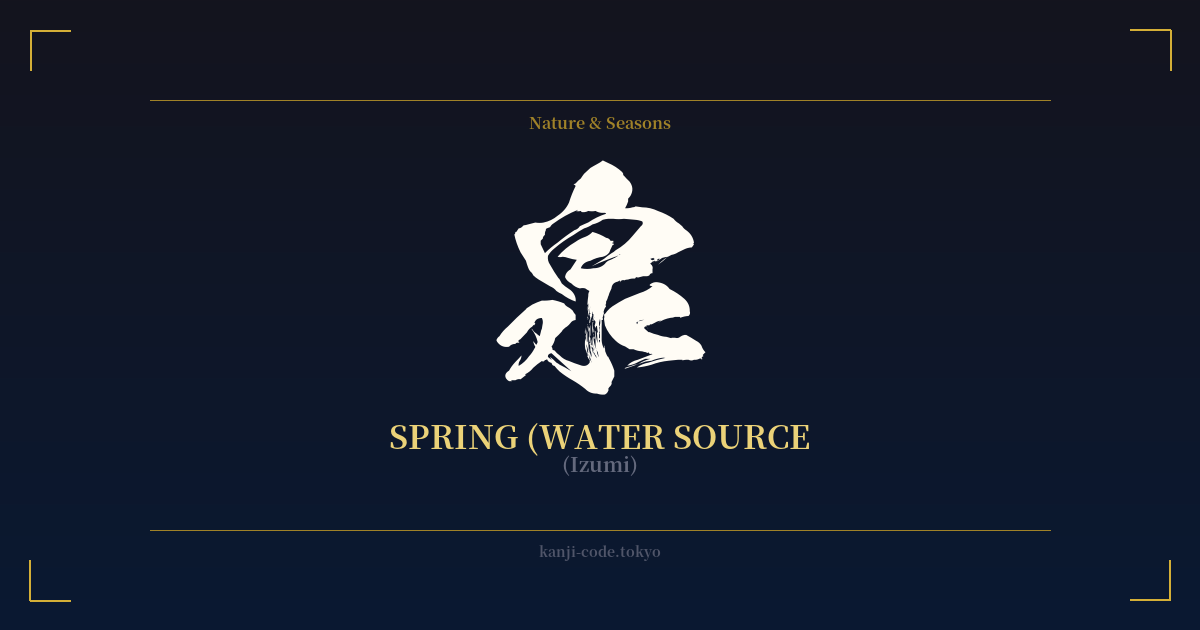
✍️ 泉 (Izumi) — Cultural Context
The kanji 泉 (izumi) is a beautiful and evocative character that captures the essence of a natural spring or fountain. Its origin is a wonderful example of visual storytelling within kanji. The character is a compound of two distinct elements: 白 (shiro) meaning 'white' or 'clear' on top, and 水 (mizu) meaning 'water' at the bottom. Together, they form a vivid image of pure, clear water bubbling up from the earth. This pictographic nature makes 泉 immediately understandable on a symbolic level—it is not just any water, but water at its most pristine source.
In Japan, a country of mountains and abundant rainfall, springs hold a special place in the cultural and spiritual landscape. They are seen as life-giving sources, providing essential water for communities and agriculture. This deep respect is woven into the fabric of Shinto, Japan's indigenous religion. Natural water sources like springs and waterfalls are often considered sacred places, or 'shin'iki' (神域), inhabited by kami (gods or spirits). It is not uncommon to find these sites marked with a 'shimenawa', a sacred rope, signifying their purity and spiritual importance. The act of 'misogi' (禊), or ritual purification by water, underscores this connection, where the clean, cold water of a spring or river is used to wash away impurities.
Beyond its spiritual significance, 泉 is a recurring motif in Japanese art and literature. In poetry, from classical 'waka' to the more familiar 'haiku', a spring often symbolizes renewal, clarity of thought, endless creativity, or a tranquil heart. The image of a secluded mountain spring evokes a sense of peace and escape from the mundane world, a theme cherished in Japanese aesthetics.
Furthermore, the word 'izumi' has found its way into the very identity of the Japanese people. It is a popular and elegant given name for women, carrying connotations of purity, grace, and inner strength. It also appears frequently in place names and surnames, such as Izumi City in Osaka or the common surname Koizumi (小泉), meaning 'little spring'. This widespread use demonstrates how deeply the concept of the spring is embedded in the Japanese consciousness, representing not just a feature of the landscape, but a source of life, purity, and identity.
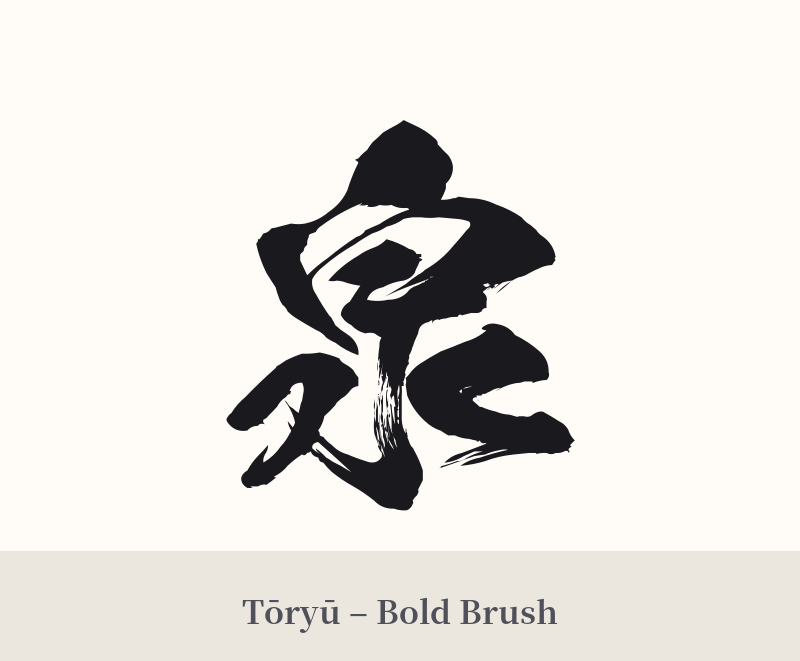
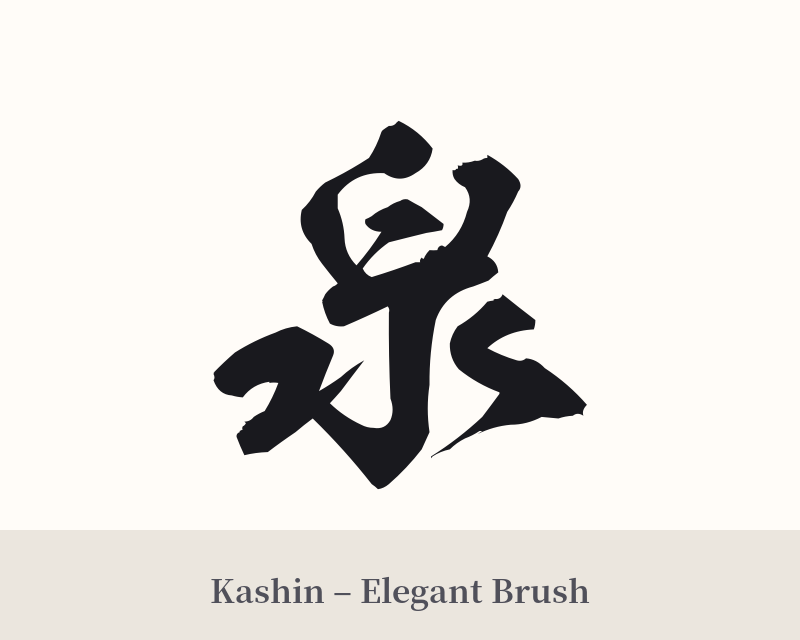
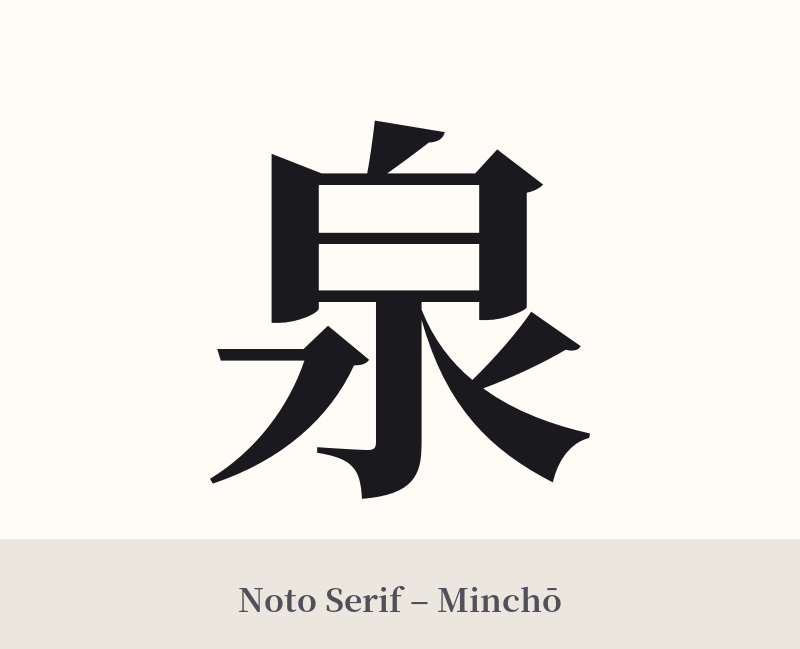
🖌️ Font Styles for 泉
The same kanji can look dramatically different depending on the calligraphy style. Choose a font that matches the mood you want for your tattoo or design.
🎨 Tattoo Suitability
📐 Tattoo Design Guide
The kanji 泉 offers wonderful flexibility for a tattoo design, thanks to its elegant form and positive meaning.
– Placement: Consider placements that complement the idea of 'flow'. The inner forearm, the calf, or running vertically down the spine can mimic the movement of water. For a more subtle piece, the wrist, ankle, or behind the ear are excellent choices.
– Font Style: To emphasize its connection to nature and fluidity, a calligraphic script like 'gyosho' (semi-cursive) or 'sosho' (cursive) is highly recommended. These styles capture a sense of movement and organic grace. Alternatively, a crisp 'kaisho' (block) or 'mincho' (serif) style can highlight the kanji's purity and clarity.
– Visual Tips: While 泉 is strong enough to stand alone, it can be beautifully integrated with other elements. Consider a design where the kanji itself seems to be formed from water, or have gentle ripples emanating from it. Adding a single koi fish swimming near the base or a falling maple leaf can create a serene, picturesque scene without overcrowding the design. A watercolor splash effect in blues or greens behind the black ink of the kanji can also add a modern, artistic touch.
Comments