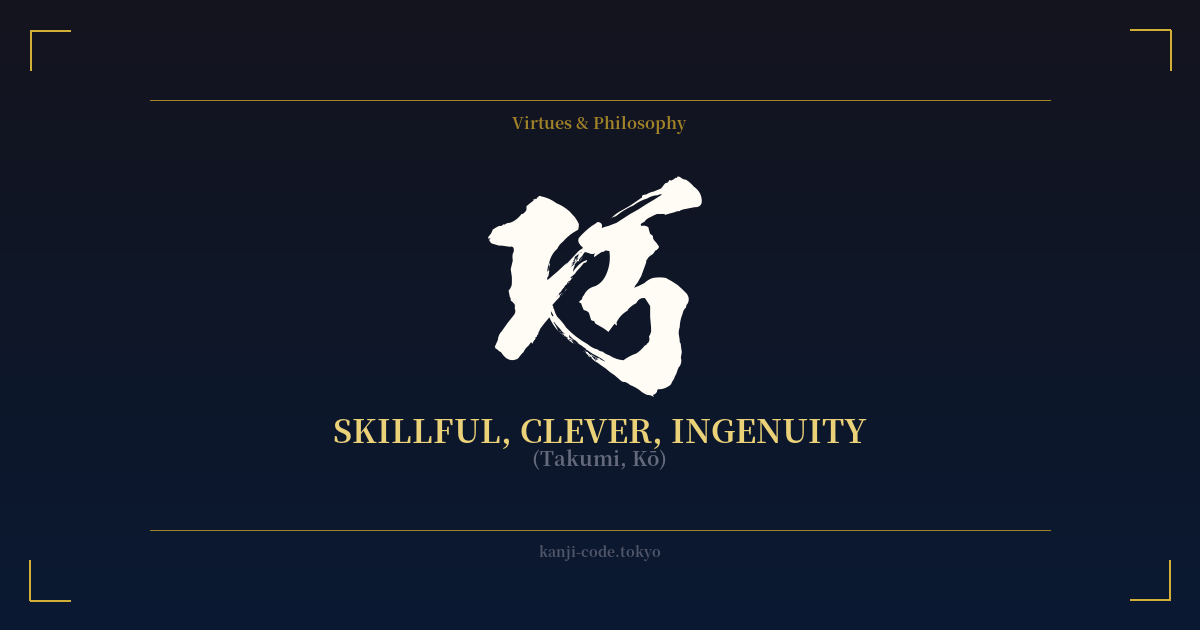
✍️ 巧 (Takumi, Kō) — Cultural Context
The kanji 巧 (takumi, kō) is a beautiful and concise character that encapsulates a concept deeply woven into the fabric of Japanese culture: masterful skill infused with cleverness and ingenuity. While often translated simply as 'skillful,' its meaning goes far deeper. It doesn’t just describe someone who is good at a task; it points to an artisan, a creator who possesses a refined, almost innate ability to create with precision, elegance, and clever solutions.
The character itself offers a clue to its meaning. It is composed of the radical 工 (kō), which means 'craft,' 'work,' or 'construction,' and a phonetic component. This visual foundation grounds the kanji in the world of making and doing, immediately connecting it to the idea of craftsmanship.
In Japan, the figure of the 'takumi' (匠, a related word often written with a different kanji but sharing the same reading and spirit) is held in high esteem. This is the master craftsperson who has dedicated their life to perfecting a single art form, whether it be sword-making, pottery, lacquerware, or even modern engineering. The pursuit is not just about technical proficiency but about achieving a spiritual harmony with the materials and the process. The kanji 巧 embodies the very essence of this dedication—the cleverness to overcome challenges, the skill to execute flawlessly, and the ingenuity to innovate within a tradition.
It's important to distinguish 巧 from a more common word for skill, 上手 (jōzu). While 'jōzu' means to be good or proficient at something, 巧 carries a nuance of artistry and finesse. Someone can be 'jōzu' at playing tennis, but a master woodworker whose joints fit together without a single gap is 'takumi.' The latter implies a level of creativity and deep understanding that transcends mere practice.
This concept is found in various compound words. For example, 巧妙 (kōmyō) means 'ingenious' or 'clever,' 精巧 (seikō) means 'exquisite' or 'elaborate,' and 技巧 (gikō) refers to 'technique' or 'finesse.' In each case, 巧 lends a sense of advanced, almost artistic competence. Choosing this kanji is to embrace the spirit of the dedicated artisan—one who values not just the result, but the intelligence, creativity, and grace of the process itself.
🖌️ Font Styles for 巧
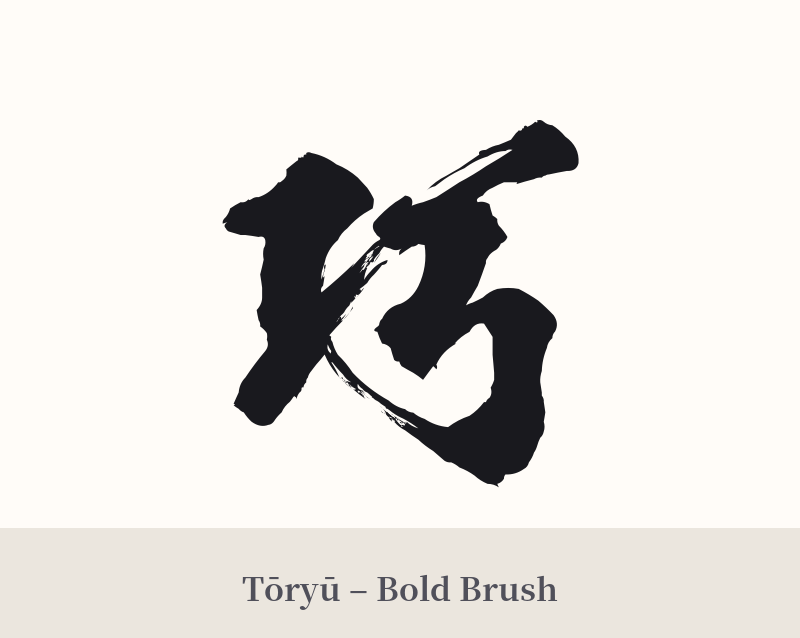
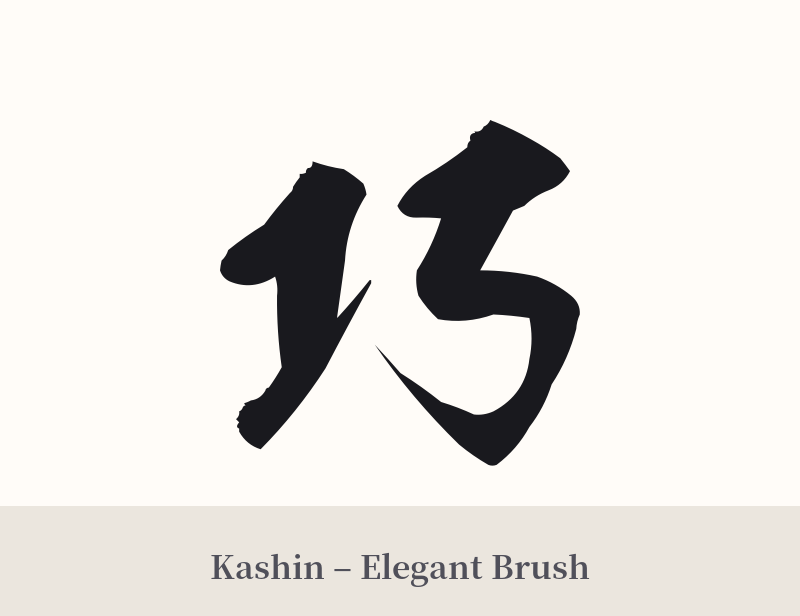
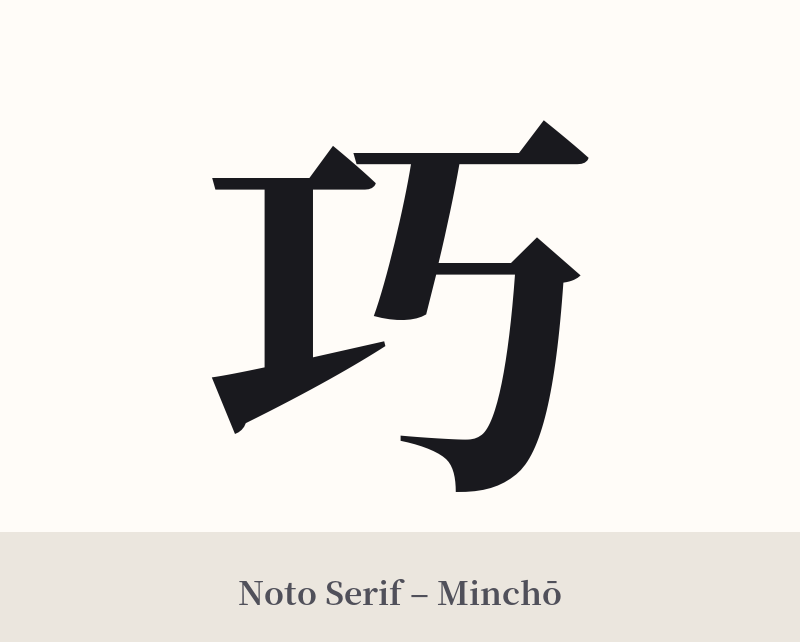
The same kanji can look dramatically different depending on the calligraphy style. Choose a font that matches the mood you want for your tattoo or design.
🎨 Tattoo Suitability
📐 Tattoo Design Guide
The simple elegance of 巧 makes it a versatile choice for a tattoo. Its five-stroke structure is clean and balanced, ensuring it remains legible and aesthetically pleasing over time.
– Placement: This character works well in locations that suit a single, focused symbol. Consider the inner forearm, the wrist, the back of the neck just below the hairline, or on the calf. These spots allow the character to stand on its own as a statement of personal value.
– Font Style: For a strong, traditional feel that emphasizes the 'craft' (工) element, a bold Kaisho (block script) is an excellent choice. To highlight the 'cleverness' and 'ingenuity' aspects, a more fluid and artistic Gyōsho (semi-cursive) or Sōsho (cursive) style can add a sense of movement and creativity.
– Visual Tips: While 巧 is powerful on its own, it can be paired with subtle imagery related to your personal craft or passion. This could be a single enso circle, a minimalist depiction of a tool (like a pen, brush, or hammer), or an abstract watercolor background that complements the kanji's form without overpowering it.
Comments