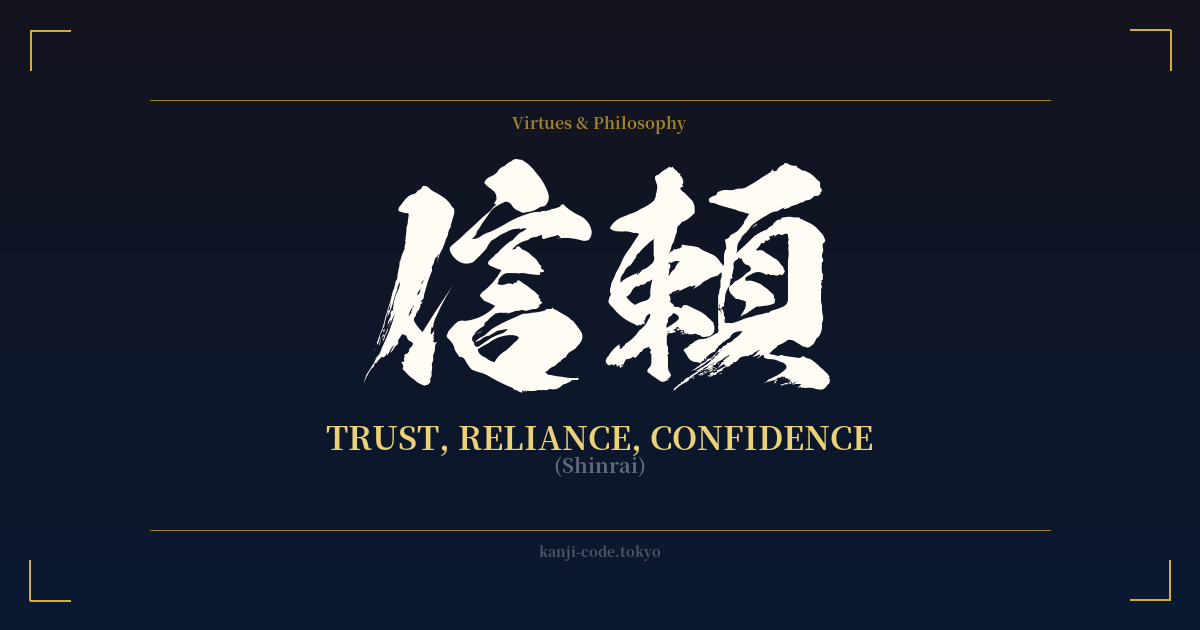
✍️ 信頼 (Shinrai) — Cultural Context
In Japanese, 信頼 (Shinrai) is more than just a simple word for trust; it's a cornerstone of the entire social fabric. It represents a deep, earned confidence in another person's character, integrity, and abilities. This isn't a trust that is given lightly but one that is built over time through consistent action and mutual respect.
The concept of Shinrai is fundamental to all aspects of life in Japan, from personal friendships and family bonds to the intricate web of business relationships. In a society that values harmony and long-term connections, being able to place Shinrai in someone is the highest form of social currency. It implies a belief that the person will act with your best interests at heart, even when you are not present.
To understand its depth, it's helpful to contrast Shinrai with a similar word, 信用 (Shin'yō). Shin'yō translates to 'credit' or 'belief' and is often based on tangible evidence or past performance, much like a credit score. You might have Shin'yō in a bank because it has a long history of being stable. Shinrai, however, is more emotional and personal. It's the trust you place in a close friend to keep a secret or a mentor to guide you honestly. It is a belief in their very being, not just their track record.
Historically, the idea of Shinrai is tied to concepts like Bushido, the code of the samurai. For a warrior, their word was their bond, and betraying trust was the ultimate dishonor. This emphasis on unwavering reliability and integrity has permeated Japanese culture for centuries. The commitment to one's word and the expectation of sincerity from others form the invisible pillars that support social structures.
Today, this legacy continues. You can see it in the dedication of a shokunin (artisan) who has earned the Shinrai of their community through decades of mastering their craft. You can also see it in business deals where a long-standing relationship built on Shinrai can be more valuable than the fine print of any contract. It is the quiet, unspoken agreement that allows society to function smoothly and cohesively.
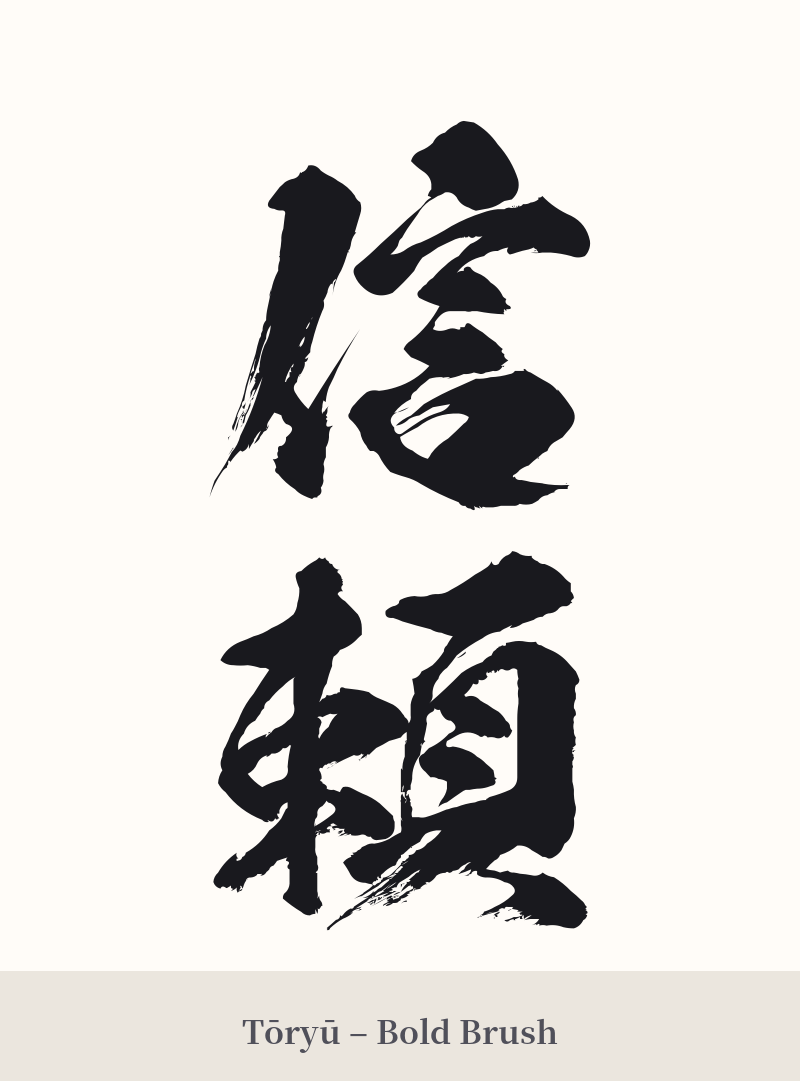
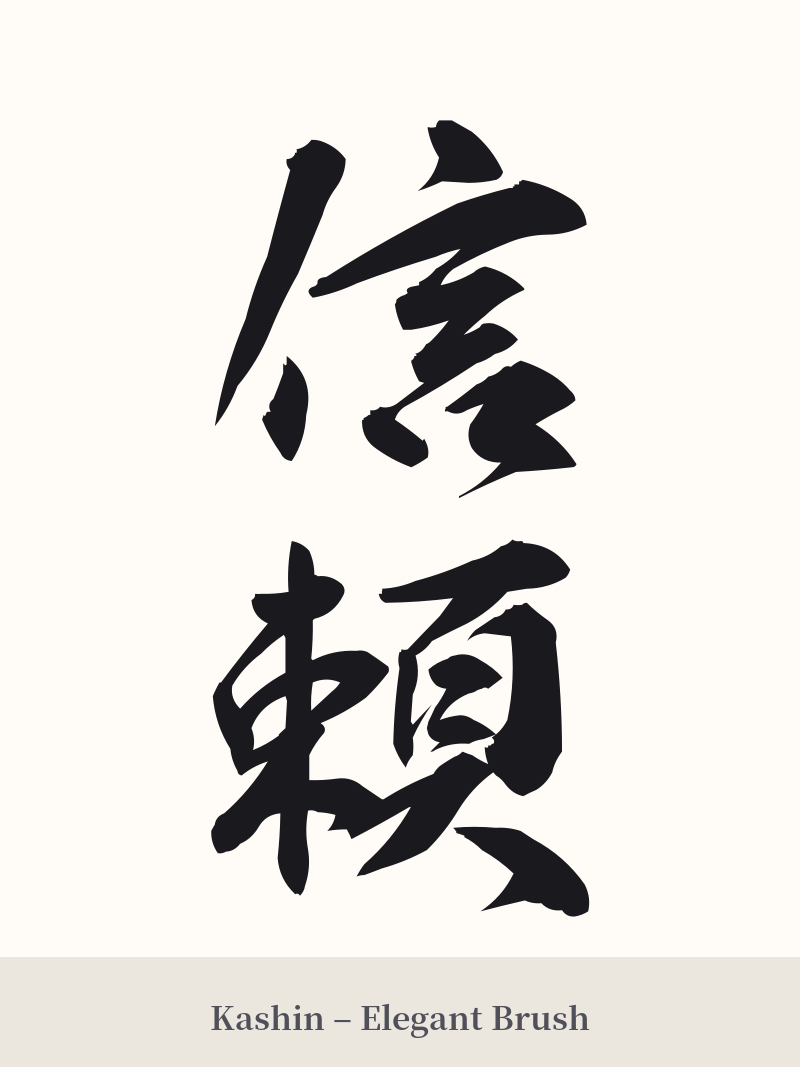
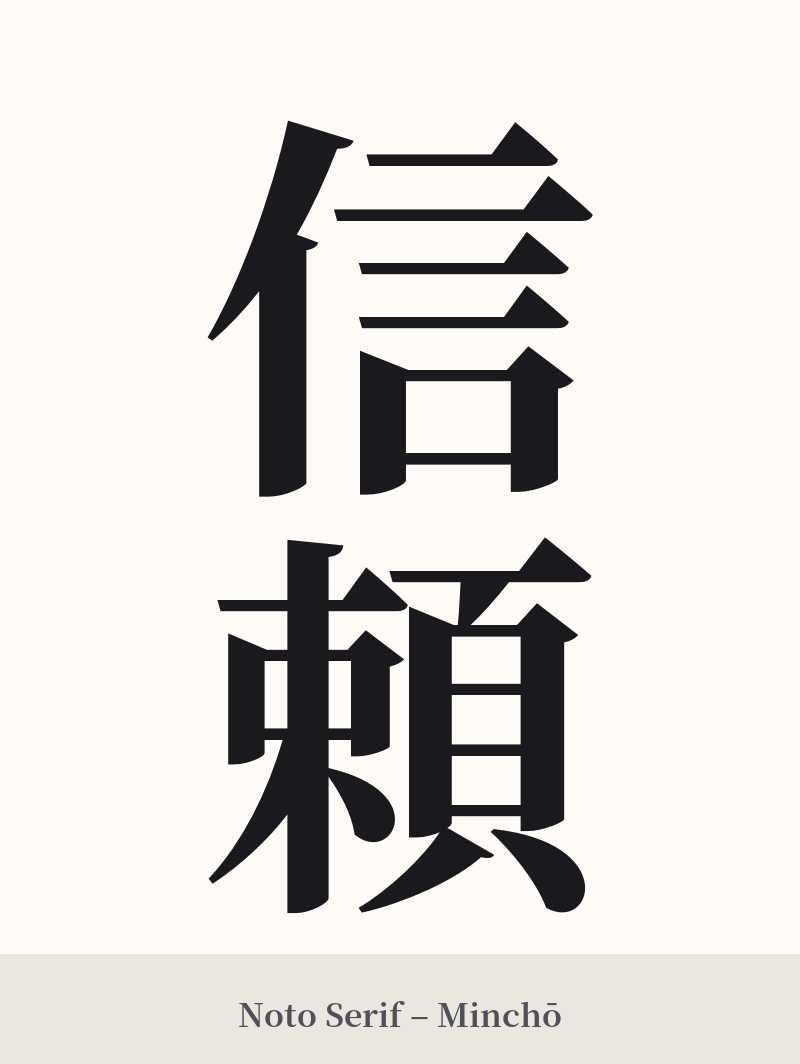
🖌️ Font Styles for 信頼
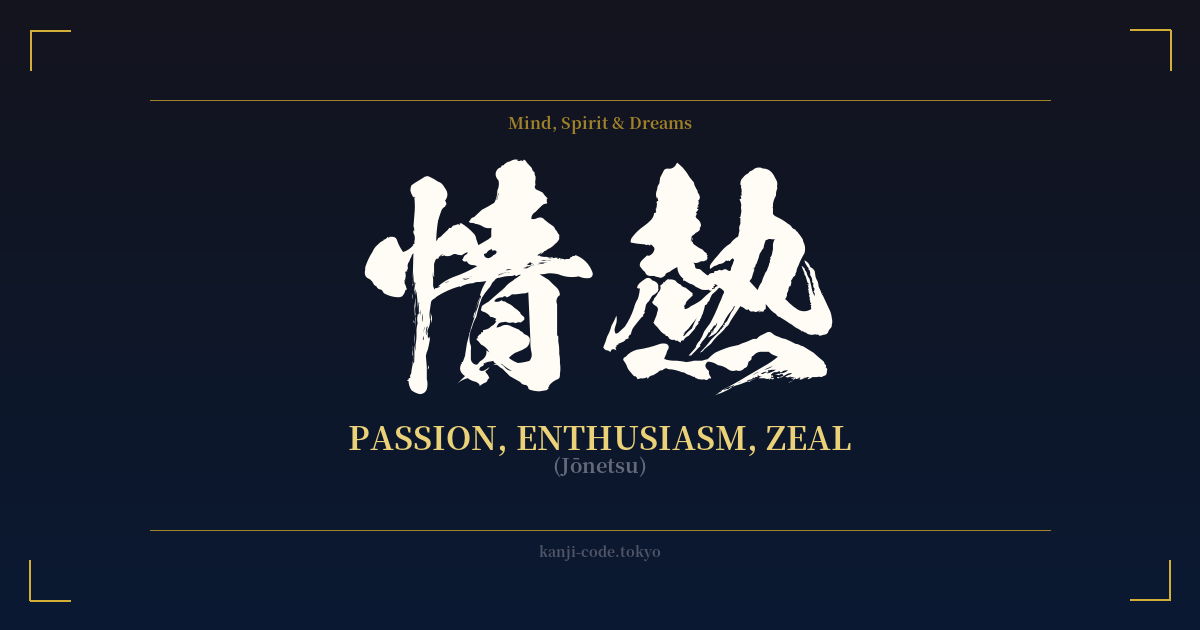
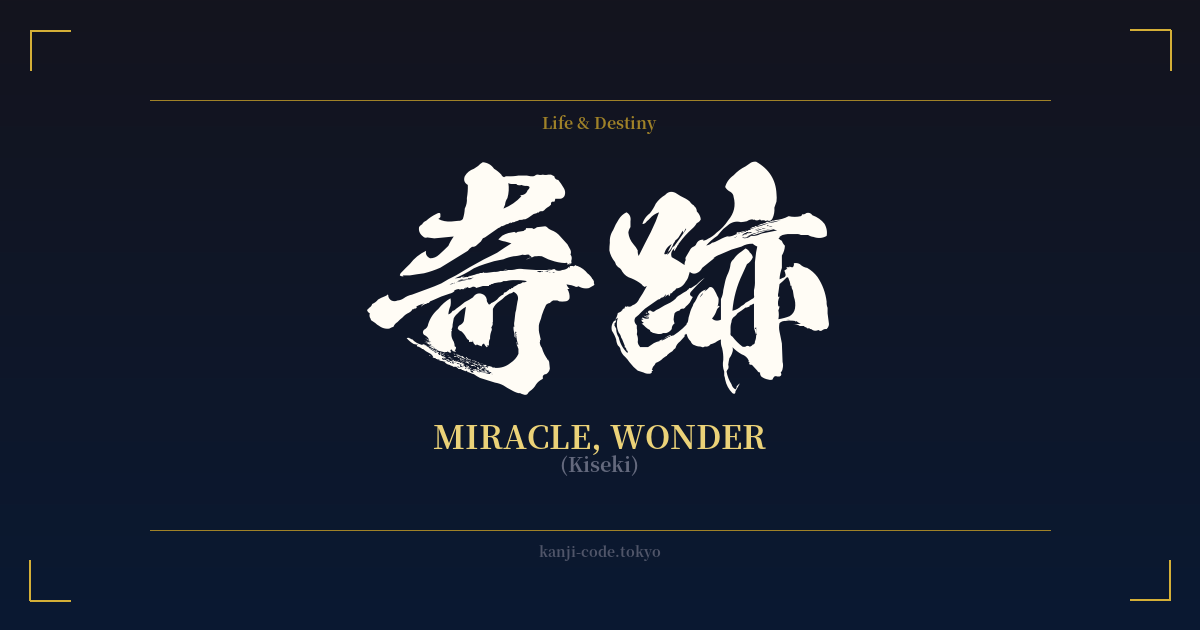
The same kanji can look dramatically different depending on the calligraphy style. Choose a font that matches the mood you want for your tattoo or design.
🎨 Tattoo Suitability
📐 Tattoo Design Guide
A 信頼 (Shinrai) tattoo is a powerful and clear statement. To ensure it looks its best, consider the following design recommendations.
For placement, the two characters work well in a vertical alignment. This makes it an excellent choice for the forearm, the spine, along the bicep, or on the calf. A horizontal placement can also be effective across the chest, upper back, or below the collarbone.
Regarding font style, you have several compelling options: – Kaisho (block script): This standard, print-like style offers clarity and strength. It emphasizes the solid, unwavering nature of trust. – Gyosho (semi-cursive script): For a more fluid and personal feel, Gyosho adds a touch of elegance and movement, suggesting that trust is a dynamic, living connection. – Sosho (cursive script): A highly stylized cursive script can create a beautiful, abstract piece, but be aware that it may become illegible to those unfamiliar with it.
Crucially, because the second kanji, 頼 (rai), is quite detailed with 16 strokes, the tattoo must be large enough to maintain its integrity. Avoid making it too small, as the intricate lines could merge and become a blur over time. A skilled tattoo artist will know how to properly space the strokes to ensure longevity and clarity.
Comments