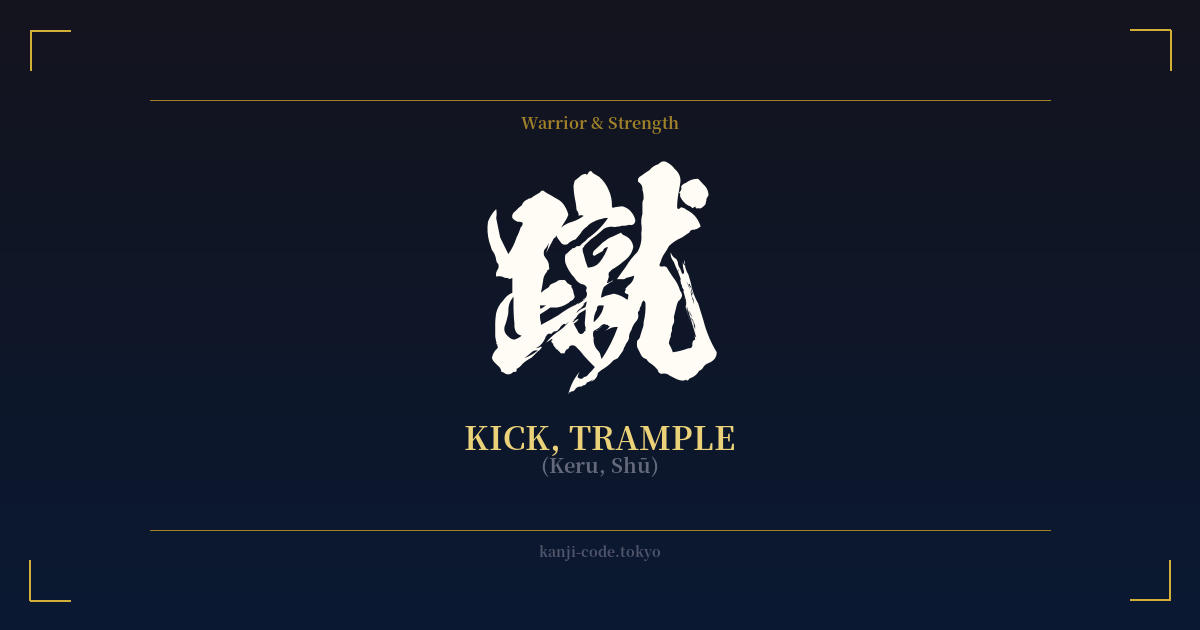
✍️ 蹴 (Keru, Shū) — Cultural Context
The kanji 蹴 (keru) is the embodiment of forceful action, a character that captures a single, dynamic moment in a flurry of strokes. Its very structure tells a story. It is composed of the radical 足 (ashi), meaning 'foot' or 'leg,' and the phonetic component 就 (shū). This combination paints a clear picture: an action performed powerfully with the foot.
In Japan, the most immediate and widespread association with 蹴 is through martial arts. The word for a kick, 蹴り (keri), is a fundamental term in disciplines like Karate, Judo, and Kendo. From the sharp precision of a 前蹴り (mae-geri, front kick) to the sweeping power of a 回し蹴り (mawashi-geri, roundhouse kick), this kanji represents not just brute force, but also disciplined skill, balance, and the culmination of rigorous training. It symbolizes the warrior's ability to turn a simple part of the body into a formidable weapon.
Beyond the dojo, 蹴 has a massive presence in the world of sports, most notably soccer (サッカー, sakkā). The act of kicking a ball is central to the world's most popular sport, and in Japan, this kanji is intrinsically linked to the passion, teamwork, and drama of the game. A powerful shot on goal is a form of 蹴, embodying hope and the potential for victory. This context gives the character a modern, positive, and energetic vibe, far from its more aggressive connotations.
Figuratively, the verb 蹴る (keru) extends into the social and professional realms. The expression 一蹴する (isshū suru), literally 'to give one kick,' means to flatly reject or dismiss an offer, proposal, or argument without a second thought. This usage portrays an act of defiance, confidence, or even arrogance. It’s the verbal equivalent of kicking something away, showing a decisive and sometimes cold refusal.
The character also holds the meaning of 'to trample' (踏み蹴る, fumikeru), which carries a much darker and more violent tone. This interpretation speaks of dominance, disrespect, and the act of crushing something underfoot. It is this duality—the disciplined kick of a martial artist versus the oppressive trample of a conqueror—that gives 蹴 its complex character. It is a kanji of pure action, whose moral and emotional weight is defined entirely by the intention behind it.
🖌️ Font Styles for 蹴
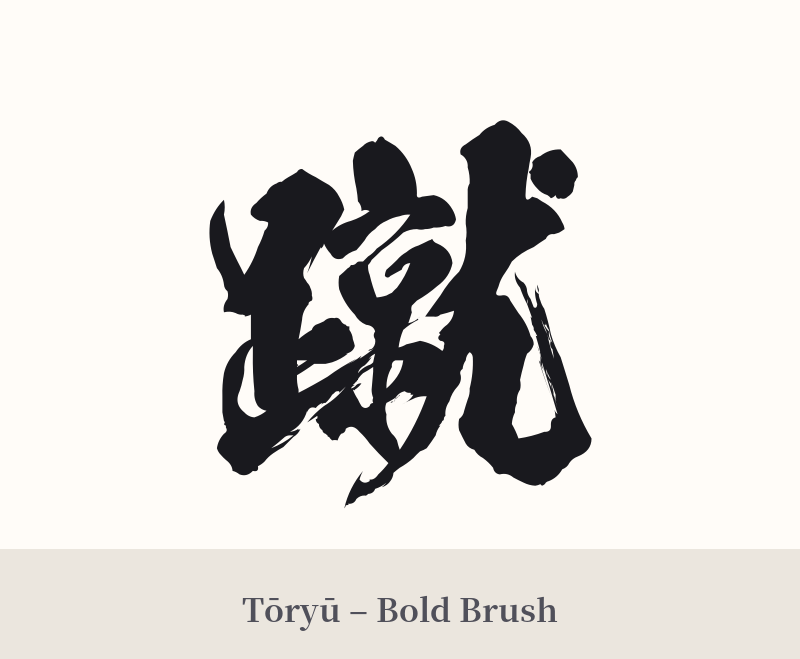
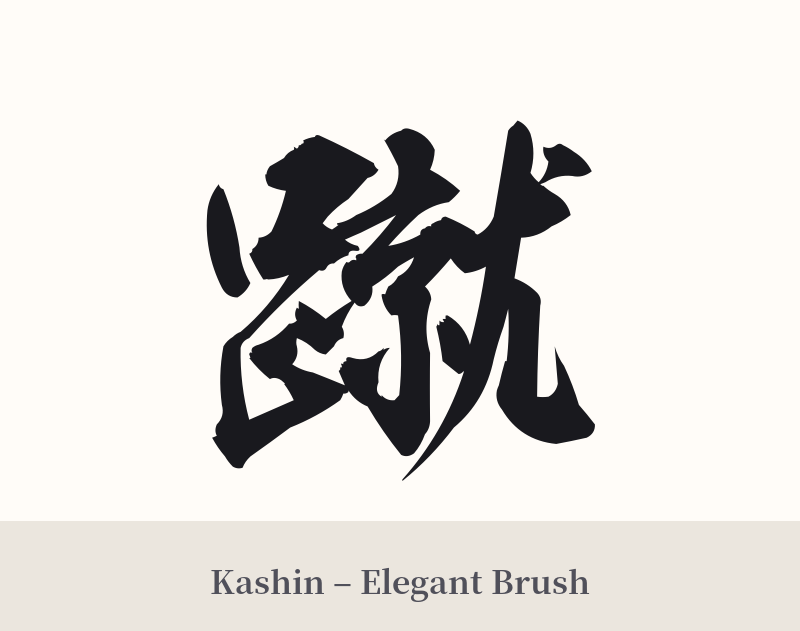
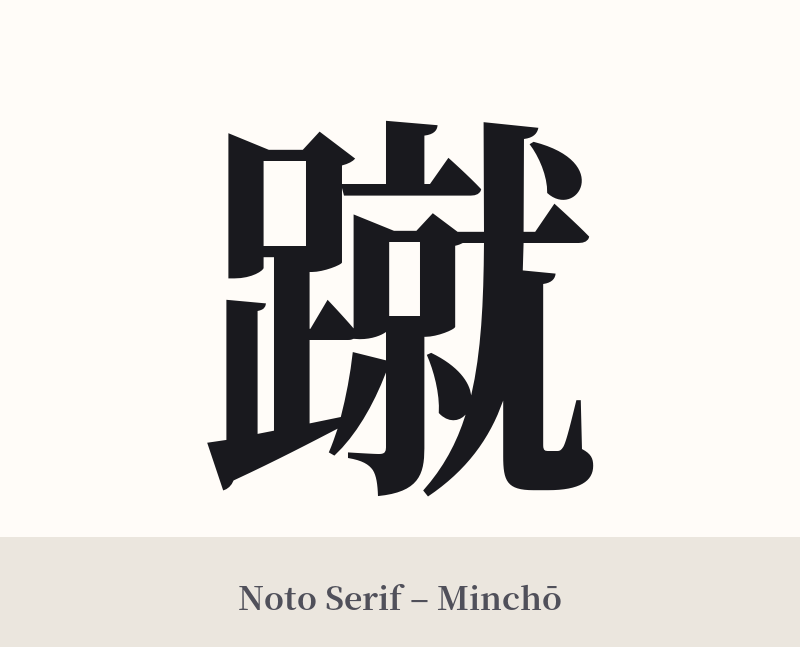
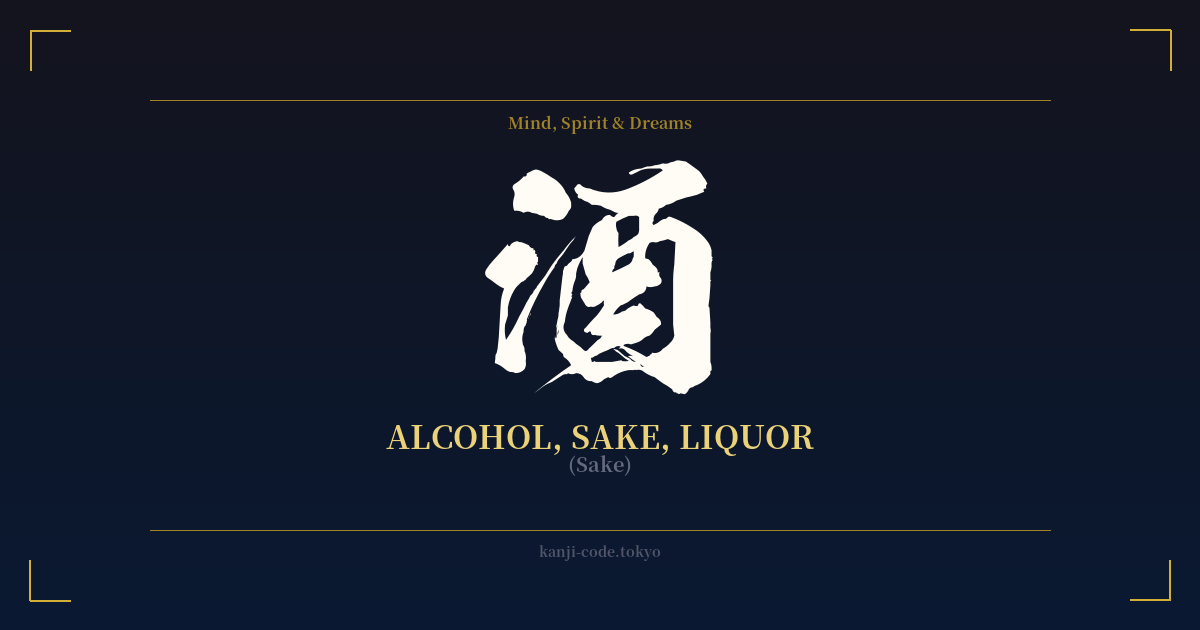
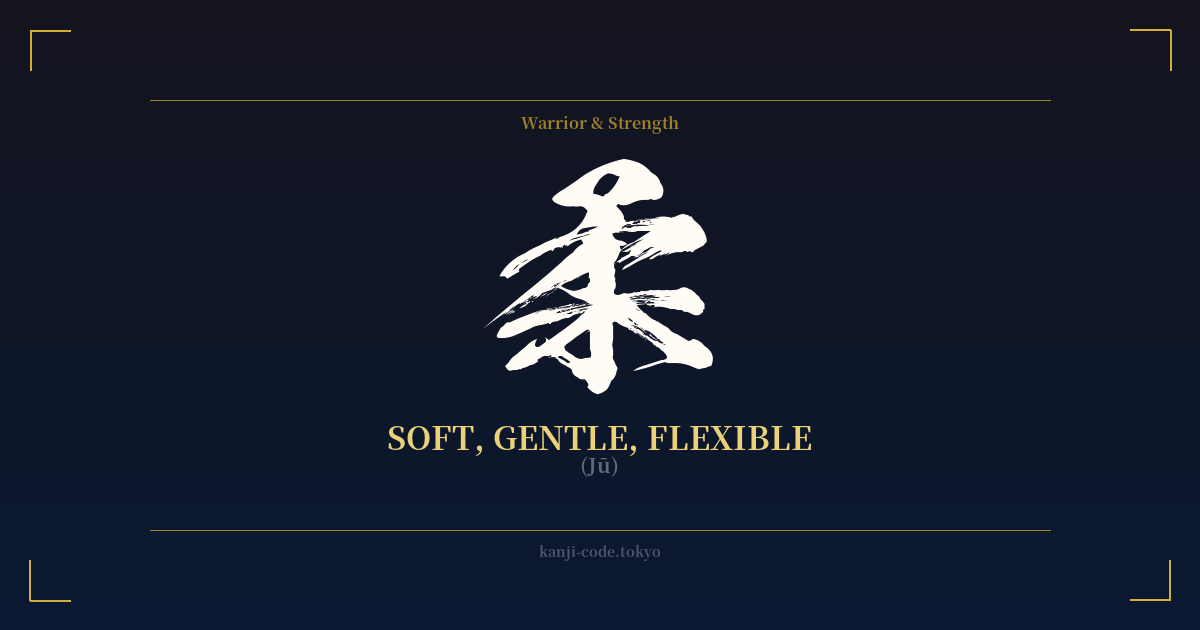
The same kanji can look dramatically different depending on the calligraphy style. Choose a font that matches the mood you want for your tattoo or design.
🎨 Tattoo Suitability
📐 Tattoo Design Guide
For a tattoo, 蹴 is a character that demands attention and space. Its complexity is its strength, but also its primary challenge.
– Placement: This kanji works best on larger, flatter areas of the body where its intricate details can be appreciated. The calf, thigh, or upper back are excellent choices. A vertical placement on the forearm can also be very effective, emphasizing its dynamic nature.
– Style: A bold, semi-cursive (gyōsho) or cursive (sōsho) brushstroke style is highly recommended. These styles can capture the sense of motion and energy inherent in the word 'kick.' A strong, angular block script (kaisho) can also work, highlighting the precision and power of a martial arts strike.
– Visual Tips: Consider incorporating elements that provide context. A splash of ink behind the character can simulate the force of impact. For sports fans, integrating it with a soccer ball motif could personalize the meaning. For a martial arts theme, pairing it with other symbols like a fist (拳) or dragon (龍) can create a powerful composition.
Comments