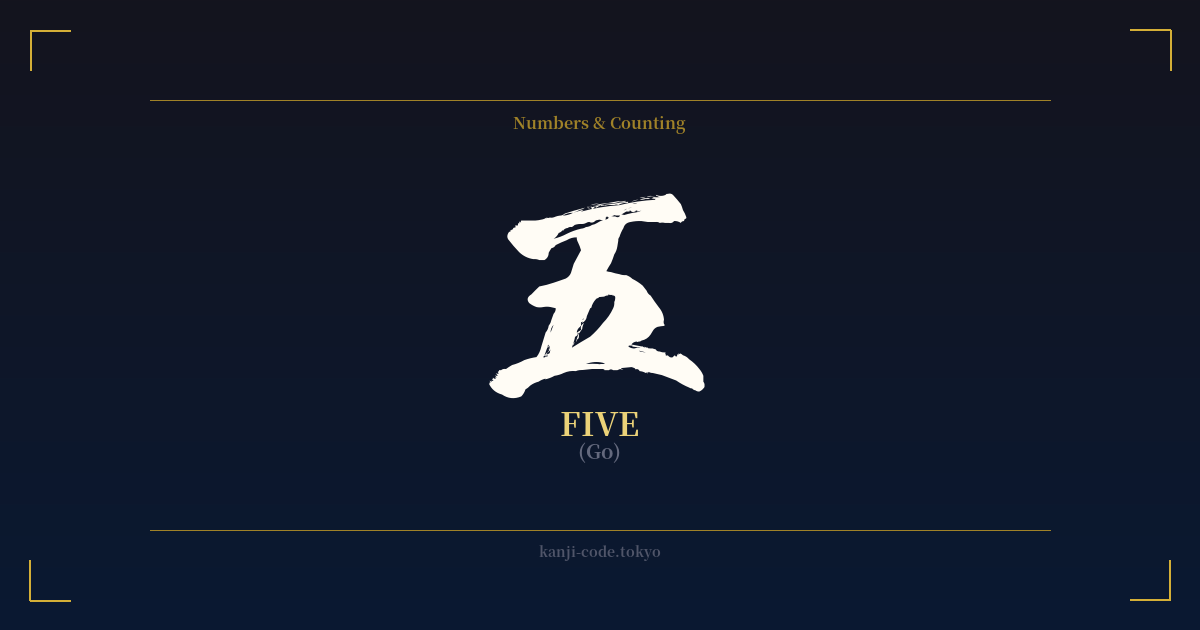
✍️ 五 (Go) — Cultural Context
The kanji 五 (Go), representing the number five, is one of the most fundamental characters in the Japanese language, yet its simplicity belies a profound cultural and philosophical significance that permeates nearly every aspect of Japanese thought.
At its core, 五 is just a number. Its origin is thought to be a simple pictograph of two crossed lines representing the five fingers of a hand, or a horizontal tally system. However, its importance blossoms through its connection to the concept of Gogyō (五行), the Five Elements. Imported from Chinese philosophy, this system organizes the world into five fundamental phases: Wood (木), Fire (火), Earth (土), Metal (金), and Water (水). This wasn't just an abstract theory; it was a practical framework that influenced everything from medicine and martial arts to divination and politics, explaining the cyclical interactions of creation and destruction in the universe.
This elemental framework finds a powerful spiritual expression in the Gorintō (五輪塔), a type of five-ringed Buddhist stupa or pagoda. Each of the five stacked shapes represents one of the five elements of Japanese Buddhism: a cube for Earth (地), a sphere for Water (水), a pyramid for Fire (火), a hemisphere for Wind (風), and a jewel shape for Void/Emptiness (空). These iconic stone towers are a common sight in Japanese cemeteries and temples, serving as a physical manifestation of the universe and a memorial for the departed. The concept also appears in Miyamoto Musashi's famous text, "The Book of Five Rings" (五輪書, Gorin no Sho), where he structures his martial philosophy around these five elemental chapters.
The number five also structures the traditional Japanese calendar through the Gosekku (五節句), the five seasonal festivals. These include Jinjitsu (Jan 7), Jōshi (Mar 3, a precursor to the Doll Festival), Tango (May 5, now Children's Day), Tanabata (July 7), and Chōyō (Sep 9, the Chrysanthemum Festival). Each festival carries unique rituals and traditions designed to ward off evil and pray for good fortune, weaving the rhythm of five into the fabric of the year.
Beyond these major systems, the number five appears in countless other cultural contexts. There are the five senses (五感, gokan), the five Confucian virtues (五常, gojō), and even the five-household administrative units of the Edo period known as gonin-gumi (五人組). From the spiritual to the mundane, the kanji 五 serves as a foundational pillar, representing balance, natural order, and the interconnectedness of the cosmos.
🖌️ Font Styles for 五
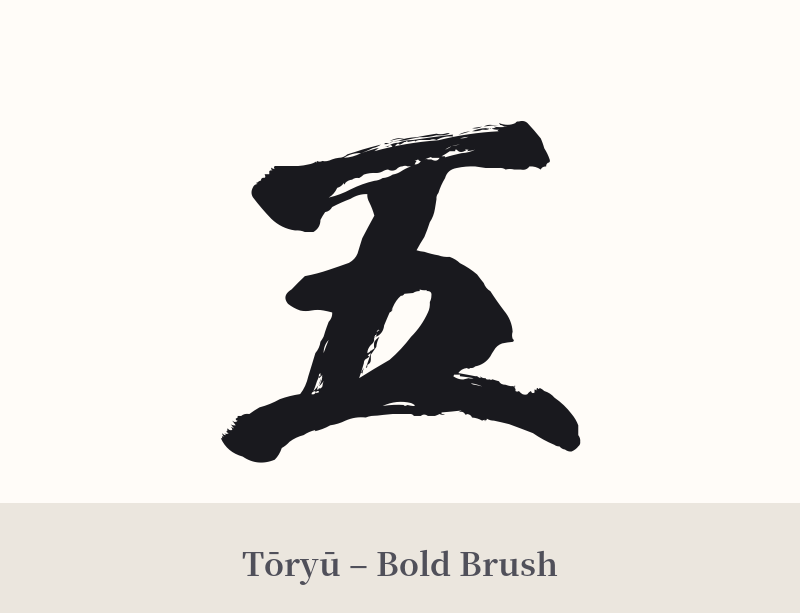
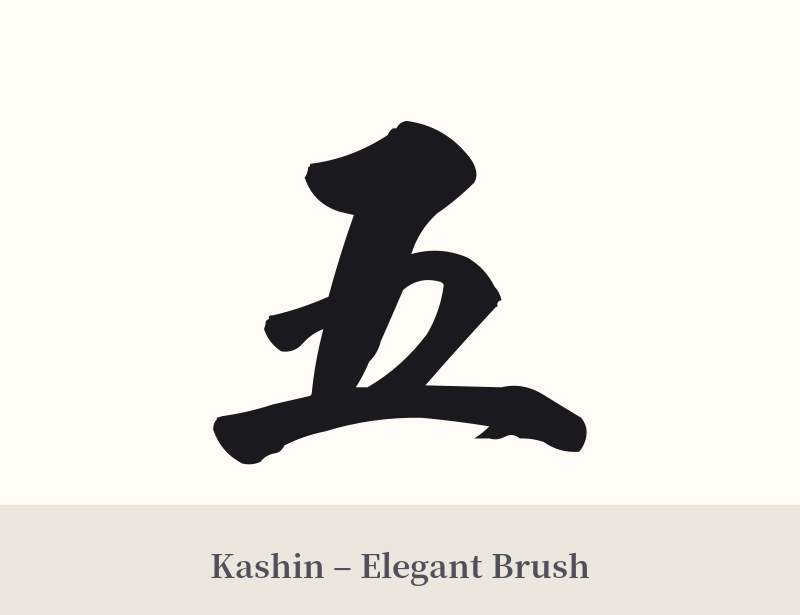
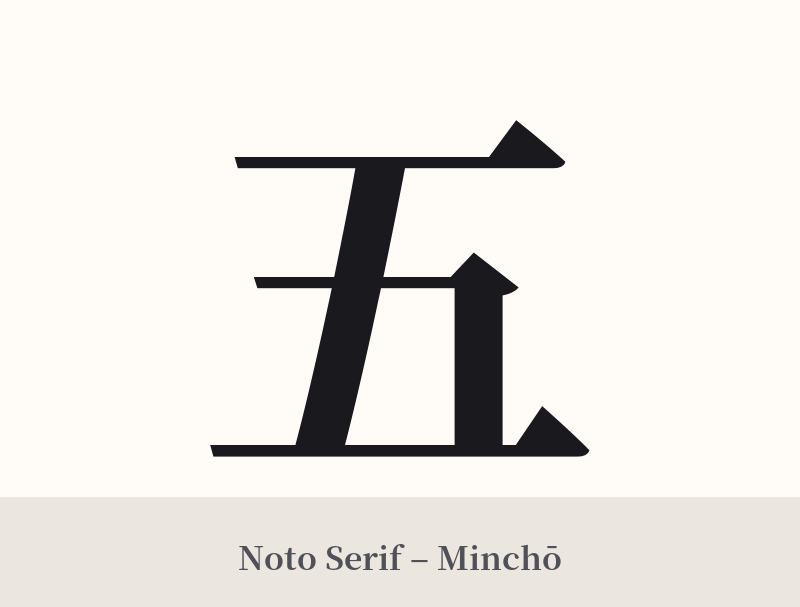
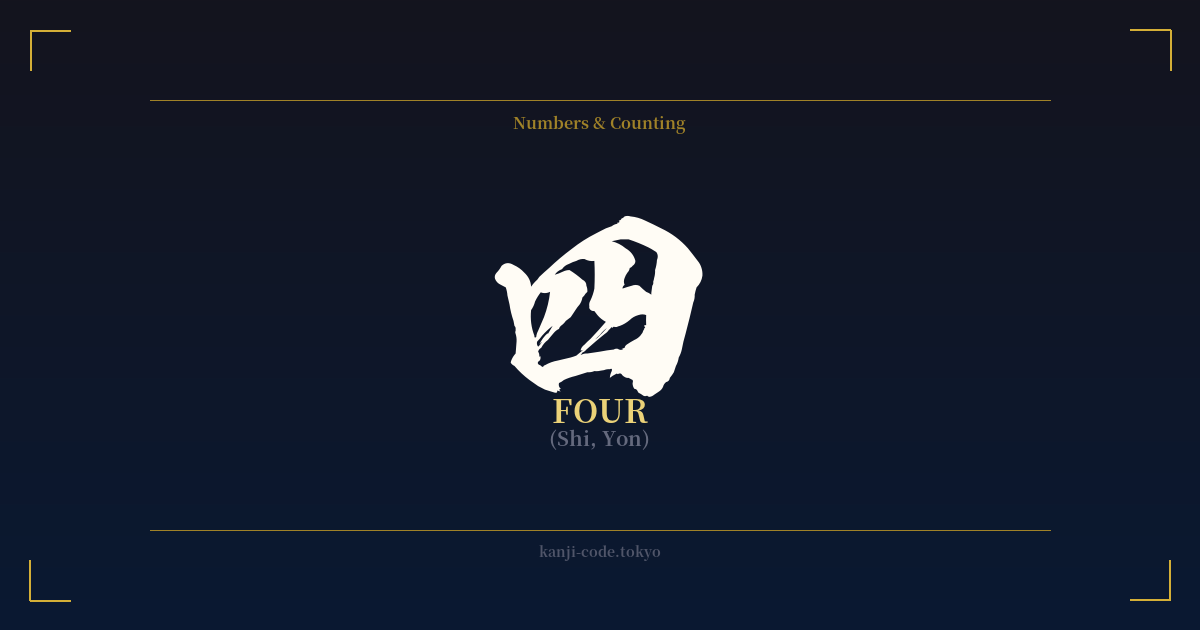
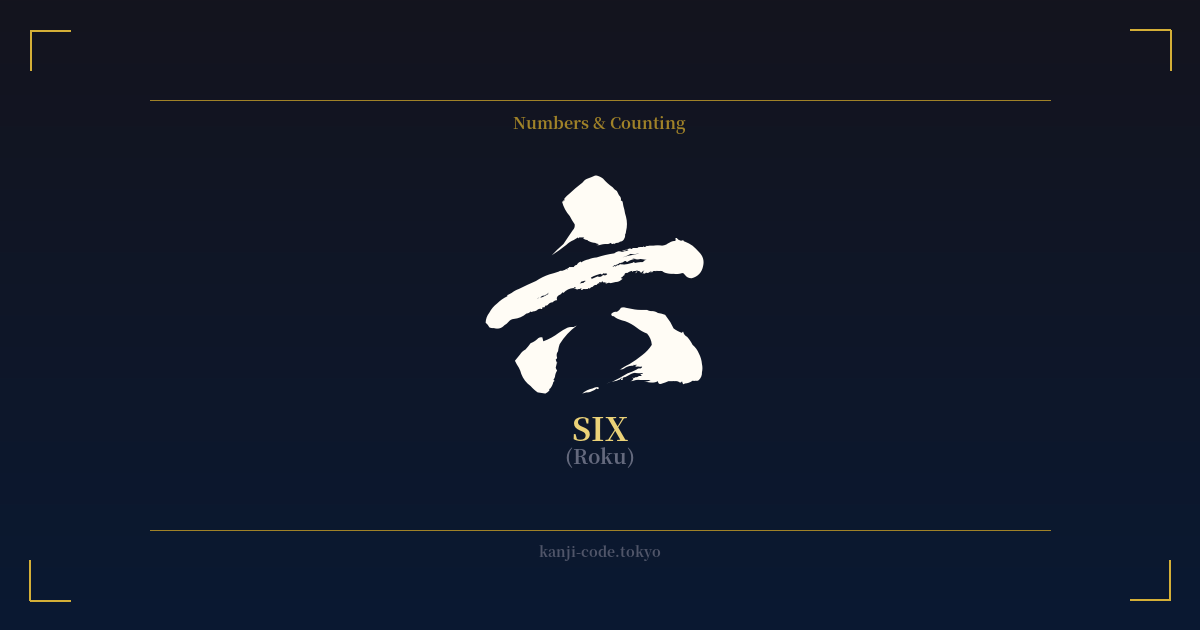
The same kanji can look dramatically different depending on the calligraphy style. Choose a font that matches the mood you want for your tattoo or design.
🎨 Tattoo Suitability
📐 Tattoo Design Guide
Due to its simplicity, the kanji 五 (Go) presents a unique design challenge. It often works best when it's not the sole focus, but rather a meaningful component of a larger piece.
– Integration: Consider incorporating it into a design that illustrates its deeper meaning. A tattoo of a Gorintō (five-ringed stupa) is a classic and powerful choice. Alternatively, you could create a design that visually represents the five elements (Gogyō) with the kanji 五 placed centrally.
– Font Style: If you choose to get it as a standalone character, the font is critical. Avoid standard, thin computer fonts which can make it look weak. Opt for a bold, thick brushstroke in the Kaisho (block) style or a more fluid, expressive Gyōsho (semi-cursive) style to give it weight and personality.
– Placement: Its small and simple nature makes it suitable for discreet placements like the wrist, ankle, behind the ear, or on a finger. For a larger, more impactful design, it could be the starting point of a sleeve that expands on the theme of the five elements or five virtues.
Comments