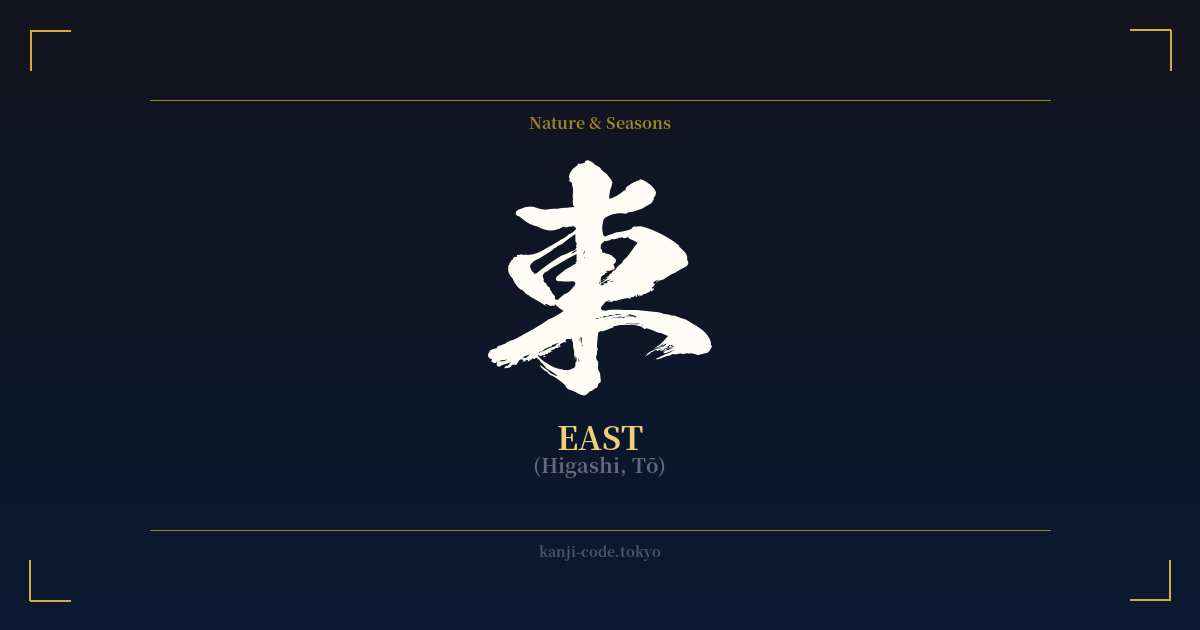
✍️ 東 (Higashi, Tō) — Cultural Context
The kanji 東 (Higashi) is more than just a cardinal direction; it is a character deeply woven into the fabric of Japanese identity and philosophy. Its origin is a beautiful pictograph, a combination of the kanji for sun (日) and tree (木). It visually represents the sun rising behind the trees, a powerful and universally understood image of dawn. This etymology infuses the character with profound symbolism: new beginnings, hope, renewal, and the start of a new day.
This connection to the sunrise is fundamental to Japan's own name, 日本 (Nihon or Nippon), which translates to "the origin of the sun" or more poetically, "The Land of the Rising Sun." This name reflects Japan's geographical position to the east of the Asian mainland. The character 東 is, therefore, intrinsically linked to the nation's self-perception.
The influence of 東 is seen everywhere in Japan. The most prominent example is the name of its capital, 東京 (Tōkyō), which literally means "Eastern Capital." This name was chosen when the imperial court moved from the former capital, Kyoto, to Edo in 1868. Another major geographical region, the northeastern part of Japan's main island, is known as 東北 (Tōhoku), meaning "East-North."
In traditional cosmology and spirituality, the east holds special significance. It is one of the four cardinal directions protected by a mythical guardian beast. The east is guarded by the Azure Dragon, or 青龍 (Seiryū), a symbol of spring, wood, and auspiciousness. Many Shinto shrines and Buddhist temples are built with specific orientations, often with gates or main halls facing east to greet the morning sun, which is seen as a source of purity and life-giving energy.
As a single character, 東 embodies a sense of fundamental truth and orientation. It represents not just a place on a map, but a concept—the direction from which light, warmth, and new opportunities emerge. It is a symbol of optimism and the cyclical nature of life, a daily reminder that every sunrise offers a fresh start.
🖌️ Font Styles for 東
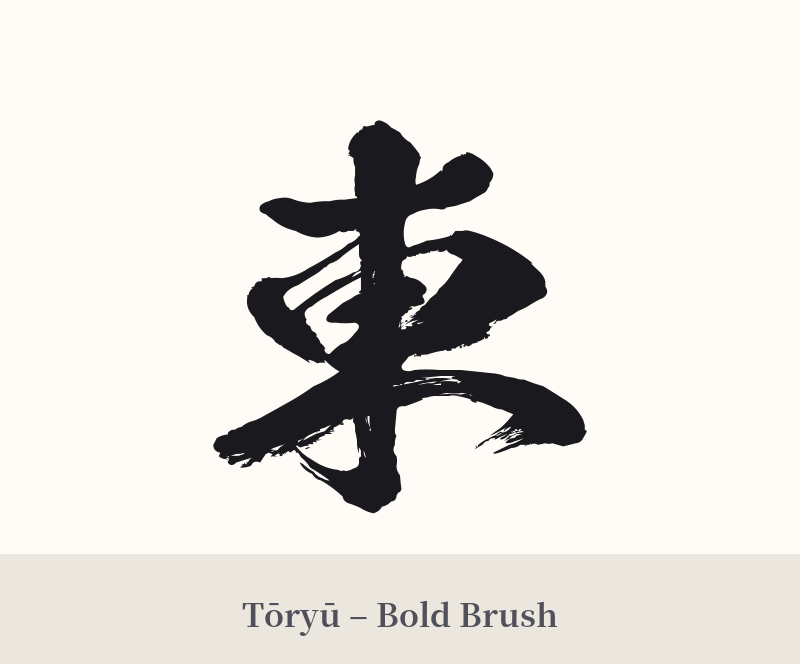
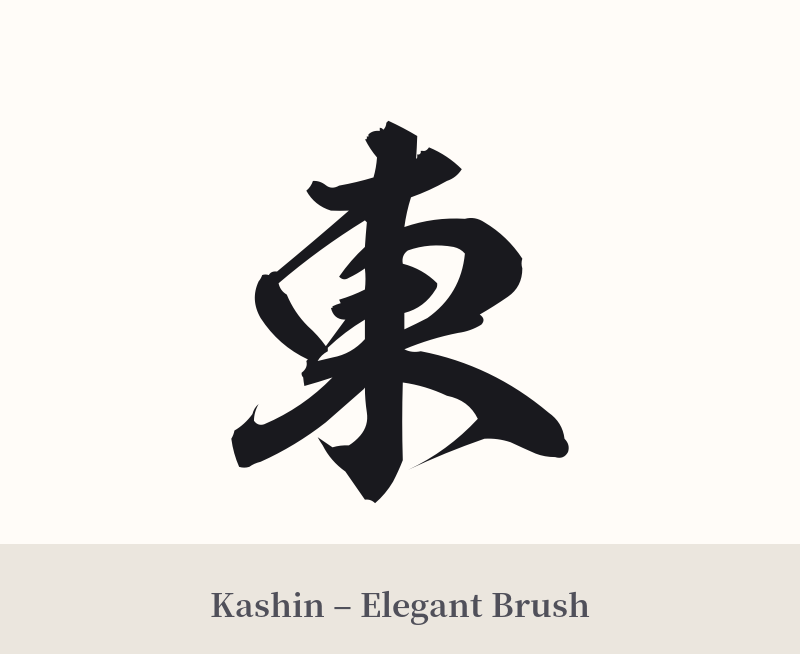
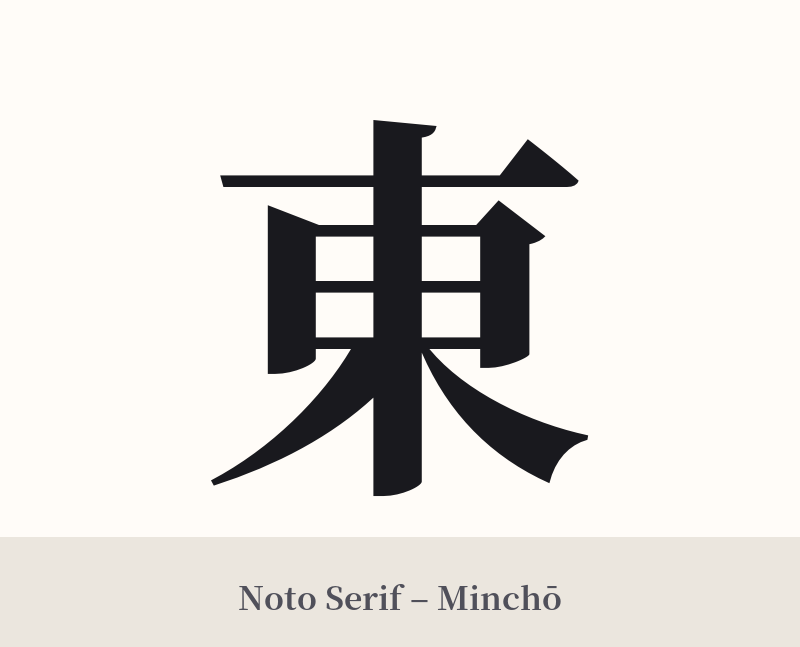
The same kanji can look dramatically different depending on the calligraphy style. Choose a font that matches the mood you want for your tattoo or design.
🎨 Tattoo Suitability
📐 Tattoo Design Guide
The simplicity of 東 allows for a wide range of design interpretations. Its clean lines and balanced structure make it versatile for various tattoo styles and placements.
– Placement: For a subtle and personal tattoo, consider the inner wrist, behind the ear, or on the ankle. For a more prominent statement, the forearm, calf, or the nape of the neck are excellent choices. Placing it on the right side of the body can symbolically align with the 'east' when facing north.
– Style Suggestions: A minimalist, fine-line style emphasizes the character's clean and fundamental nature. Conversely, a bold, expressive calligraphy style (like gyōsho or sōsho) can give the simple character a dynamic and artistic flair, suggesting movement and energy.
– Visual Complements: Consider integrating 東 into a larger image that references its origin. A design featuring the kanji within a rising sun (a classic Japanese motif) or with the silhouette of a pine tree can create a beautiful and meaningful piece. It also pairs well with an Enso circle, symbolizing enlightenment and the universe, with 東 placed within or beside it to signify a starting point.
Comments