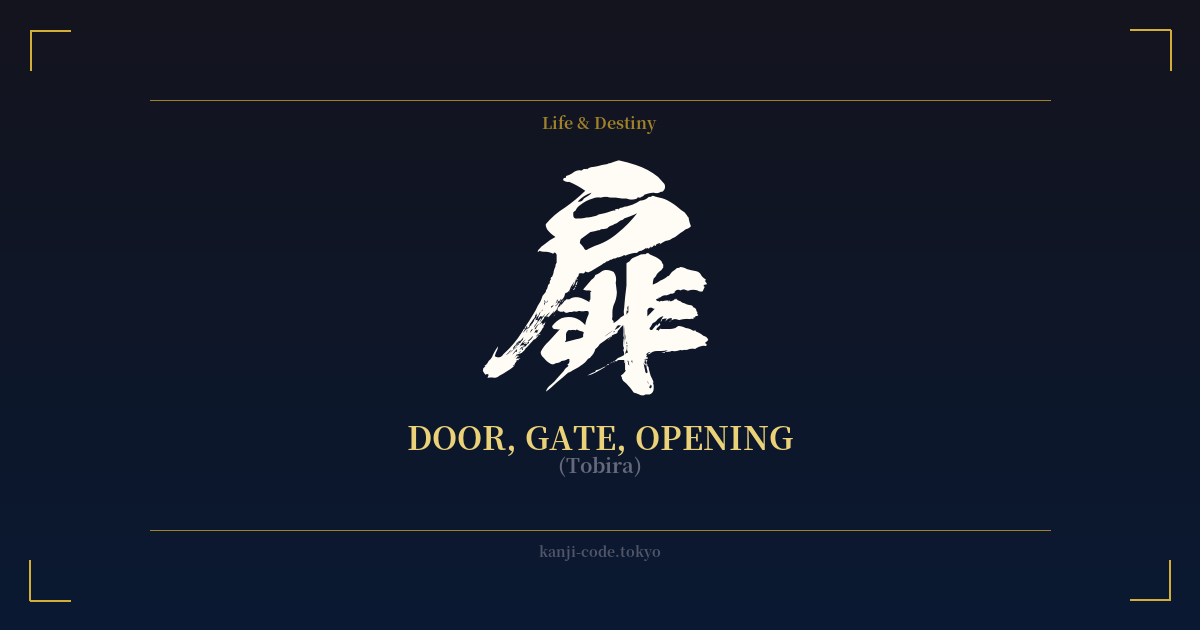
✍️ 扉 (Tobira) — Cultural Context
The kanji 扉 (tobira) literally refers to a door, specifically the hinged, swinging type that is common in Western-style architecture. This distinguishes it from other Japanese terms for entrances, such as 戸 (to), which can refer to any door, including sliding ones, and 門 (mon), which signifies a larger, more imposing gate, often at the entrance to a compound or temple.
The character's structure itself is revealing. It is composed of the radical 戸, which depicts a single-panel door, and the character 非, which originally depicted wings spreading apart. Together, they form the image of a double-panel door swinging open, a portal that reveals what lies beyond. This visual etymology beautifully captures the essence of opening and passage.
However, the true power of 扉 lies in its extensive metaphorical use in Japanese culture. Far more than a simple object, 'tobira' represents a threshold between two states, a point of transition, and a gateway to new possibilities. It is a potent symbol for life's turning points, decisions, and the passage from one phase to another.
This symbolism is deeply woven into the fabric of Japanese language and art. You will often hear phrases like 「人生の扉」 (jinsei no tobira), meaning 'the door of life,' or 「未知への扉」 (michi e no tobira), 'the door to the unknown.' These expressions highlight the kanji's connection to destiny, potential, and the courage required to step into a new future.
In literature, music, and film, the image of a 'tobira' is a recurring motif used to signify a pivotal moment. A character opening a door can represent embracing a new identity, starting a difficult journey, or discovering a hidden truth. It is the boundary that must be crossed to initiate change. Whether it's a door leading to a magical world in an anime or a metaphorical door of the heart in a J-pop ballad, 扉 consistently symbolizes the profound act of moving forward.
🖌️ Font Styles for 扉
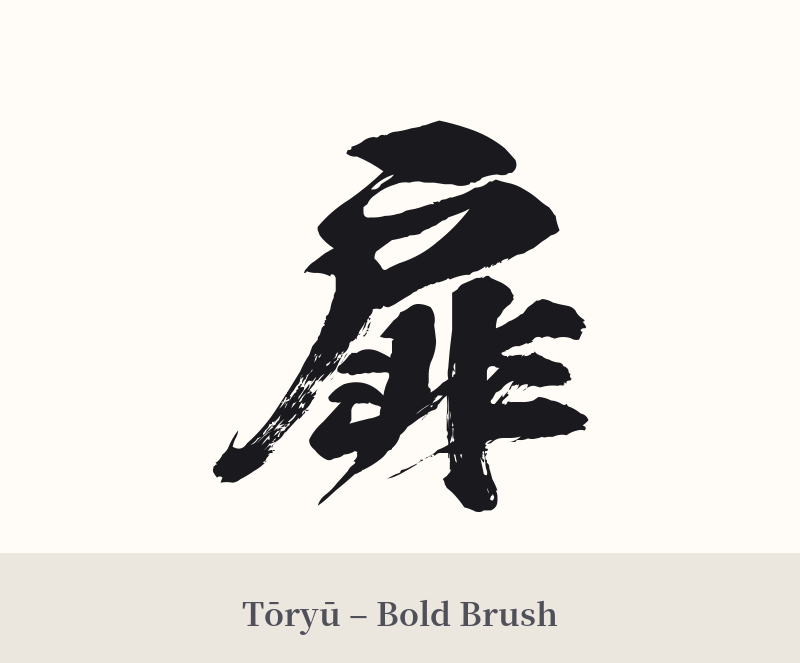
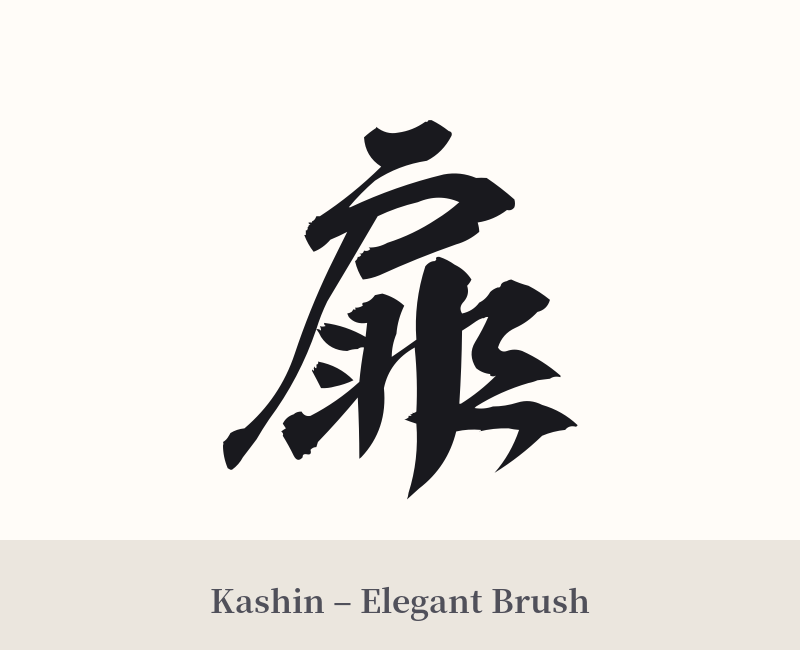
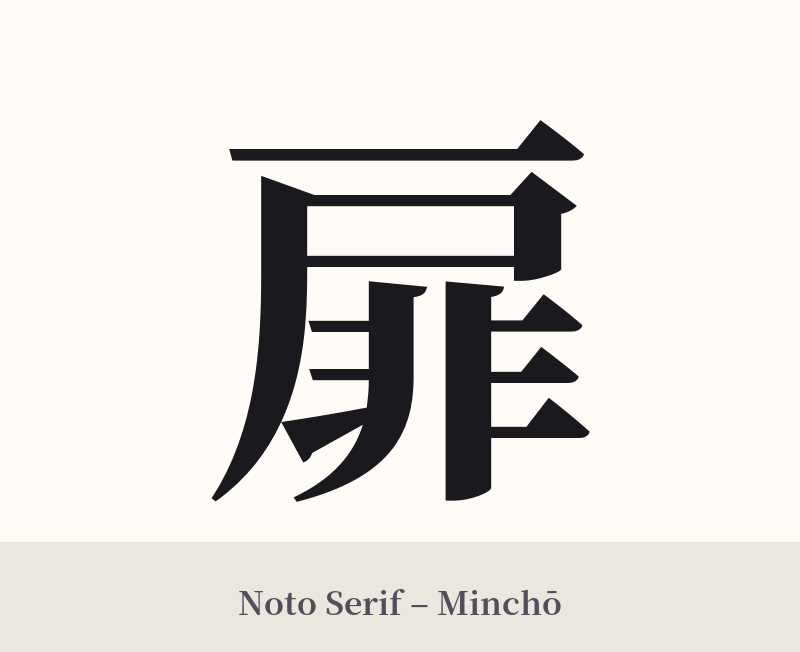
The same kanji can look dramatically different depending on the calligraphy style. Choose a font that matches the mood you want for your tattoo or design.
🎨 Tattoo Suitability
📐 Tattoo Design Guide
A tattoo of 扉 (tobira) works best when the design supports its metaphorical meaning of opportunity and transition. It’s more than just a character; it’s a story waiting to be told.
– Placement: Consider places on the body that suggest a path or a beginning. The forearm allows for clear visibility, symbolizing a path forward. The back of the neck or between the shoulder blades can represent a past you are moving on from or a future you are walking towards. The calf is also an excellent choice, tying into the idea of a journey.
– Style: A bold, clean Mincho or Kaisho (block) script can give the character a sense of importance and stability, like a monumental door to a new chapter. Conversely, a flowing Gyosho (semi-cursive) or Sosho (cursive) style can evoke the feeling of movement, change, and the act of opening itself.
– Visual Elements: Enhance the meaning by incorporating other elements. A keyhole within the character, a subtle key nearby, or rays of light emanating from one side can amplify the theme of discovery. You could also place the kanji within a larger image of a path, a landscape, or even a cosmic scene to define what lies beyond the 'door'.
Comments