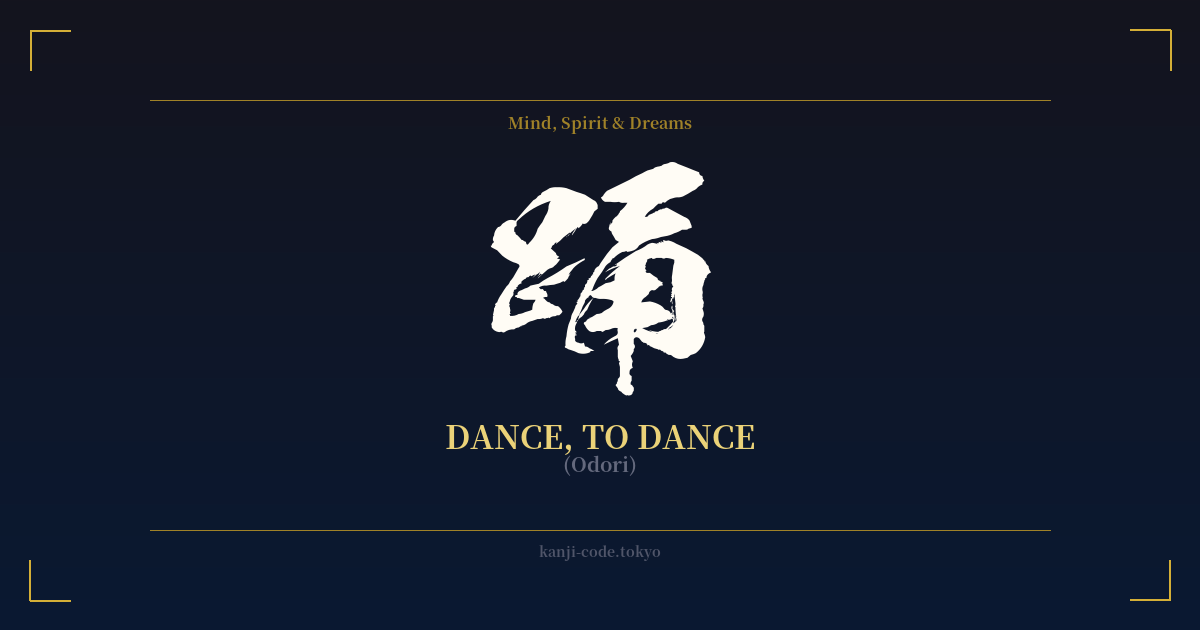
✍️ 踊 (Odori) — Cultural Context
The kanji 踊 (odori) captures the very essence of dance as an act of lively, energetic expression. Its composition tells a story in itself. The left side is the radical 足 (ashi), meaning 'foot' or 'leg,' firmly grounding the character in physical movement. This visual cue immediately connects the kanji to the act of using one's feet to create rhythm and form.
In Japanese culture, a crucial distinction exists between 踊り (odori) and 舞 (mai), two words that both translate to 'dance' in English. 踊り refers to dynamic, often vigorous and celebratory dance that involves jumping, stomping, and active, upward movements. It's the dance of the people, filled with communal joy and spirit.
This is most famously seen in Japan's summer festivals. The Bon Odori (盆踊り) is a nationwide tradition where communities gather to dance in memory of their ancestors, typically moving in a circle around a central stage. Each region has its own unique music and choreography, but the feeling of collective participation is universal. Similarly, the Awa Odori (阿波踊り) in Tokushima is a massive festival where troupes of dancers, called 'ren,' fill the streets with a chant that translates to 'Fools dance and fools watch. If both are fools, you might as well dance!'.
Beyond traditional festivals, 踊 is used for modern and contemporary dance forms. Pop idols on stage are described as 踊る (odoru), and dance clubs are filled with people enjoying the rhythm. The character has also found its way into metaphorical expressions. The phrase 心が踊る (kokoro ga odoru) literally means 'my heart dances,' perfectly describing a feeling of excitement, anticipation, and pure elation. It shows how deeply the concept of dance is tied to feelings of liberation and happiness in the Japanese psyche.
Choosing 踊 is to choose the kanji for vibrant, spirited, and often communal joy. It represents letting go, celebrating life, and expressing oneself with uninhibited energy, whether in a crowded festival or in the quiet dance of one's own heart.
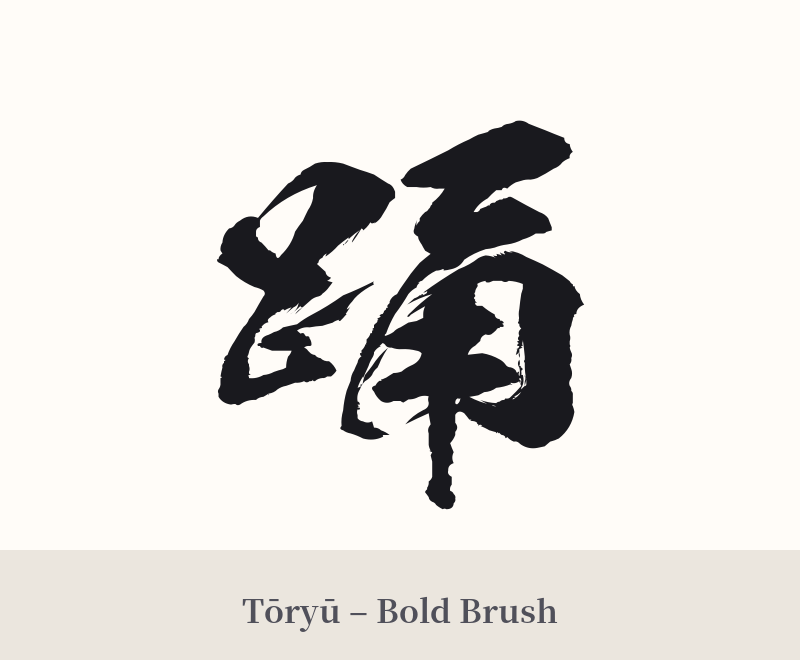
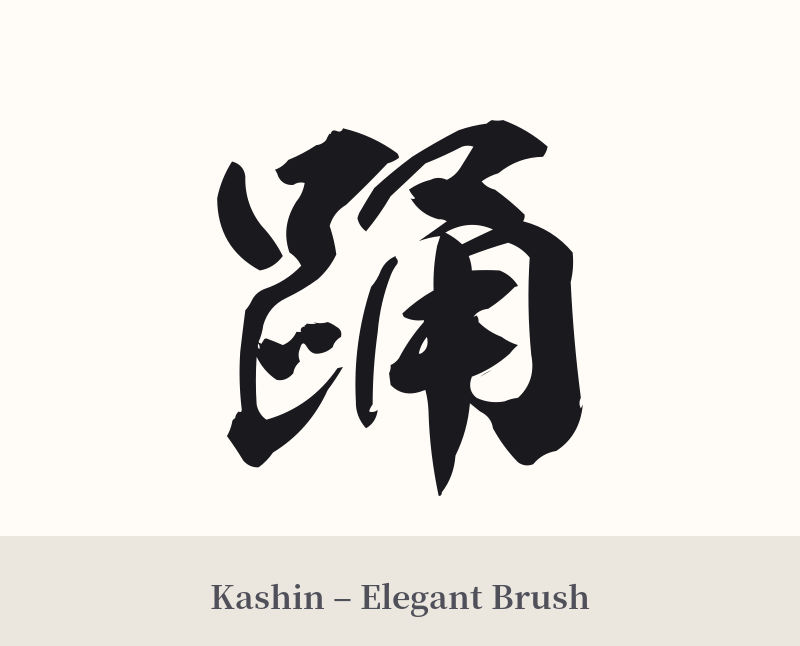
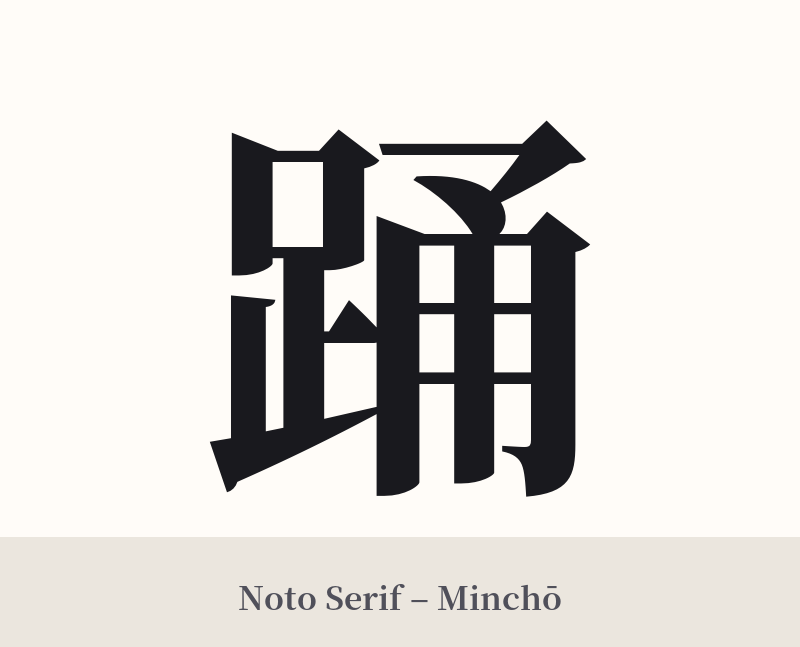
🖌️ Font Styles for 踊
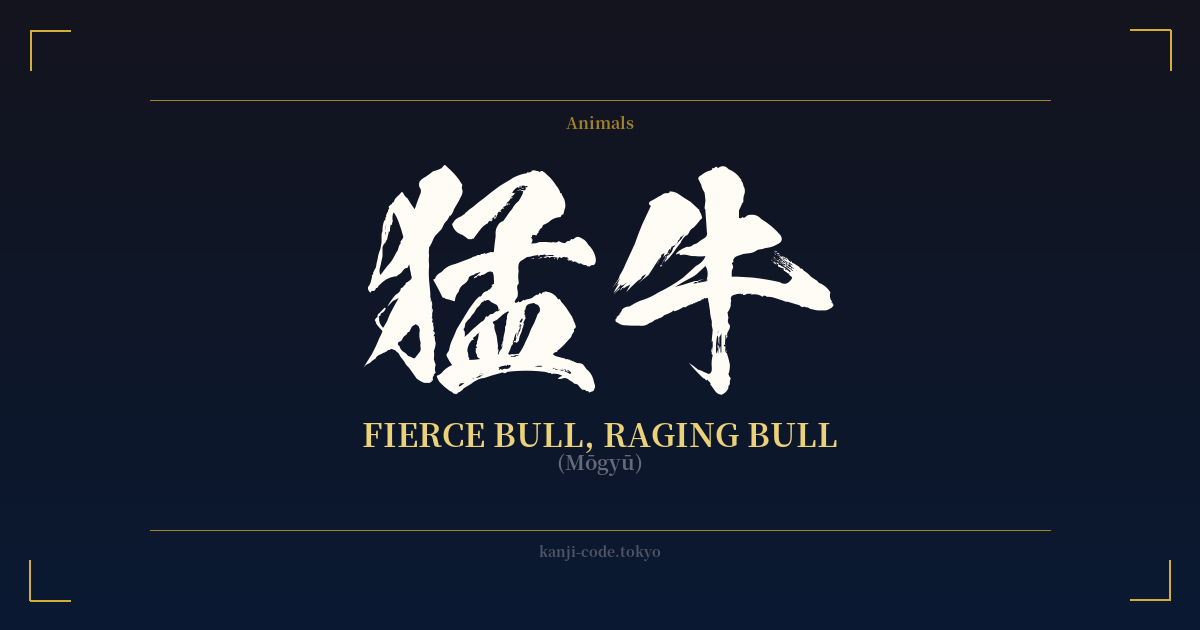
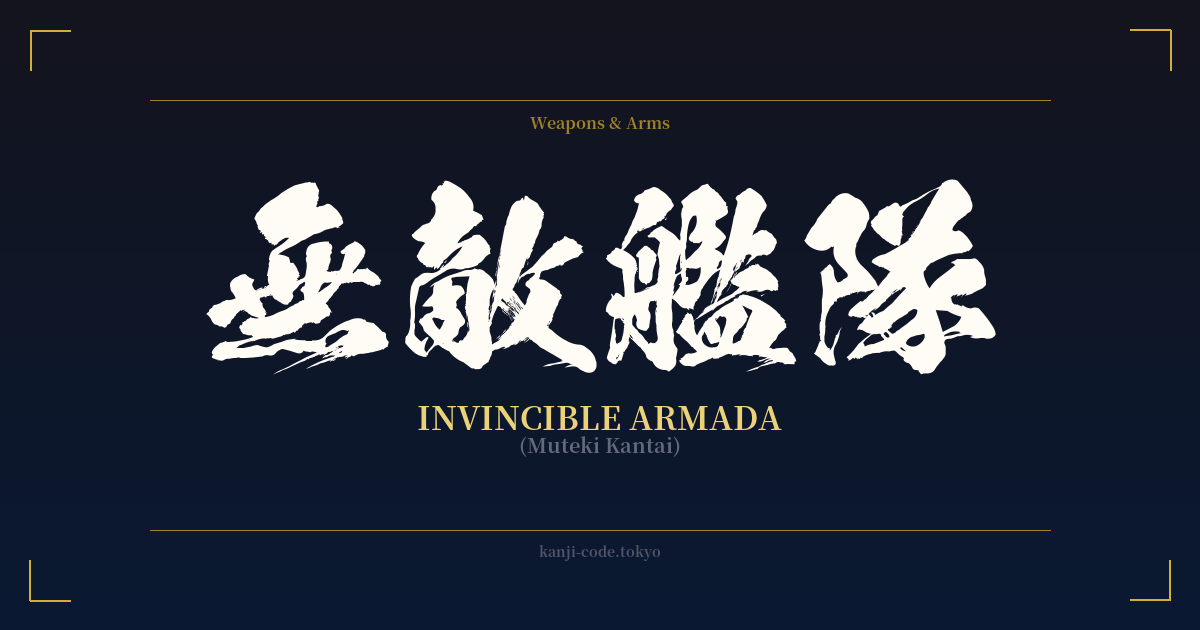
The same kanji can look dramatically different depending on the calligraphy style. Choose a font that matches the mood you want for your tattoo or design.
🎨 Tattoo Suitability
📐 Tattoo Design Guide
The kanji 踊 offers fantastic opportunities for a dynamic tattoo design that embodies movement and energy.
– Placement: Consider places on the body that suggest motion and flow. The calf, forearm, ribs, or along the spine can accentuate the vertical nature of the character and complement the body's natural lines during movement.
– Font Style: A semi-cursive (gyōsho) or full-cursive (sōsho) calligraphy style is highly recommended. These flowing scripts can visually mimic the energy of a dance, with brush strokes appearing to leap and turn. For a bolder, more impactful statement, a strong, clean block font (kaisho) can also work, emphasizing the power and structure within the dance.
– Visual Tips: Think about adding subtle elements to enhance the theme. A few swirling lines, like gusts of wind or flowing fabric, can be integrated around the kanji. You could also have the character trail off into a splash of watercolor ink or be surrounded by abstract shapes that suggest music and rhythm.
Comments