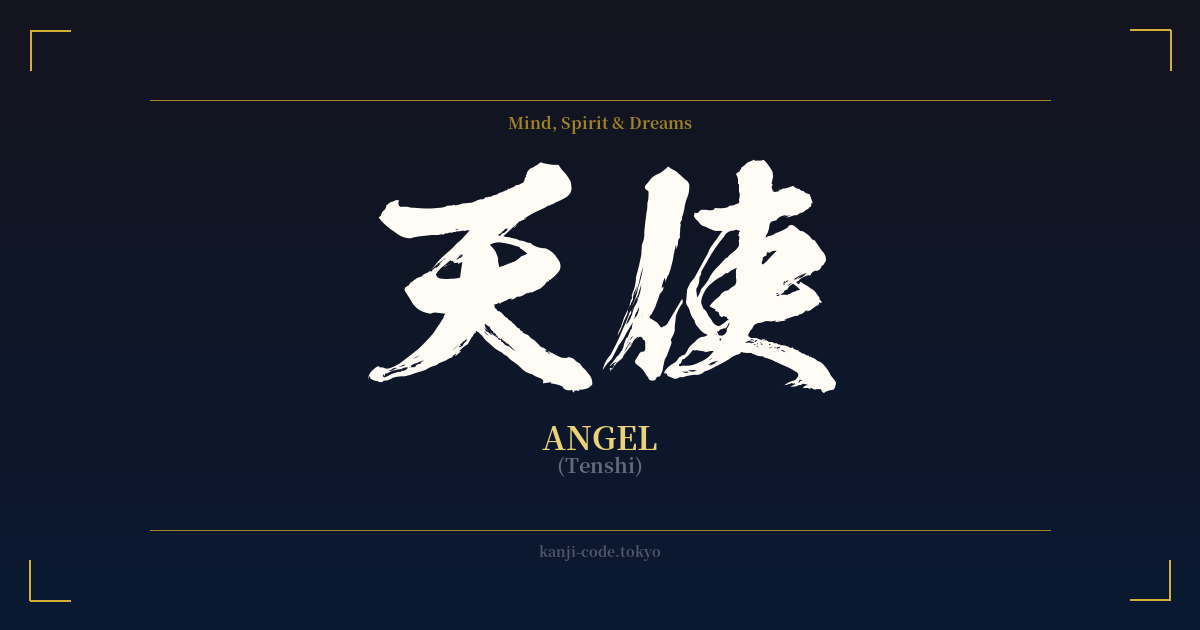
✍️ 天使 (Tenshi) — Cultural Context
The Japanese word 天使 (Tenshi) translates directly to 'angel,' but its composition offers a more poetic insight: 'heavenly messenger.' This literal breakdown encapsulates the core function of these celestial beings as intermediaries between the divine and the mortal realms.
The term itself is a loan concept, adopted into Japanese to describe the winged figures of Abrahamic religions (Christianity, Judaism, Islam). Unlike native spiritual entities such as 神 (Kami) or 妖怪 (Yōkai), which are deeply woven into Japan's own folklore and Shinto-Buddhist cosmology, 天使 arrived with the introduction of Western culture and religion.
Because of this, the image of the 'Tenshi' in Japan is less tied to strict religious dogma and more shaped by a century of cultural osmosis. In the modern Japanese imagination, angels are ubiquitous figures in art, literature, manga, anime, and video games. Series like 'Neon Genesis Evangelion,' 'Angel Beats!,' and characters in the 'Final Fantasy' franchise have profoundly influenced the popular perception of angels. They are often depicted as beings of immense power, purity, and beauty, sometimes as protectors and guides, and other times as tragic or formidable warriors.
This pop culture lens means that a 'Tenshi' tattoo is often interpreted through a framework of aesthetics and archetypes rather than pure religious belief. It can symbolize a wide array of personal values: guidance, protection, and purity; a memorial for a loved one who has passed on (a 'guardian angel'); or a connection to the spiritual or ethereal. It can also represent an inner conflict, as seen in the popular trope of the 堕天使 (Datenshi), or 'fallen angel,' which explores themes of rebellion, loss, and complex morality.
Therefore, while 天使 is not a traditional Japanese symbol, it is a fully integrated and understood one. Its meaning is layered, carrying both its original Western spiritual weight and a uniquely Japanese aesthetic and narrative flair developed through modern media. This makes it a powerful and versatile symbol for those seeking to express themes of spirituality, protection, and otherworldly beauty.
🖌️ Font Styles for 天使
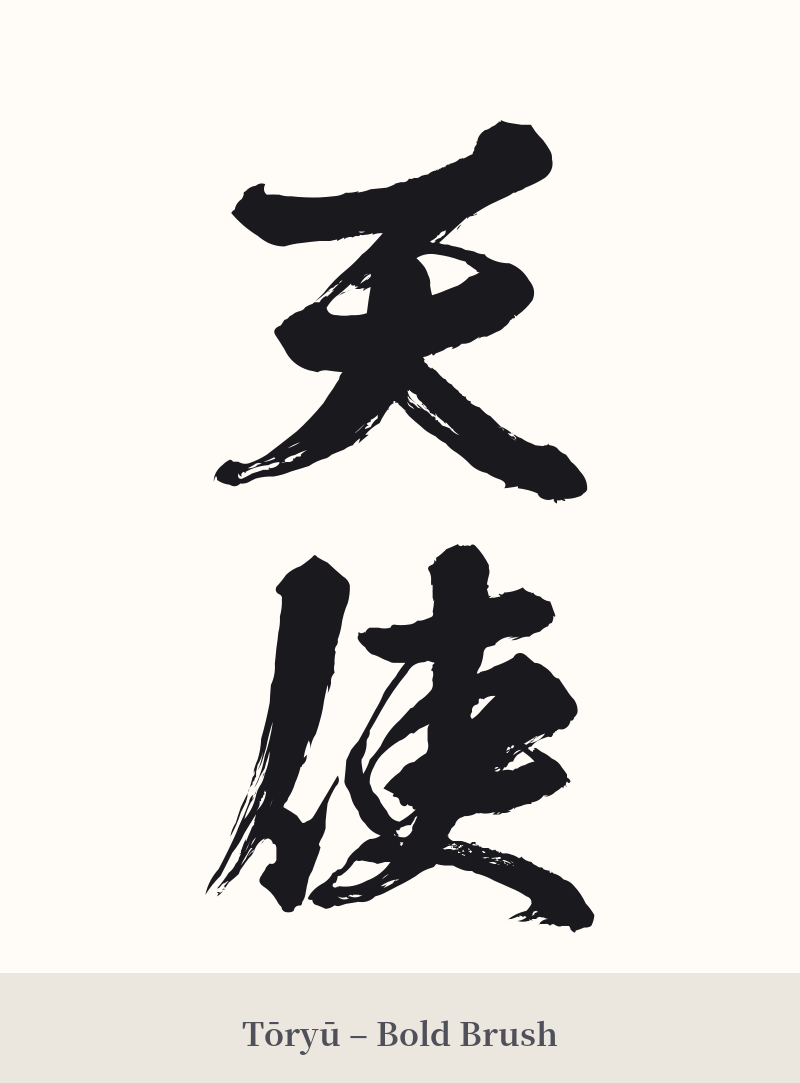
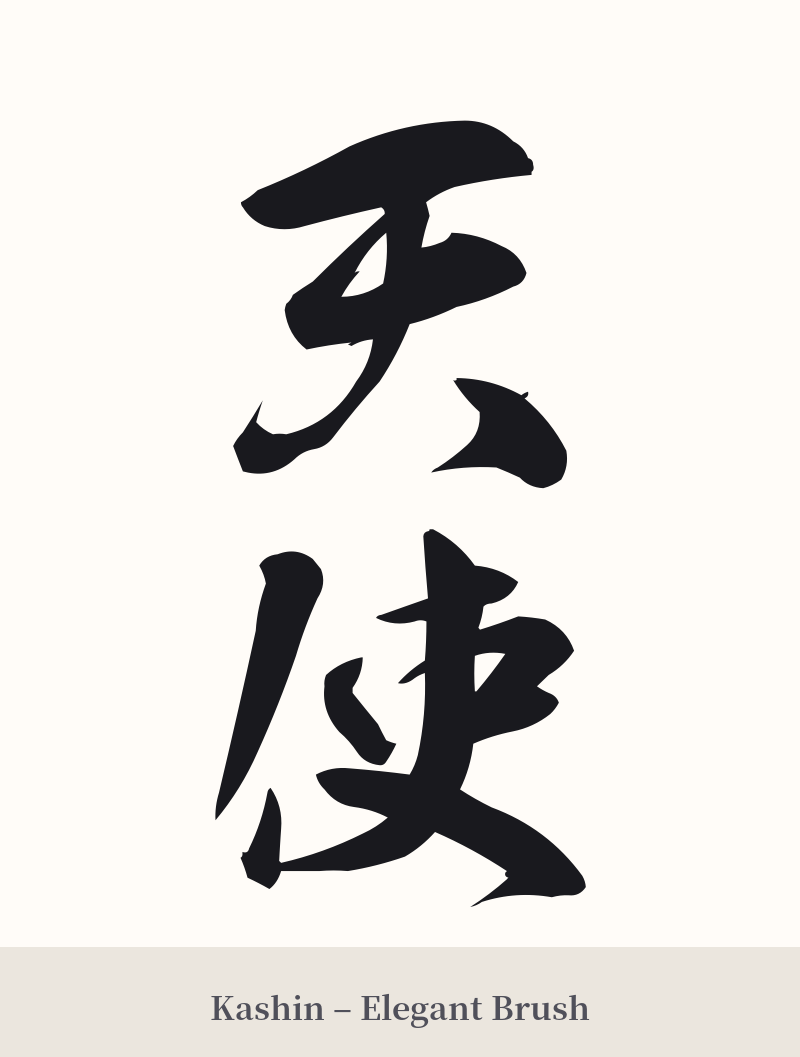
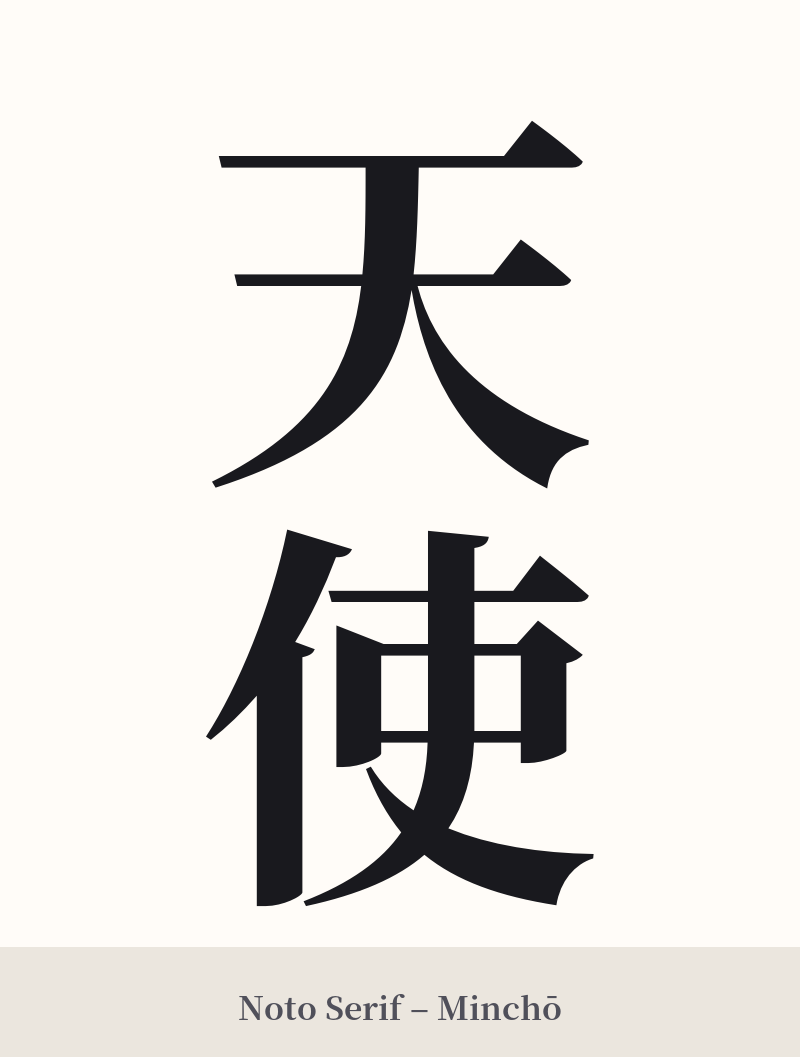
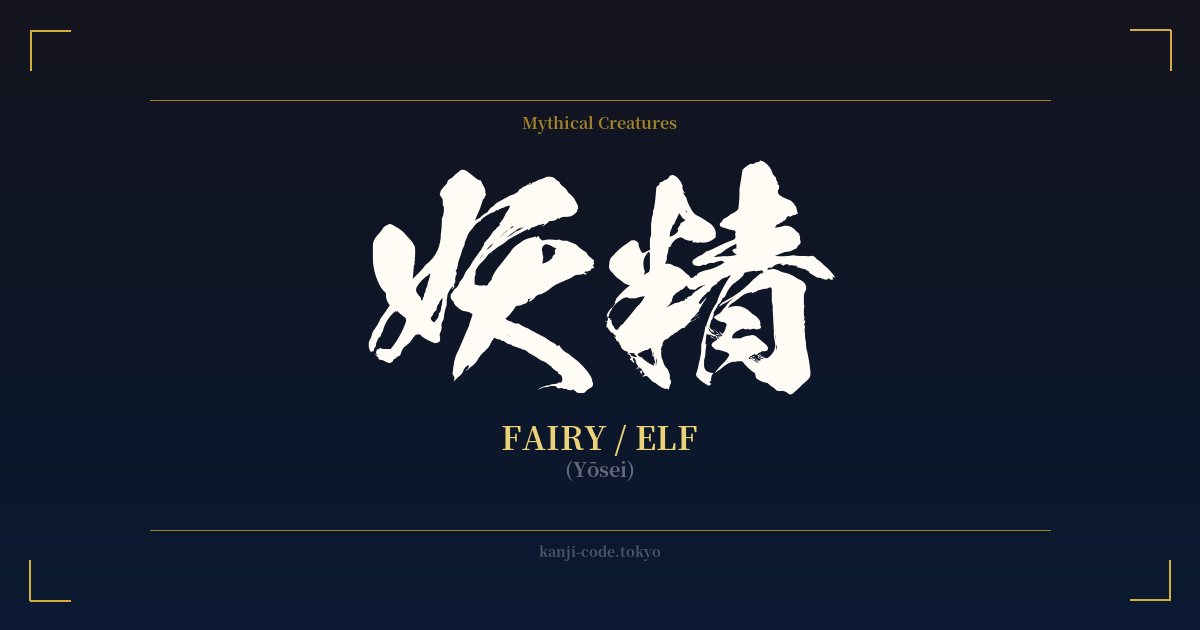
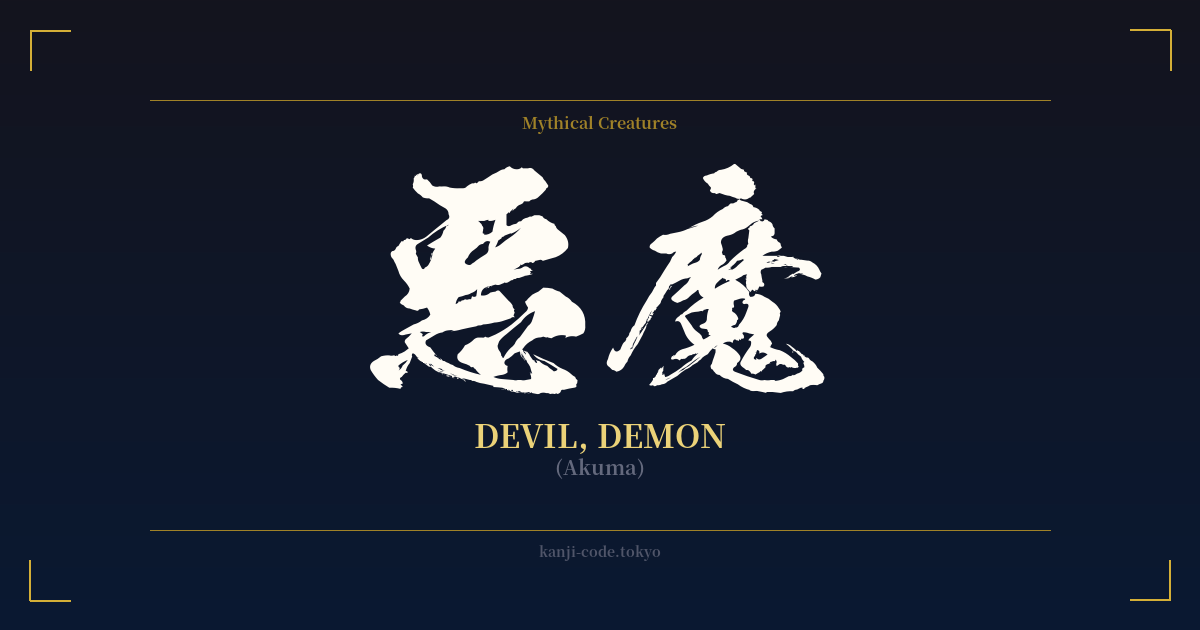
The same kanji can look dramatically different depending on the calligraphy style. Choose a font that matches the mood you want for your tattoo or design.
🎨 Tattoo Suitability
📐 Tattoo Design Guide
When designing a tattoo for 天使 (Tenshi), the composition and style can dramatically shape its meaning.
– Placement: For a vertical orientation, the spine, forearm, or calf are classic choices that accentuate the flow of the characters. A horizontal placement works well across the collarbones, on the chest, or on the upper back.
– Font Style: The choice of font is crucial. A bold, angular font like Kaisho (block script) or a Mincho typeface will give the tattoo a feeling of strength, divinity, and authority. For a more graceful and ethereal look, a semi-cursive (Gyosho) or fully cursive (Sosho) style can evoke a sense of movement and gentleness, like a whisper from the heavens.
– Visual Elements: While the kanji alone is powerful, it can be integrated with other imagery. Subtle wings flanking the characters, a few falling feathers, or a minimalist halo above the 天 (ten) character can reinforce the angelic theme. For a 'fallen angel' concept, consider a more aggressive, chaotic brushstroke style and darker, moodier shading.
Comments