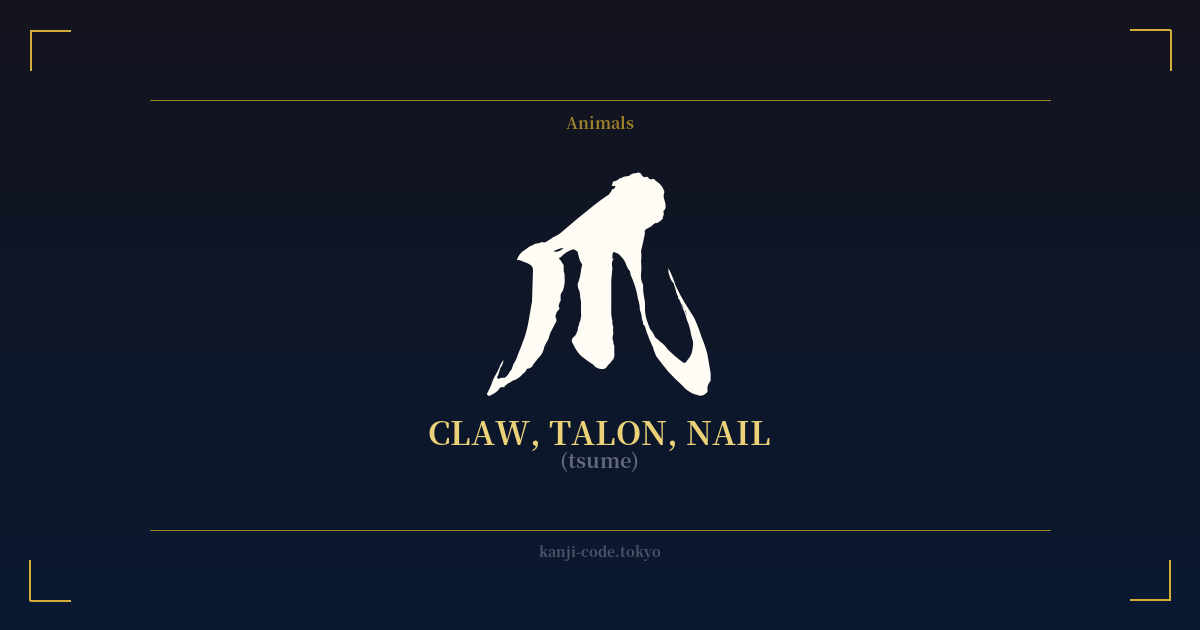
✍️ 爪 (tsume) — Cultural Context
The kanji 爪 (tsume) is a fascinating character, a direct pictograph that has retained its primal visual essence for centuries. Its origin lies in a simple drawing of a hand or a bird's foot, with the downward stroke representing the sharp, curved claw or nail. This direct link to its meaning makes it one of the more intuitive and instantly recognizable kanji.
Its meaning is split between the wild and the civilized. On one hand, 爪 embodies the raw power of the animal kingdom. It is the claw of a tiger (虎の爪, tora no tsume), the talon of an eagle (鷲の爪, washi no tsume), and the formidable weapon of a dragon. In this context, it represents survival, ferocity, predation, and defense. It’s the tool that allows a creature to hunt, fight, and grip the earth.
This powerful imagery is captured in a famous Japanese proverb: 能ある鷹は爪を隠す (nō aru taka wa tsume o kakusu), which translates to “A skilled hawk hides its talons.” The proverb advises that those who are truly capable and powerful do not need to constantly display their strength. They keep their 'claws' hidden until they are needed, embodying a quiet confidence and strategic wisdom. This adds a layer of philosophical depth to an otherwise straightforward character.
On the other hand, 爪 is the mundane, everyday word for a human fingernail or toenail. This is how most Japanese people use the word daily. Terms like 爪切り (tsumekiri, nail clipper) and 爪を噛む (tsume o kamu, to bite one's nails) are common. This duality is crucial to understand; the same character that evokes a bear's fearsome claw is also used when discussing a manicure.
Beyond these primary meanings, 'tsume' can also refer to things that grip or hook. It can be the plectrum used to play instruments like the koto or shamisen, or even a mechanical clutch in machinery. This versatility demonstrates how the core concept of 'gripping' has been extended metaphorically. Whether representing a predator's weapon, a hidden talent, or a simple part of the human body, 爪 packs a wealth of meaning into just four simple strokes.
🖌️ Font Styles for 爪
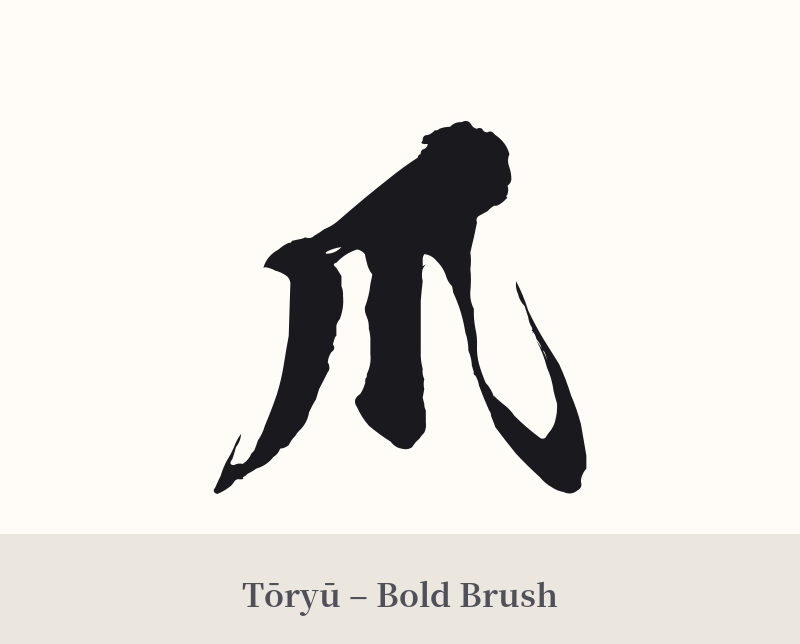
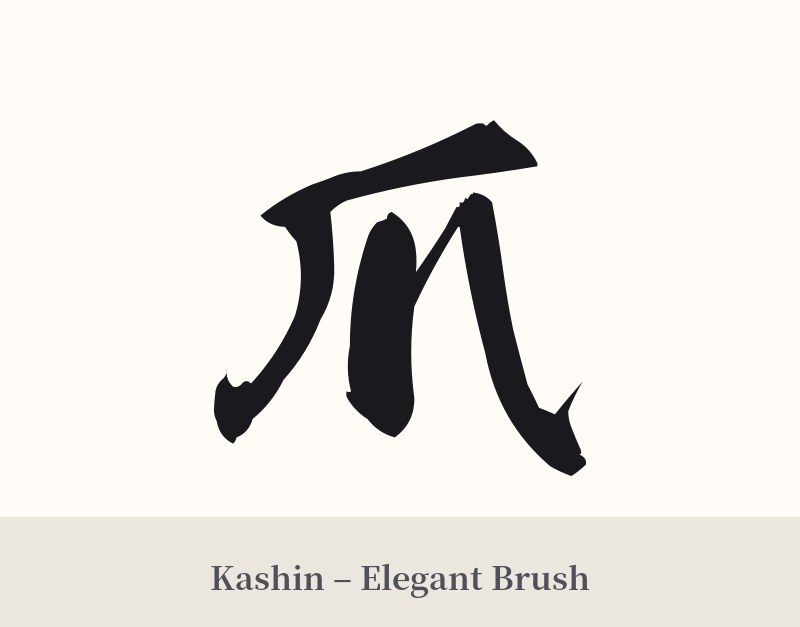
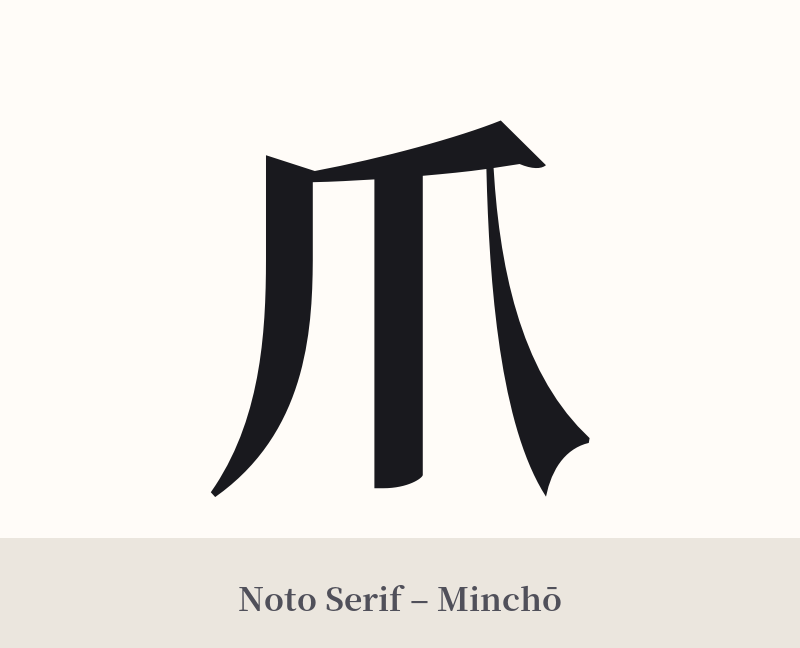
The same kanji can look dramatically different depending on the calligraphy style. Choose a font that matches the mood you want for your tattoo or design.
🎨 Tattoo Suitability
📐 Tattoo Design Guide
The kanji 爪 (tsume) offers excellent opportunities for a visually striking tattoo due to its simple, graphic nature.
– Placement: Its sharp, downward-pointing structure works well on vertical areas of the body. Consider the forearm, calf, or along the spine. For a more subtle design, its simplicity makes it suitable for the wrist, behind the ear, or on an ankle.
– Style: A bold, scratchy calligraphy (shodō) style can emphasize the raw, animalistic 'claw' meaning. The ink could be applied to look like it was carved or scratched into the skin. Conversely, a clean, minimalist Mincho or Gothic font can highlight its sharp geometric shape for a more modern, stylized look.
– Visual Tips: To avoid the ambiguity of the 'fingernail' meaning, consider adding context. Placing 爪 next to a tattoo of a dragon, tiger, or eagle instantly clarifies the intended 'claw/talon' meaning. You could also incorporate visual elements like three scratch marks trailing from the character or a splash of red or black ink to imply action and power.
Comments